Stagni Fiorenza, Raspanti Alessandra, Giacomini Andrea, Guidi Sandra, Emili Marco, Ciani Elisabetta, Giuliani Alessandro, Bighinati Andrea, Calzà Laura, Magistretti Jacopo, Bartesaghi Renata
Department of Biomedical and Neuromotor Sciences, University of Bologna, Bologna, Italy.
Department of Biology and Biotechnology "L. Spallanzani", University of Pavia, Pavia, Italy.
Neurobiol Dis. 2017 Jul;103:11-23. doi: 10.1016/j.nbd.2017.03.012. Epub 2017 Mar 28.
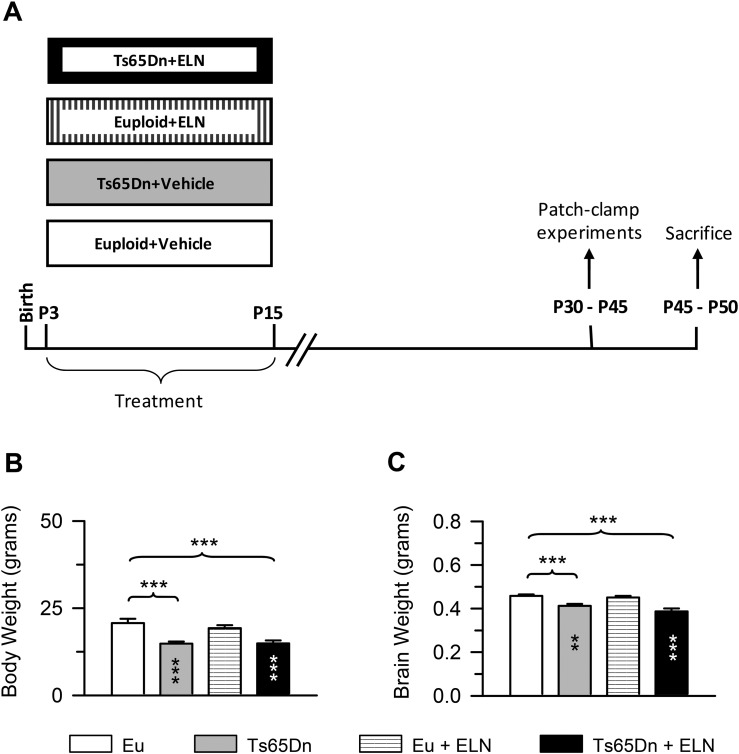
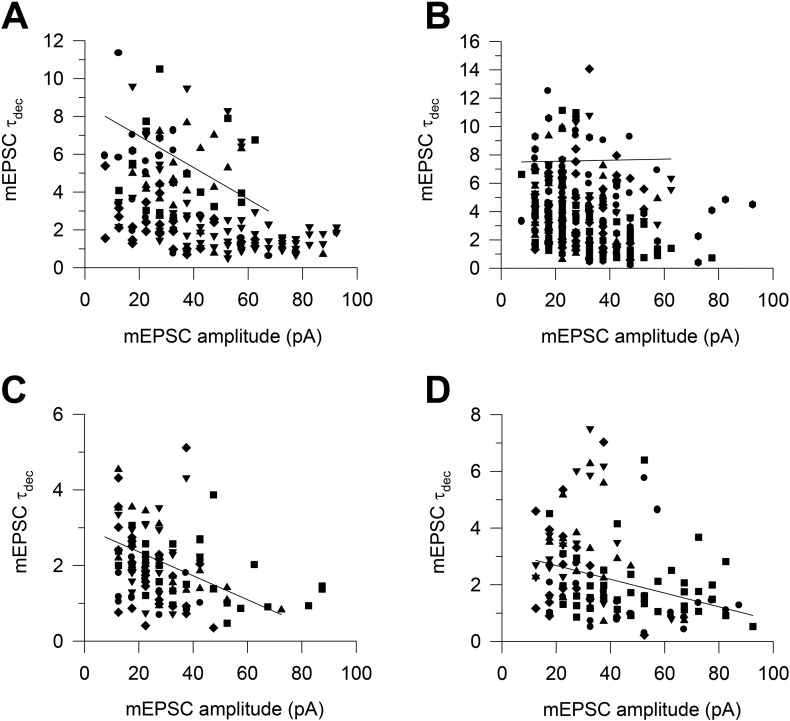
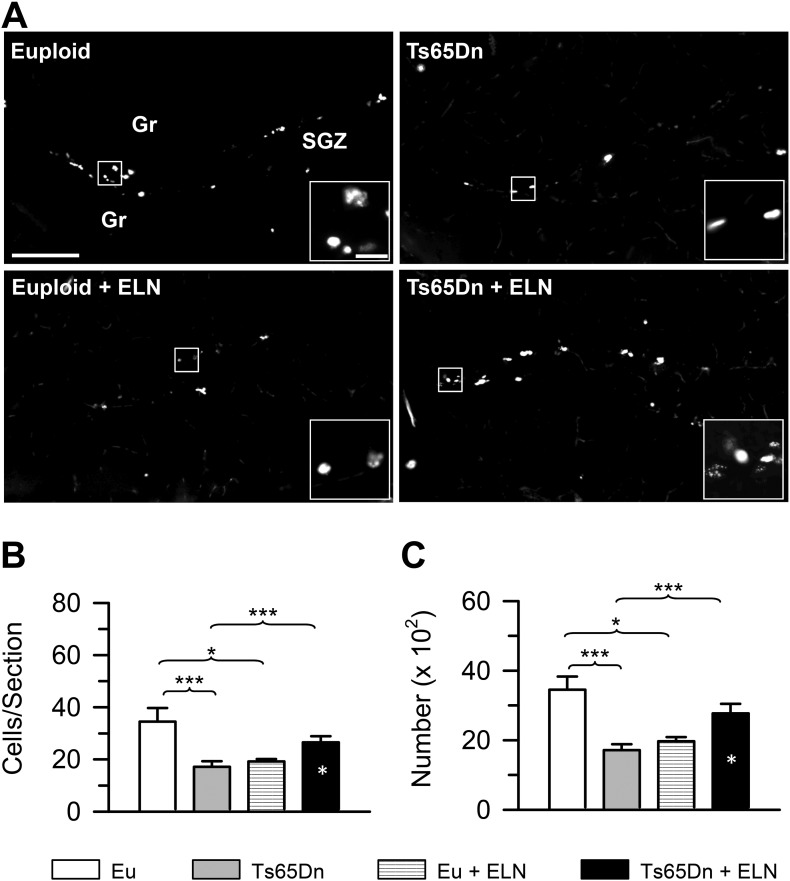
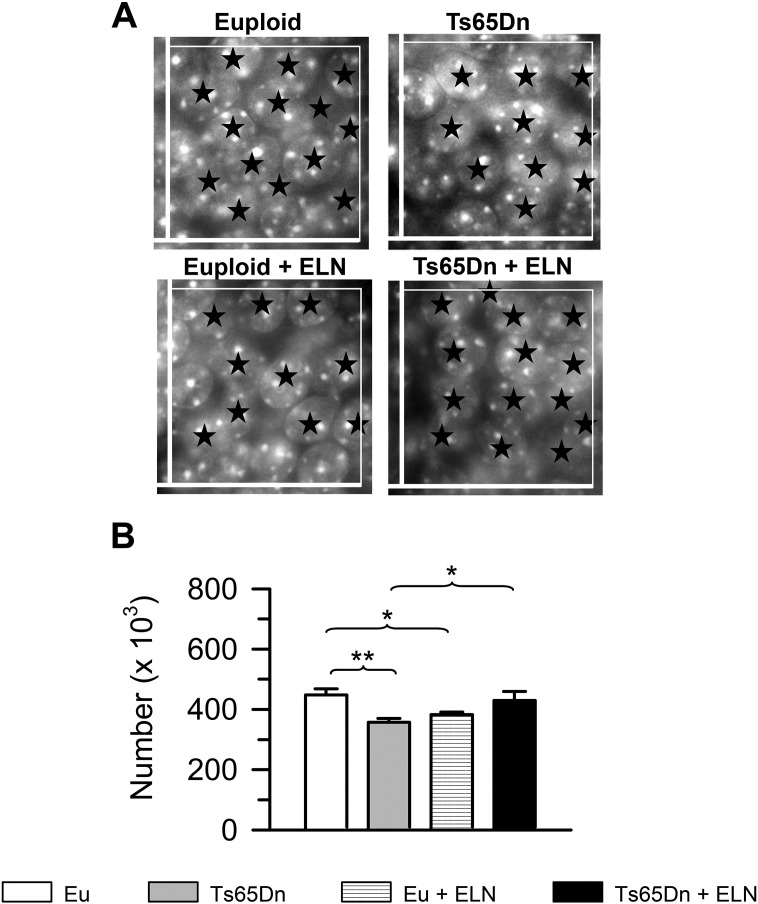
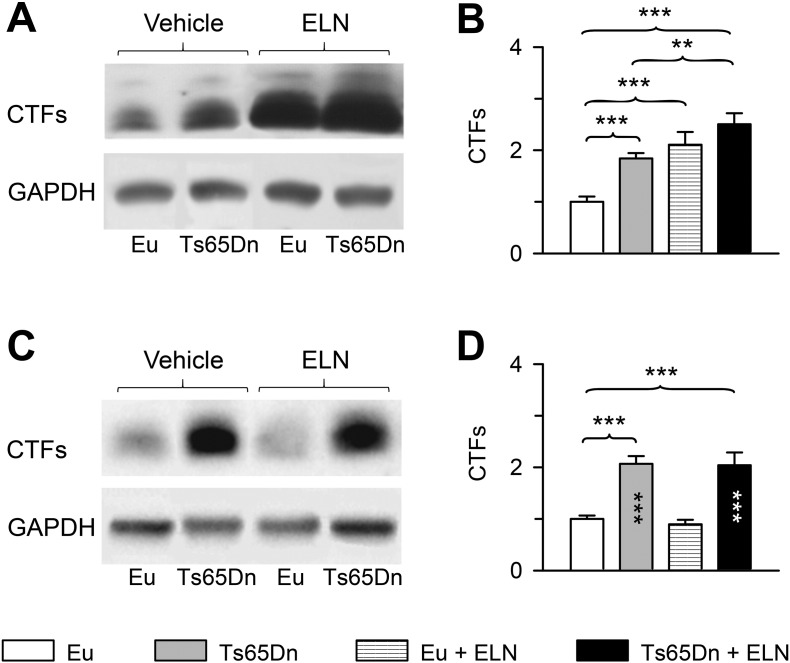
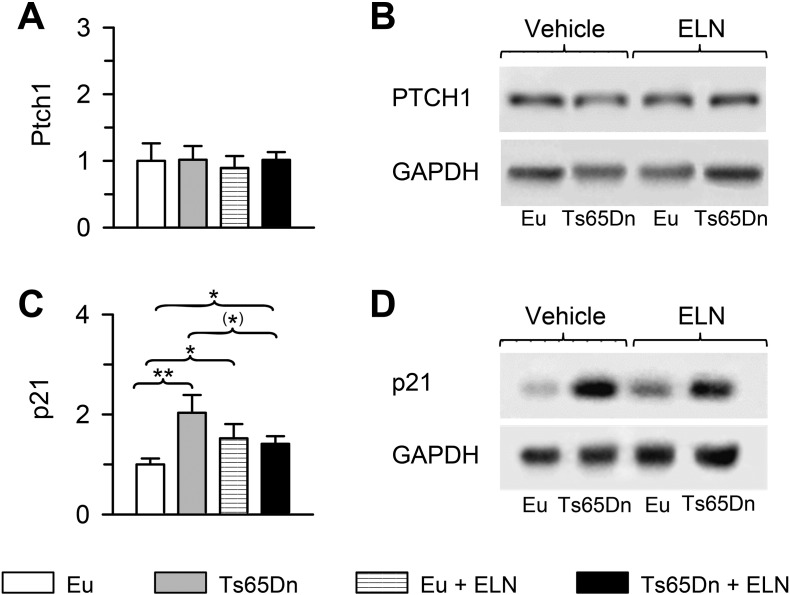
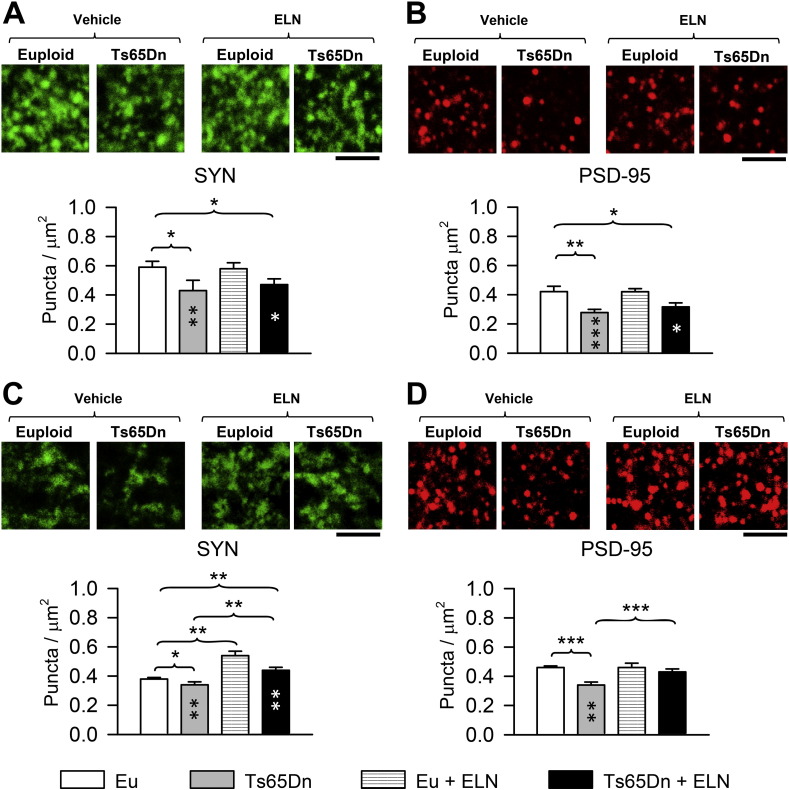
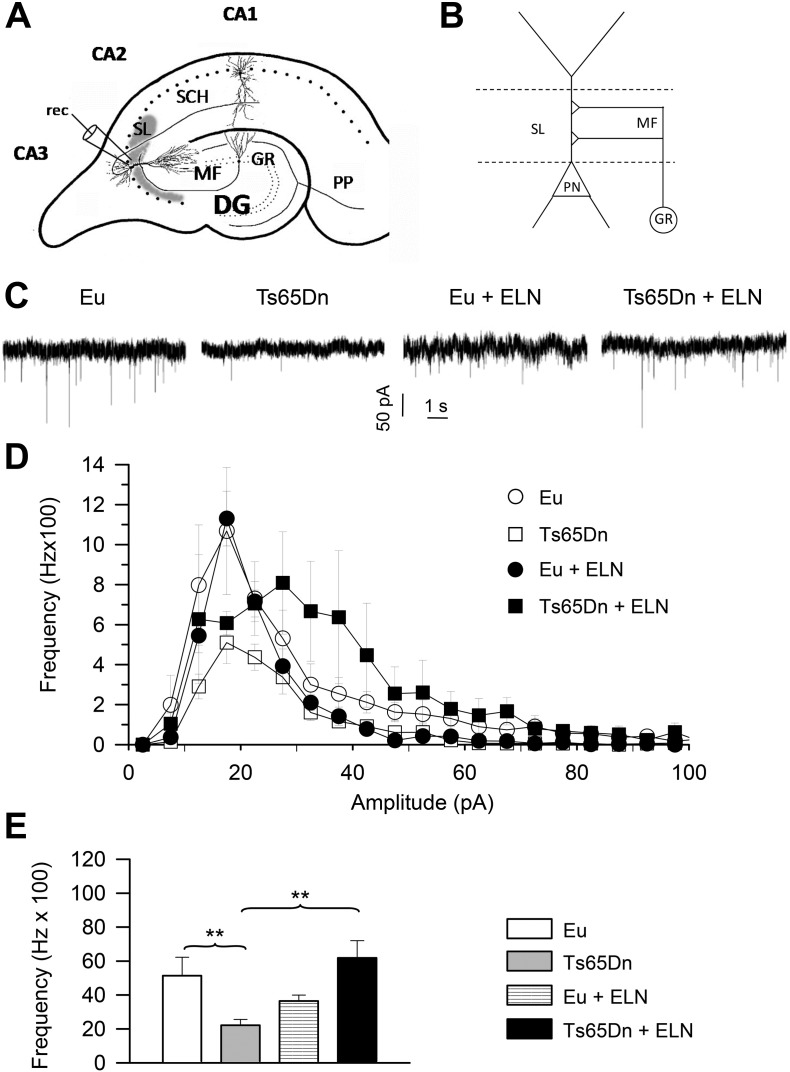
Neurogenesis impairment is considered a major determinant of the intellectual disability that characterizes Down syndrome (DS), a genetic condition caused by triplication of chromosome 21. Previous evidence obtained in the Ts65Dn mouse model of DS showed that the triplicated gene APP (amyloid precursor protein) is critically involved in neurogenesis alterations. In particular, excessive levels of AICD (amyloid precursor protein intracellular domain) resulting from APP cleavage by gamma-secretase increase the transcription of Ptch1, a Sonic Hedgehog (Shh) receptor that keeps the mitogenic Shh pathway repressed. Previous evidence showed that neonatal treatment with ELND006, an inhibitor of gamma-secretase, reinstates the Shh pathway and fully restores neurogenesis in Ts65Dn pups. In the framework of potential therapies for DS, it is extremely important to establish whether the positive effects of early intervention are retained after treatment cessation. Therefore, the goal of the current study was to establish whether early treatment with ELND006 leaves an enduring trace in the brain of Ts65Dn mice. Ts65Dn and euploid pups were treated with ELND006 in the postnatal period P3-P15 and the outcome of treatment was examined at ~one month after treatment cessation. We found that in treated Ts65Dn mice the pool of proliferating cells in the hippocampal dentate gyrus (DG) and total number of granule neurons were still restored as was the number of pre- and postsynaptic terminals in the stratum lucidum of CA3, the site of termination of the mossy fibers from the DG. Accordingly, patch-clamp recording from field CA3 showed functional normalization of the input to CA3. Unlike in field CA3, the number of pre- and postsynaptic terminals in the DG of treated Ts65Dn mice was no longer fully restored. The finding that many of the positive effects of neonatal treatment were retained after treatment cessation provides proof of principle demonstration of the efficacy of early inhibition of gamma-secretase for the improvement of brain development in DS.
神经发生受损被认为是唐氏综合征(DS)所特有的智力残疾的主要决定因素,DS是一种由21号染色体三体导致的遗传疾病。先前在DS的Ts65Dn小鼠模型中获得的证据表明,三倍体基因APP(淀粉样前体蛋白)在神经发生改变中起关键作用。特别是,γ-分泌酶切割APP产生的过量AICD(淀粉样前体蛋白细胞内结构域)增加了Ptch1的转录,Ptch1是一种 Sonic Hedgehog(Shh)受体,可抑制有丝分裂的Shh信号通路。先前的证据表明,用γ-分泌酶抑制剂ELND006对新生小鼠进行治疗可恢复Shh信号通路,并完全恢复Ts65Dn幼崽的神经发生。在DS潜在治疗方法的框架下,确定治疗停止后早期干预的积极效果是否仍然存在极为重要。因此,本研究的目的是确定用ELND006进行早期治疗是否会在Ts65Dn小鼠的大脑中留下持久的痕迹。在出生后第3至15天用ELND006治疗Ts65Dn和正常二倍体幼崽,并在治疗停止后约一个月检查治疗结果。我们发现,在接受治疗的Ts65Dn小鼠中,海马齿状回(DG)中的增殖细胞池和颗粒神经元的总数仍然恢复,CA3区透明层中突触前和突触后终末的数量也恢复了,透明层是DG中苔藓纤维的终止部位。相应地,对CA3区进行膜片钳记录显示CA3区输入功能正常化。与CA3区不同,接受治疗的Ts65Dn小鼠DG中突触前和突触后终末的数量不再完全恢复。治疗停止后仍保留许多新生期治疗的积极效果这一发现,为早期抑制γ-分泌酶改善DS脑发育的疗效提供了原理证明。