Jiang Zhongjia, Song Fuyang, Li Yanan, Xue Di, Zhao Ning, Zhang Jiamei, Deng Guangcun, Li Min, Liu Xiaoming, Wang Yujiong
Key Laboratory of Ministry of Education for Conservation and Utilization of Special Biological Resources in the Western, Ningxia University, Yinchuan, Ningxia 750021, China; College of Life Science, Ningxia University, Yinchuan, Ningxia 750021, China.
Key Laboratory of Ministry of Education for Conservation and Utilization of Special Biological Resources in the Western, Ningxia University, Yinchuan, Ningxia 750021, China.
Oxid Med Cell Longev. 2017;2017:6175841. doi: 10.1155/2017/6175841. Epub 2017 Mar 7.
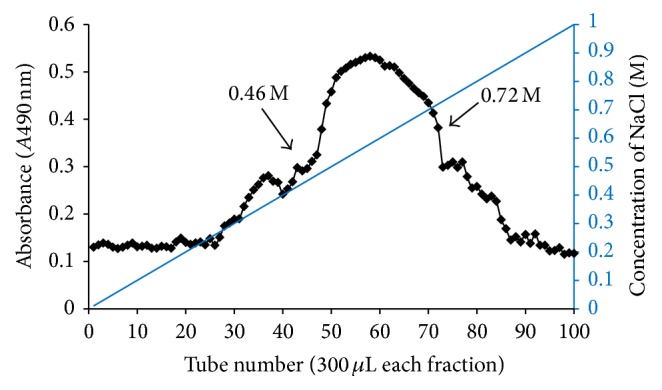
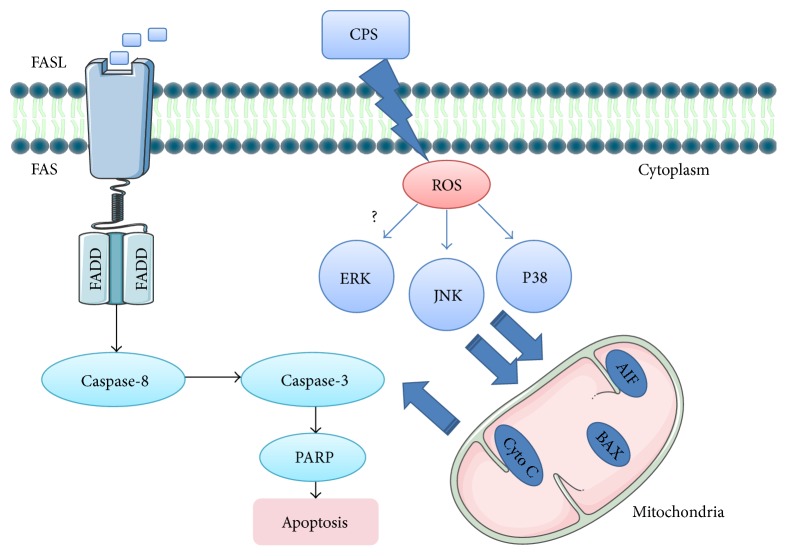
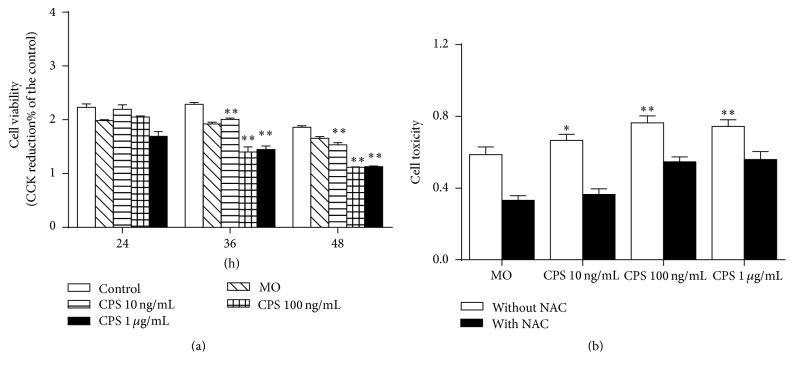
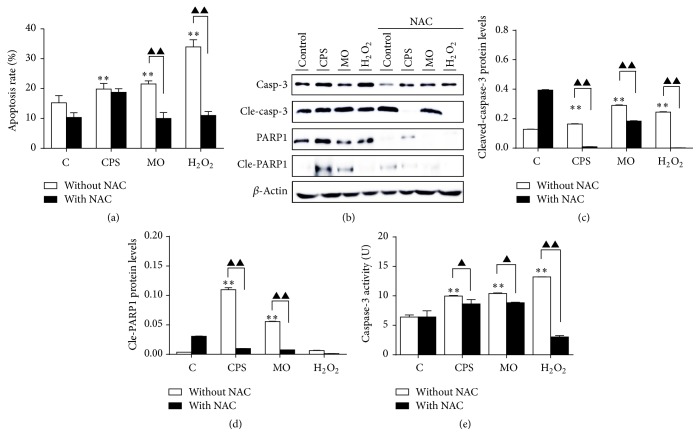
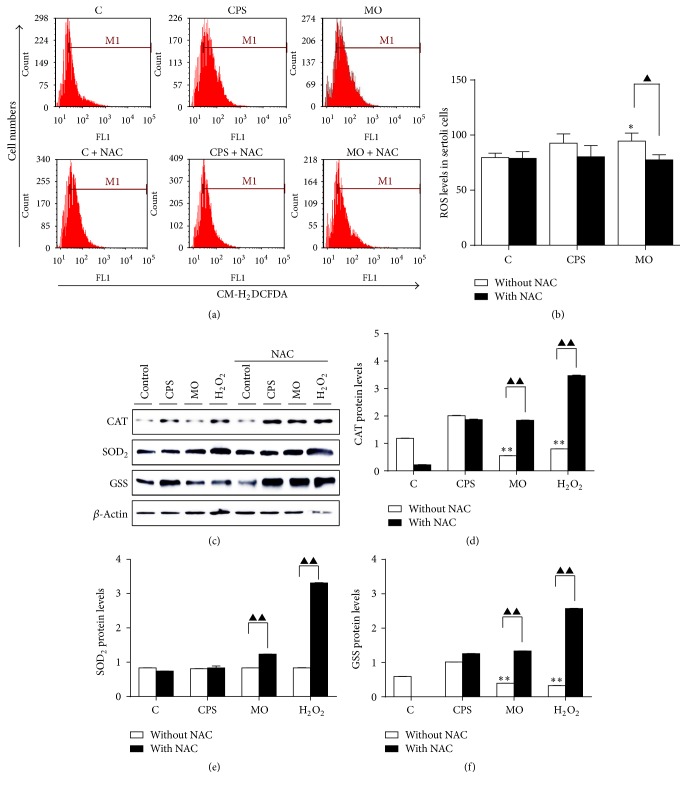
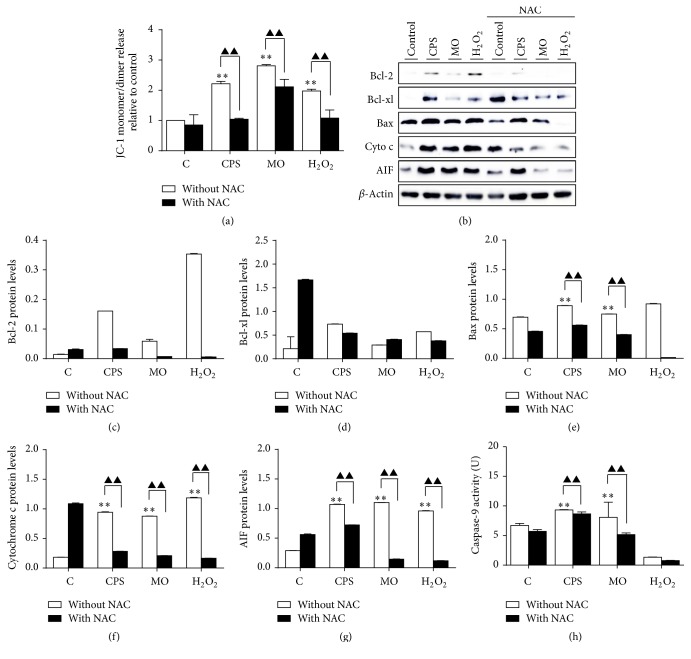
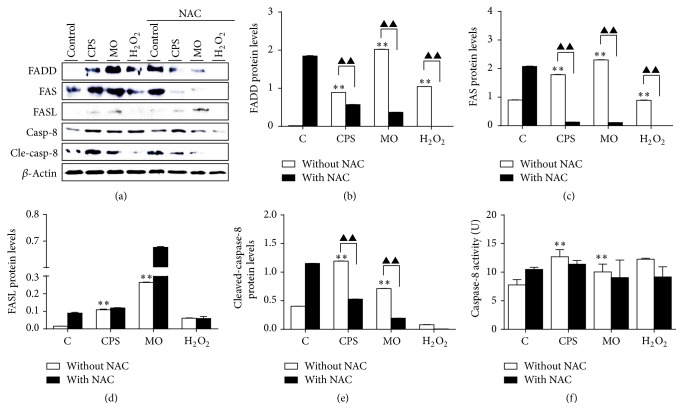
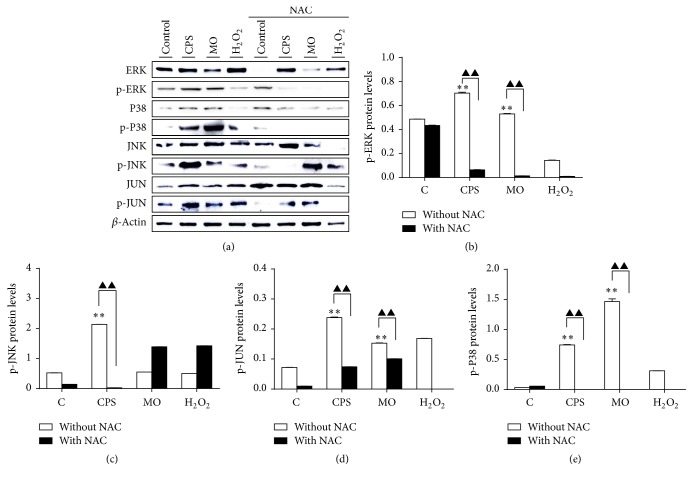
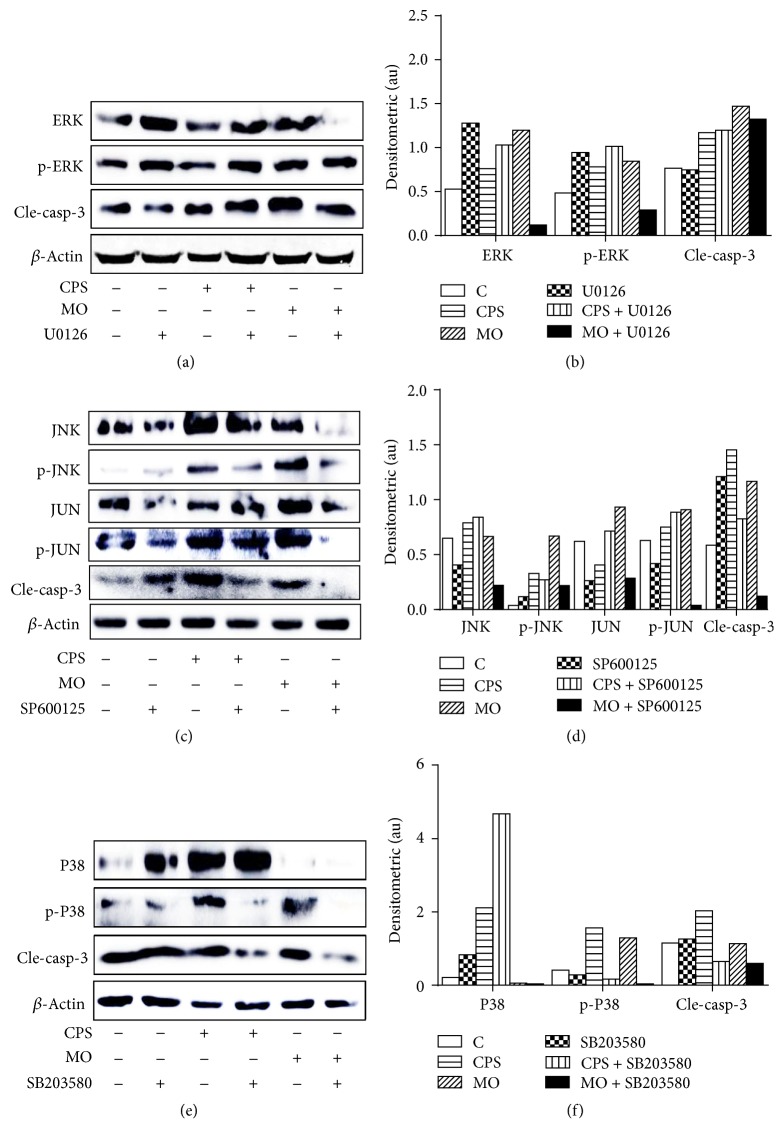
In an attempt to better understand the pathogen-host interaction between invading () and sheep airway epithelial cells, biological effects and possible molecular mechanism of capsular polysaccharide of (CPS) in the induction of cell apoptosis were explored using sheep bronchial epithelial cells cultured in air-liquid interface (ALI). The CPS of was first isolated and purified. Results showed that CPS had a cytotoxic effect by disrupting the integrity of mitochondrial membrane, accompanied with an increase of reactive oxygen species and decrease of mitochondrial membrane potential (ΔΨ). Of importance, the CPS exhibited an ability to induce caspase-dependent cell apoptosis via both intrinsic and extrinsic apoptotic pathways. Mechanistically, the CPS induced extrinsic cell apoptosis by upregulating FAS/FASL signaling proteins and cleaved-caspase-8 and promoted a ROS-dependent intrinsic cell apoptosis by activating a JNK and p38 signaling but not ERK1/2 signaling of mitogen-activated protein kinases (MAPK) pathways. These findings provide the first evidence that CPS of induces a caspase-dependent apoptosis via both intrinsic and extrinsic apoptotic pathways in sheep bronchial epithelial cells, which may be mainly attributed by a ROS-dependent JNK and p38 MAPK signaling pathways.
为了更好地理解侵袭性()与绵羊气道上皮细胞之间的病原体 - 宿主相互作用,利用气液界面(ALI)培养的绵羊支气管上皮细胞,探讨了()荚膜多糖(CPS)诱导细胞凋亡的生物学效应及可能的分子机制。首先对()的CPS进行了分离和纯化。结果表明,CPS通过破坏线粒体膜的完整性产生细胞毒性作用,伴随着活性氧的增加和线粒体膜电位(ΔΨ)的降低。重要的是,CPS通过内在和外在凋亡途径表现出诱导半胱天冬酶依赖性细胞凋亡的能力。机制上,CPS通过上调FAS/FASL信号蛋白和裂解的半胱天冬酶 - 8诱导外在细胞凋亡,并通过激活丝裂原活化蛋白激酶(MAPK)途径的JNK和p38信号而非ERK1/2信号促进依赖于活性氧的内在细胞凋亡。这些发现提供了首个证据,即()的CPS通过内在和外在凋亡途径在绵羊支气管上皮细胞中诱导半胱天冬酶依赖性凋亡,这可能主要归因于依赖于活性氧的JNK和p38 MAPK信号通路。