Linden Rafael
Laboratory of Neurogenesis, Institute of Biophysics, Federal University of Rio de Janeiro Rio de Janeiro, Brazil.
Front Mol Neurosci. 2017 Mar 20;10:77. doi: 10.3389/fnmol.2017.00077. eCollection 2017.
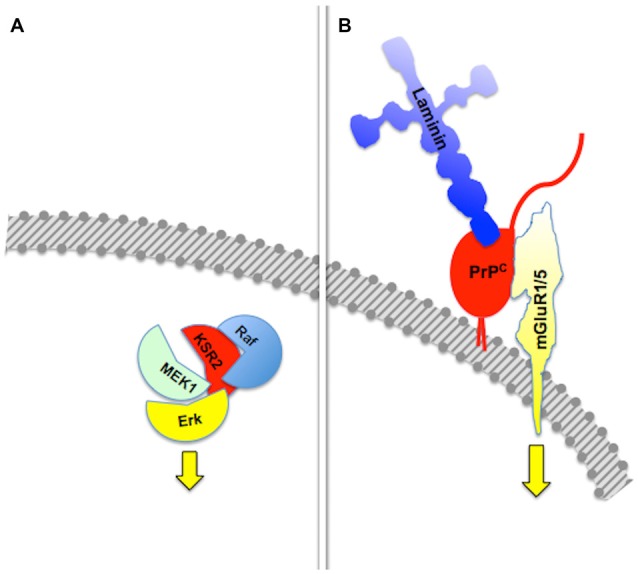
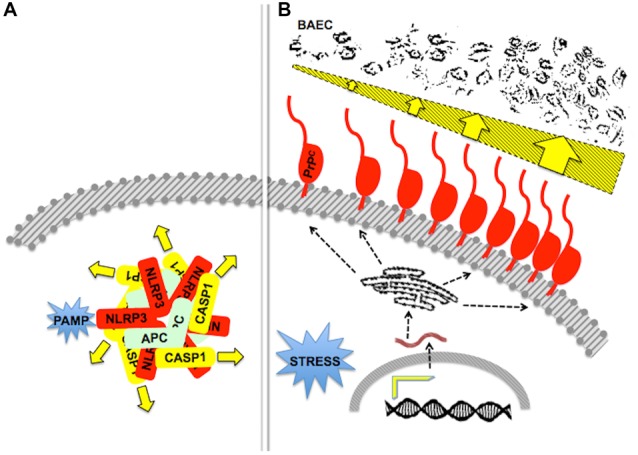
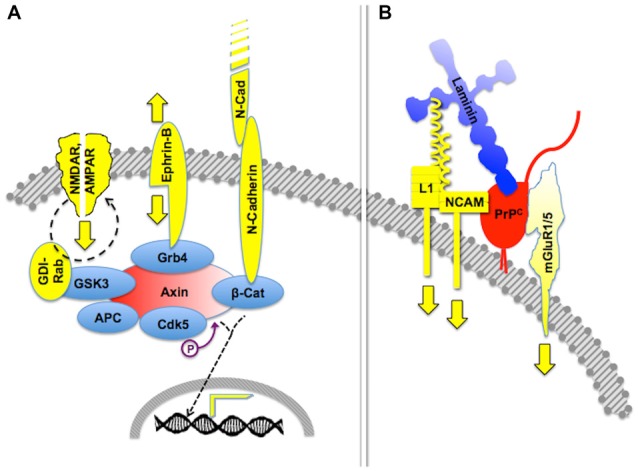
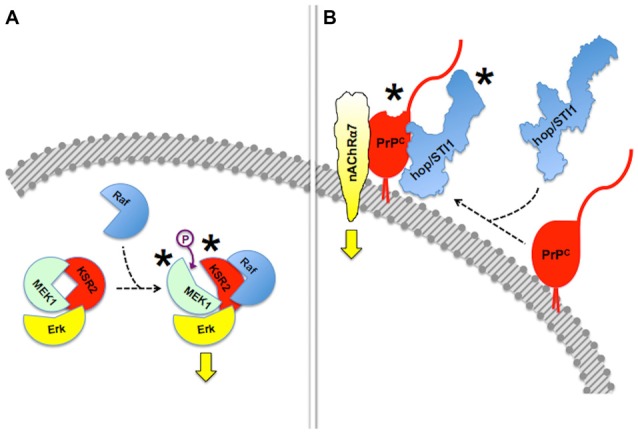
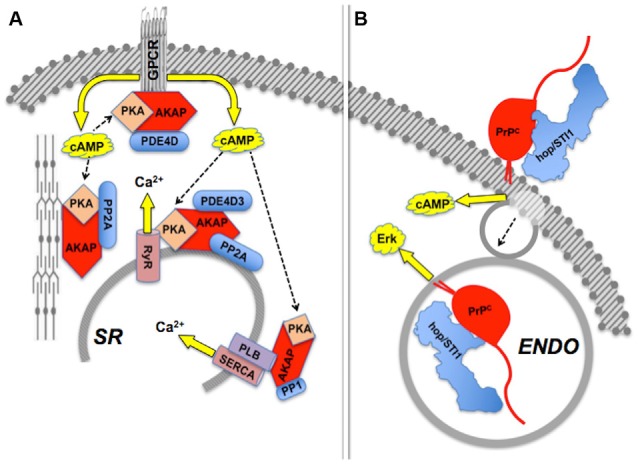
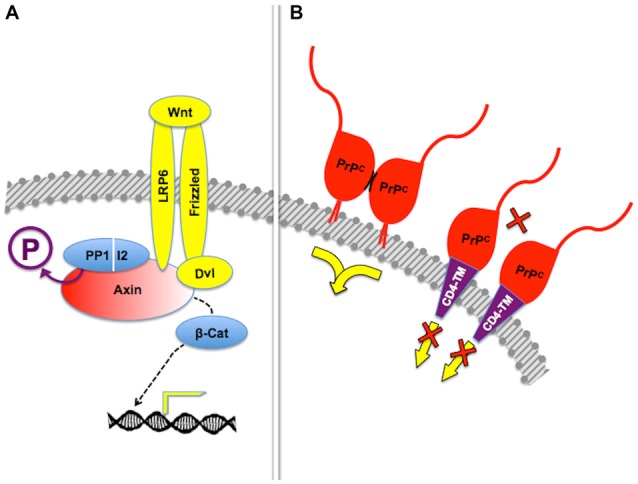
The prion glycoprotein (PrP) is mostly located at the cell surface, tethered to the plasma membrane through a glycosyl-phosphatydil inositol (GPI) anchor. Misfolding of PrP is associated with the transmissible spongiform encephalopathies (TSEs), whereas its normal conformer serves as a receptor for oligomers of the β-amyloid peptide, which play a major role in the pathogenesis of Alzheimer's Disease (AD). PrP is highly expressed in both the nervous and immune systems, as well as in other organs, but its functions are controversial. Extensive experimental work disclosed multiple physiological roles of PrP at the molecular, cellular and systemic levels, affecting the homeostasis of copper, neuroprotection, stem cell renewal and memory mechanisms, among others. Often each such process has been heralded as the bona fide function of PrP, despite restricted attention paid to a selected phenotypic trait, associated with either modulation of gene expression or to the engagement of PrP with a single ligand. In contrast, the GPI-anchored prion protein was shown to bind several extracellular and transmembrane ligands, which are required to endow that protein with the ability to play various roles in transmembrane signal transduction. In addition, differing sets of those ligands are available in cell type- and context-dependent scenarios. To account for such properties, we proposed that PrP serves as a dynamic platform for the assembly of signaling modules at the cell surface, with widespread consequences for both physiology and behavior. The current review advances the hypothesis that the biological function of the prion protein is that of a cell surface scaffold protein, based on the striking similarities of its functional properties with those of scaffold proteins involved in the organization of intracellular signal transduction pathways. Those properties are: the ability to recruit spatially restricted sets of binding molecules involved in specific signaling; mediation of the crosstalk of signaling pathways; reciprocal allosteric regulation with binding partners; compartmentalized responses; dependence of signaling properties upon posttranslational modification; and stoichiometric requirements and/or oligomerization-dependent impact on signaling. The scaffold concept may contribute to novel approaches to the development of effective treatments to hitherto incurable neurodegenerative diseases, through informed modulation of prion protein-ligand interactions.
朊病毒糖蛋白(PrP)主要位于细胞表面,通过糖基磷脂酰肌醇(GPI)锚定在质膜上。PrP的错误折叠与传染性海绵状脑病(TSEs)有关,而其正常构象则作为β-淀粉样肽寡聚体的受体,β-淀粉样肽寡聚体在阿尔茨海默病(AD)的发病机制中起主要作用。PrP在神经系统和免疫系统以及其他器官中均有高表达,但其功能仍存在争议。大量实验工作揭示了PrP在分子、细胞和系统水平上的多种生理作用,包括影响铜的稳态、神经保护、干细胞更新和记忆机制等。尽管通常只关注与基因表达调控或PrP与单一配体结合相关的特定表型特征,但每个这样的过程往往都被视为PrP的真正功能。相反,已证明GPI锚定的朊病毒蛋白可结合多种细胞外和跨膜配体,这些配体赋予该蛋白在跨膜信号转导中发挥各种作用的能力。此外,在细胞类型和环境依赖的情况下,这些配体的不同组合是可用的。为了解释这些特性,我们提出PrP作为细胞表面信号模块组装的动态平台,对生理和行为都有广泛影响。本综述提出了一个假说,即朊病毒蛋白的生物学功能是作为一种细胞表面支架蛋白,这是基于其功能特性与参与细胞内信号转导途径组织的支架蛋白的惊人相似性。这些特性包括:招募参与特定信号传导的空间受限的结合分子集的能力;信号通路间串扰的介导;与结合伙伴的相互变构调节;分区反应;信号特性对翻译后修饰的依赖性;以及化学计量要求和/或寡聚化对信号传导的依赖性影响。支架概念可能有助于通过明智地调节朊病毒蛋白-配体相互作用,为开发治疗迄今无法治愈的神经退行性疾病的有效方法提供新途径。