Hossler Patrick, Chumsae Christopher, Racicot Christopher, Ouellette David, Ibraghimov Alexander, Serna Daniel, Mora Alessandro, McDermott Sean, Labkovsky Boris, Scesney Susanne, Grinnell Christine, Preston Gregory, Bose Sahana, Carrillo Ralf
a Process Sciences, AbbVie Bioresearch Center , Worcester , MA , USA.
b Preclinical Safety, AbbVie Bioresearch Center , Worcester , MA , USA.
MAbs. 2017 May/Jun;9(4):715-734. doi: 10.1080/19420862.2017.1294295. Epub 2017 Feb 17.
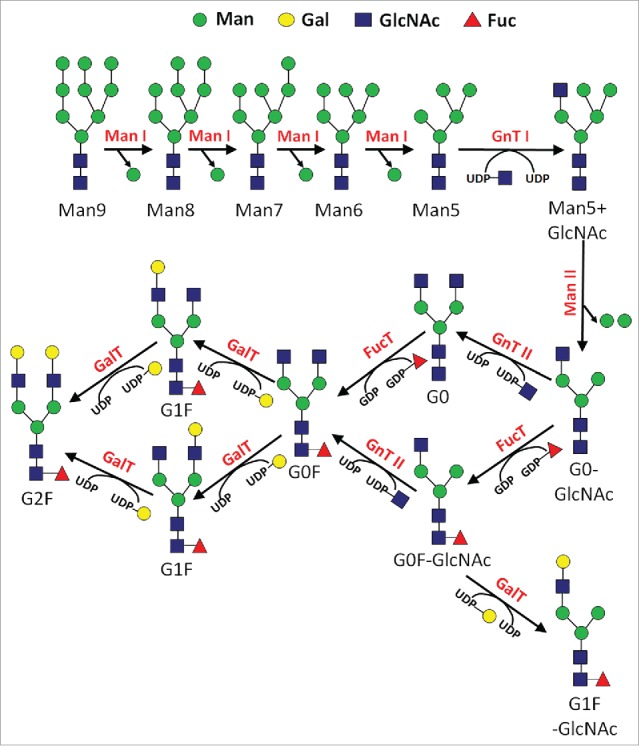
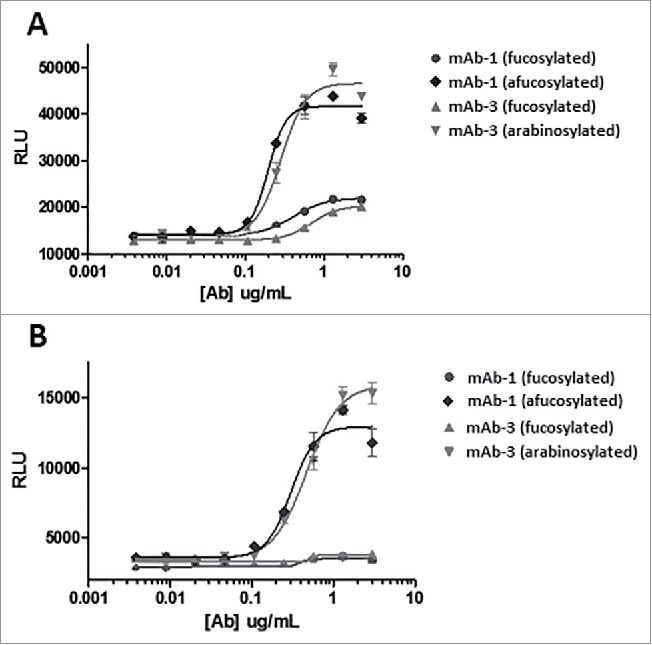
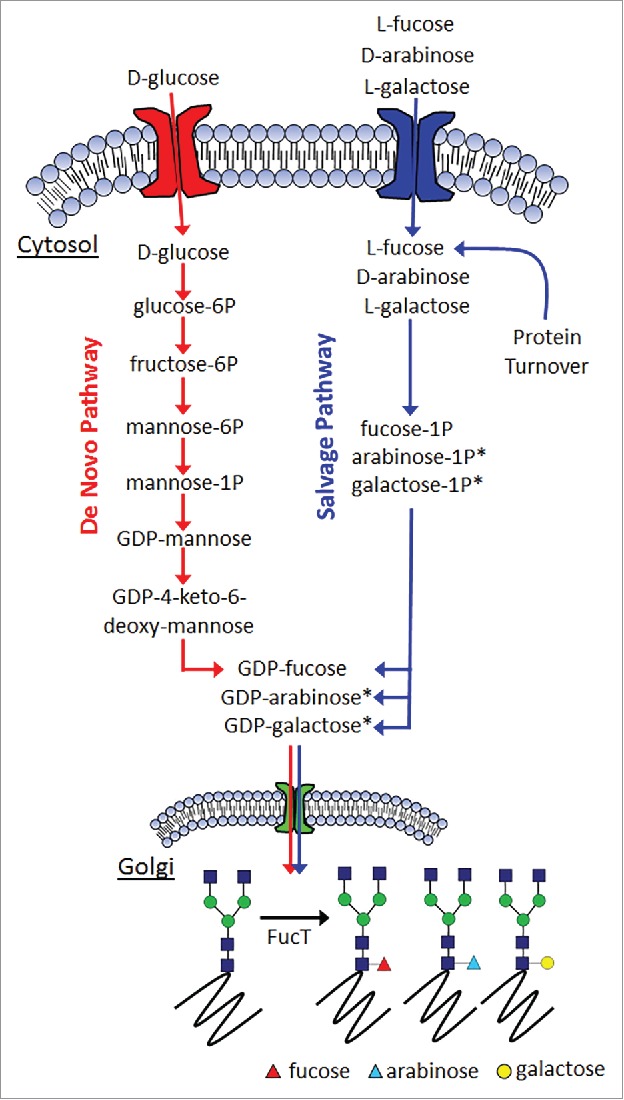
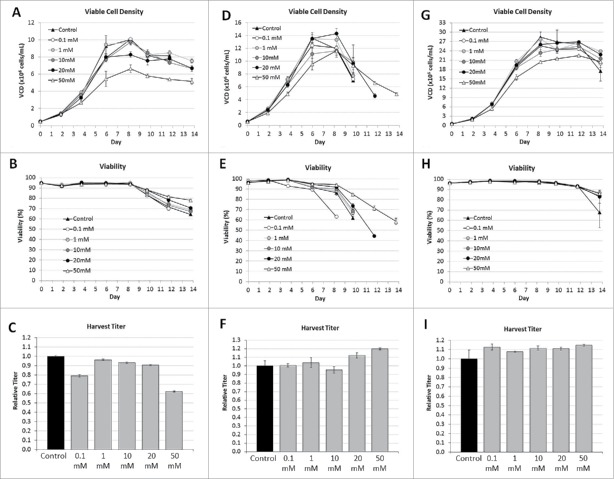
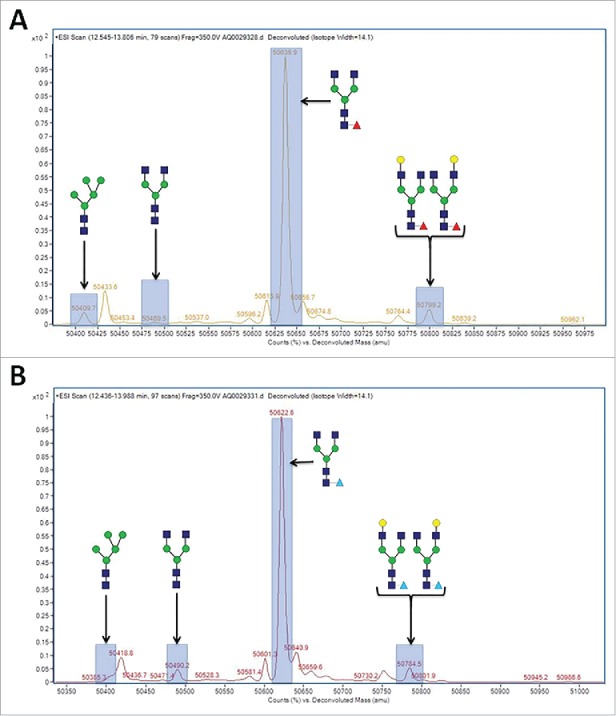
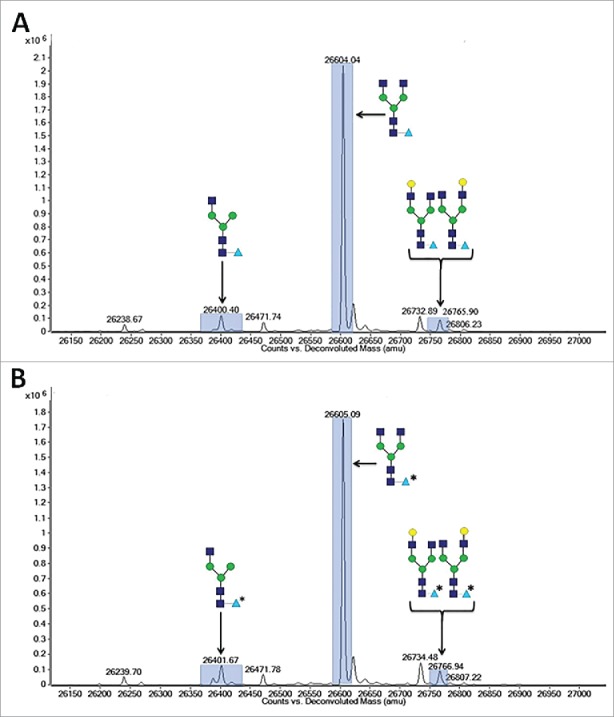
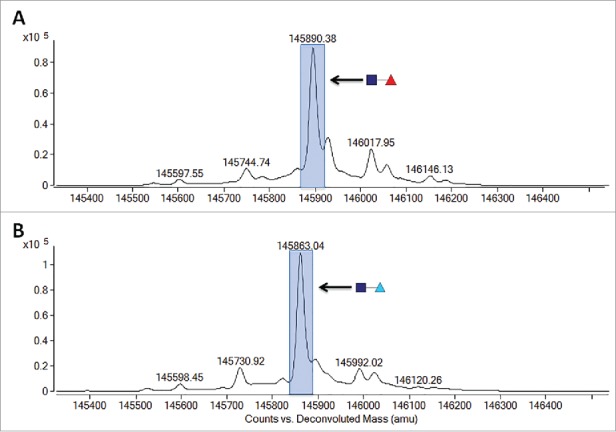
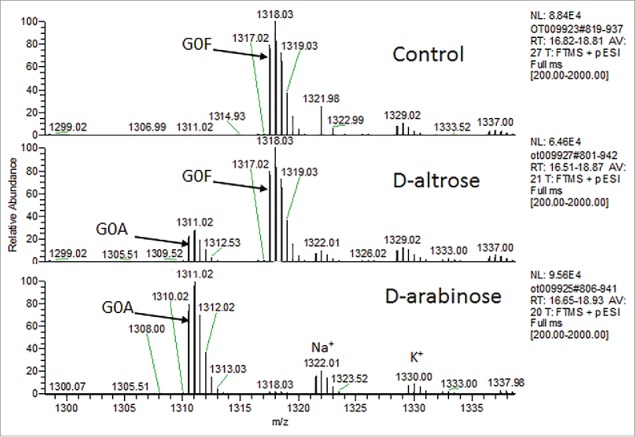
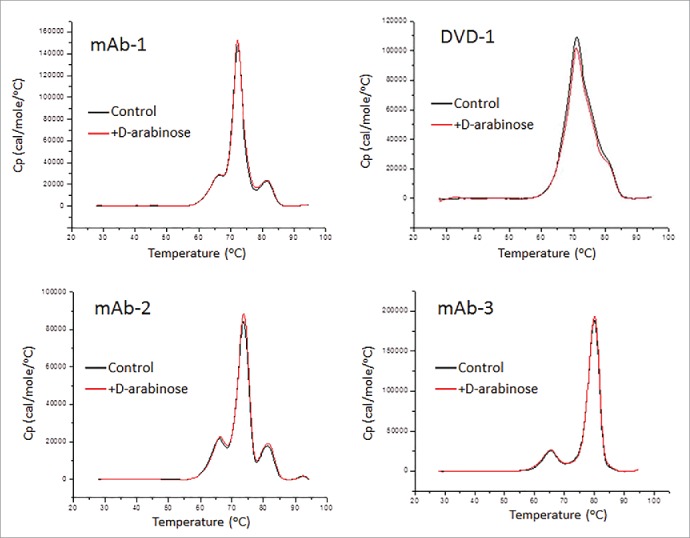
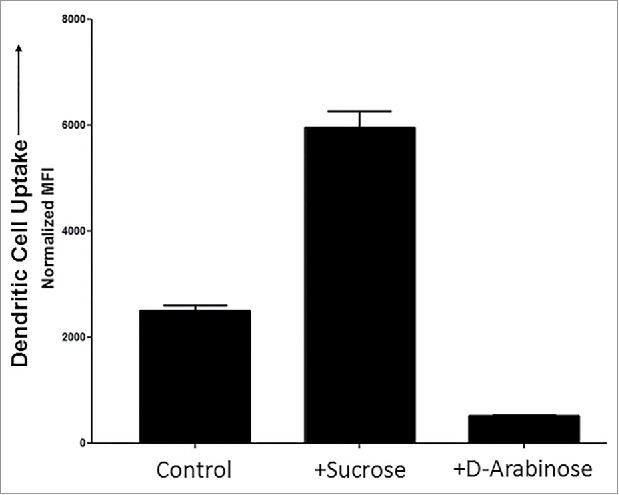
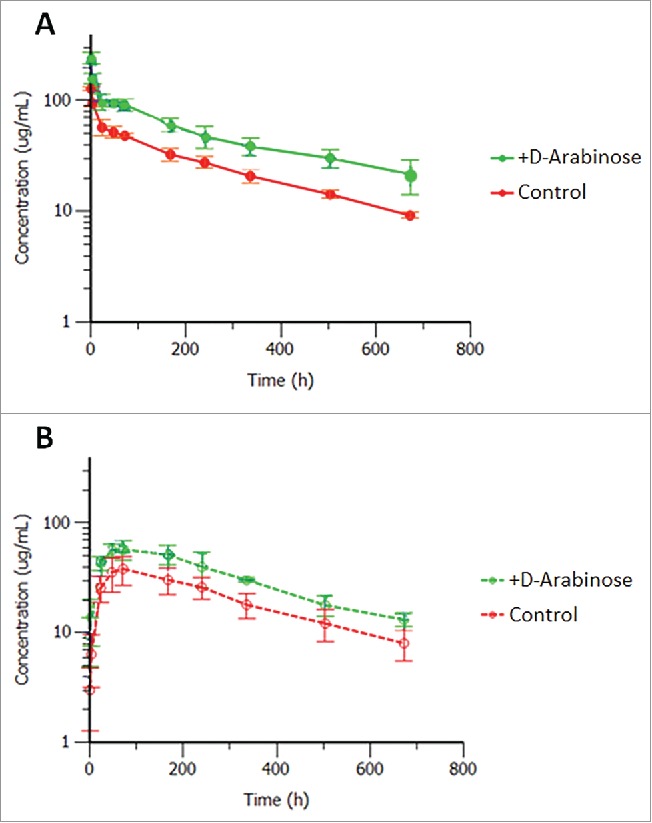
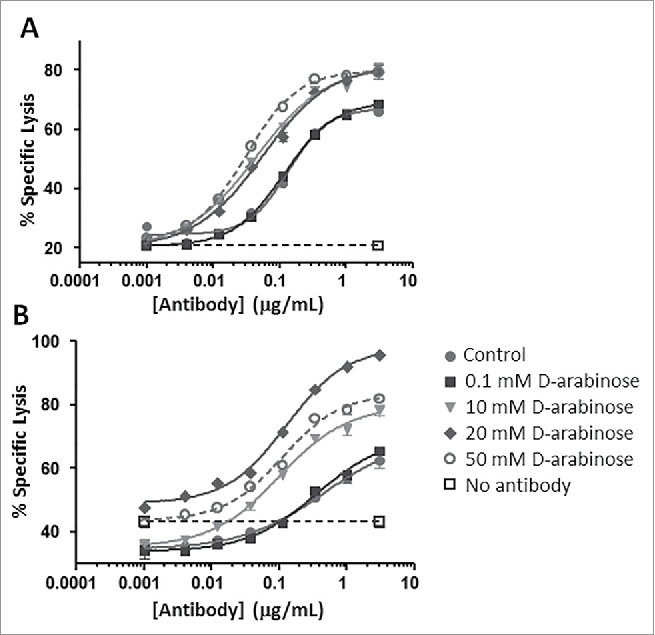
Protein glycosylation is arguably the paramount post-translational modification on recombinant glycoproteins, and highly cited in the literature for affecting the physiochemical properties and the efficacy of recombinant glycoprotein therapeutics. Glycosylation of human immunoglobulins follows a reasonably well-understood metabolic pathway, which gives rise to a diverse range of asparagine-linked (N-linked), or serine/threonine-linked (O-linked) glycans. In N-linked glycans, fucose levels have been shown to have an inverse relationship with the degree of antibody-dependent cell-mediated cytotoxicity, and high mannose levels have been implicated in potentially increasing immunogenicity and contributing to less favorable pharmacokinetic profiles. Here, we demonstrate a novel approach to potentially reduce the presence of high-mannose species in recombinant human immunoglobulin preparations, as well as facilitate an approximate 100% replacement of fucosylation with arabinosylation in Chinese hamster ovary cell culture through media supplementation with D-arabinose, an uncommonly used mammalian cell culture sugar substrate. The replacement of fucose with arabinose was very effective and practical to implement, since no cell line engineering or cellular adaptation strategies were required. Arabinosylated recombinant IgGs and the accompanying reduction in high mannose glycans, facilitated a reduction in dendritic cell uptake, increased FcγRIIIa signaling, and significantly increased the levels of ADCC. These aforementioned effects were without any adverse changes to various structural or functional attributes of multiple recombinant human antibodies and a bispecific DVD-Ig. Protein arabinosylation represents an expansion of the N-glycan code in mammalian expressed glycoproteins.
蛋白质糖基化可以说是重组糖蛋白最重要的翻译后修饰,在文献中被大量引用,因为它会影响重组糖蛋白治疗药物的物理化学性质和疗效。人免疫球蛋白的糖基化遵循一条相当为人所熟知的代谢途径,会产生多种天冬酰胺连接(N连接)或丝氨酸/苏氨酸连接(O连接)聚糖。在N连接聚糖中,岩藻糖水平已被证明与抗体依赖性细胞介导的细胞毒性程度呈负相关,而高甘露糖水平则可能增加免疫原性,并导致不太理想的药代动力学特征。在此,我们展示了一种新方法,有可能减少重组人免疫球蛋白制剂中高甘露糖种类的存在,并通过在中华仓鼠卵巢细胞培养中添加D -阿拉伯糖(一种不常用的哺乳动物细胞培养糖底物),促进岩藻糖基化被阿拉伯糖基化近似100%的替代。用阿拉伯糖替代岩藻糖实施起来非常有效且实用,因为无需细胞系工程或细胞适应策略。阿拉伯糖基化的重组IgG以及随之而来的高甘露糖聚糖减少,促进了树突状细胞摄取的减少、FcγRIIIa信号传导的增加,并显著提高了ADCC水平。上述这些效应并未对多种重组人抗体和双特异性DVD - Ig的各种结构或功能属性产生任何不利变化。蛋白质阿拉伯糖基化代表了哺乳动物表达的糖蛋白中N -聚糖编码的扩展。