Loto Flavia, Coyle Janelle F, Padgett Kaylie A, Pagliai Fernando A, Gardner Christopher L, Lorca Graciela L, Gonzalez Claudio F
Department of Microbiology and Cell Science, Genetics Institute, Institute of Food and Agricultural Sciences, University of Florida, 2033 Mowry road, PO Box 103610, Gainesville, FL 32610-3610, USA.
PROIMI Planta Piloto de Procesos Industriales Microbiológicos, CONICET, Tucumán, Argentina.
Microb Biotechnol. 2017 May;10(3):642-656. doi: 10.1111/1751-7915.12706. Epub 2017 Apr 5.
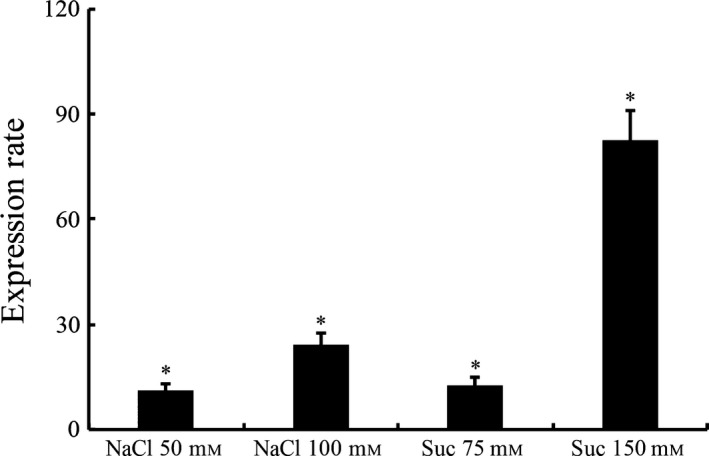
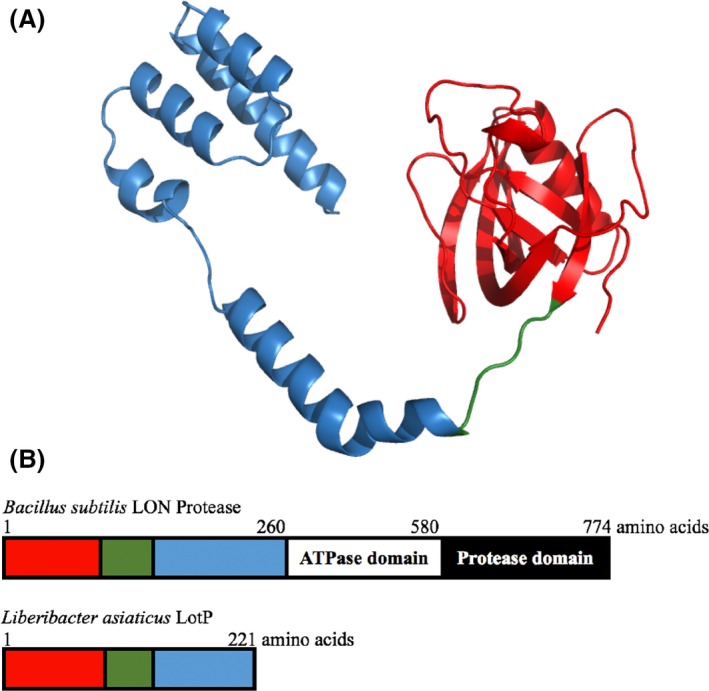
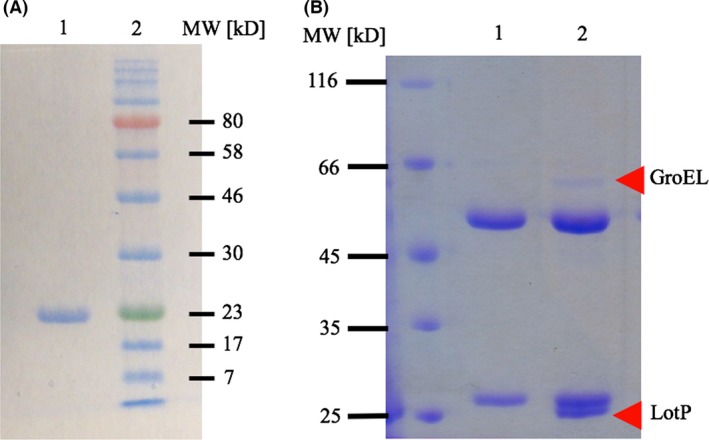
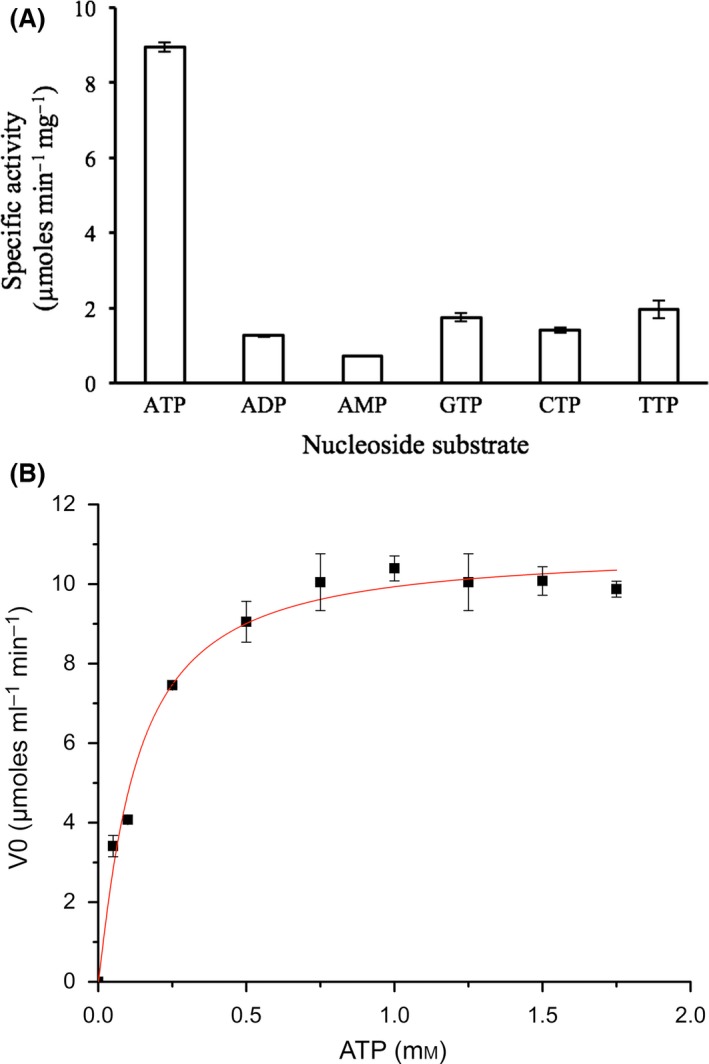
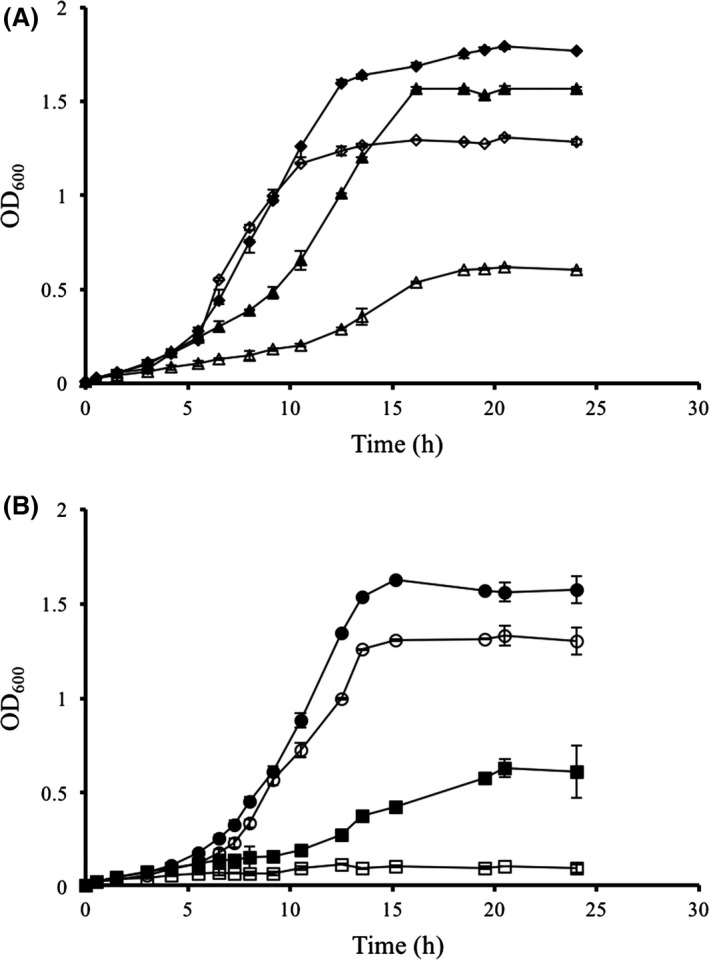
Liberibacter asiaticus is an unculturable parasitic bacterium of the alphaproteobacteria group hosted by both citrus plants and a psyllid insect vector (Diaphorina citri). In the citrus tree, the bacteria thrive only inside the phloem, causing a systemically incurable and deadly plant disease named citrus greening or Huanglongbing. Currently, all commercial citrus cultivars in production are susceptible to L. asiaticus, representing a serious threat to the citrus industry worldwide. The technical inability to isolate and culture L. asiaticus has hindered progress in understanding the biology of this bacterium directly. Consequently, a deep understanding of the biological pathways involved in the regulation of host-pathogen interactions becomes critical to rationally design future and necessary strategies of control. In this work, we used surrogate strains to evaluate the biochemical characteristics and biological significance of CLIBASIA_03135. This gene, highly induced during early stages of plant infection, encodes a 23 kDa protein and was renamed in this work as LotP. This protein belongs to an uncharacterized family of proteins with an overall structure resembling the LON protease N-terminus. Co-immunoprecipitation assays allowed us to identify the Liberibacter chaperonin GroEL as the main LotP-interacting protein. The specific interaction between LotP and GroEL was reconstructed and confirmed using a two-hybrid system in Escherichia coli. Furthermore, it was demonstrated that LotP has a native molecular weight of 44 kDa, corresponding to a dimer in solution with ATPase activity in vitro. In Liberibacter crescens, LotP is strongly induced in response to conditions with high osmolarity but repressed at high temperatures. Electrophoretic mobility shift assay (EMSA) results suggest that LotP is a member of the LdtR regulon and could play an important role in tolerance to osmotic stress.
亚洲韧皮杆菌是一种不可培养的寄生细菌,属于变形菌门α-变形菌纲,可寄生于柑橘类植物和一种木虱昆虫载体(柑橘木虱)。在柑橘树中,这种细菌仅在韧皮部内大量繁殖,引发一种系统性不可治愈的致命植物病害,即柑橘黄龙病。目前,所有正在生产的商业柑橘品种都易受亚洲韧皮杆菌感染,这对全球柑橘产业构成了严重威胁。由于无法分离和培养亚洲韧皮杆菌,直接了解这种细菌生物学特性的研究进展受阻。因此,深入了解宿主-病原体相互作用调控所涉及的生物学途径对于合理设计未来必要的防治策略至关重要。在这项研究中,我们使用替代菌株评估了CLIBASIA_03135的生化特性和生物学意义。该基因在植物感染早期高度诱导表达,编码一种23 kDa的蛋白质,在本研究中重新命名为LotP。这种蛋白质属于一个未被表征的蛋白质家族,其整体结构类似于LON蛋白酶的N端。免疫共沉淀实验使我们能够鉴定出伴侣蛋白GroEL是与LotP相互作用的主要蛋白。LotP与GroEL之间的特异性相互作用在大肠杆菌中通过双杂交系统得以重建和确认。此外,研究表明LotP的天然分子量为44 kDa,对应于溶液中的二聚体,具有体外ATP酶活性。在新月形韧皮杆菌中,LotP在高渗透压条件下强烈诱导表达,但在高温下受到抑制。电泳迁移率变动分析(EMSA)结果表明LotP是LdtR调控子的成员,可能在渗透胁迫耐受性中发挥重要作用。