Centre for Biomolecular Interactions Bremen, University of Bremen, Germany.
Hubrecht Institute-KNAW (Royal Netherlands Academy of Arts and Sciences) and University Medical Center Utrecht, Cancer Genomics Netherlands, Utrecht, The Netherlands.
Sci Rep. 2017 Apr 5;7:45319. doi: 10.1038/srep45319.
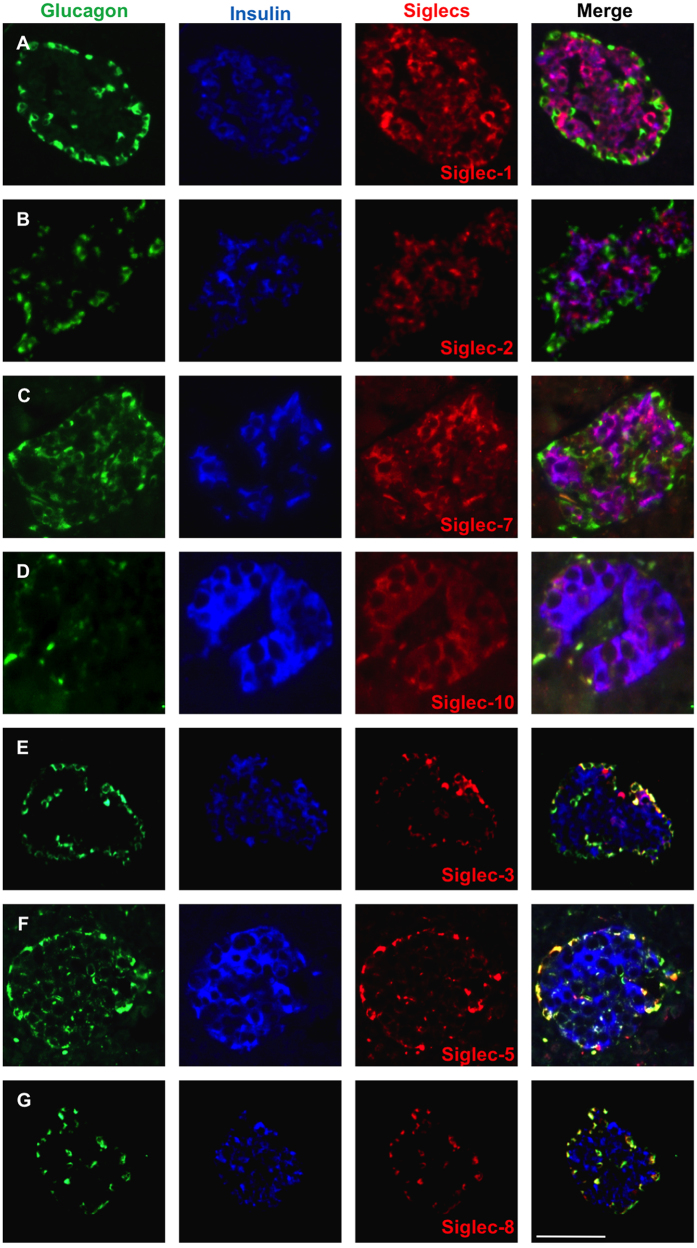
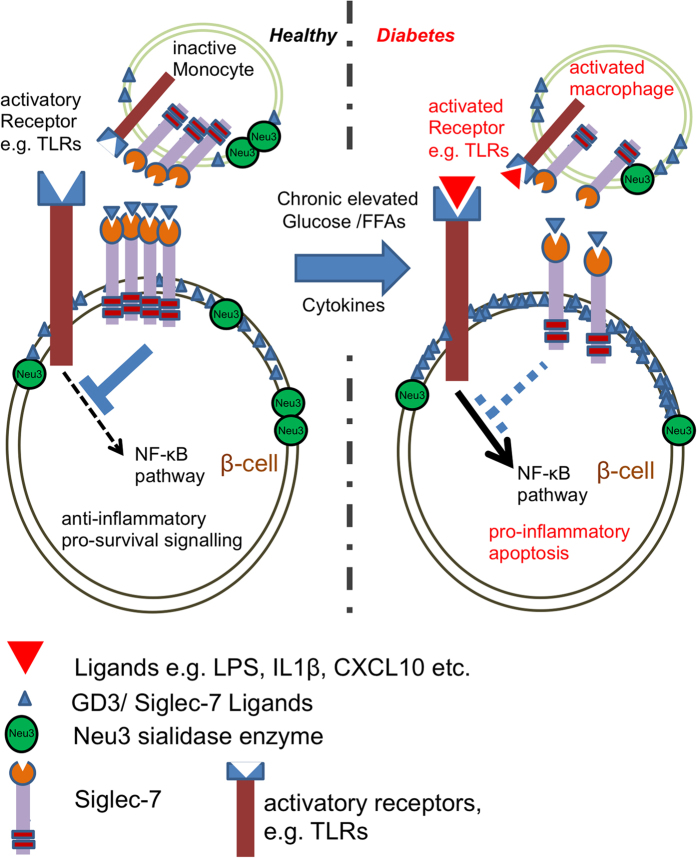
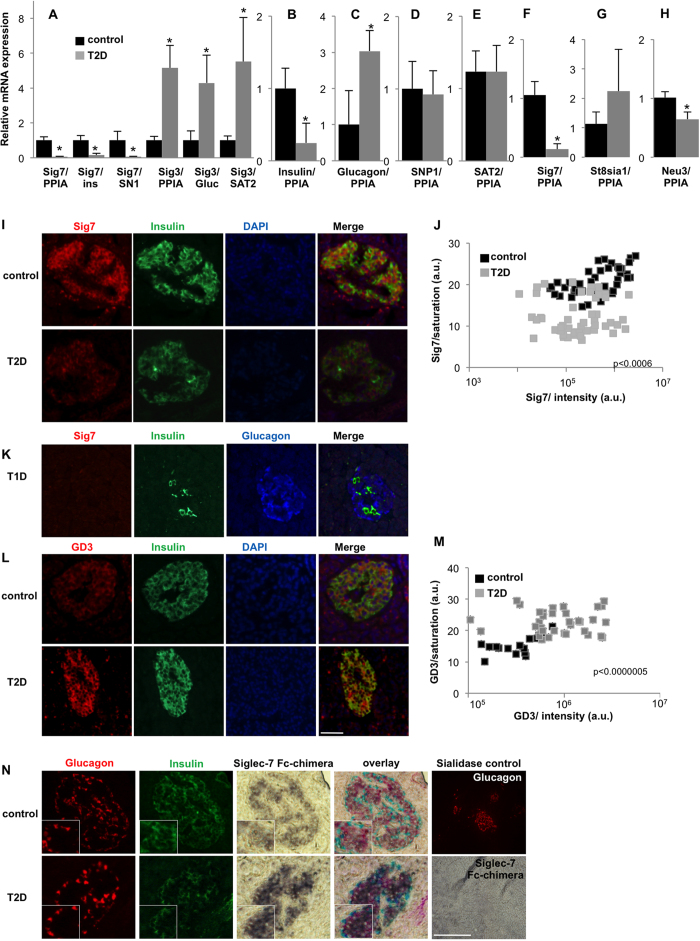
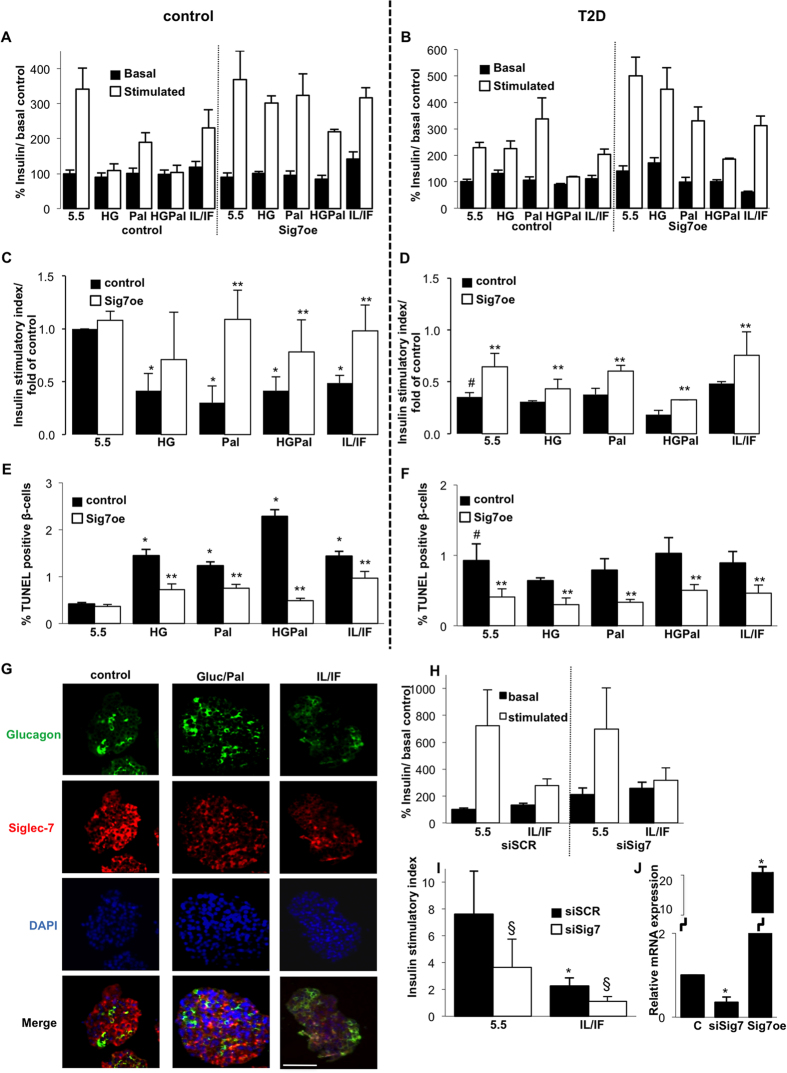
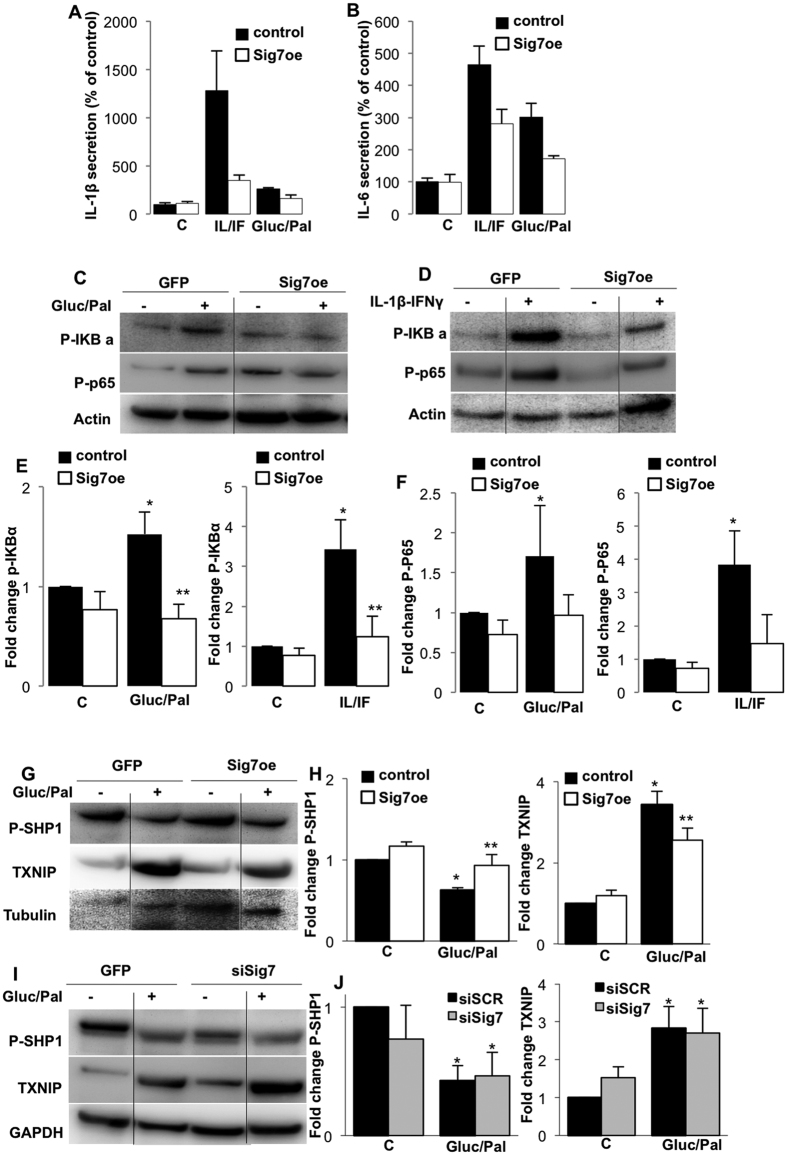
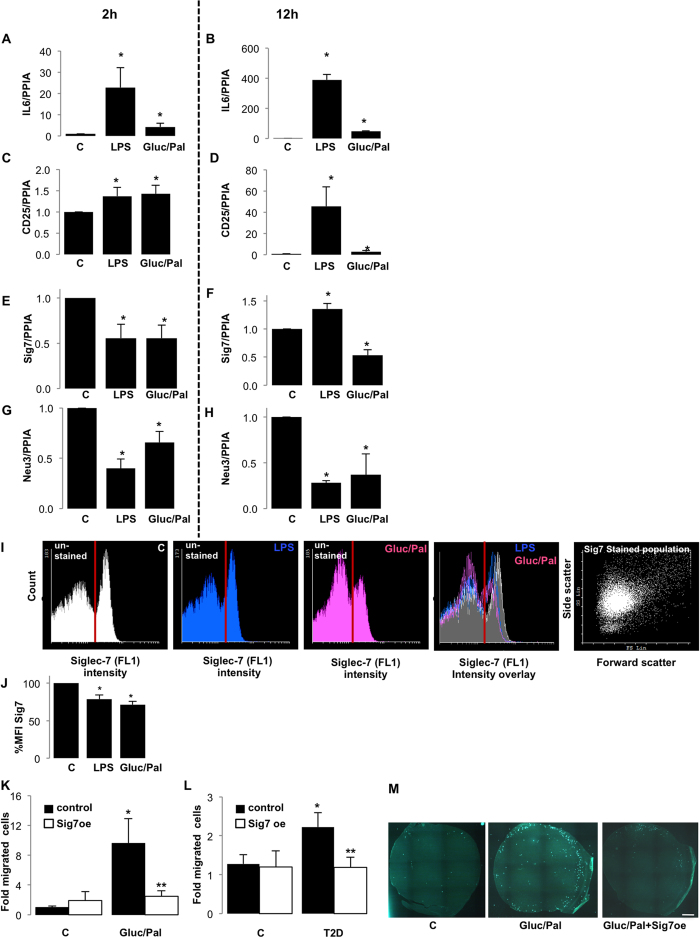
Chronic inflammation plays a key role in both type 1 and type 2 diabetes. Cytokine and chemokine production within the islets in a diabetic milieu results in β-cell failure and diabetes progression. Identification of targets, which both prevent macrophage activation and infiltration into islets and restore β-cell functionality is essential for effective diabetes therapy. We report that certain Sialic-acid-binding immunoglobulin-like-lectins (siglecs) are expressed in human pancreatic islets in a cell-type specific manner. Siglec-7 was expressed on β-cells and down-regulated in type 1 and type 2 diabetes and in infiltrating activated immune cells. Over-expression of Siglec-7 in diabetic islets reduced cytokines, prevented β-cell dysfunction and apoptosis and reduced recruiting of migrating monocytes. Our data suggest that restoration of human Siglec-7 expression may be a novel therapeutic strategy targeted to both inhibition of immune activation and preservation of β-cell function and survival.
慢性炎症在 1 型和 2 型糖尿病中都起着关键作用。在糖尿病环境中,胰岛内细胞因子和趋化因子的产生导致β细胞衰竭和糖尿病进展。确定既能防止巨噬细胞活化和浸润胰岛,又能恢复β细胞功能的靶点,对于有效的糖尿病治疗至关重要。我们报告说,某些唾液酸结合免疫球蛋白样凝集素(Siglecs)以细胞类型特异性的方式在人胰腺胰岛中表达。Siglec-7 在β细胞上表达,并在 1 型和 2 型糖尿病以及浸润的活化免疫细胞中下调。在糖尿病胰岛中过表达 Siglec-7 可减少细胞因子,防止β细胞功能障碍和细胞凋亡,并减少迁移单核细胞的募集。我们的数据表明,恢复人 Siglec-7 的表达可能是一种新的治疗策略,靶向于抑制免疫激活和保护β细胞功能和存活。