Li Pira Giuseppina, Di Cecca Stefano, Biagini Simone, Girolami Elia, Cicchetti Elisabetta, Bertaina Valentina, Quintarelli Concetta, Caruana Ignazio, Lucarelli Barbarella, Merli Pietro, Pagliara Daria, Brescia Letizia Pomponia, Bertaina Alice, Montanari Mauro, Locatelli Franco
Department of Pediatric Hematology and Oncology, IRCCS Bambino Gesù Children's Hospital , Rome , Italy.
Department of Pediatric Hematology and Oncology, IRCCS Bambino Gesù Children's Hospital, Rome, Italy; Department of "Medicina Clinica e Chirurgia", University of Naples Federico II, Naples, Italy.
Front Immunol. 2017 Mar 23;8:332. doi: 10.3389/fimmu.2017.00332. eCollection 2017.
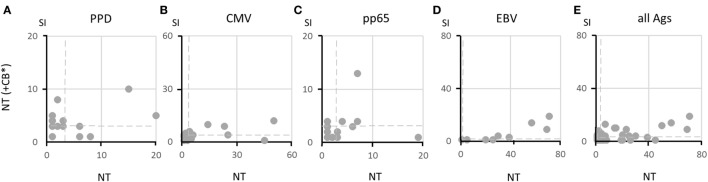
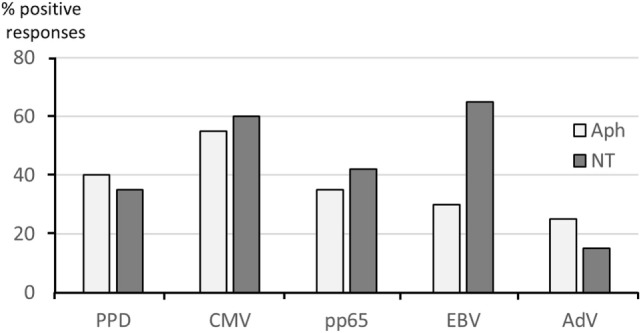
Hematopoietic stem cell transplantation is standard therapy for numerous hematological diseases. The use of haploidentical donors, sharing half of the HLA alleles with the recipient, has facilitated the use of this procedure as patients can rely on availability of a haploidentical donor within their family. Since HLA disparity increases the risk of graft-versus-host disease, T-cell depletion has been used to remove alloreactive lymphocytes from the graft. Selective removal of αβ T cells, which encompass the alloreactive repertoire, combined with removal of B cells to prevent EBV-related lymphoproliferative disease, proved safe and effective in clinical studies. Depleted αβ T cells and B cells are generally discarded as by-products. Considering the possible use of donor T cells for donor lymphocyte infusions or for generation of pathogen-specific T cells as mediators of graft-versus-infection effect, we tested whether cells in the discarded fractions were functionally intact. Response to alloantigens and to viral antigens comparable to that of unmanipulated cells indicated a functional integrity of αβ T cells, in spite of the manipulation used for their depletion. Furthermore, B cells proved to be efficient antigen-presenting cells, indicating that antigen uptake, processing, and presentation were fully preserved. Therefore, we propose that separated αβ T lymphocytes could be employed for obtaining pathogen-specific T cells, applying available methods for positive selection, which eventually leads to indirect allodepletion. In addition, these functional T cells could undergo additional manipulation, such as direct allodepletion or genetic modification.
造血干细胞移植是多种血液系统疾病的标准治疗方法。使用与受者共享一半HLA等位基因的单倍体相合供体,促进了该方法的应用,因为患者可以依靠家族中存在单倍体相合供体。由于HLA不相合会增加移植物抗宿主病的风险,因此已采用T细胞去除法从移植物中去除同种反应性淋巴细胞。在临床研究中,选择性去除包含同种反应性库的αβ T细胞,并结合去除B细胞以预防EBV相关的淋巴增殖性疾病,被证明是安全有效的。耗尽的αβ T细胞和B细胞通常作为副产品被丢弃。考虑到供体T细胞可能用于供体淋巴细胞输注或用于产生病原体特异性T细胞作为移植物抗感染效应的介质,我们测试了丢弃部分中的细胞功能是否完整。对同种抗原和病毒抗原的反应与未处理细胞相当,这表明尽管对αβ T细胞进行了去除操作,但其功能仍保持完整。此外,B细胞被证明是有效的抗原呈递细胞,表明抗原摄取、加工和呈递功能完全保留。因此,我们建议可以使用分离的αβ T淋巴细胞来获得病原体特异性T细胞,应用现有的阳性选择方法,这最终会导致间接的去同种异体反应。此外,这些功能性T细胞可以进行额外的操作,如直接去同种异体反应或基因改造。