Berlingieri M T, Portella G, Grieco M, Santoro M, Fusco A
Dipartimento di Biologia e Patologia Cellulare e Molecolare, II Facoltà di Medicina e Chirurgia, Università di Napoli, Italy.
Mol Cell Biol. 1988 May;8(5):2261-6. doi: 10.1128/mcb.8.5.2261-2266.1988.
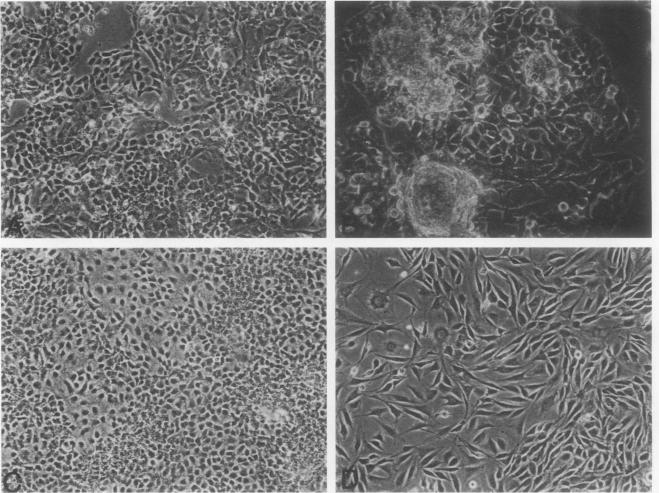
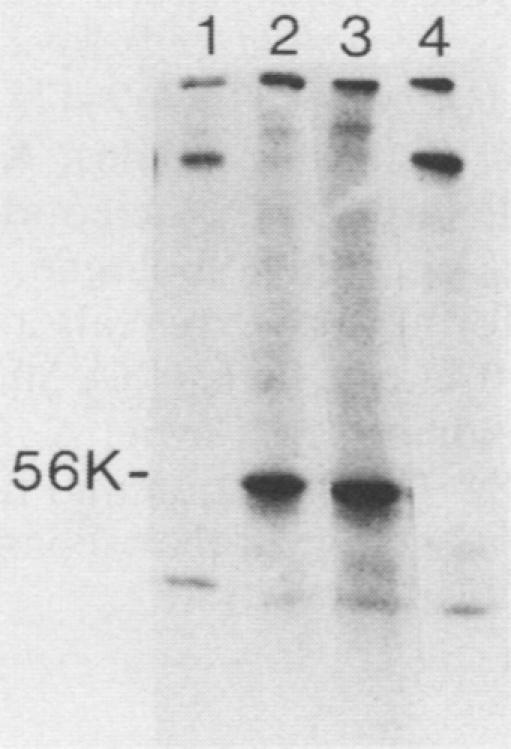
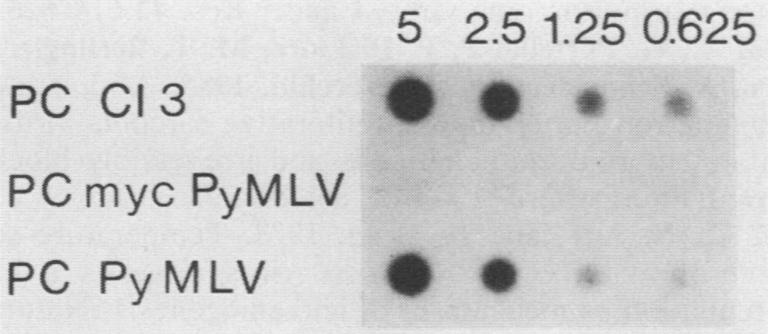
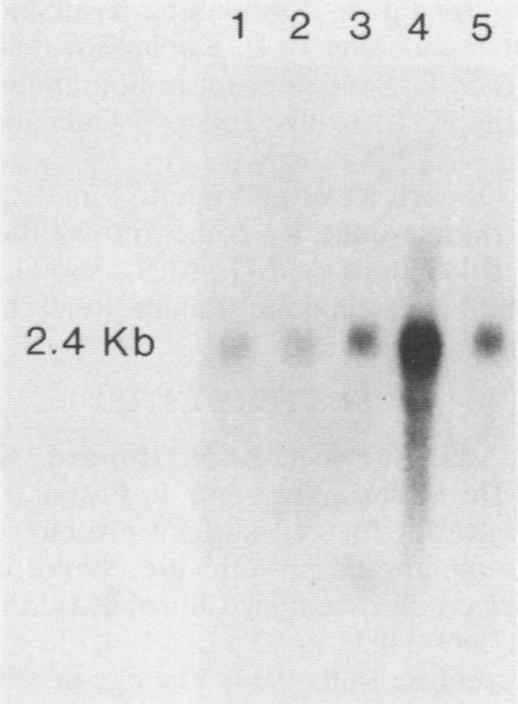
Two rat thyroid epithelial differentiated cell lines, PC Cl 3 and PC myc, were infected with the polyoma murine leukemia virus (PyMLV) carrying the Middle-T-antigen gene of polyomavirus. After infection, both cell lines acquired the typical markers of neoplastic transformation; however, the PC myc cells showed a greater malignant phenotype. Furthermore, the thyroid differentiated functions were completely suppressed in PC myc cells transformed by PyMLV, whereas they were, at least partially, retained in PC Cl 3 cells transformed by PyMLV, and in particular, thyroglobulin synthesis and secretion were not affected at all. Since no differences in the expression of the middle-T-antigen gene were observed in the two PyMLV-transformed cell lines, the different properties shown by these two infected cell lines must be ascribed to the expression of the c-myc oncogene.
两种大鼠甲状腺上皮分化细胞系,PC Cl 3和PC myc,被携带多瘤病毒中间T抗原基因的多瘤小鼠白血病病毒(PyMLV)感染。感染后,两种细胞系都获得了肿瘤转化的典型标志物;然而,PC myc细胞表现出更大的恶性表型。此外,PyMLV转化的PC myc细胞中甲状腺分化功能被完全抑制,而在PyMLV转化的PC Cl 3细胞中,该功能至少部分得以保留,特别是甲状腺球蛋白的合成和分泌完全不受影响。由于在两种PyMLV转化的细胞系中未观察到中间T抗原基因表达的差异,这两种感染细胞系所表现出的不同特性必定归因于c-myc癌基因的表达。