Sun Pengling, Wang Jing, Guo Xiaoli, Chen Yujiao, Xing Caihong, Gao Ai
Department of Occupational Health and Environmental Health, School of Public Health, Capital Medical University, Beijing, China.
Beijing Key Laboratory of Environmental Toxicology, Capital Medical University, Beijing, China.
Oncotarget. 2017 Jun 20;8(25):40857-40871. doi: 10.18632/oncotarget.16588.
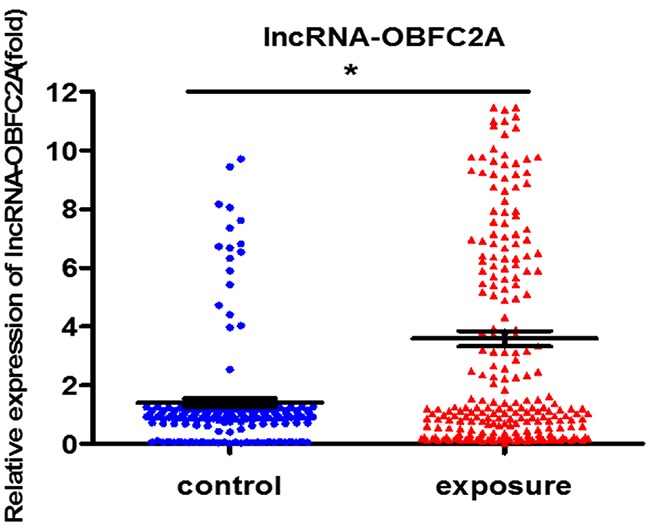
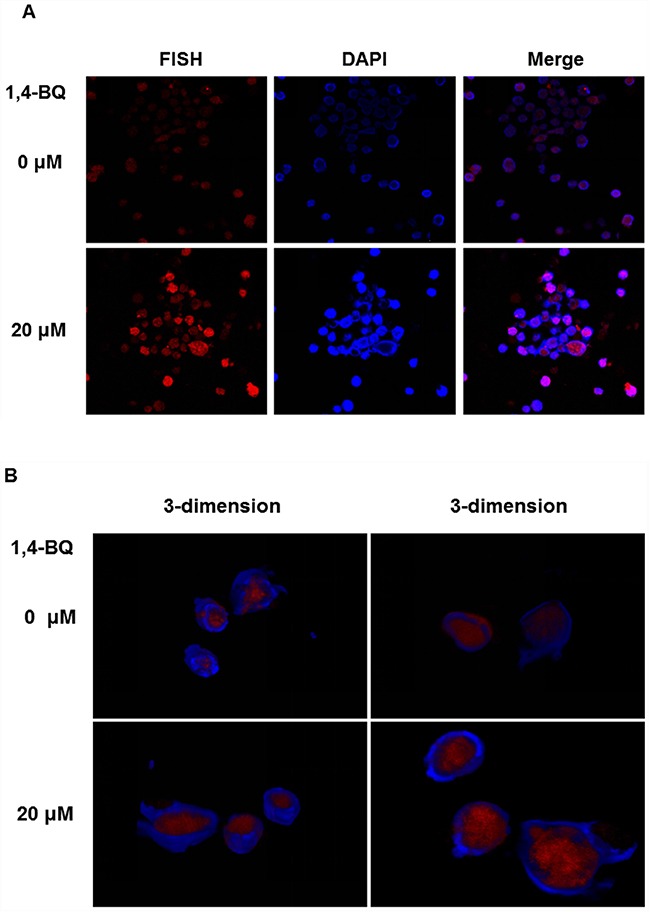
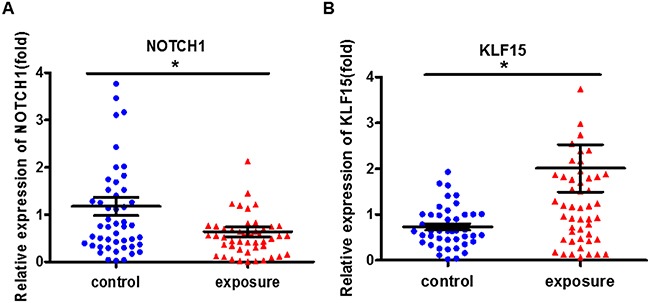
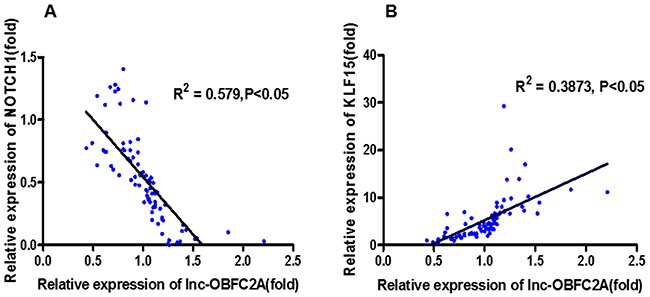
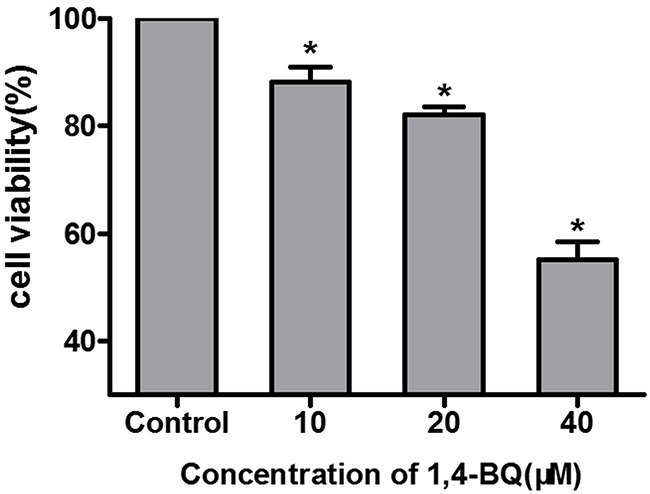
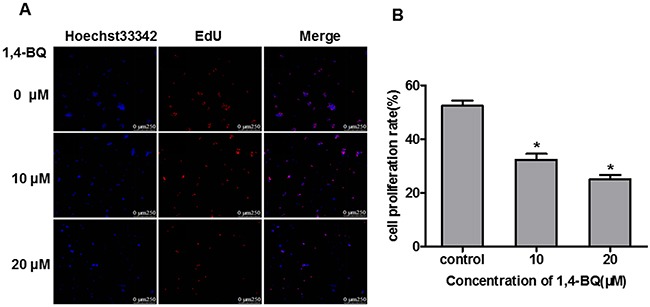
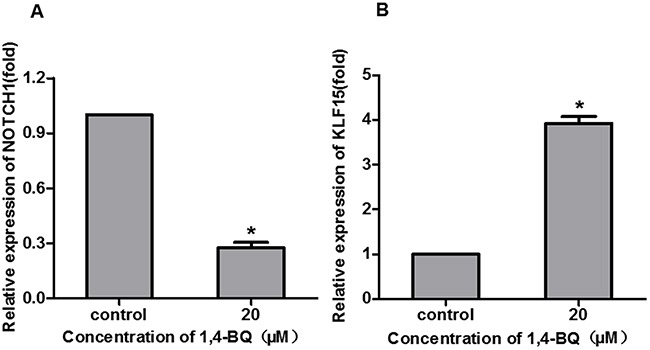
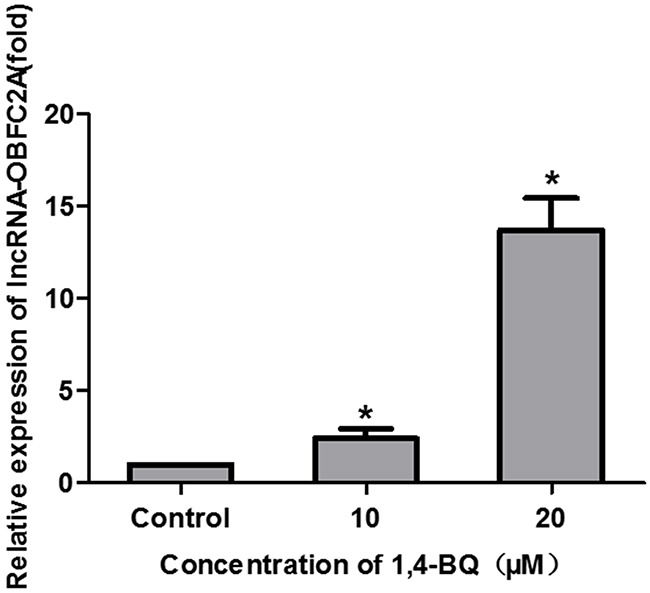
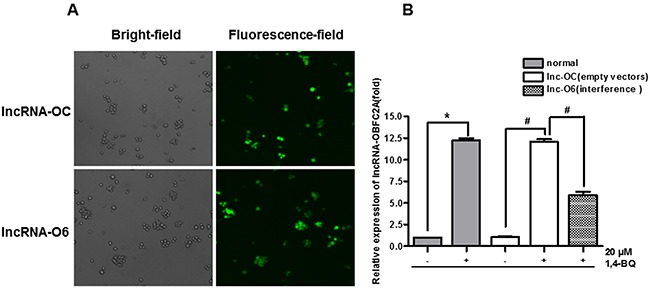
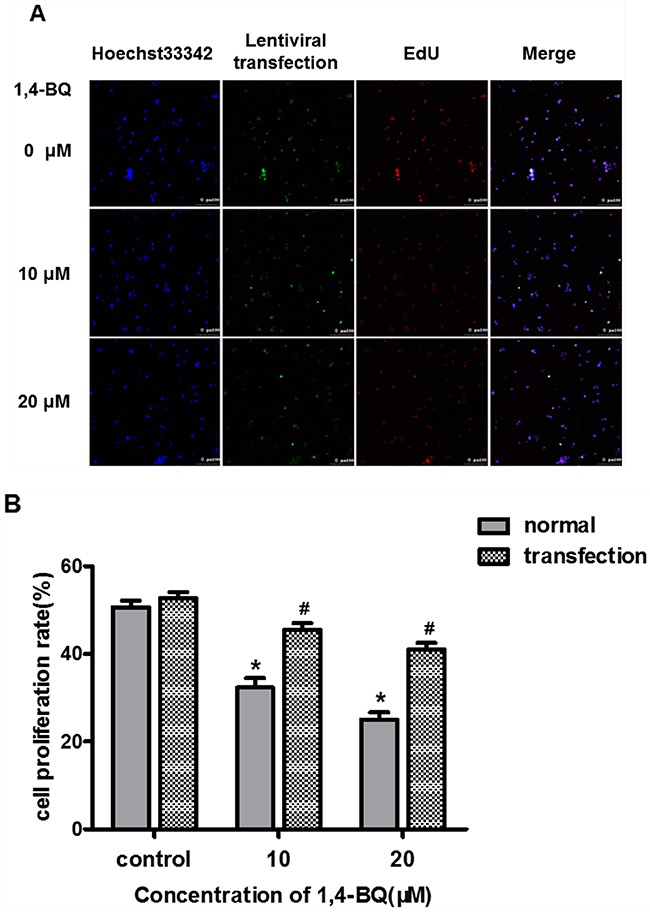
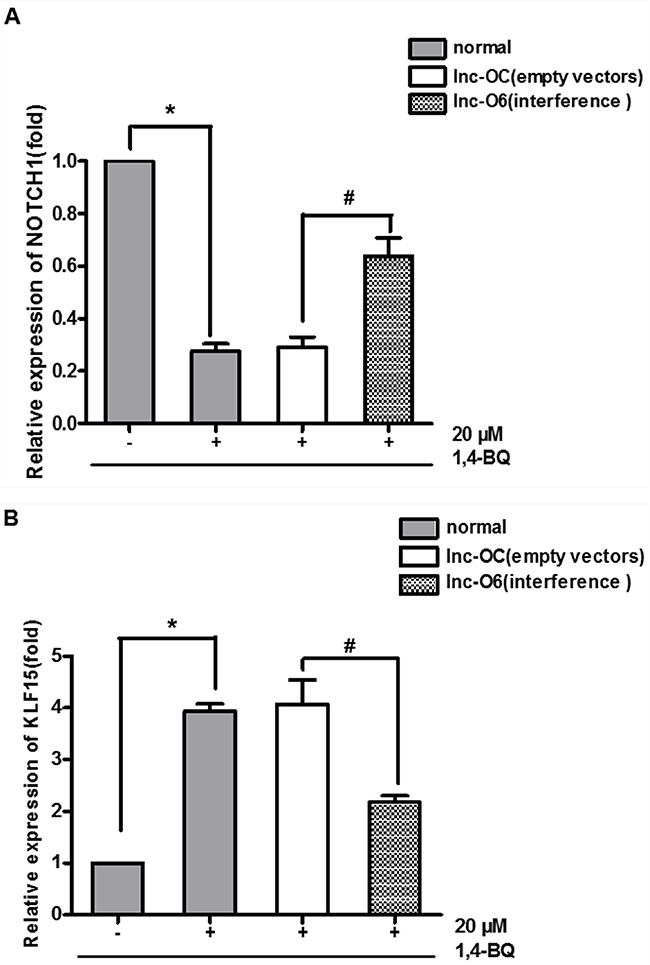
LncRNA has been considered to play a crucial role in the progression of several diseases by affecting cell proliferation. However, its role in benzene toxicity remains unclear. Our study showed that the expression of lncRNA-OBFC2A increased accompanied with the change of cell proliferation related-genes in benzene-exposed workers. In vitro experiments, 1,4-Benzoquinone dose-dependently inhibited cell proliferation and simultaneously caused the decrease of NOTCH1 expression and the increase of KLF15 in AHH-1 cell lines. Meanwhile, 1, 4-Benzoquinone obviously increased the expression of lncRNA-OBFC2A, which was consistent with our previous population results. Therefore, we propose that lncRNA-OBFC2A is involved in benzene toxicity by regulating cell proliferation. Further, we successfully constructed a lentivirus model of interfering the expression of lncRNA-OBFC2A. After interfering lncRNA-OBFC2A, the cell proliferation inhibition and the expression of NOTCH1 and KLF15 induced by 1, 4-Benzoquinone were reversed. Subsequently, RNA fluorescence in situ Hybridization assay showed that lncRNA-OBFC2A was located in cell nuclei. These results suggest that benzene and its metabolite decreases cell proliferation via LncRNA-OBFC2A-mediated anti-proliferation effect involving NOTCH1 and KLF15. LncRNA-OBFC2A can be a potential biomarker for benzene toxicity.
长链非编码RNA(LncRNA)被认为通过影响细胞增殖在多种疾病进展中起关键作用。然而,其在苯毒性中的作用仍不清楚。我们的研究表明,在接触苯的工人中,lncRNA-OBFC2A的表达随着细胞增殖相关基因的变化而增加。在体外实验中,1,4-苯醌在AHH-1细胞系中剂量依赖性地抑制细胞增殖,同时导致NOTCH1表达降低和KLF15表达增加。同时,1,4-苯醌明显增加lncRNA-OBFC2A的表达,这与我们之前的人群研究结果一致。因此,我们提出lncRNA-OBFC2A通过调节细胞增殖参与苯毒性作用。此外,我们成功构建了干扰lncRNA-OBFC2A表达的慢病毒模型。干扰lncRNA-OBFC2A后,1,4-苯醌诱导的细胞增殖抑制以及NOTCH1和KLF15的表达被逆转。随后,RNA荧光原位杂交分析表明lncRNA-OBFC2A位于细胞核中。这些结果表明,苯及其代谢产物通过LncRNA-OBFC2A介导的涉及NOTCH1和KLF15的抗增殖作用降低细胞增殖。LncRNA-OBFC2A可能成为苯毒性的潜在生物标志物。