Department of Emergency Medicine, Wayne State University School of Medicine, Detroit, MI, 48201, USA.
Cardiovascular Research Institute, Wayne State University School of Medicine, Detroit, MI, 48201, USA.
Mol Neurobiol. 2018 Mar;55(3):2547-2564. doi: 10.1007/s12035-017-0503-9. Epub 2017 Apr 11.
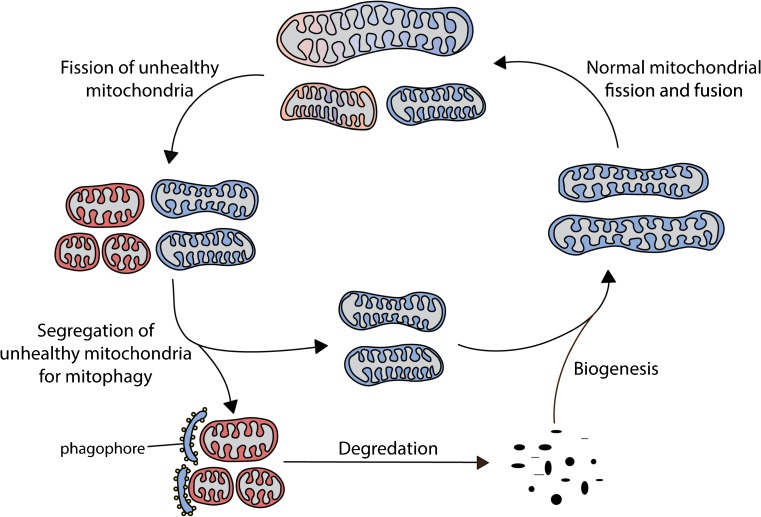
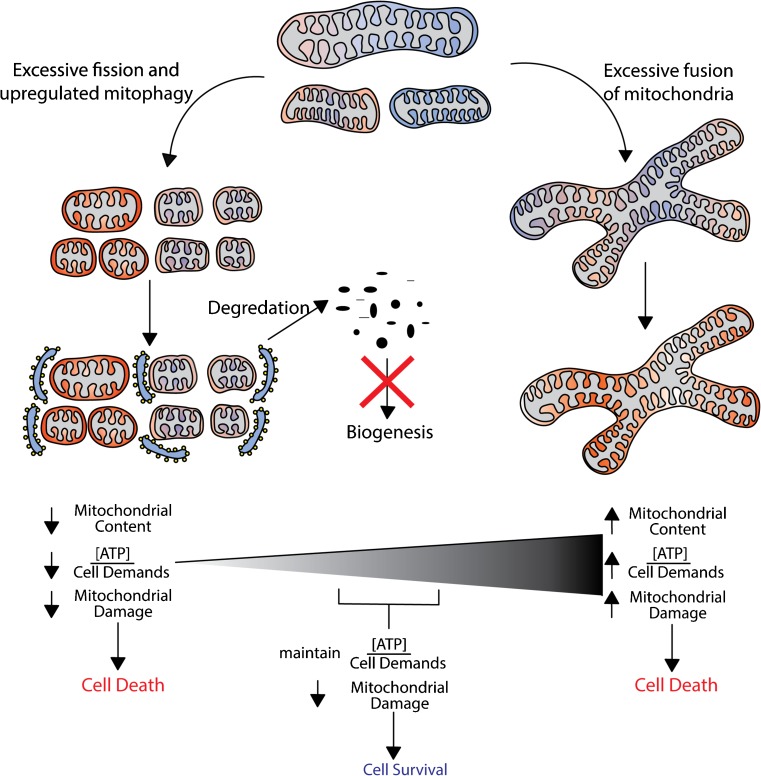
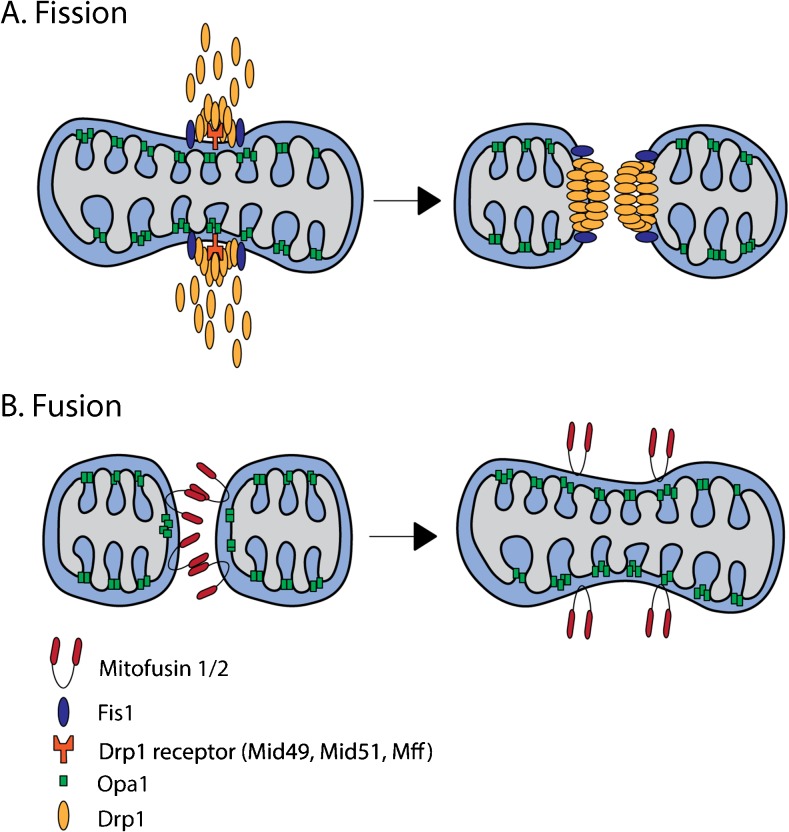
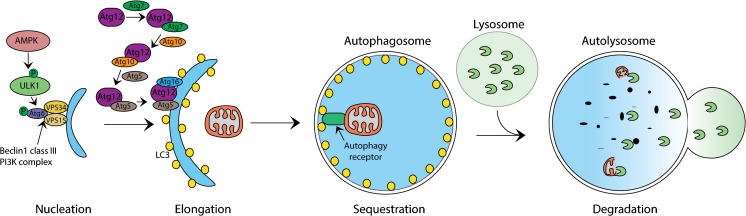
Mitochondria are key regulators of cell fate during disease. They control cell survival via the production of ATP that fuels cellular processes and, conversely, cell death via the induction of apoptosis through release of pro-apoptotic factors such as cytochrome C. Therefore, it is essential to have stringent quality control mechanisms to ensure a healthy mitochondrial network. Quality control mechanisms are largely regulated by mitochondrial dynamics and mitophagy. The processes of mitochondrial fission (division) and fusion allow for damaged mitochondria to be segregated and facilitate the equilibration of mitochondrial components such as DNA, proteins, and metabolites. The process of mitophagy are responsible for the degradation and recycling of damaged mitochondria. These mitochondrial quality control mechanisms have been well studied in chronic and acute pathologies such as Parkinson's disease, Alzheimer's disease, stroke, and acute myocardial infarction, but less is known about how these two processes interact and contribute to specific pathophysiologic states. To date, evidence for the role of mitochondrial quality control in acute and chronic disease is divergent and suggests that mitochondrial quality control processes can serve both survival and death functions depending on the disease state. This review aims to provide a synopsis of the molecular mechanisms involved in mitochondrial quality control, to summarize our current understanding of the complex role that mitochondrial quality control plays in the progression of acute vs chronic diseases and, finally, to speculate on the possibility that targeted manipulation of mitochondrial quality control mechanisms may be exploited for the rationale design of novel therapeutic interventions.
线粒体是疾病过程中细胞命运的关键调节者。它们通过产生为细胞过程提供燃料的 ATP 来控制细胞存活,相反,通过释放细胞色素 C 等促凋亡因子诱导细胞凋亡来导致细胞死亡。因此,必须有严格的质量控制机制来确保健康的线粒体网络。质量控制机制主要受线粒体动力学和线粒体自噬的调节。线粒体分裂(分裂)和融合的过程允许受损的线粒体被隔离,并促进线粒体成分(如 DNA、蛋白质和代谢物)的平衡。线粒体自噬过程负责降解和回收受损的线粒体。这些线粒体质量控制机制在慢性和急性病理学中(如帕金森病、阿尔茨海默病、中风和急性心肌梗死)得到了很好的研究,但对于这两个过程如何相互作用并导致特定的病理生理状态知之甚少。迄今为止,关于线粒体质量控制在急性和慢性疾病中的作用的证据是不一致的,并表明线粒体质量控制过程可以根据疾病状态发挥生存和死亡功能。这篇综述旨在概述参与线粒体质量控制的分子机制,总结我们目前对线粒体质量控制在急性和慢性疾病进展中所扮演的复杂角色的理解,并推测靶向操纵线粒体质量控制机制是否可能被用于合理设计新的治疗干预措施。