Trinks Julieta, Caputo Mariela, Hulaniuk María L, Corach Daniel, Flichman Diego
Basic Science and Experimental Medicine Institute (ICBME), University Institute of the Italian Hospital of Buenos Aires; Scientific and Technological National Research Council (CONICET).
Scientific and Technological National Research Council (CONICET); Servicio de Huellas Digitales Genéticas, Facultad de Farmacia y Bioquímica.
Pharmgenomics Pers Med. 2017 Mar 28;10:79-91. doi: 10.2147/PGPM.S125452. eCollection 2017.
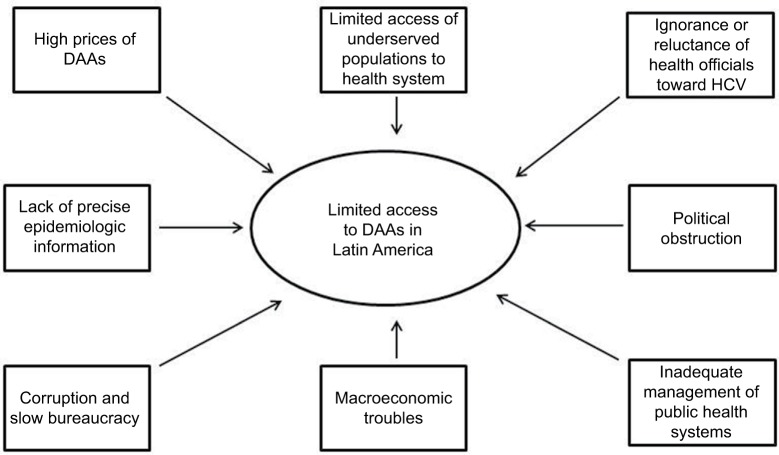
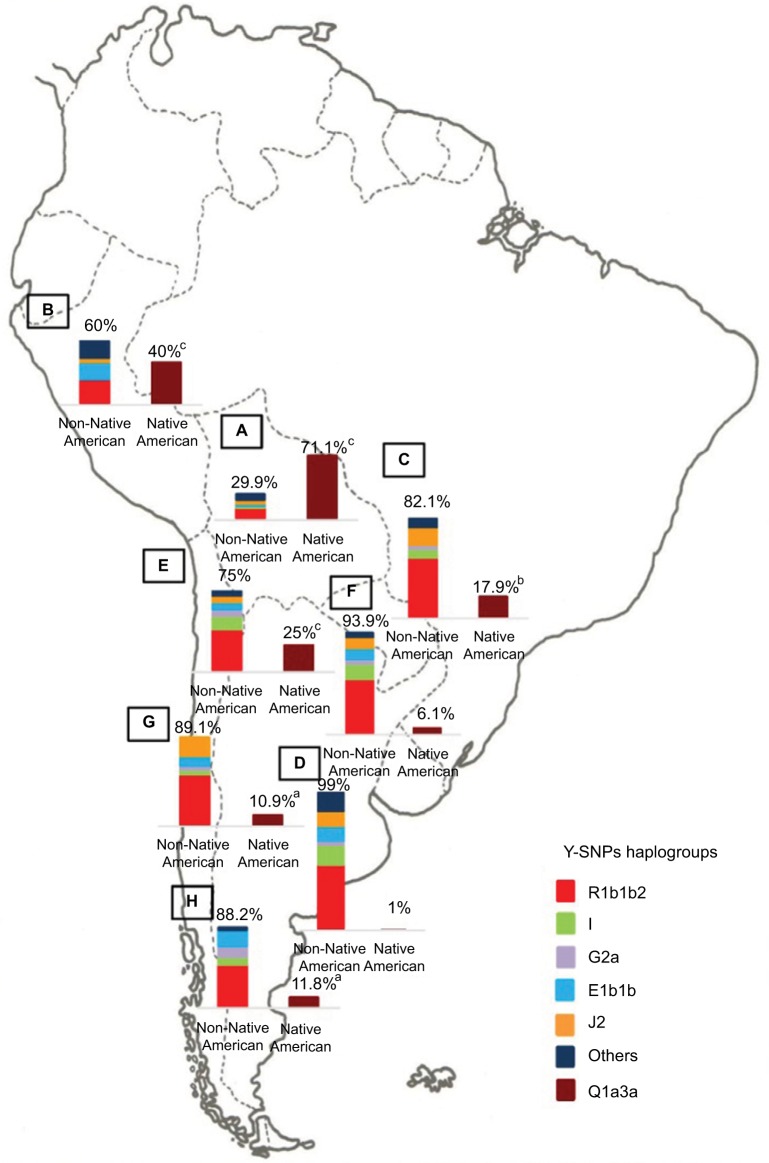
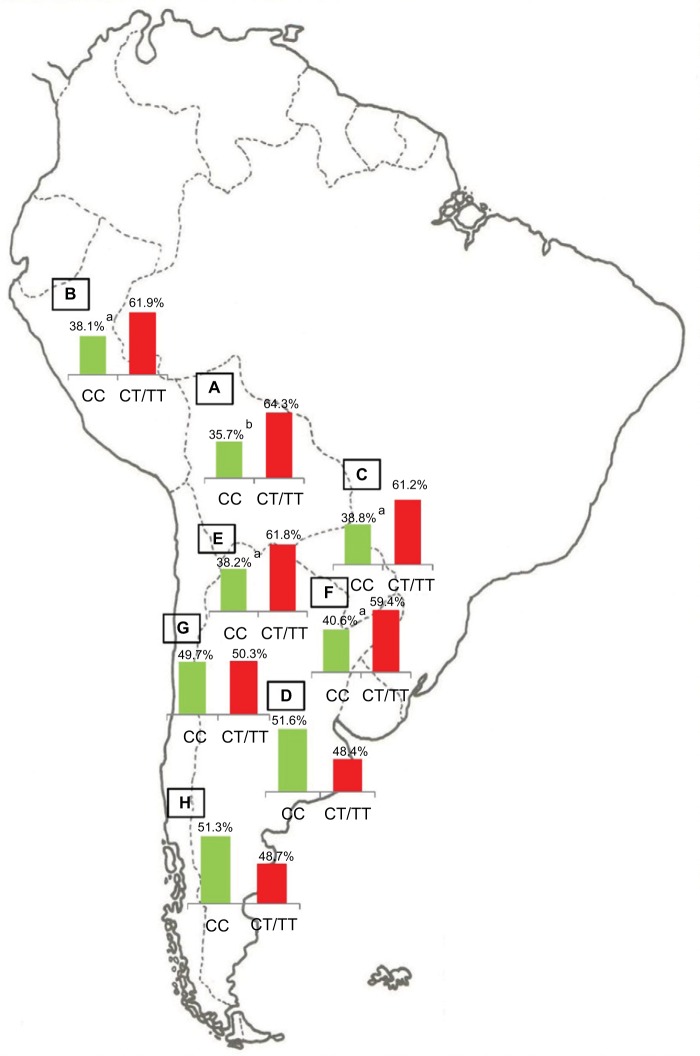
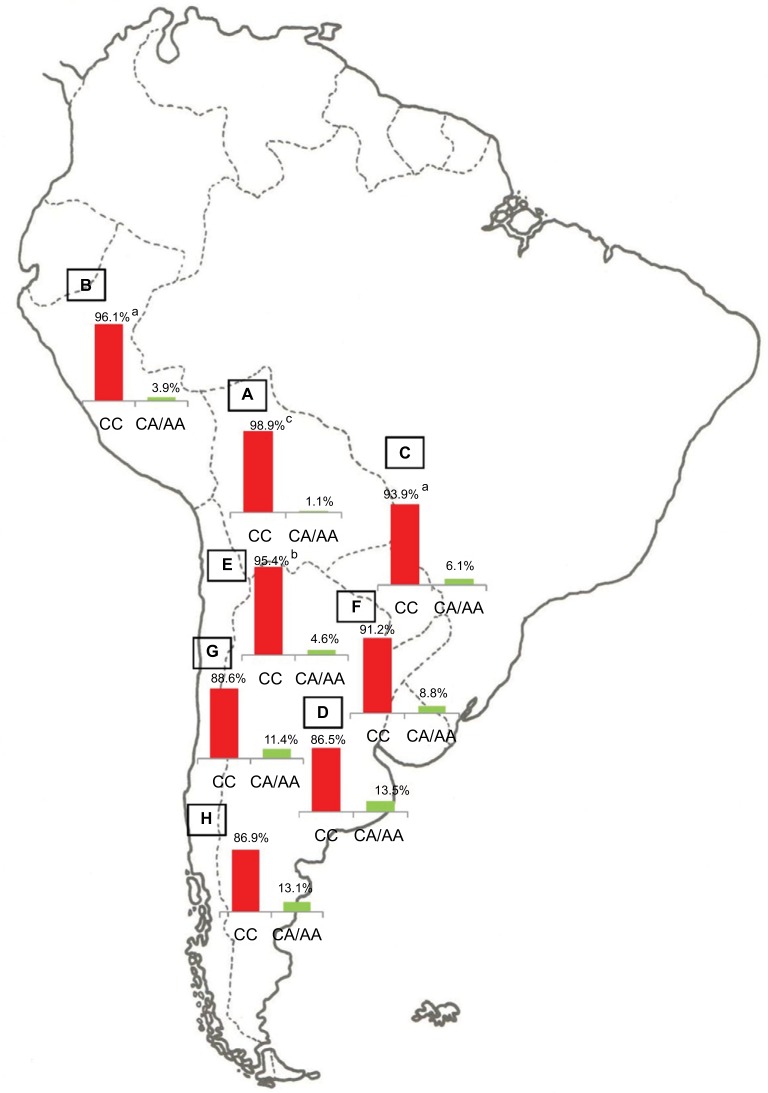
In recent years, great progress has been made in the field of new therapeutic options for hepatitis C virus (HCV) infection. The new direct-acting antiviral agents (DAAs) represent a great hope for millions of chronically infected individuals because their use may lead to excellent cure rates with fewer side effects. In Latin America, the high prevalence of HCV genotype 1 infection and the significant association of Native American ancestry with risk predictive single-nucleotide polymorphisms (SNPs) in and genes highlight the need to implement new treatment regimens in these populations. However, the universal accessibility to DAAs is still not a reality in the region as their high cost is one of the major, although not the only, limiting factors for their broad implementation. Therefore, under these circumstances, could the assessment of host genetic markers be a useful tool to prioritize DAA treatment until global access to these new drugs can be achieved? This review will summarize the scientific evidences and the potential implications of HCV pharmacogenomics in this rapidly evolving era of anti-HCV drug development.
近年来,丙型肝炎病毒(HCV)感染的新治疗方案领域取得了巨大进展。新型直接作用抗病毒药物(DAAs)为数百万慢性感染者带来了巨大希望,因为使用这些药物可能会带来极高的治愈率,且副作用更少。在拉丁美洲,HCV 基因 1 型感染的高流行率以及美洲原住民血统与和基因中风险预测单核苷酸多态性(SNPs)的显著关联,凸显了在这些人群中实施新治疗方案的必要性。然而,在该地区,DAAs 的普遍可及性仍未实现,因为其高昂的成本是广泛应用这些药物的主要限制因素之一,尽管并非唯一因素。因此,在这种情况下,在全球能够普遍获得这些新药之前,评估宿主遗传标记是否会成为优先进行 DAA 治疗的有用工具呢?本综述将总结在这个快速发展的抗 HCV 药物研发时代,HCV 药物基因组学的科学证据及其潜在影响。