Beaty Shannon M, Park Arnold, Won Sohui T, Hong Patrick, Lyons Michael, Vigant Frederic, Freiberg Alexander N, tenOever Benjamin R, Duprex W Paul, Lee Benhur
Department of Microbiology, Icahn School of Medicine at Mount Sinai, New York, New York, USA.
Department of Microbiology, Immunology, and Molecular Genetics, University of California Los Angeles, Los Angeles, California, USA.
mSphere. 2017 Mar 29;2(2). doi: 10.1128/mSphere.00376-16. eCollection 2017 Mar-Apr.
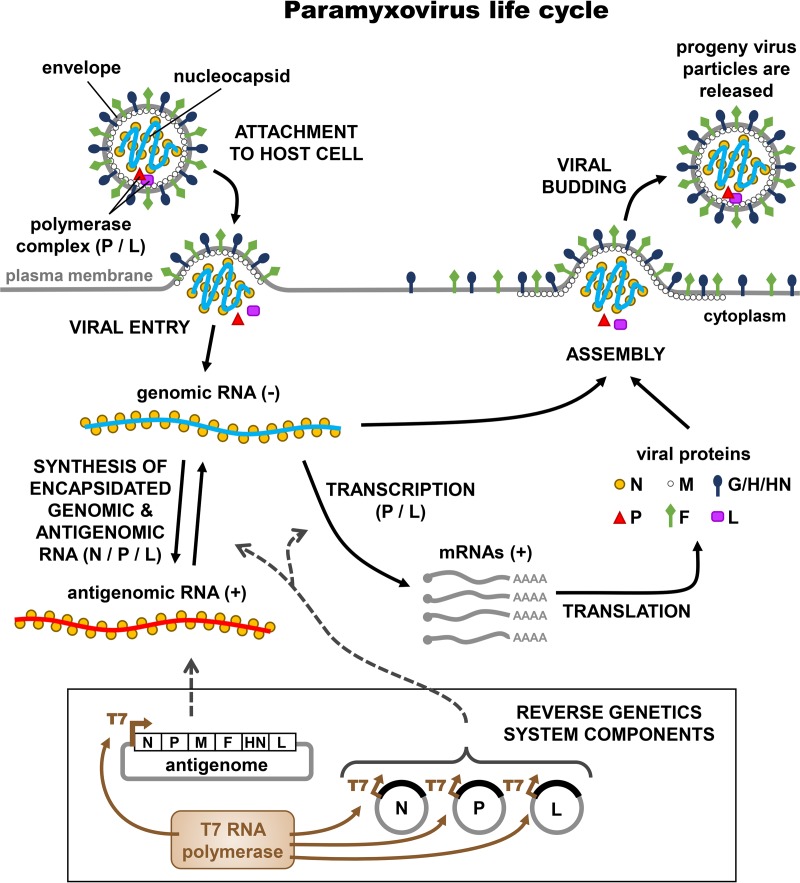
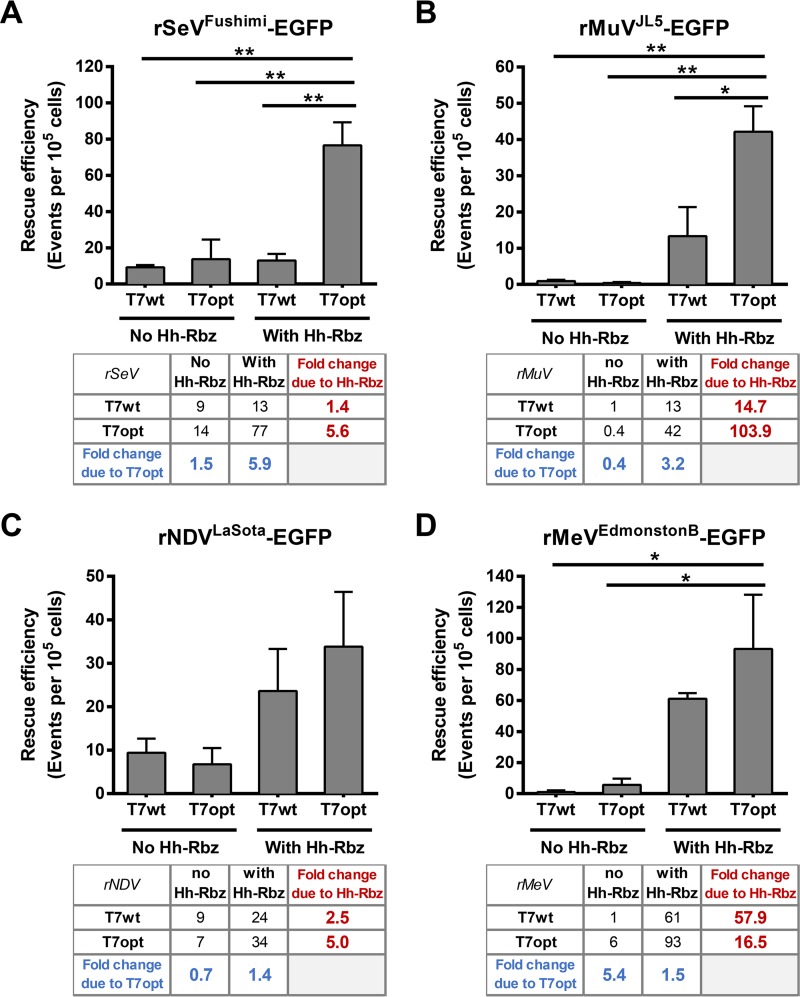
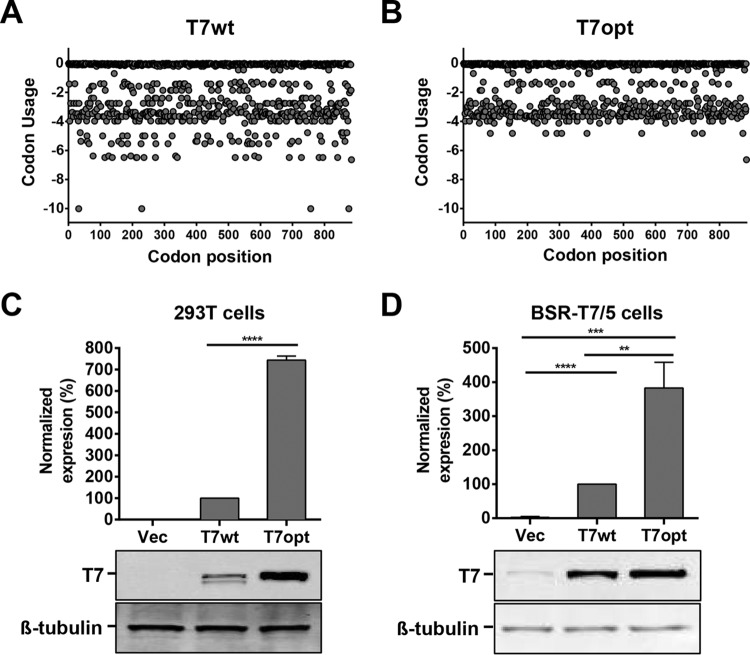
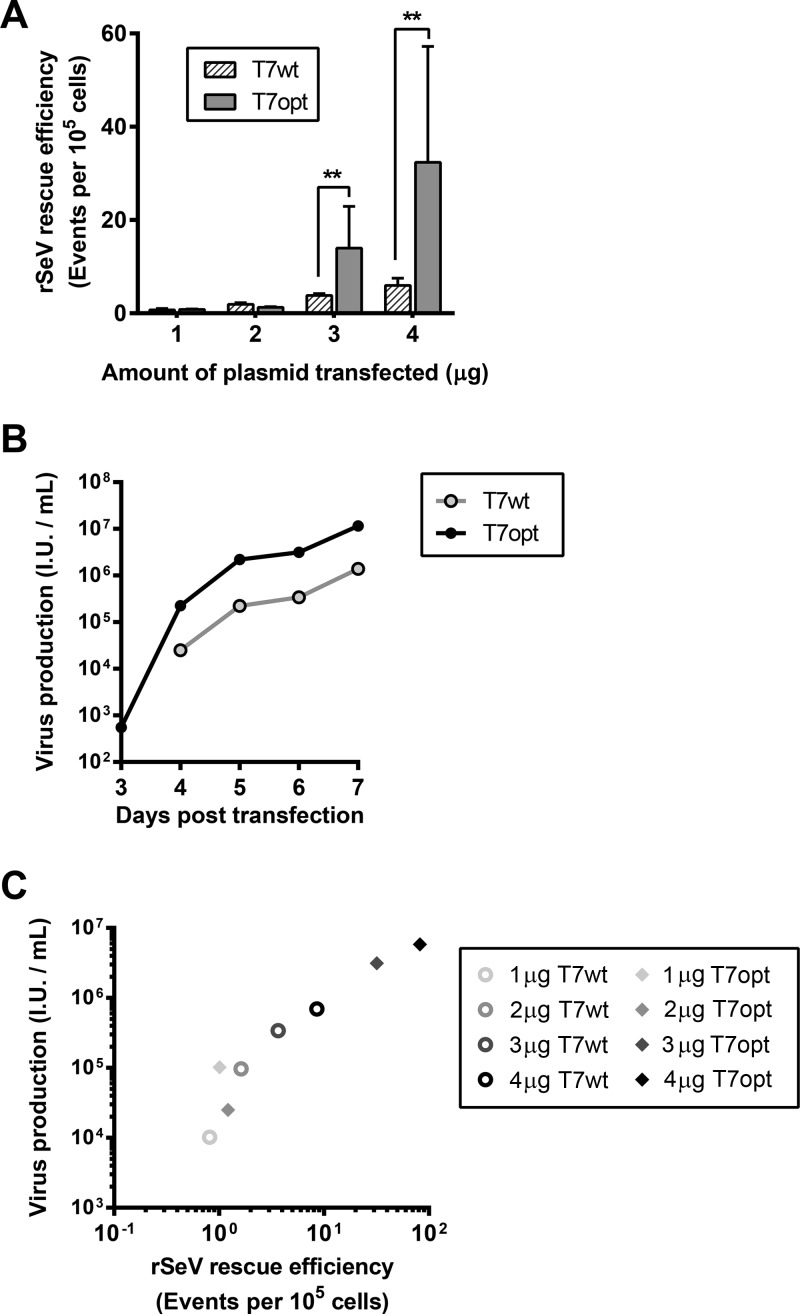
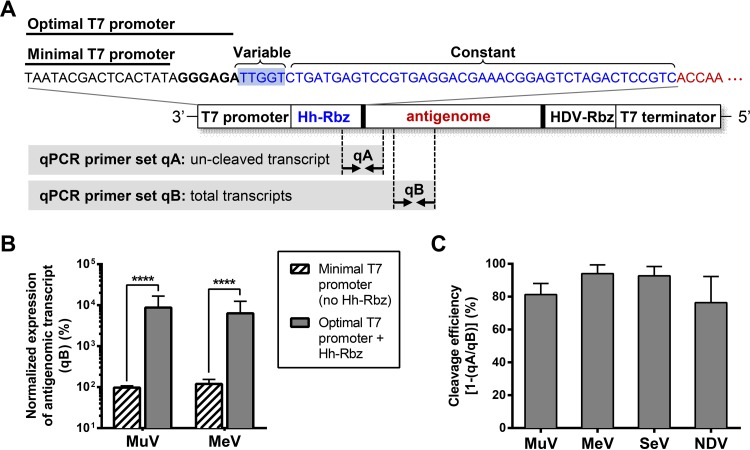
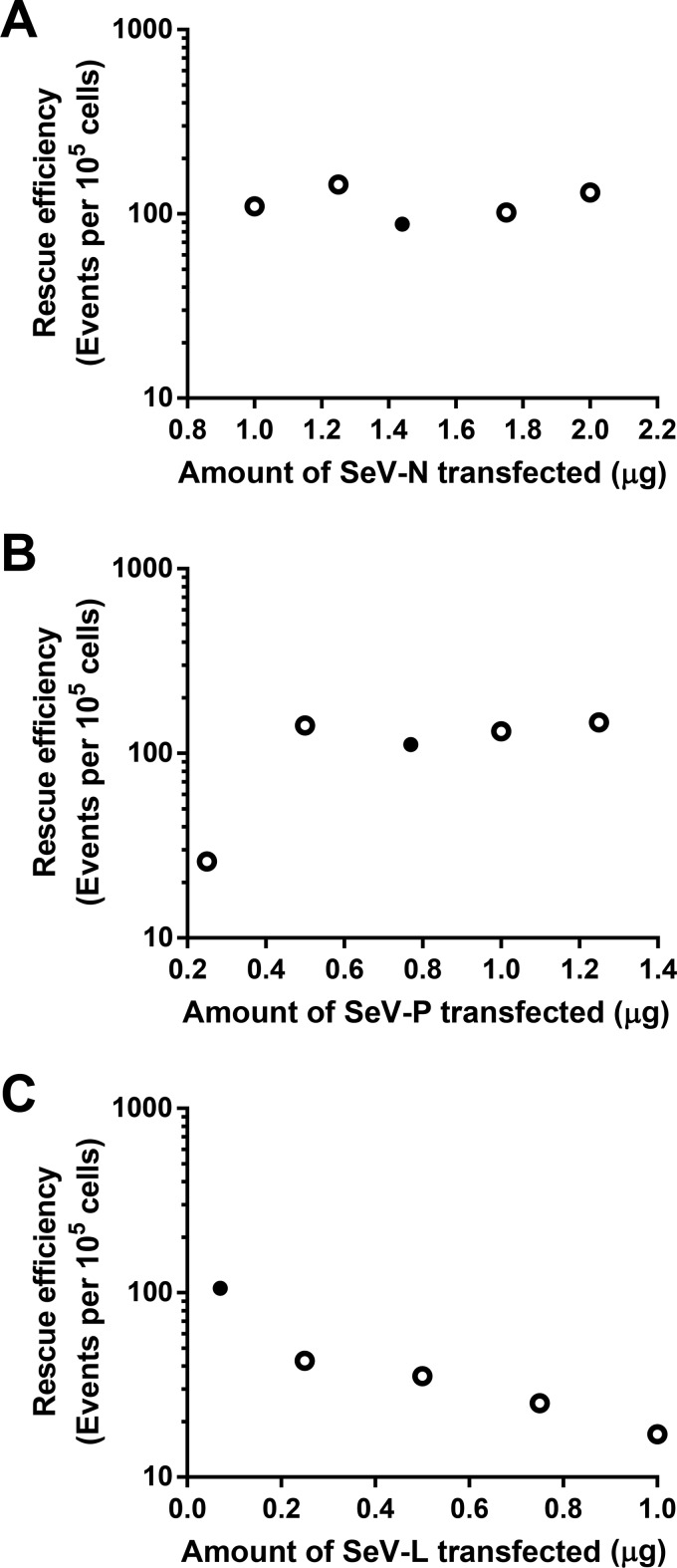
The notoriously low efficiency of reverse genetics systems has posed a limiting barrier to the study of viruses in this family. Previous approaches to reverse genetics have utilized a wide variety of techniques to overcome the technical hurdles. Although robustness (i.e., the number of attempts that result in successful rescue) has been improved in some systems with the use of stable cell lines, the efficiency of rescue (i.e., the proportion of transfected cells that yield at least one successful rescue event) has remained low. We have substantially increased rescue efficiency for representative viruses from all five major genera (from ~1 in 10-10 to ~1 in 10-10 transfected cells) by the addition of a self-cleaving hammerhead ribozyme (Hh-Rbz) sequence immediately preceding the start of the recombinant viral antigenome and the use of a codon-optimized T7 polymerase (T7opt) gene to drive paramyxovirus rescue. Here, we report a strategy for robust, reliable, and high-efficiency rescue of paramyxovirus reverse genetics systems, featuring several major improvements: (i) a vaccinia virus-free method, (ii) freedom to use any transfectable cell type for viral rescue, (iii) a single-step transfection protocol, and (iv) use of the optimal T7 promoter sequence for high transcription levels from the antigenomic plasmid without incorporation of nontemplated G residues. The robustness of our T7opt-HhRbz system also allows for greater latitude in the ratios of transfected accessory plasmids used that result in successful rescue. Thus, our system may facilitate the rescue and interrogation of the increasing number of emerging paramyxoviruses. The ability to manipulate the genome of paramyxoviruses and evaluate the effects of these changes at the phenotypic level is a powerful tool for the investigation of specific aspects of the viral life cycle and viral pathogenesis. However, reverse genetics systems for paramyxoviruses are notoriously inefficient, when successful. The ability to efficiently and robustly rescue paramyxovirus reverse genetics systems can be used to answer basic questions about the biology of paramyxoviruses, as well as to facilitate the considerable translational efforts being devoted to developing live attenuated paramyxovirus vaccine vectors.
逆转录病毒系统的效率极低,这已成为该病毒家族研究的一个限制障碍。以往的逆转录病毒方法利用了各种各样的技术来克服技术障碍。尽管在一些使用稳定细胞系的系统中,稳健性(即成功拯救的尝试次数)有所提高,但拯救效率(即产生至少一次成功拯救事件的转染细胞比例)仍然很低。通过在重组病毒抗原基因组起始前立即添加一个自我切割的锤头状核酶(Hh-Rbz)序列,并使用密码子优化的T7聚合酶(T7opt)基因来驱动副粘病毒的拯救,我们已将来自所有五个主要属的代表性病毒的拯救效率大幅提高(从每10 - 10个转染细胞中约1个提高到每10 - 10个转染细胞中约1个)。在此,我们报告一种用于副粘病毒逆转录病毒系统的稳健、可靠且高效拯救的策略,其具有几个主要改进:(i)无痘苗病毒方法,(ii)可自由使用任何可转染细胞类型进行病毒拯救,(iii)单步转染方案,以及(iv)使用最佳T7启动子序列以从抗原基因组质粒实现高转录水平,而无需掺入非模板化的G残基。我们的T7opt - HhRbz系统的稳健性还允许在用于成功拯救的转染辅助质粒比例方面有更大的灵活性。因此,我们的系统可能有助于拯救和研究越来越多的新兴副粘病毒。操纵副粘病毒基因组并在表型水平评估这些变化的影响的能力是研究病毒生命周期和病毒发病机制特定方面的有力工具。然而,副粘病毒的逆转录病毒系统即使成功也效率极低。高效且稳健地拯救副粘病毒逆转录病毒系统的能力可用于回答有关副粘病毒生物学的基本问题,以及促进致力于开发减毒活副粘病毒疫苗载体的大量转化研究工作。