Spinelli Chiara Carmela, Carrizzo Albino, Ferrario Anna, Villa Francesco, Damato Antonio, Ambrosio Mariateresa, Madonna Michele, Frati Giacomo, Fucile Sergio, Sciaccaluga Miriam, Capunzo Mario, Calì Gaetano, Milanesi Luciano, Maciag Anna, Puca Annibale Alessandro, Vecchione Carmine
Ageing Unit, IRCCS MultiMedica, 20138 Milan, Italy.
IRCCS Neuromed, 86077 Pozzilli (IS), Italy.
Cardiovasc Res. 2017 Jun 1;113(7):795-804. doi: 10.1093/cvr/cvx072.
Ageing is associated with impairment of endothelial nitric oxide synthase (eNOS) and progressive reduction in endothelial function. A genetic study on long-living individuals-who are characterized by delays in ageing and in the onset of cardiovascular disease-previously revealed I229V (rs2070325) in bactericidal/permeability-increasing fold-containing-family-B-member-4 (BPIFB4) as a longevity-associated variant (LAV); the LAV protein enhanced endothelial NO production and vasorelaxation through a protein kinase R-like endoplasmic reticulum kinase/14-3-3/heat shock protein 90 signal. Here, we further characterize the molecular mechanisms underlying LAV-BPIFB4-dependent enhancement of vascular function.
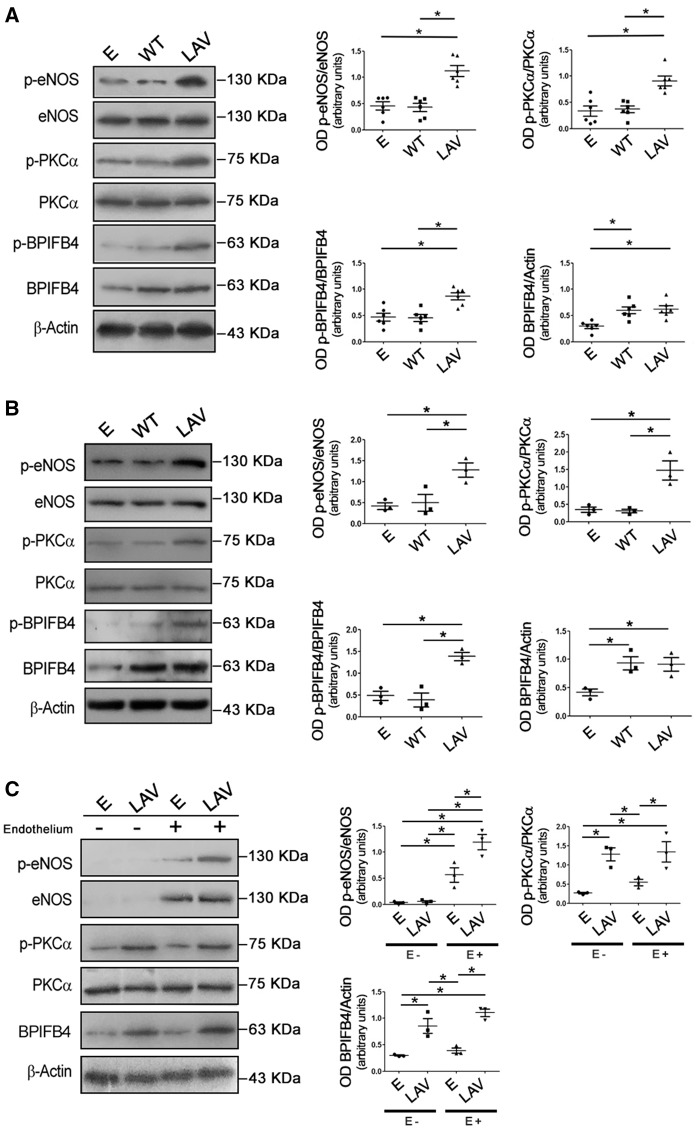
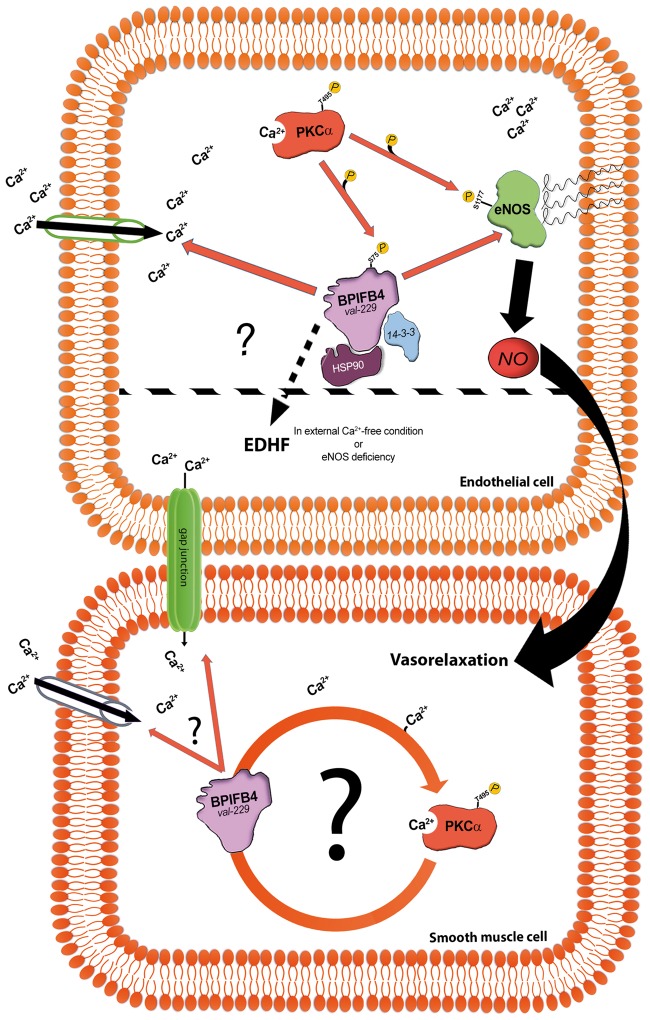
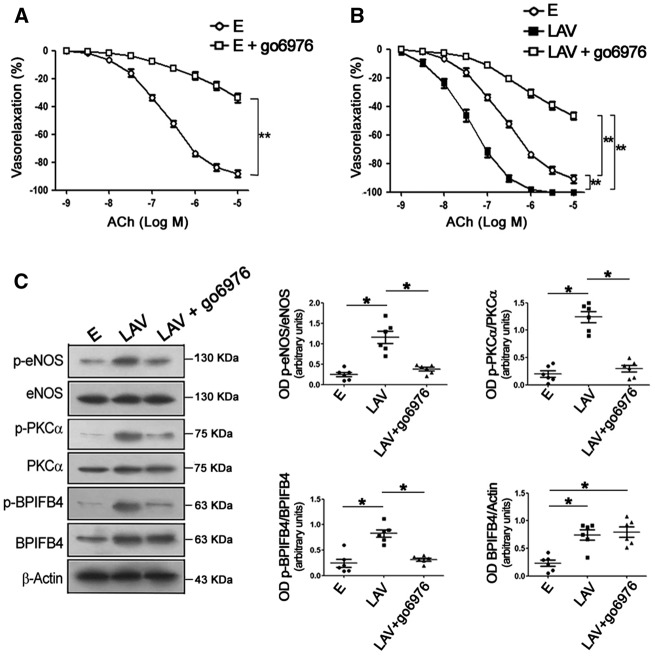
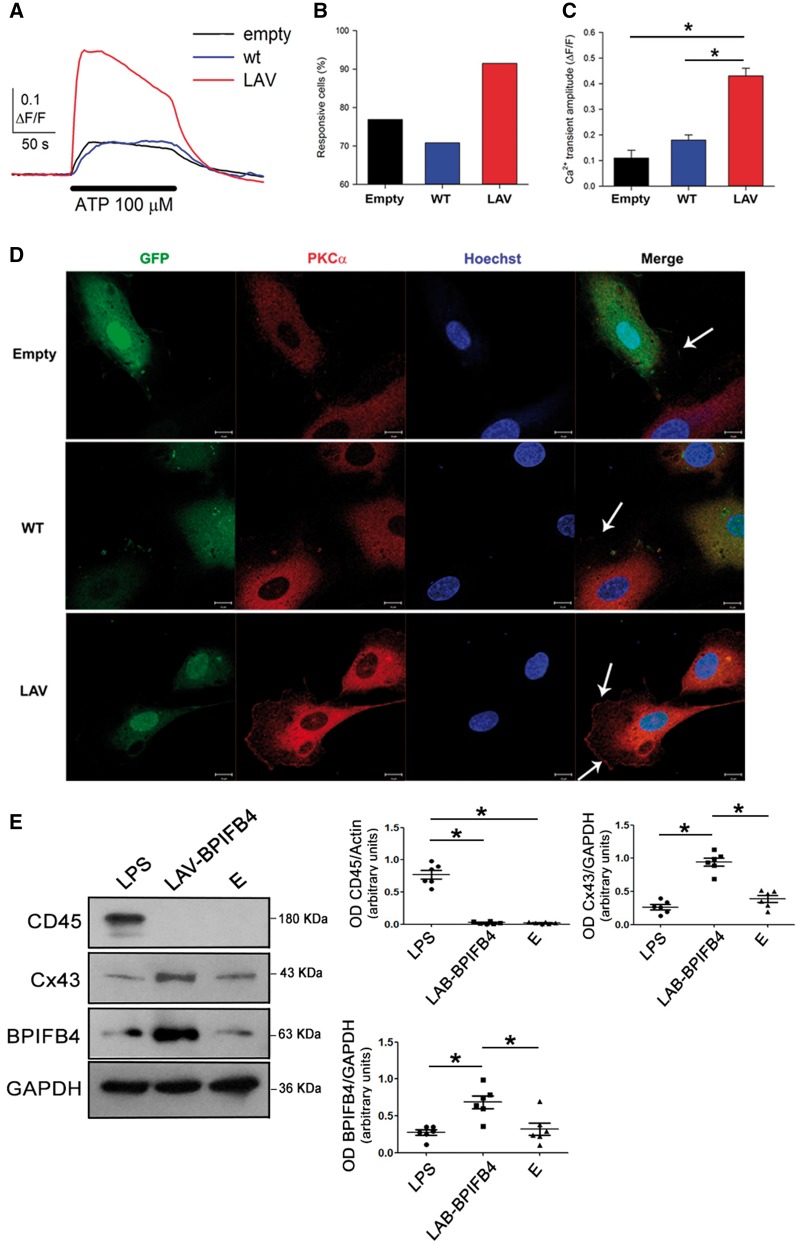
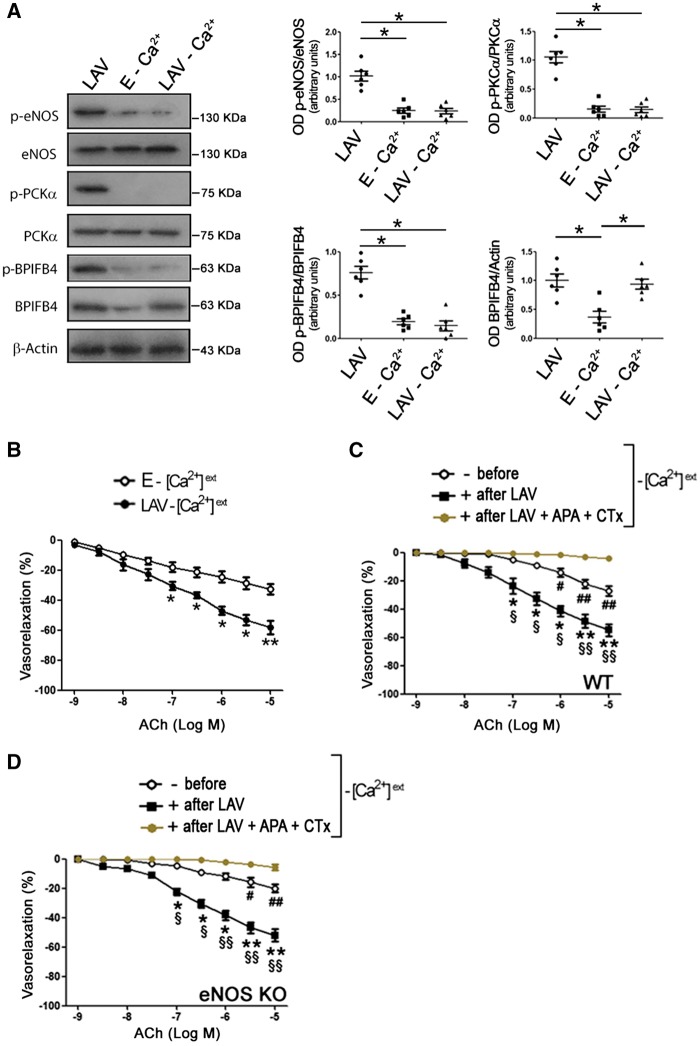
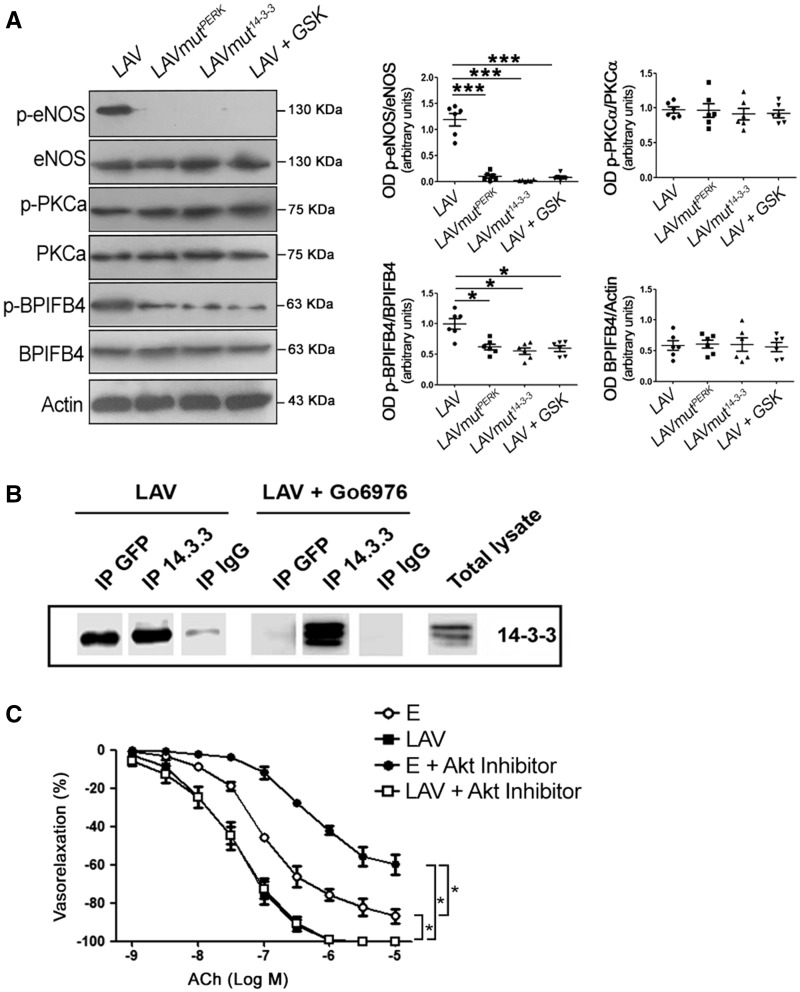
LAV-BPIFB4 upregulated eNOS function via mobilization of Ca2+ and activation of protein kinase C alpha (PKCα). Indeed, the overexpression of LAV-BPIFB4 in human endothelial cells enhanced ATP-induced Ca2+ mobilization and the translocation of PKCα to the plasma membrane. Coherently, pharmacological inhibition of PKCα blunted the positive effect of LAV-BPIFB4 on eNOS and endothelial function. In addition, although LAV-BPIFB4 lost the ability to activate PKCα and eNOS in ex vivo vessels studied in an external Ca2+-free medium and in vessels from eNOS-/- mice, it still potentiated endothelial activity, recruiting an alternative mechanism dependent upon endothelium-derived hyperpolarizing factor (EDHF).
We have identified novel molecular determinants of the beneficial effects of LAV-BPIFB4 on endothelial function, showing the roles of Ca2+ mobilization and PKCα in eNOS activation and of EDHF when eNOS is inhibited. These results highlight the role LAV-BPIFB4 can have in restoring signals that are lost during ageing.
衰老与内皮型一氧化氮合酶(eNOS)功能受损及内皮功能的逐渐降低有关。一项针对长寿个体的基因研究——这些个体的特征是衰老和心血管疾病发病延迟——此前发现,杀菌/通透性增加折叠含家族B成员4(BPIFB4)中的I229V(rs2070325)作为一种长寿相关变体(LAV);该LAV蛋白通过蛋白激酶R样内质网激酶/14-3-3/热休克蛋白90信号增强内皮一氧化氮的产生和血管舒张。在此,我们进一步阐述LAV-BPIFB4依赖性增强血管功能的分子机制。
LAV-BPIFB4通过动员Ca2+和激活蛋白激酶Cα(PKCα)上调eNOS功能。事实上,LAV-BPIFB4在人内皮细胞中的过表达增强了ATP诱导的Ca2+动员以及PKCα向质膜的转位。相应地,PKCα的药理学抑制减弱了LAV-BPIFB4对eNOS和内皮功能的积极作用。此外,尽管在无细胞外Ca2+的培养基中研究的离体血管以及来自eNOS基因敲除小鼠的血管中,LAV-BPIFB4失去了激活PKCα和eNOS的能力,但它仍能增强内皮活性,募集一种依赖于内皮衍生超极化因子(EDHF)的替代机制。
我们确定了LAV-BPIFB4对内皮功能有益作用的新分子决定因素,表明Ca2+动员和PKCα在eNOS激活中的作用以及eNOS受抑制时EDHF的作用。这些结果突出了LAV-BPIFB4在恢复衰老过程中丢失的信号方面的作用。