Takechi-Haraya Yuki, Aki Kenzo, Tohyama Yumi, Harano Yuichi, Kawakami Toru, Saito Hiroyuki, Okamura Emiko
Faculty of Pharmaceutical Sciences, Himeji Dokkyo University, 7-2-1 Kamiohno, Himeji 670-8524, Japan.
Institute for Protein Research, Osaka University, 3-2 Yamadaoka, Suita, Osaka 565-0871, Japan.
Pharmaceuticals (Basel). 2017 Apr 15;10(2):42. doi: 10.3390/ph10020042.
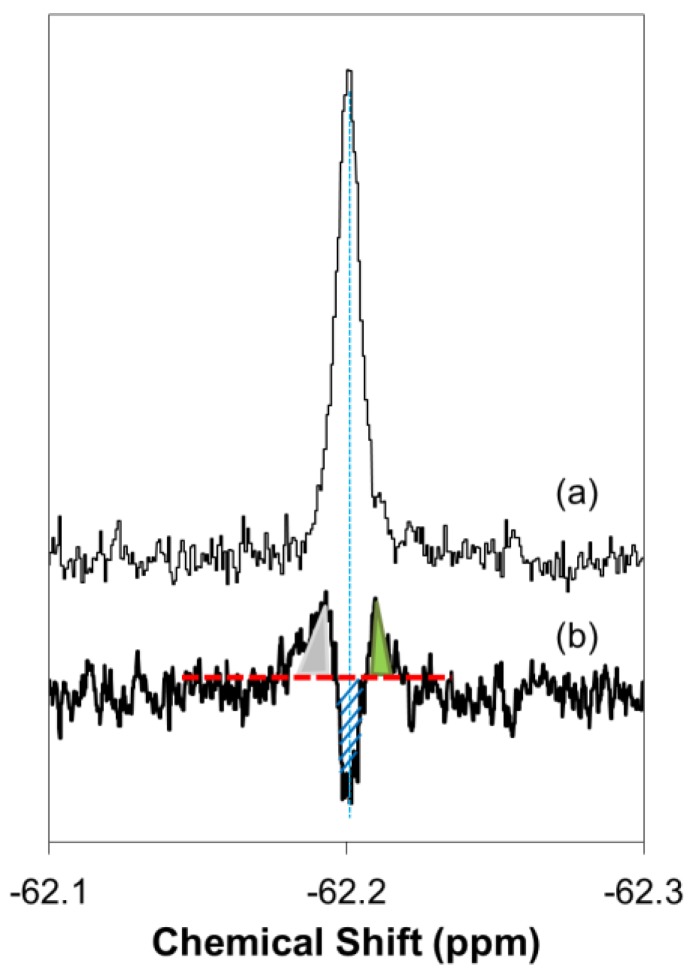
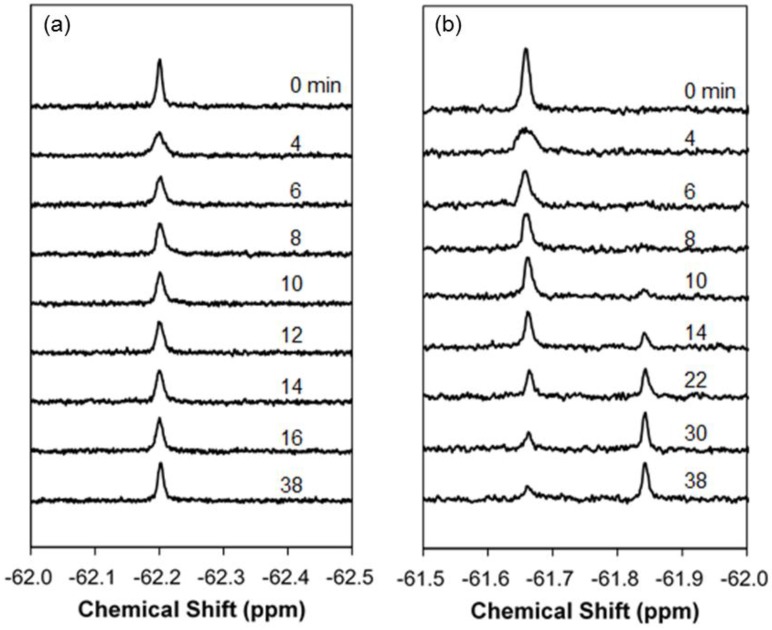
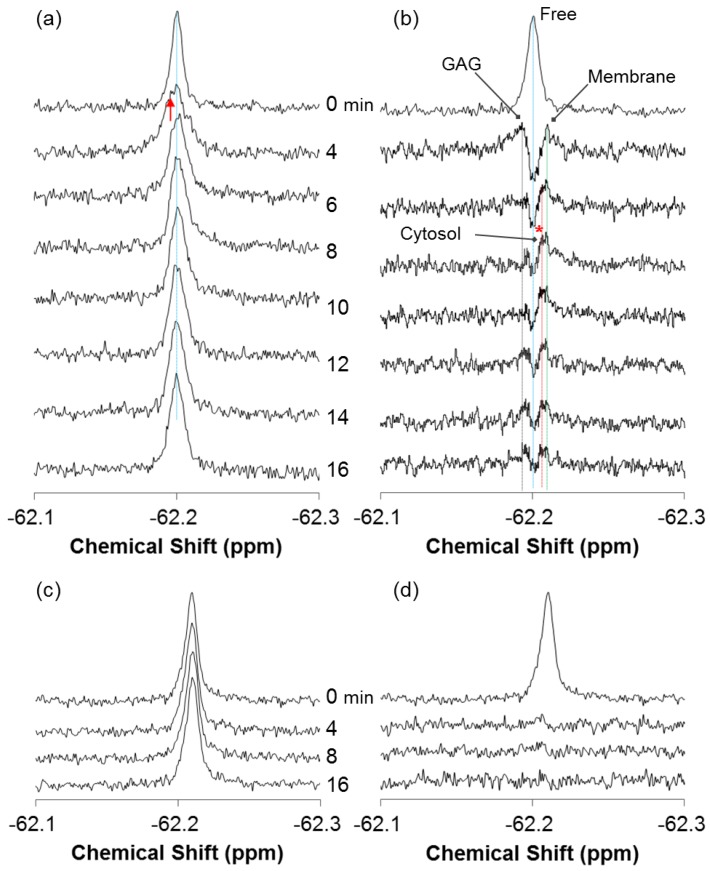
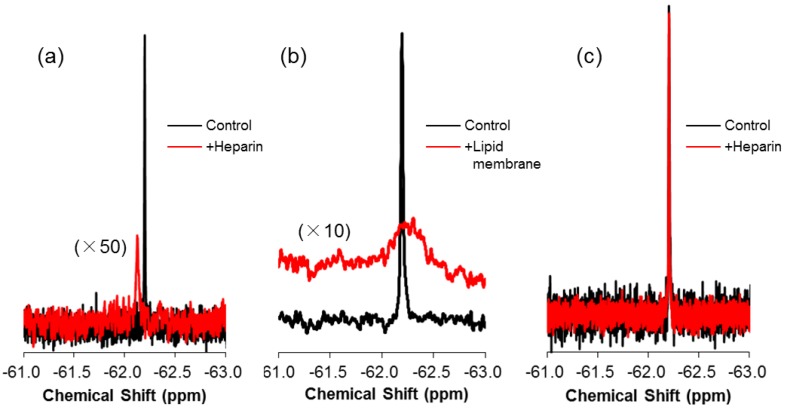
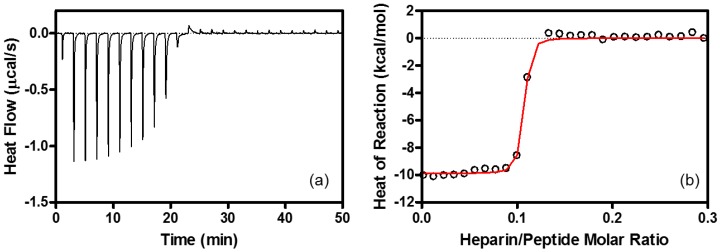
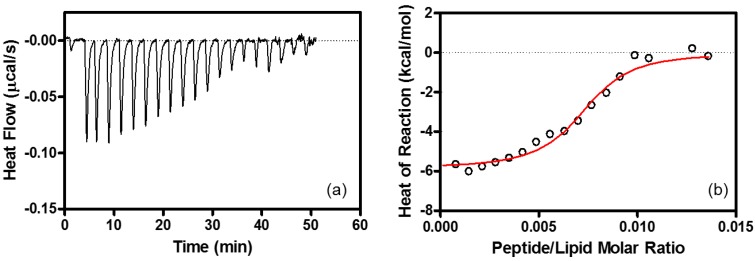
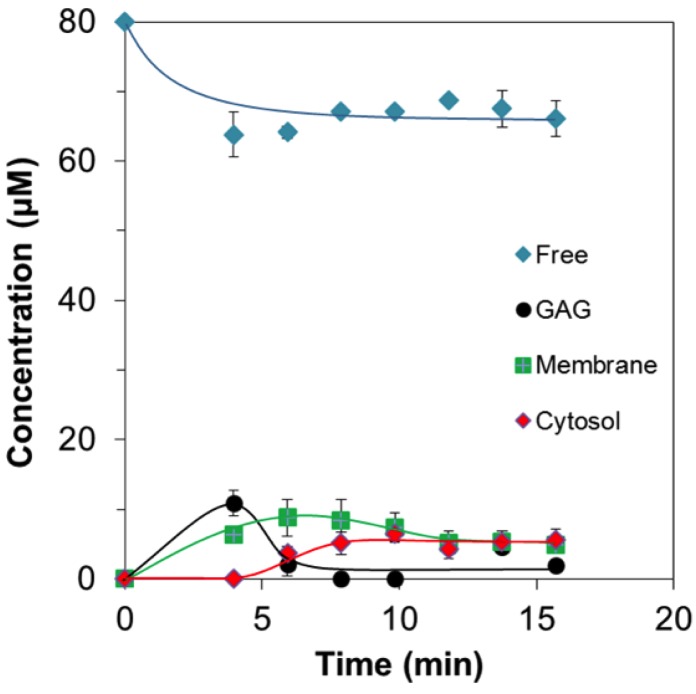
Glycosaminoglycans (GAGs), which are covalently-linked membrane proteins at the cell surface have recently been suggested to involve in not only endocytic cellular uptake but also non-endocytic direct cell membrane translocation of arginine-rich cell-penetrating peptides (CPPs). However, in-situ comprehensive observation and the quantitative analysis of the direct membrane translocation processes are challenging, and the mechanism therefore remains still unresolved. In this work, real-time in-cell NMR spectroscopy was applied to investigate the direct membrane translocation of octaarginine (R8) into living cells. By introducing 4-trifluoromethyl-l-phenylalanine to the N terminus of R8, the non-endocytic membrane translocation of F-labeled R8 (F-R8) into a human myeloid leukemia cell line was observed at 4 °C with a time resolution in the order of minutes. F NMR successfully detected real-time R8 translocation: the binding to anionic GAGs at the cell surface, followed by the penetration into the cell membrane, and the entry into cytosol across the membrane. The NMR concentration analysis enabled quantification of how much of R8 was staying in the respective translocation processes with time in situ. Taken together, our in-cell NMR results provide the physicochemical rationale for spontaneous penetration of CPPs in cell membranes.
糖胺聚糖(GAGs)是细胞表面共价连接的膜蛋白,最近有人提出它们不仅参与细胞内吞摄取,还参与富含精氨酸的细胞穿透肽(CPPs)的非内吞直接细胞膜转位。然而,对直接膜转位过程进行原位综合观察和定量分析具有挑战性,因此其机制仍未得到解决。在这项工作中,应用实时细胞内核磁共振光谱研究八聚精氨酸(R8)向活细胞的直接膜转位。通过在R8的N端引入4-三氟甲基-L-苯丙氨酸,在4℃下以分钟量级的时间分辨率观察到F标记的R8(F-R8)向人髓系白血病细胞系的非内吞膜转位。19F NMR成功地检测到了实时R8转位:在细胞表面与阴离子GAGs结合,随后穿透细胞膜,并穿过膜进入细胞质。NMR浓度分析能够原位定量随时间R8在各个转位过程中的停留量。综上所述,我们的细胞内NMR结果为CPPs在细胞膜中的自发穿透提供了物理化学依据。