Khan Faraz, Chai Hui Hui, Ajmera Ishan, Hodgman Charlie, Mayes Sean, Lu Chungui
School of Biosciences, University of Nottingham, Sutton Bonington Campus, Nottingham LE12 5RD, UK.
Crops for the Future, Jalan Broga, 43500 Semenyih, Selangor Darul Ehsan, Malaysia.
Genes (Basel). 2017 Apr 18;8(4):121. doi: 10.3390/genes8040121.
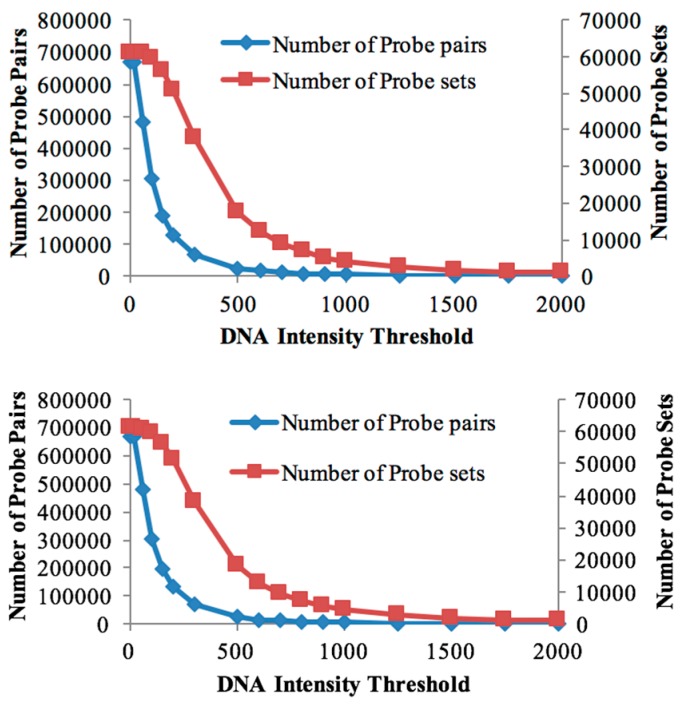
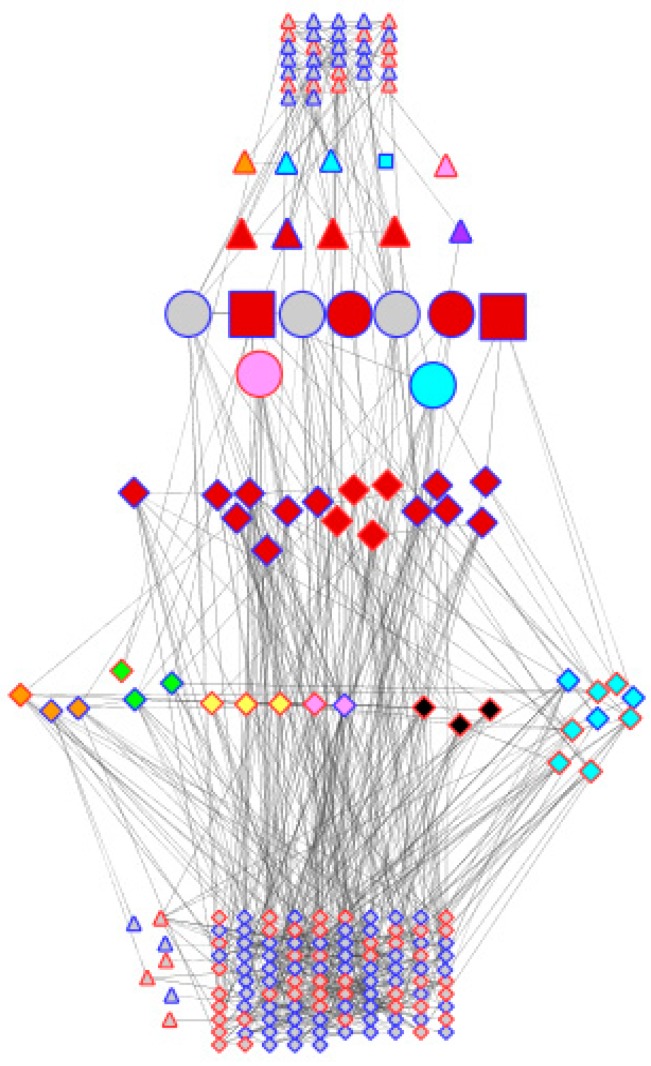
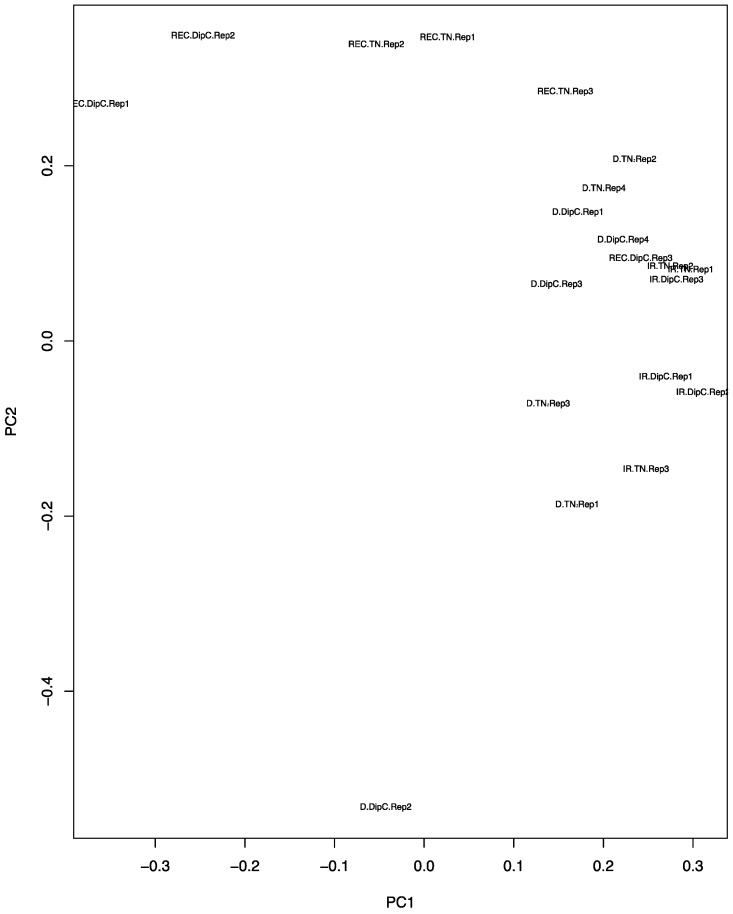
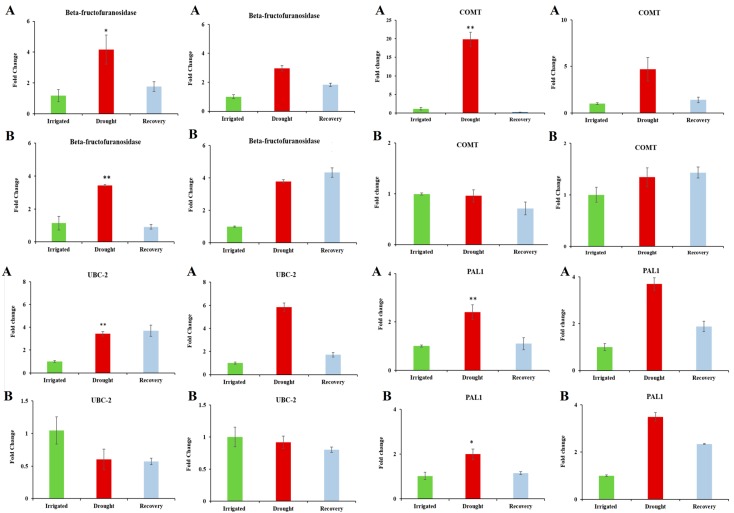
The ability to grow crops under low-water conditions is a significant advantage in relation to global food security. Bambara groundnut is an underutilised crop grown by subsistence farmers in Africa and is known to survive in regions of water deficit. This study focuses on the analysis of the transcriptomic changes in two bambara groundnut landraces in response to dehydration stress. A cross-species hybridisation approach based on the Soybean Affymetrix GeneChip array has been employed. The differential gene expression analysis of a water-limited treatment, however, showed that the two landraces responded with almost completely different sets of genes. Hence, both landraces with very similar genotypes (as assessed by the hybridisation of genomic DNA onto the Soybean Affymetrix GeneChip) showed contrasting transcriptional behaviour in response to dehydration stress. In addition, both genotypes showed a high expression of dehydration-associated genes, even under water-sufficient conditions. Several gene regulators were identified as potentially important. Some are already known, such as , but others may also be considered, namely , -11, CONSTANS-like 1, , , and a Zinc-finger protein. These data provide a basis for drought trait research in the bambara groundnut, which will facilitate functional genomics studies. An analysis of this dataset has identified that both genotypes appear to be in a dehydration-ready state, even in the absence of dehydration stress, and may have adapted in different ways to achieve drought resistance. This will help in understanding the mechanisms underlying the ability of crops to produce viable yields under drought conditions. In addition, cross-species hybridisation to the soybean microarray has been shown to be informative for investigating the bambara groundnut transcriptome.
在低水条件下种植作物的能力对于全球粮食安全而言是一项重要优势。 Bambara 花生是非洲自给农民种植的一种未得到充分利用的作物,已知能在缺水地区存活。本研究聚焦于分析两种 Bambara 花生地方品种在脱水胁迫下的转录组变化。采用了基于大豆Affymetrix基因芯片阵列的跨物种杂交方法。然而,对水分受限处理的差异基因表达分析表明,这两个地方品种的基因反应几乎完全不同。因此,尽管两个地方品种的基因型非常相似(通过将基因组DNA与大豆Affymetrix基因芯片杂交评估),但在脱水胁迫下表现出截然不同的转录行为。此外,即使在水分充足的条件下,两种基因型中与脱水相关的基因也有高表达。鉴定出了几个潜在重要的基因调控因子。有些是已知的,如 ,但其他的也可考虑,即 、-11、CONSTANS类1、 、 以及一种锌指蛋白。这些数据为 Bambara 花生的抗旱性状研究提供了基础,将有助于功能基因组学研究。对该数据集的分析表明,即使在没有脱水胁迫的情况下,两种基因型似乎都处于脱水就绪状态,并且可能以不同方式适应以实现抗旱性。这将有助于理解作物在干旱条件下产生可存活产量的能力背后的机制。此外,已证明与大豆微阵列的跨物种杂交对于研究 Bambara 花生转录组具有参考价值。