Lin Xiao-Lu, Yang Li, Fu Seng-Wang, Lin Wen-Feng, Gao Yun-Jie, Chen Hao-Yan, Ge Zhi-Zheng
Division of Gastroenterology and Hepatology, Key Laboratory of Gastroenterology and Hepatology, Ministry of Health, Renji Hospital, School of Medicine, Shanghai Jiao Tong University, Shanghai Institute of Digestive Disease, Shanghai 200001, China.
Department of Gastroenterology, Shanghai General Hospital, Shanghai Jiao Tong University School of Medicine, Shanghai 200001, China.
Oncotarget. 2017 May 16;8(20):33586-33600. doi: 10.18632/oncotarget.16829.
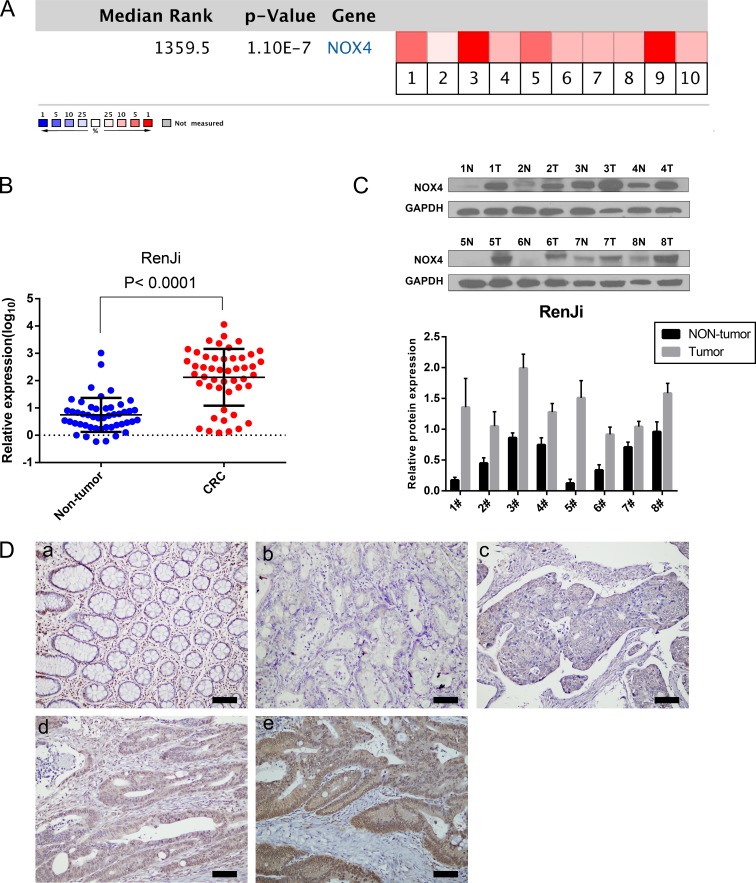
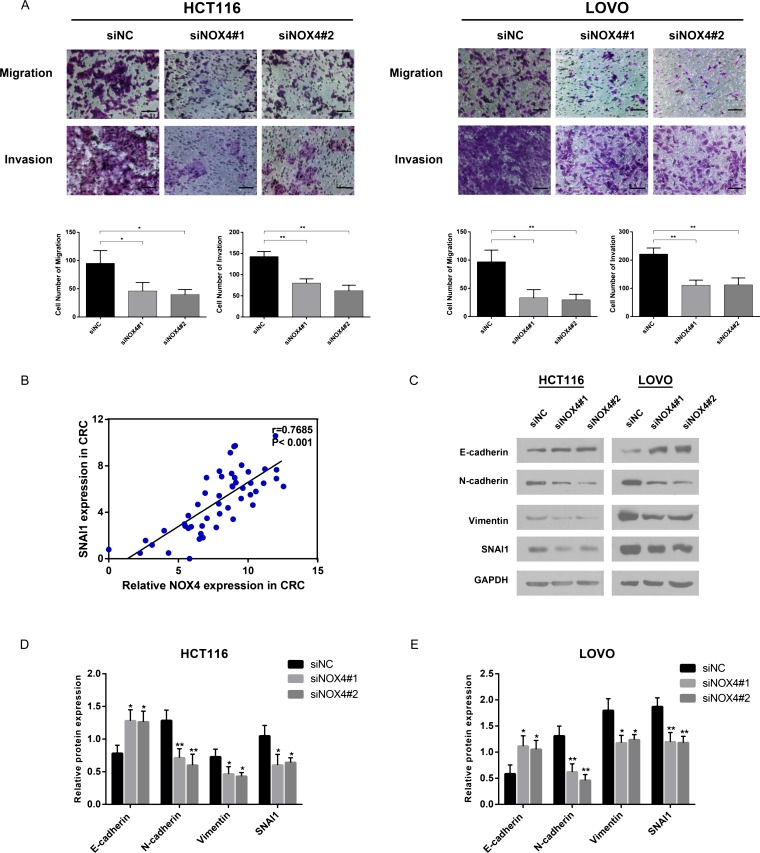
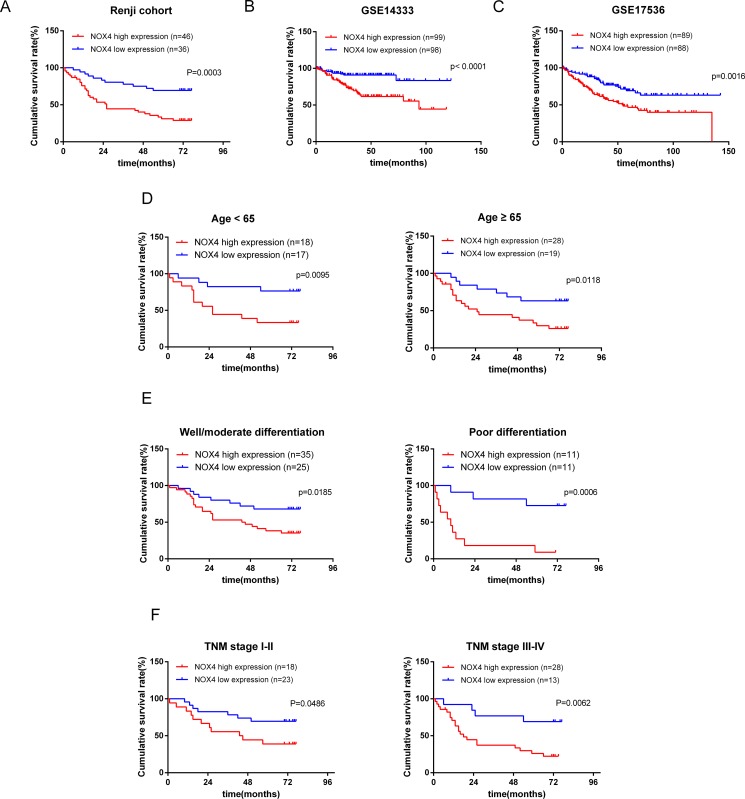
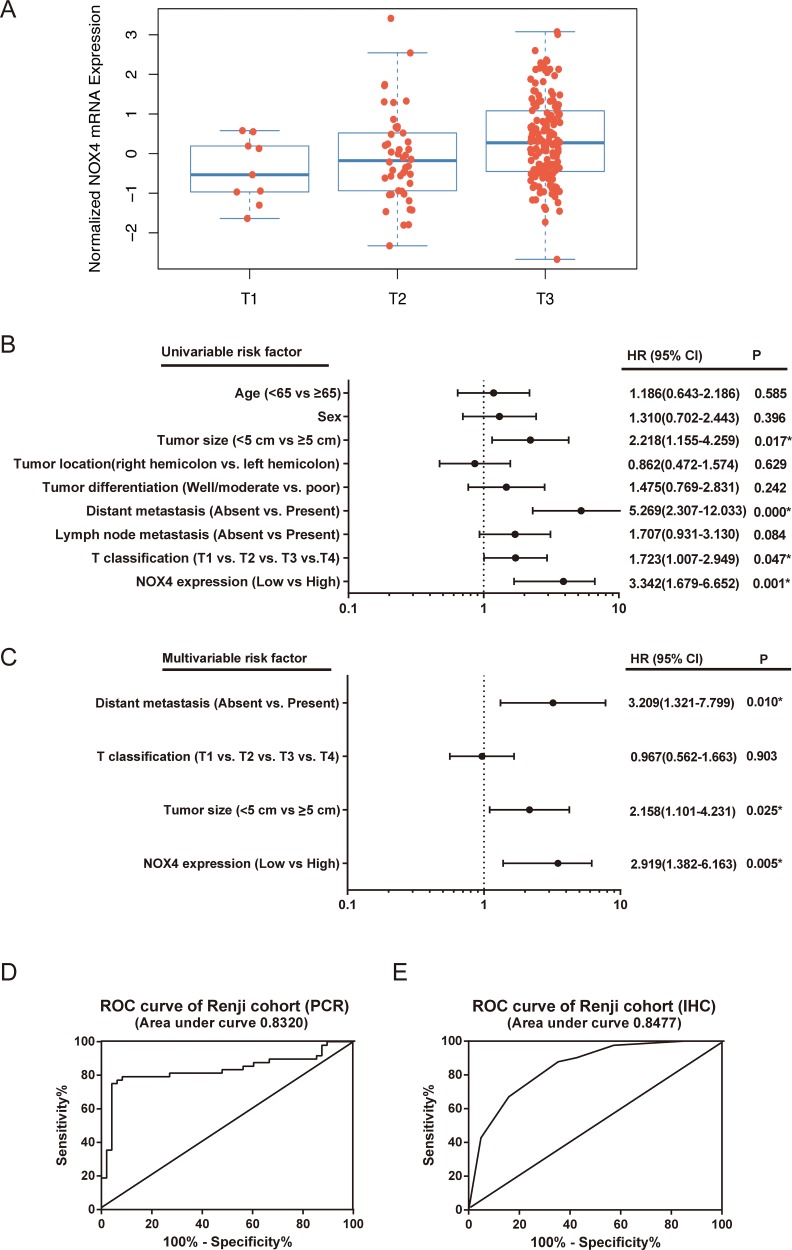
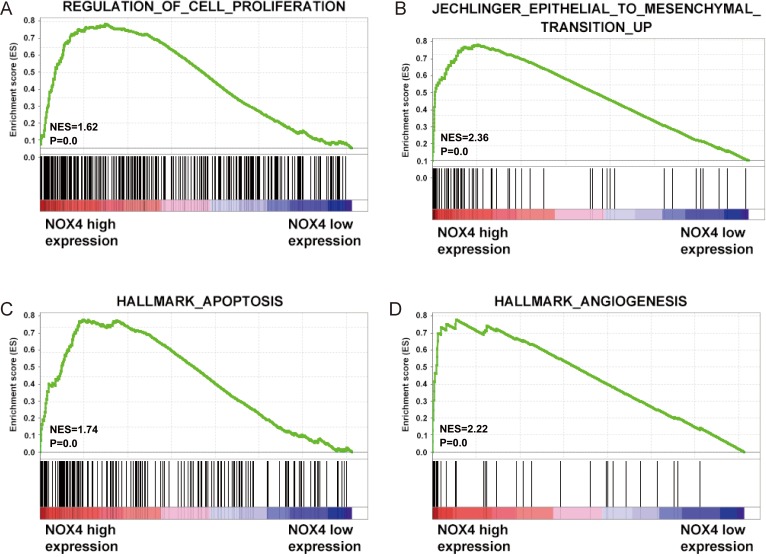
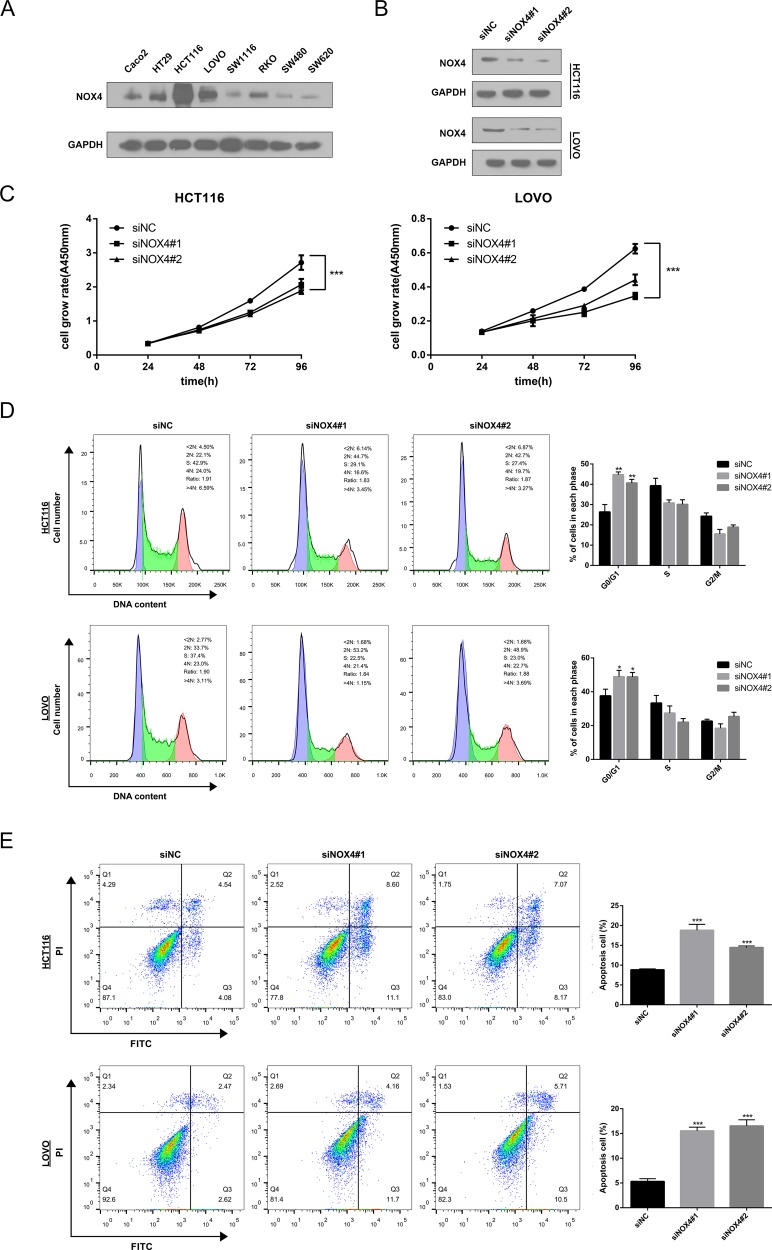
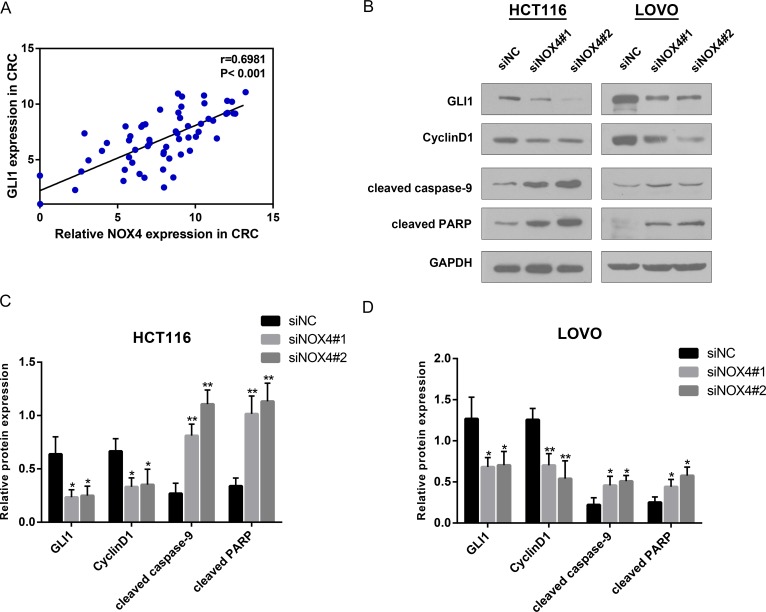
NADPH oxidase 4 (NOX4), a major source of reactive oxygen species (ROS) production, has been increasingly reported to be involved in tumorigenesis and/or tumor progression, but limited data are available regarding the role of NOX4 in colorectal carcinoma (CRC). We retrieved six independent investigations from Oncomine database and found that NOX4 is highly expressed in CRC tissues compared with corresponding normal controls. Similar results were also found in clinical specimens at both mRNA and protein levels. Immunohistochemical analysis indicated that NOX4 overexpression was highly correlated with T classification, N classification, distant metastasis, and poor prognosis of CRC patients, which was also confirmed by GSE14333 and GSE17536 datasets from the Gene Expression Omnibus. Furthermore, we demonstrated that when NOX4 expression was knocked down by siRNAs, cell proliferation, cell-cycle and apoptosis, migration and invasion were significantly altered in CRC cell lines HCT116 and LOVO. Meanwhile, NOX4 promoted cancer cell proliferation and apoptosis, migration and invasion by regulating the expression of relevant genes. By these approaches we aim to elucidate NOX4 may be a reliable prognostic factor or therapeutic target in CRC.
NADPH氧化酶4(NOX4)是活性氧(ROS)产生的主要来源,越来越多的报道表明其参与肿瘤发生和/或肿瘤进展,但关于NOX4在结直肠癌(CRC)中的作用的数据有限。我们从Oncomine数据库中检索了六项独立研究,发现与相应的正常对照相比,NOX4在CRC组织中高表达。在临床标本的mRNA和蛋白质水平上也发现了类似结果。免疫组织化学分析表明,NOX4过表达与CRC患者的T分期、N分期、远处转移及不良预后高度相关,这也得到了基因表达综合数据库GSE14333和GSE17536数据集的证实。此外,我们证明,当通过小干扰RNA(siRNA)敲低NOX4表达时,CRC细胞系HCT116和LOVO中的细胞增殖、细胞周期和凋亡、迁移及侵袭均发生显著改变。同时,NOX4通过调节相关基因的表达促进癌细胞增殖、凋亡、迁移及侵袭。通过这些方法,我们旨在阐明NOX4可能是CRC中一个可靠的预后因素或治疗靶点。