Madziala Marcin, Smereka Jacek, Dabrowski Marek, Leung Steve, Ruetzler Kurt, Szarpak Lukasz
Department of Emergency Medicine, Medical University of Warsaw, Lindleya 4 Street, 02-005, Warsaw, Poland.
Department of Emergency Medical Service, Wroclaw Medical University, Wroclaw, Poland.
Eur J Pediatr. 2017 Jun;176(6):779-786. doi: 10.1007/s00431-017-2909-9. Epub 2017 Apr 21.
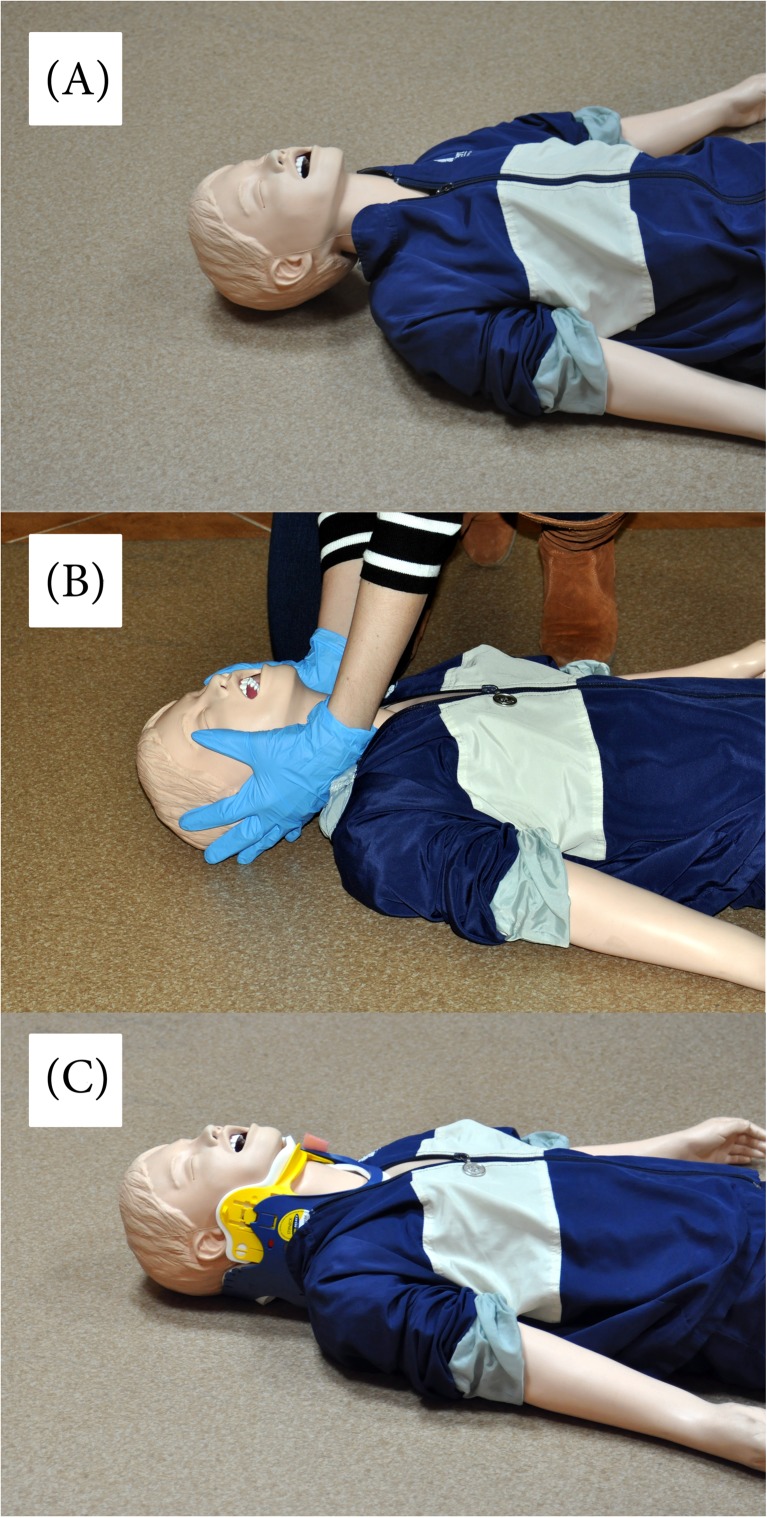
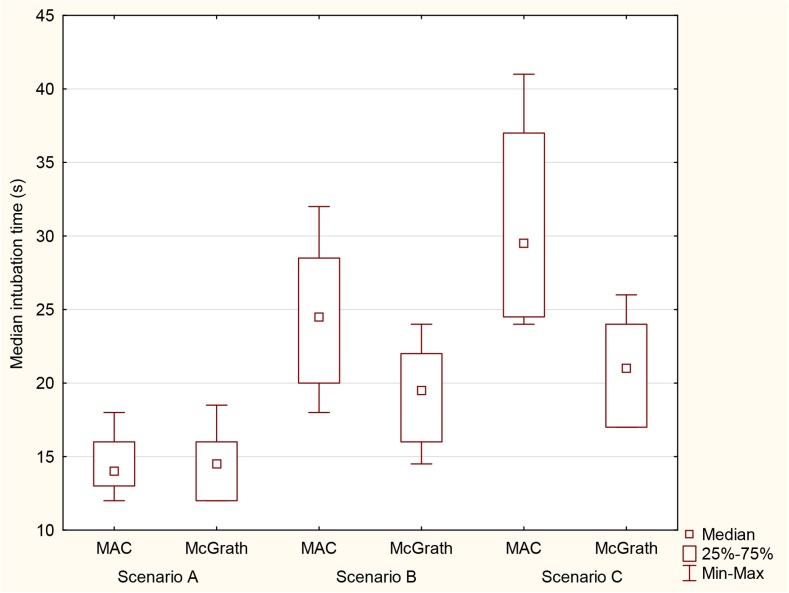
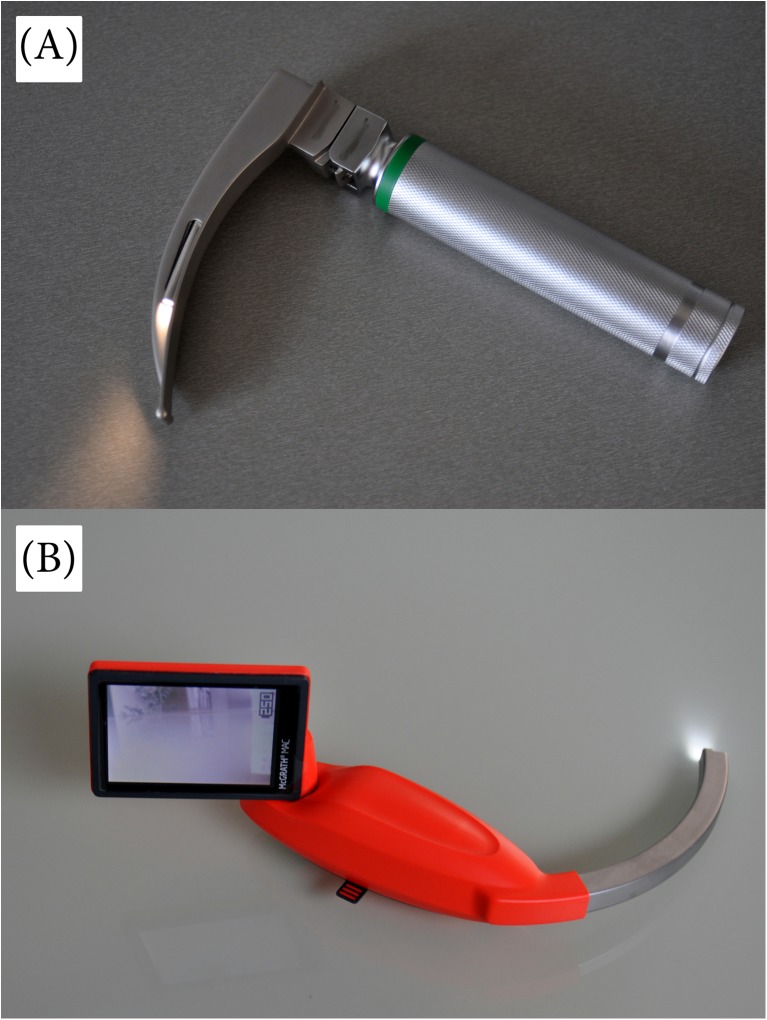
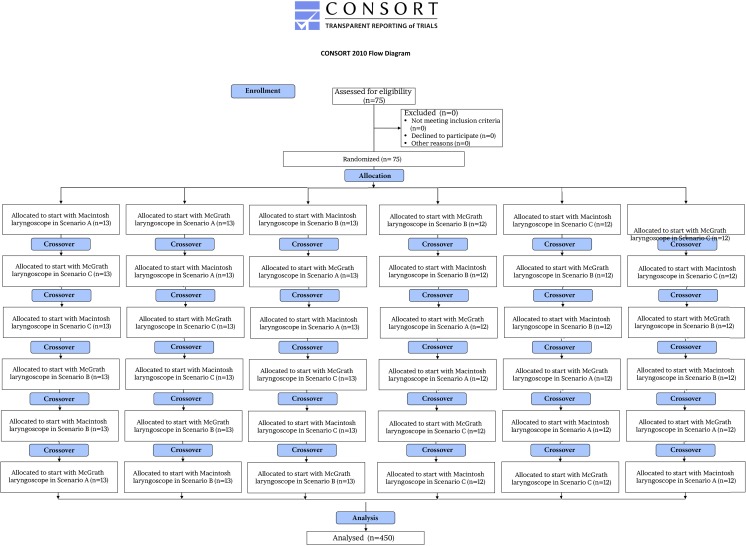
Emergency airway management in children is generally considered to be challenging, and endotracheal intubation requires a high level of personal skills and experience. Immobilization of the cervical spine is indicated in all patients with the risk of any cervical spine injury but significantly aggravates endotracheal intubation. The best airway device in this setting has not been established yet, although the use of videolaryngoscopes is generally promising. Seventy-five moderately experienced paramedics of the Emergency Medical Service of Poland performed endotracheal intubations in a pediatric manikin in three airway scenarios: (A) normal airway, (B) manual in-line cervical immobilization, and (C) cervical immobilization using a Patriot cervical extrication collar and using two airway techniques: (1) McGrath videolaryngoscope and (2) Macintosh blade in a randomized sequence. First-attempt intubation success rate, time to intubation, glottis visualization, and subjective ease of intubation were investigated in this study. Intubation of difficult airways, including manual in-line and cervical collar immobilization, using the McGrath was significantly faster, with a higher first-attempt intubation success rate, better glottic visualization, and ease of intubation, compared to Macintosh-guided intubation. In the normal airway, both airway techniques performed equal.
Our manikin study indicates that the McGrath may be a reasonable first intubation technique option for endotracheal intubation in difficult pediatric emergencies. Further clinical studies are therefore indicated. What is known : • Airway management in pediatrics is challenging and requires a high level of skills and experience. Cervical immobilization is indicated in all patients with any risk of cervical spine injury, but it significantly aggravates endotracheal intubation in these patients. Videolaryngoscopes have been reported to ease intubation and provide better airway visualization in the regular clinical setting. What is new: • The McGrath is an easy-to-use and clinically often used videolaryngoscope, but it has never been investigated in pediatrics with an immobilized cervical spine. In the normal airway, the McGrath provided better airway visualization compared to Macintosh laryngoscopy. However, better visualization did not lead to decreased time to intubation and a higher success rate of the first intubation attempt. In difficult airways, the McGrath provided better airway visualization and this led to faster intubation, a higher first-attempt intubation success rate, and better ease of intubation compared to Macintosh-guided intubation.
儿童紧急气道管理通常被认为具有挑战性,气管插管需要高水平的个人技能和经验。所有有颈椎损伤风险的患者均需固定颈椎,但这会显著加重气管插管的难度。尽管视频喉镜的使用总体上前景良好,但在这种情况下最佳的气道设备尚未确定。波兰紧急医疗服务部门的75名经验中等的护理人员在模拟儿童气道的三种场景下对模拟人进行气管插管:(A)正常气道,(B)手动颈椎直线固定,(C)使用爱国者颈椎解脱固定器固定颈椎,并采用两种气道技术:(1)麦格拉斯视频喉镜和(2)麦金托什喉镜叶片,按随机顺序进行。本研究调查了首次插管成功率、插管时间、声门可视度和主观插管难易程度。与麦金托什喉镜引导插管相比,使用麦格拉斯喉镜对包括手动颈椎直线固定和颈椎固定器固定在内的困难气道进行插管明显更快,首次插管成功率更高,声门可视度更好,插管更容易。在正常气道中,两种气道技术表现相当。
我们的模拟人研究表明,麦格拉斯喉镜可能是小儿困难紧急情况下气管插管合理的首选插管技术。因此需要进一步的临床研究。已知信息:• 儿科气道管理具有挑战性,需要高水平的技能和经验。所有有颈椎损伤风险的患者均需固定颈椎,但这会显著加重这些患者的气管插管难度。据报道,视频喉镜在常规临床环境中可使插管更容易,并提供更好的气道可视度。新发现:• 麦格拉斯喉镜是一种易于使用且临床常用的视频喉镜,但从未在颈椎固定的儿科患者中进行过研究。在正常气道中,与麦金托什喉镜检查相比,麦格拉斯喉镜提供了更好的气道可视度。然而,更好的可视度并未导致插管时间缩短和首次插管尝试成功率提高。在困难气道中,与麦金托什喉镜引导插管相比,麦格拉斯喉镜提供了更好的气道可视度,这导致插管更快,首次插管成功率更高,插管更容易。