McHale Emily, Steindal Calin C, Kutzke Hartmut, Benneche Tore, Harding Stephen E
Museum of Cultural History, University of Oslo, Postbox 6762 St. Olavs plass, 0130 Oslo, Norway.
Department of Chemistry, University of Oslo, Postbox 1033 Blindern, 0315 Oslo, Norway.
Sci Rep. 2017 Apr 27;7:46481. doi: 10.1038/srep46481.
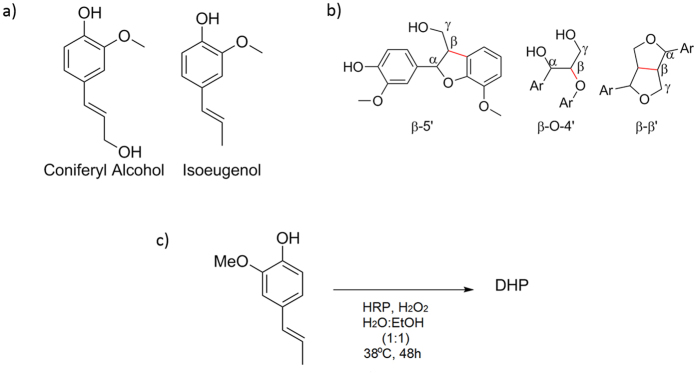
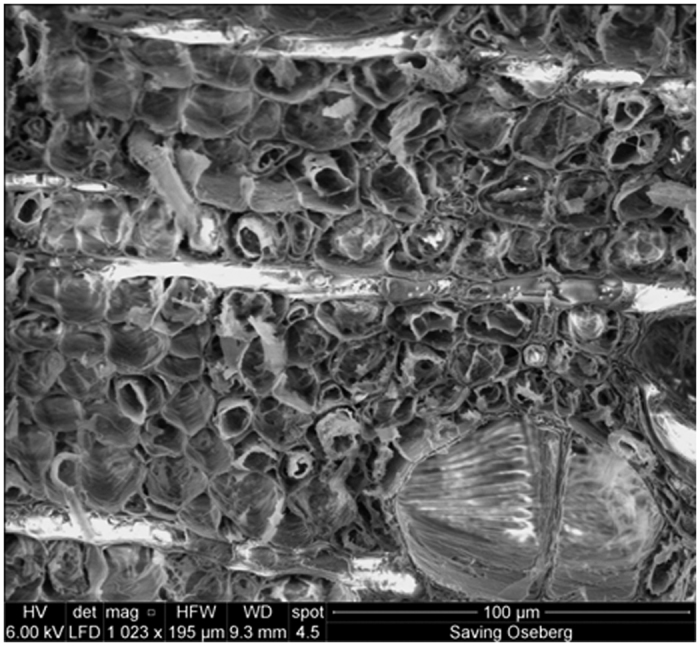
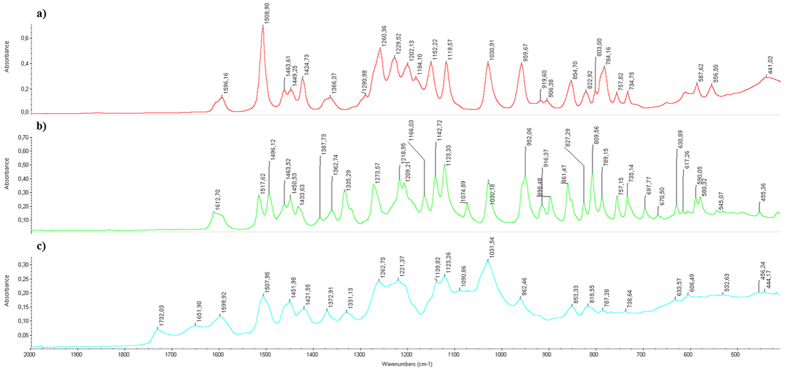
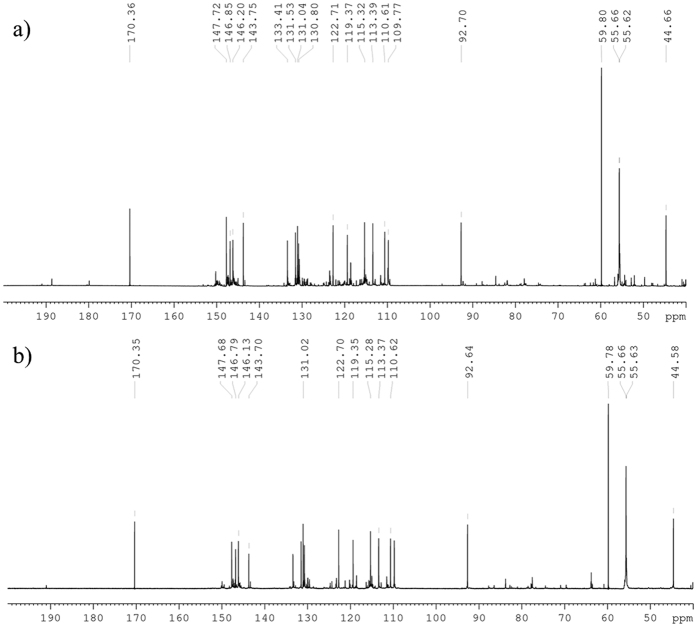
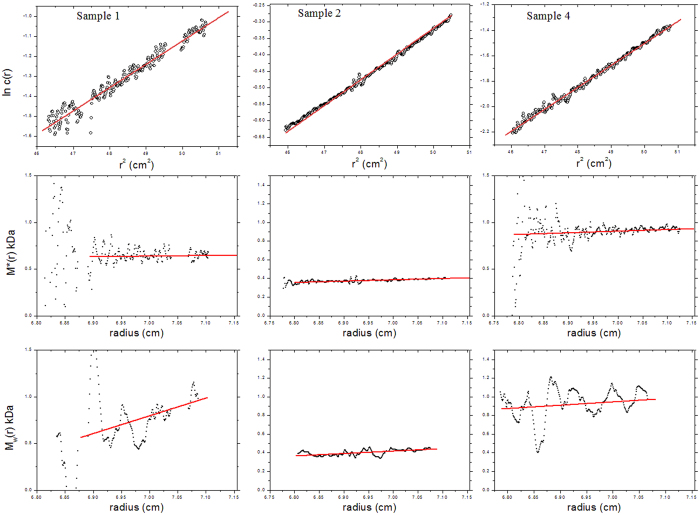
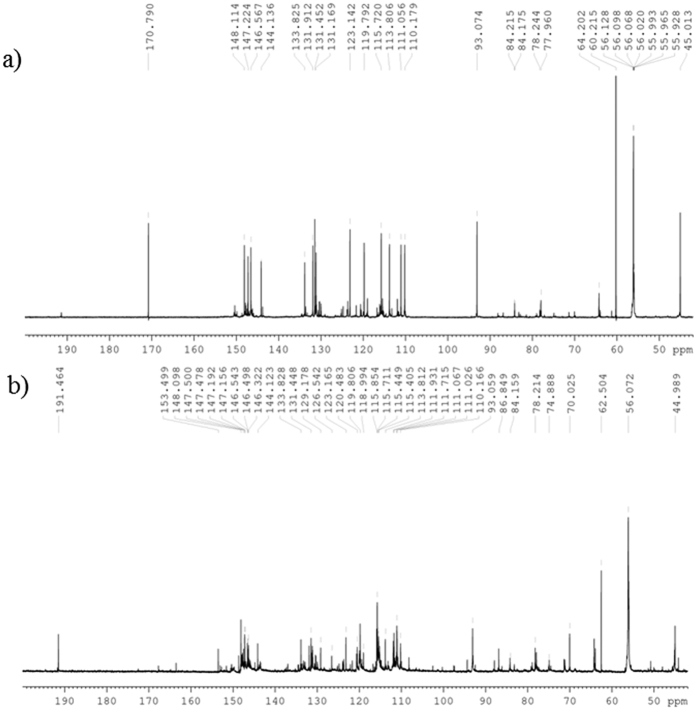
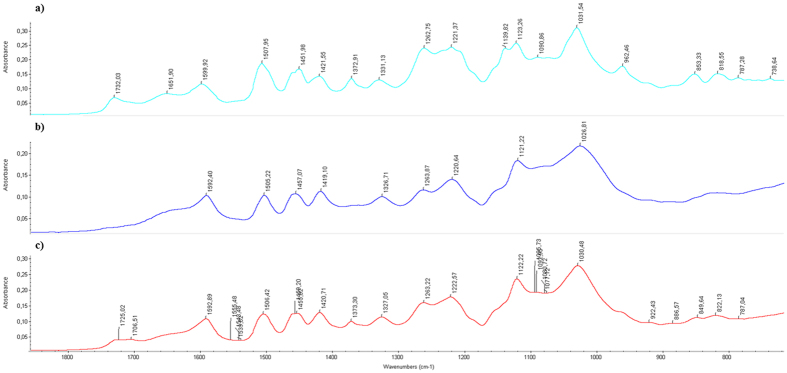
Waterlogged archaeological wood is often in need of consolidation prior to drying to prevent shrinkage and cracking of the object. There is a need for new greener materials (than for example polyethylene glycol) and methods for consolidation to be developed. The use of wood-based components could provide good interaction between the consolidant and the remaining wood structure and would also support a shift away from fossil fuel-based materials to those with more sustainable sources. Based on this, lignin-like structures have been investigated for their ability to consolidate waterlogged archaeological wood. The in situ formation of a lignin-like material has been carried out using isoeugenol polymerised by horse radish peroxidase in aqueous solution. The formation of the oligomeric/polymeric materials within the wood following this reaction has been determined by Attenuated Total Reflectance Fourier Transform Infra Red (ATR-FTIR) spectroscopy. The oligomers remaining in solution have been characterised by ATR-FTIR and nuclear magnetic resonance (NMR) spectroscopy as well as analytical ultracentrifugation, showing that they have a weight average M of 0.4-0.9 kDa and a lignin-like structure rich in the β-5' moiety. Therefore, this approach is proposed as a basis to further develop a green consolidation method for waterlogged archaeological wood.
水浸考古木材在干燥前通常需要进行加固处理,以防止物体收缩和开裂。需要开发新的更环保的材料(例如比聚乙二醇更环保的材料)和加固方法。使用木质基成分可以使加固剂与剩余的木材结构之间产生良好的相互作用,也有助于从基于化石燃料的材料转向来源更具可持续性的材料。基于此,已对类木质素结构加固水浸考古木材的能力进行了研究。使用在水溶液中由辣根过氧化物酶聚合的异丁香酚原位形成类木质素材料。通过衰减全反射傅里叶变换红外光谱(ATR-FTIR)确定了该反应后木材中低聚物/聚合物材料的形成。溶液中残留的低聚物已通过ATR-FTIR、核磁共振(NMR)光谱以及分析超速离心进行了表征,结果表明它们的重均分子量为0.4-0.9 kDa,并且具有富含β-5'部分的类木质素结构。因此,该方法被提议作为进一步开发水浸考古木材绿色加固方法的基础。