Milani Roberta, Brognara Eleonora, Fabbri Enrica, Finotti Alessia, Borgatti Monica, Lampronti Ilaria, Marzaro Giovanni, Chilin Adriana, Lee Kenneth Ka-Ho, Kok Stanton Hon-Lung, Chui Chung-Hin, Gambari Roberto
Department of Life Sciences and Biotechnology, University of Ferrara, Ferrara, Italy.
Department of Pharmaceutical and Pharmacological Sciences, University of Padova, Padova, Italy.
Oncol Res. 2018 Oct 17;26(9):1307-1315. doi: 10.3727/096504017X14928634401187. Epub 2017 May 4.
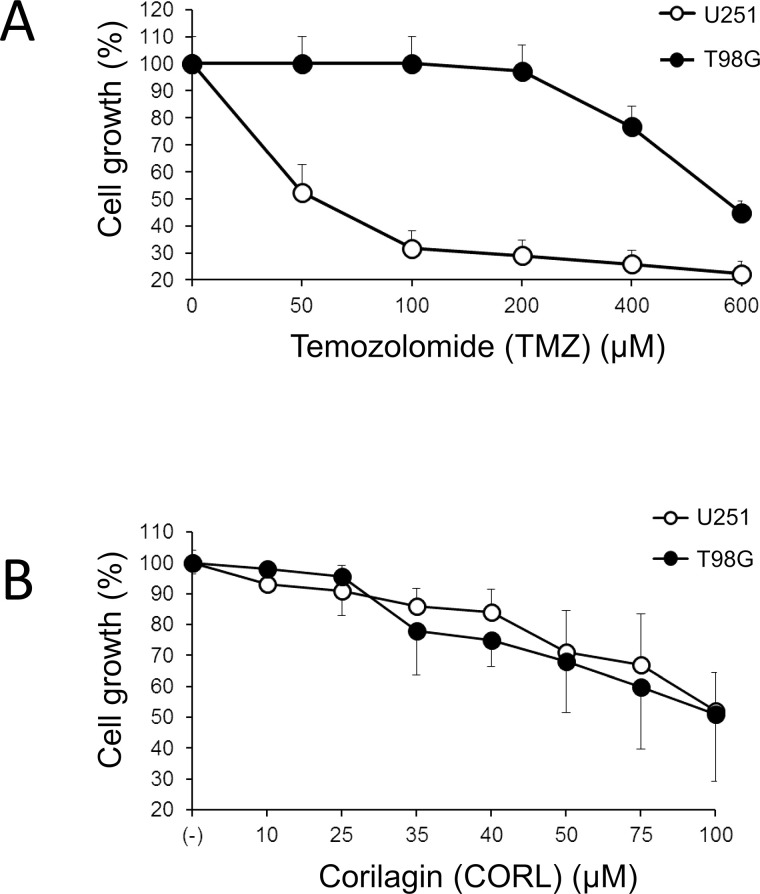
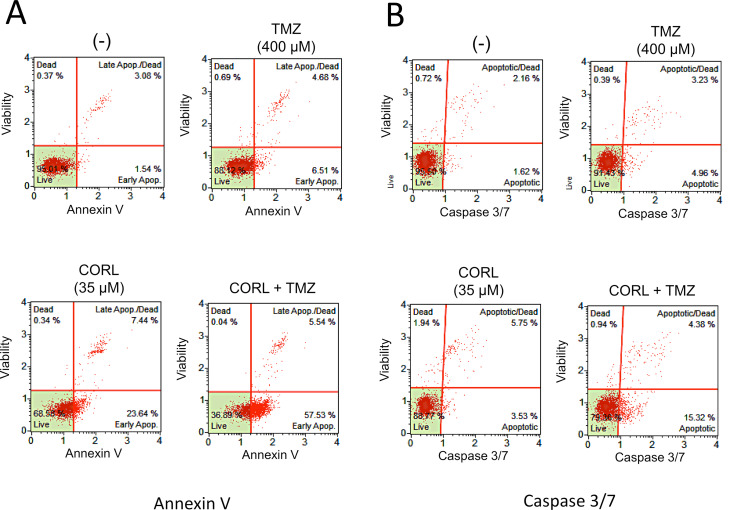
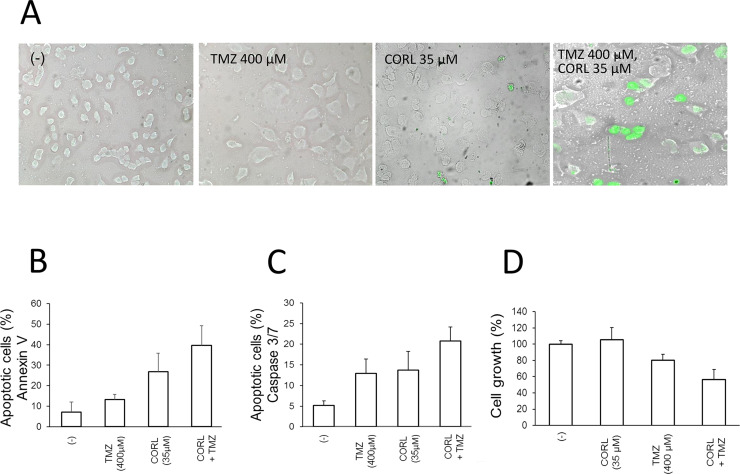
Glioblastoma multiforme (GBM), a malignant tumor of the central nervous system, has a high mortality rate. No curative treatment is presently available, and the most commonly used chemotherapeutic drug, the alkylating agent temozolomide (TMZ), is only able to increase life expectancy and is often associated with drug resistance. Therefore, an urgent need does exist for novel drugs aimed at treating gliomas. In the present study, we obtained three major results using corilagin: (a) demonstrated that it inhibits the growth of U251 glioma cells through activation of the apoptotic pathway; (b) demonstrated that it is also active on TMZ-resistant T98G glioma cells; and (c) demonstrated that when used in combination with TMZ on T98G glioma cells, a higher level of proapototic and antiproliferative effects is observed. Our study indicates that corilagin should be investigated in more detail to determine whether it can be developed as a potential therapeutic agent. In addition, our results suggest that corilagin could be used in combination with low doses of other standard anticancer chemotherapeutic drugs against gliomas (such as TMZ) with the aim of obtaining enhanced anticancer effects.
多形性胶质母细胞瘤(GBM)是一种中枢神经系统恶性肿瘤,死亡率很高。目前尚无治愈性治疗方法,最常用的化疗药物烷化剂替莫唑胺(TMZ)只能延长预期寿命,且常与耐药性相关。因此,迫切需要针对胶质瘤治疗的新型药物。在本研究中,我们使用柯里拉京获得了三个主要结果:(a)证明它通过激活凋亡途径抑制U251胶质瘤细胞的生长;(b)证明它对TMZ耐药的T98G胶质瘤细胞也有活性;(c)证明当与TMZ联合用于T98G胶质瘤细胞时,观察到更高水平的促凋亡和抗增殖作用。我们的研究表明,应更详细地研究柯里拉京,以确定它是否可以开发成为一种潜在的治疗药物。此外,我们的结果表明,柯里拉京可与低剂量的其他标准抗胶质瘤化疗药物(如TMZ)联合使用,以增强抗癌效果。