Wojkowska Dagmara Weronika, Szpakowski Piotr, Glabinski Andrzej
Department of Neurology and Stroke, Medical University of Lodz, Zeromskiego 113, 90-549 Lodz, Poland.
Int J Mol Sci. 2017 May 8;18(5):1000. doi: 10.3390/ijms18051000.
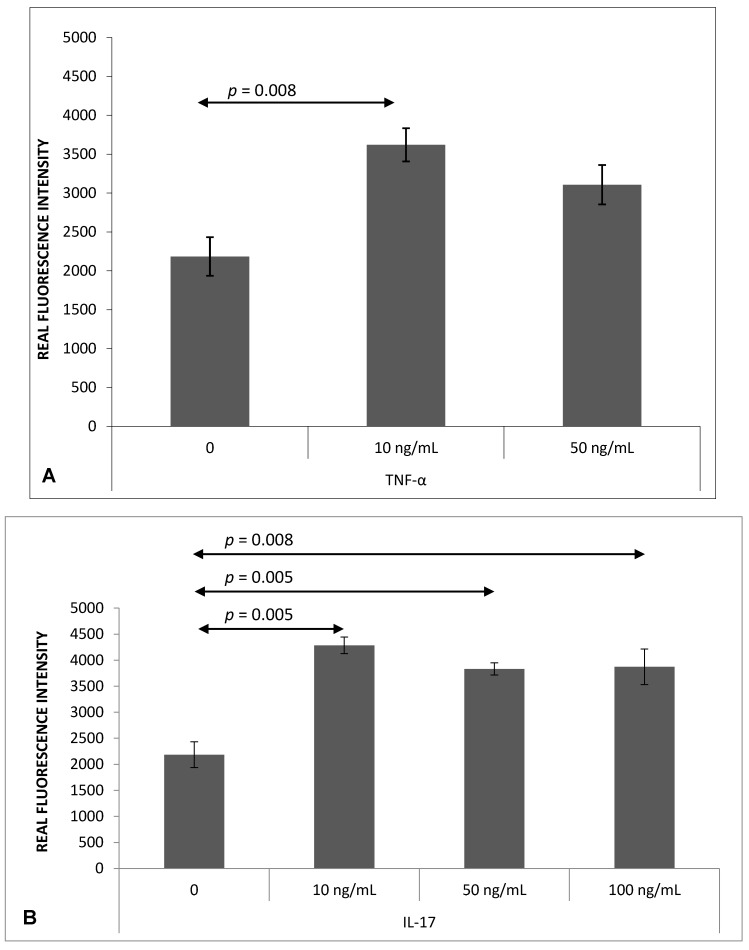
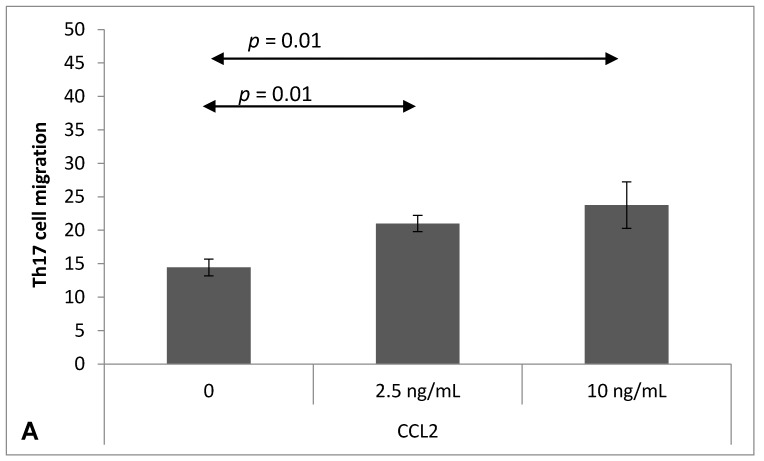
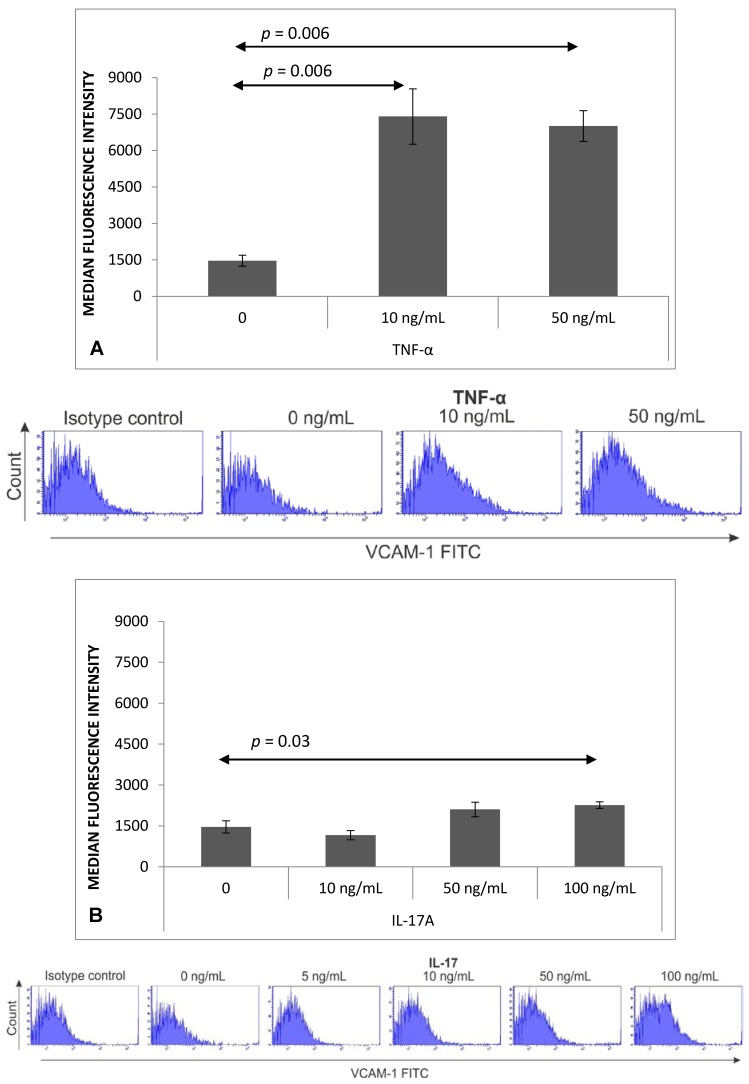
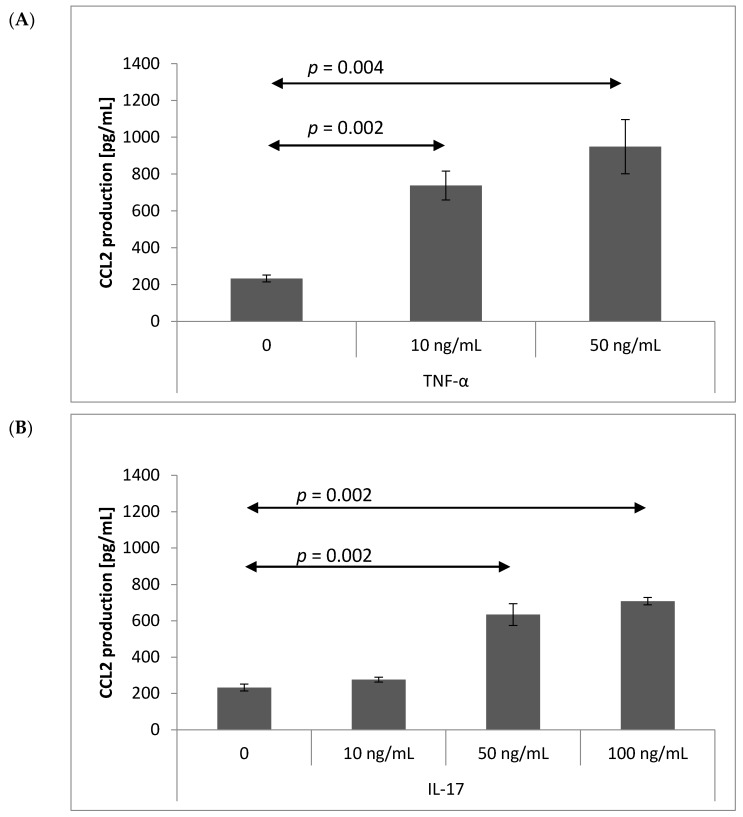
The nature of the interaction between Th17 cells and the blood-brain barrier (BBB) is critical for the development of autoimmune inflammation in the central nervous system (CNS). Tumor necrosis factor alpha (TNF-α) or interleukin 17 (IL-17) stimulation is known to enhance the adherence of Th17 cells to the brain endothelium. The brain endothelial cells (bEnd.3) express Vascular cell adhesion molecule 1 (VCAM-1), the receptor responsible for inflammatory cell adhesion, which binds very late antigen 4 (VLA-4) on migrating effector lymphocytes at the early stage of brain inflammation. The present study examines the effect of the pro-inflammatory cytokines TNF-α and IL-17 on the adherence of Th17 cells to bEnd.3. The bEnd.3 cells were found to increase production of CCL2 and CXCL1 after stimulation by pro-inflammatory cytokines, while CCL2, CCL5, CCL20 and IL17 induced Th17 cell migration through a bEnd.3 monolayer. This observation may suggest potential therapeutic targets for the prevention of autoimmune neuroinflammation development in the CNS.
Th17细胞与血脑屏障(BBB)之间相互作用的性质对于中枢神经系统(CNS)自身免疫性炎症的发展至关重要。已知肿瘤坏死因子α(TNF-α)或白细胞介素17(IL-17)刺激可增强Th17细胞与脑内皮的黏附。脑内皮细胞(bEnd.3)表达血管细胞黏附分子1(VCAM-1),它是负责炎症细胞黏附的受体,在脑炎症早期与迁移的效应淋巴细胞上的极迟抗原4(VLA-4)结合。本研究考察了促炎细胞因子TNF-α和IL-17对Th17细胞与bEnd.3黏附的影响。发现bEnd.3细胞在促炎细胞因子刺激后CCL2和CXCL1的产生增加,而CCL2、CCL5、CCL20和IL17可诱导Th17细胞通过bEnd.3单层迁移。这一观察结果可能提示了预防CNS自身免疫性神经炎症发展的潜在治疗靶点。