Nicol Stewart C
Biological Sciences, University of TasmaniaHobart, TAS, Australia.
Front Neurosci. 2017 Apr 21;11:195. doi: 10.3389/fnins.2017.00195. eCollection 2017.
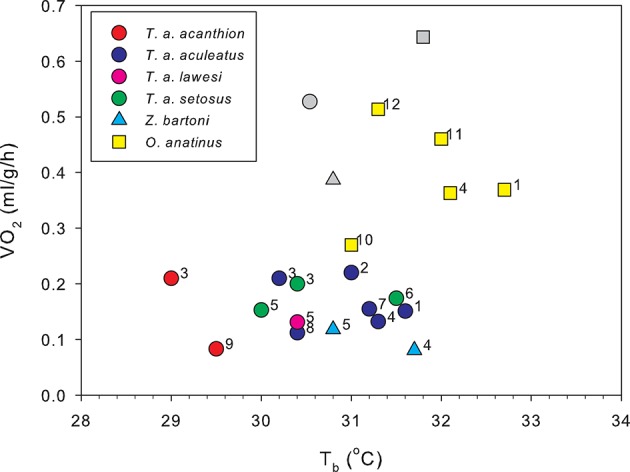
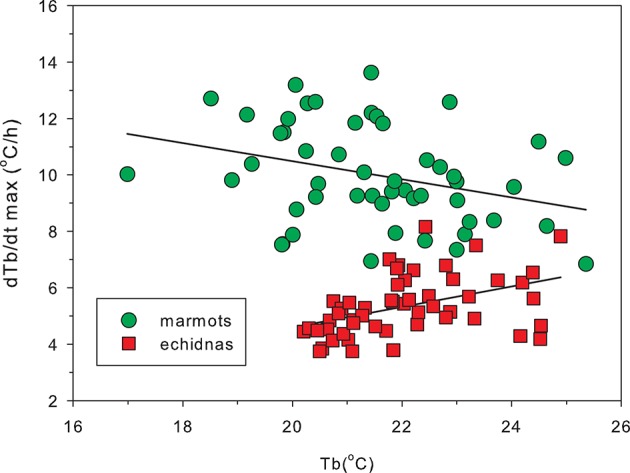
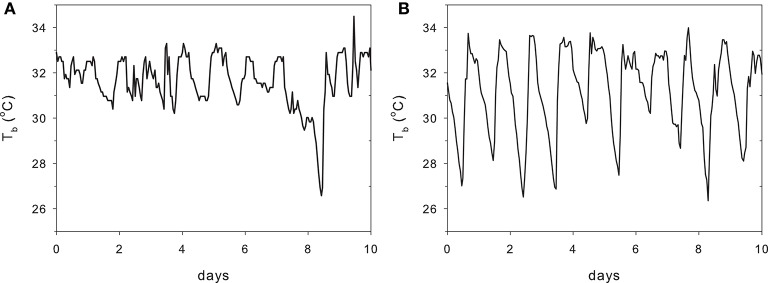
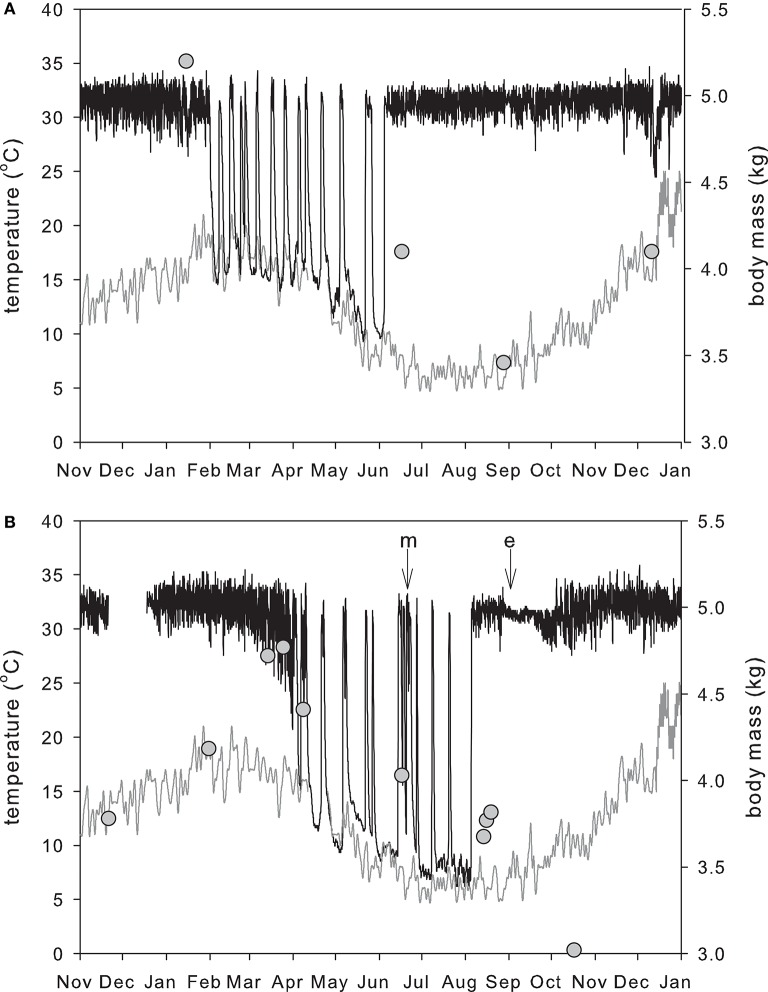
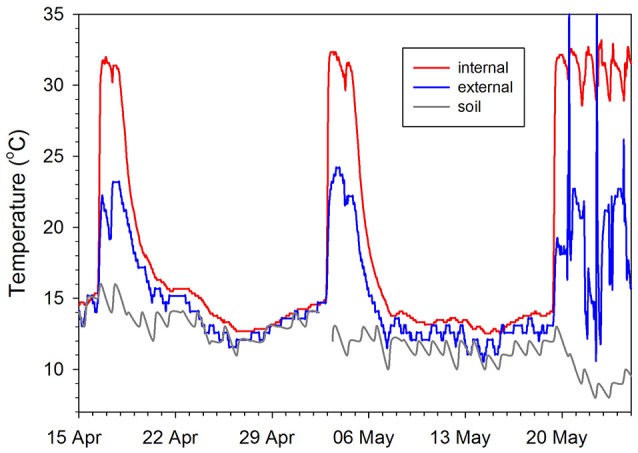
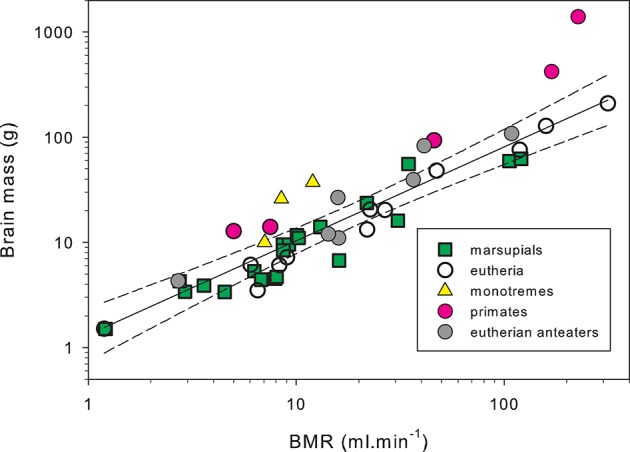
In 1803, the French anatomist Étienne Geoffroy Saint-Hilaire decided that the newly described echidna and platypus should be placed in a separate order, the monotremes, intermediate between reptiles and mammals. The first physiological observations showed monotremes had low body temperatures and metabolic rates, and the consensus was that they were at a stage of physiological development intermediate between "higher mammals" and "lower vertebrates." Subsequent studies demonstrated that platypuses and echidnas are capable of close thermoregulation in the cold although less so under hot conditions. Because the short-beaked echidna , may show very large daily variations in body temperature, as well as seasonal hibernation, it has been suggested that it may provide a useful model of protoendotherm physiology. Such analysis is complicated by the very significant differences in thermal relations between echidnas from different climates. In all areas female echidnas regulate T within 1°C during egg incubation. The lactation period is considered to be the most energetically expensive time for most female mammals but lactating echidnas showed no measurable difference in field metabolic rate from non-lactating females, while the lactation period is more than 200 days for Kangaroo Island echidnas but only 150 days in Tasmania. In areas with mild winters echidnas show reduced activity and shallow torpor in autumn and early winter, but in areas with cold winters echidnas enter true hibernation with T falling as low as 4.5°C. Monotremes do not possess brown adipose tissue and maximum rates of rewarming from hibernation in echidnas were only half those of marmots of the same mass. Although echidnas show very large seasonal variations in fat stores associated with hibernation there is no relationship between plasma leptin and adiposity. Leptin levels are lowest during post-reproductive fattening, supporting suggestions that in evolutionary terms the anorectic effects of leptin preceded the adiposity signal. BMR of platypuses is twice that of echidnas although maximum metabolism is similar. High levels of thyroid hormones in platypuses may be driving metabolism limited by low body temperature. Monotremes show a mosaic of plesiomorphic and derived features but can still inform our understanding of the evolution of endothermy.
1803年,法国解剖学家艾蒂安·若弗鲁瓦·圣伊莱尔决定,将新描述的针鼹和鸭嘴兽归为一个单独的目——单孔目,它们介于爬行动物和哺乳动物之间。最初的生理学观察表明,单孔目动物体温低、代谢率低,人们普遍认为它们正处于生理发育阶段,介于“高等哺乳动物”和“低等脊椎动物”之间。随后的研究表明,鸭嘴兽和针鼹在寒冷环境中能够进行良好的体温调节,不过在炎热条件下调节能力较弱。由于短喙针鼹的体温可能会出现很大的每日波动,还会季节性冬眠,有人认为它可能是原始体温调节生理学的有用模型。来自不同气候地区的针鼹在热关系上存在非常显著的差异,这使得此类分析变得复杂。在所有地区,雌性针鼹在孵卵期间将体温调节在1摄氏度以内。哺乳期被认为是大多数雌性哺乳动物能量消耗最高的时期,但哺乳期的针鼹与非哺乳期的针鼹相比,野外代谢率没有可测量的差异,而袋鼠岛针鼹的哺乳期超过200天,塔斯马尼亚的针鼹哺乳期仅150天。在冬季温和的地区,针鼹在秋季和初冬活动减少,进入浅蛰伏状态,但在冬季寒冷的地区,针鼹会进入真正的冬眠,体温可降至4.5摄氏度。单孔目动物没有褐色脂肪组织,针鼹从冬眠中复温的最大速率仅为同等体重土拨鼠的一半。尽管针鼹的脂肪储备会随着冬眠出现很大的季节性变化,但血浆瘦素与肥胖程度之间没有关联。瘦素水平在繁殖后育肥期最低,这支持了从进化角度来看,瘦素的厌食作用先于肥胖信号的观点。鸭嘴兽的基础代谢率是针鼹的两倍,不过最大代谢率相似。鸭嘴兽体内高水平的甲状腺激素可能在推动受低体温限制的代谢。单孔目动物呈现出一系列古老和衍生的特征,但仍能帮助我们理解体温调节的进化。