Mohamed Yasser Helmy, Uematsu Masafumi, Inoue Daisuke, Kitaoka Takashi
Department of Ophthalmology and Visual Sciences, Graduate School of Biomedical Sciences, Nagasaki University, Nagasaki, Japan Department of Ophthalmology, EL-Minia University Hospital, EL-Minia, Egypt.
Medicine (Baltimore). 2017 May;96(19):e6906. doi: 10.1097/MD.0000000000006906.
To report a case of non-Descemet Stripping Automated Endothelial Keratoplasty (nDSAEK) using heads-up surgery.
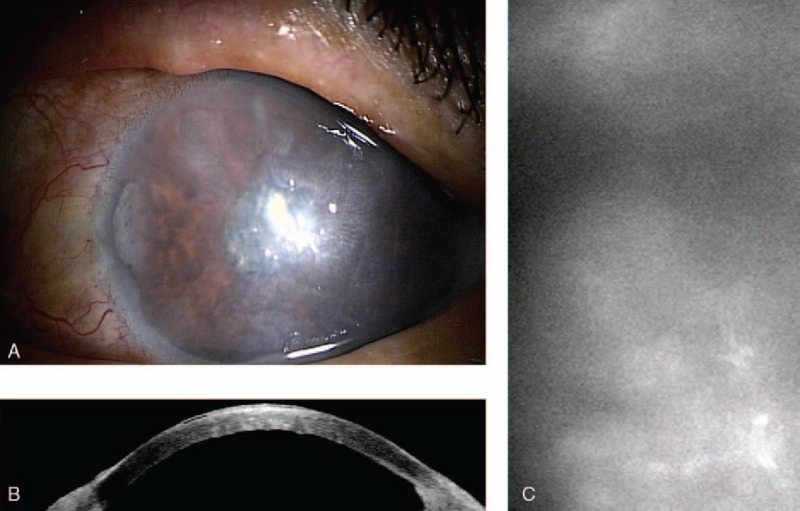
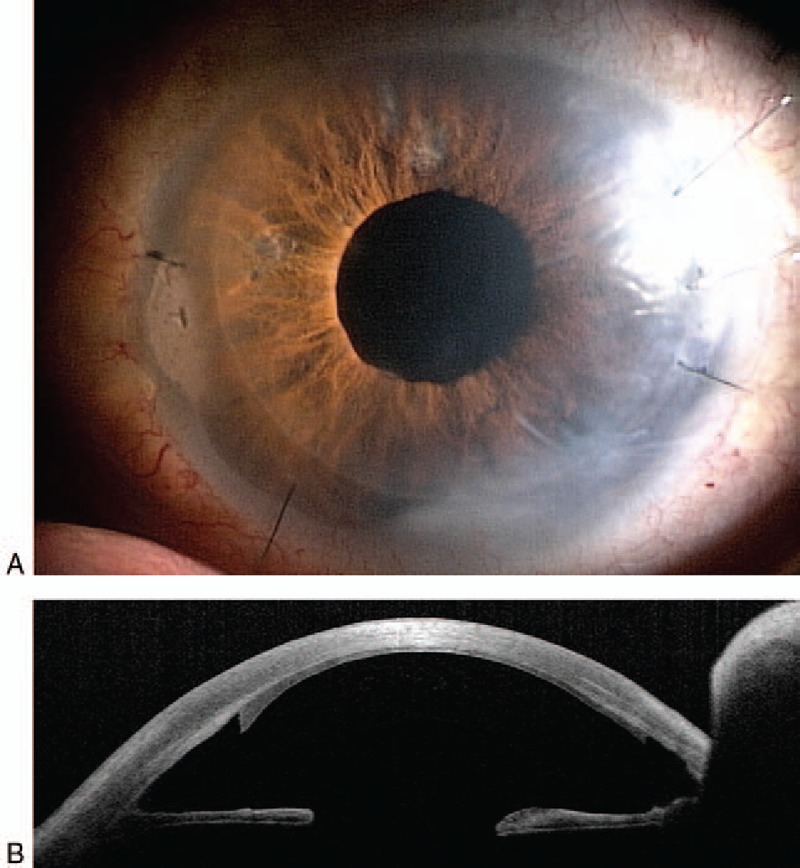
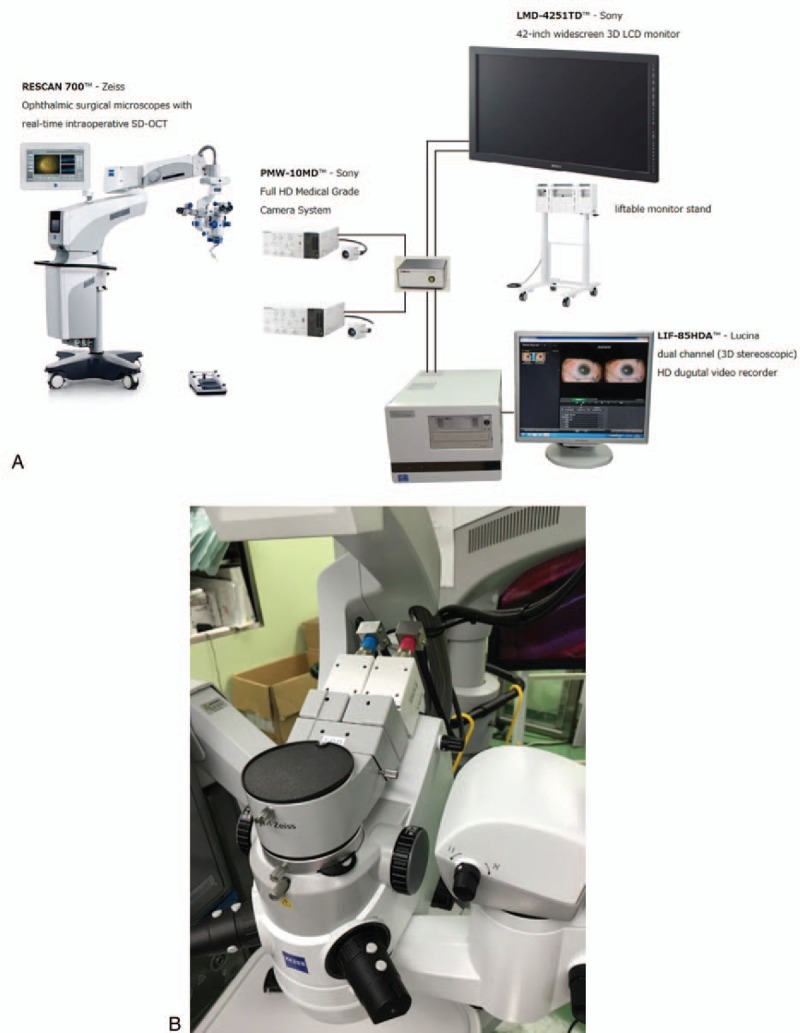
CASE/INTERVENTION: The case was a 72-years-old man who had history of left eye blunt trauma since childhood. One year ago, the patient was diagnosed to have left posttraumatic bullous keratopathy. The patient underwent lt nDSAEK by using the heads-up three-dimensional (3D) system last July. The surgery was performed with a Rescan 700 surgical microscope (Carl Zeiss), which is integrated with intraoperative optical coherence tomography (iOCT) system. During surgery, the surgeon and audience wore 3D passive polarized glasses. A 42 inch high-definition (HD) display and 2 HD cameras (Sony) were used. With this 3D system, the nDSAEK procedure before the graft insertion into the anterior chamber was easy especially with available high magnification. Also, using iOCT of the system enables the surgeon to detect any residual fluid at the donor graft-recipient interface and locate its place to be drained. The only disadvantage of the system was the difficulty in the detection of nDSAEK graft depth in the anterior chamber, which required frequent focus change during the surgery. Although the surgeon frequently adjusted the focus for clear stereoscopic view of the graft, he did not feel any eye strain or discomfort. All other steps of the procedure were performed without any problem and postoperative course of the patient was good.
Using heads-up surgery for performing anterior segment surgeries is encouraging and promising.
报告一例使用抬头式手术进行非穿透性角膜内皮移植术(nDSAEK)的病例。
病例/干预措施:该病例为一名72岁男性,自童年起有左眼钝挫伤史。一年前,患者被诊断为左眼角膜外伤后大泡性角膜病变。去年7月,患者使用抬头式三维(3D)系统接受了左眼nDSAEK手术。手术使用了与术中光学相干断层扫描(iOCT)系统集成的Rescan 700手术显微镜(卡尔·蔡司公司)。手术过程中,外科医生和观众佩戴3D被动偏振眼镜。使用了一台42英寸高清(HD)显示器和两台高清摄像机(索尼公司)。借助此3D系统,在植片植入前房之前的nDSAEK手术操作轻松,尤其是在可实现高放大倍数的情况下。此外,使用该系统的iOCT可使外科医生检测供体植片与受体界面处的任何残留液体,并确定其引流位置。该系统的唯一缺点是在前房中检测nDSAEK植片深度存在困难,这在手术过程中需要频繁改变焦点。尽管外科医生频繁调整焦点以获得植片清晰的立体视图,但他并未感到任何眼疲劳或不适。手术的所有其他步骤均顺利进行,患者术后恢复良好。
使用抬头式手术进行眼前节手术令人鼓舞且前景广阔。