Molecular Biology, Genetics and Bioegineering Program, Sabanci University, Istanbul, 34956, Turkey.
Department of Biomedical Engineering, School of Life Sciences, Ulsan National Institute of Science and Technology (UNIST), Ulsan, 44919, Republic of Korea.
Sci Rep. 2017 May 17;7(1):2050. doi: 10.1038/s41598-017-02172-7.
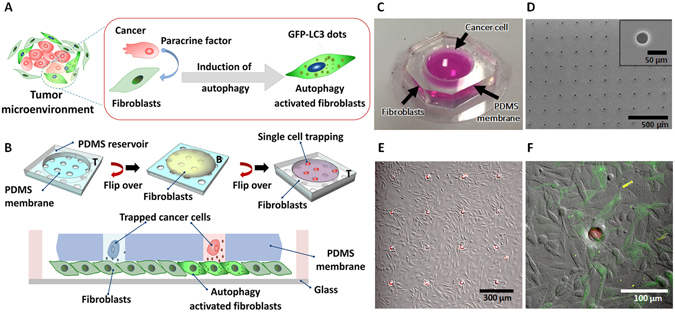
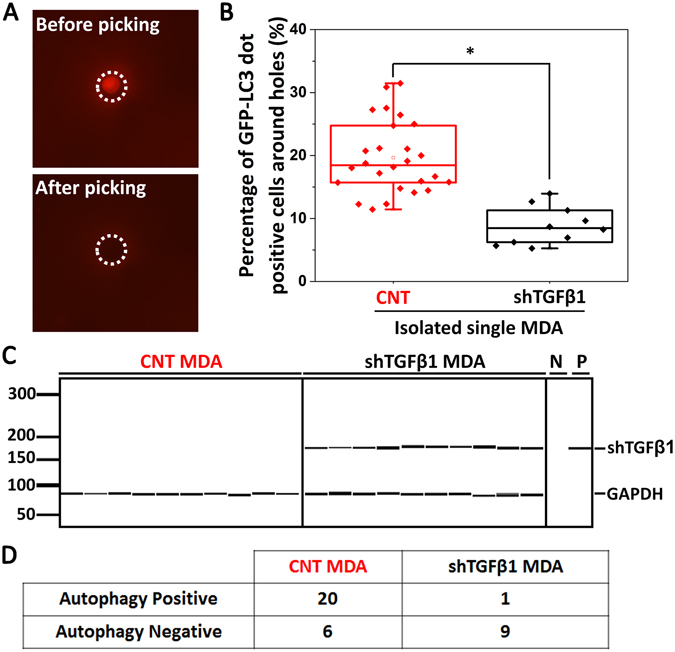
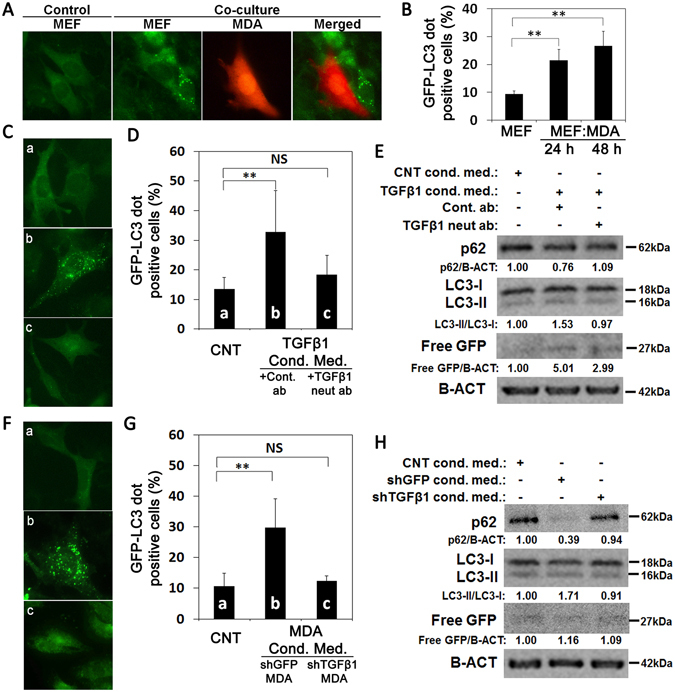
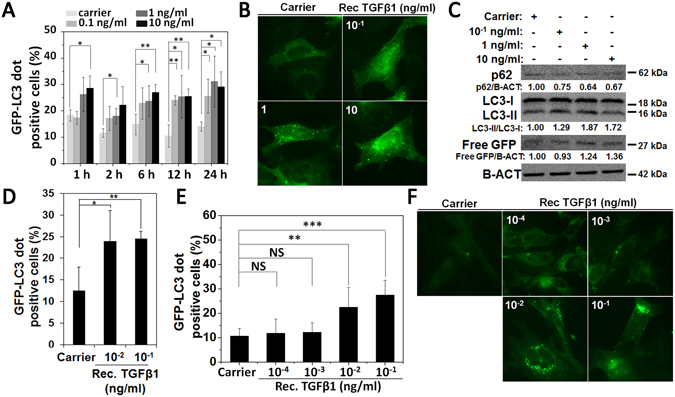
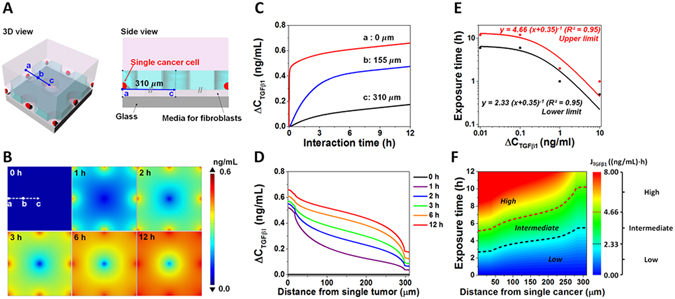
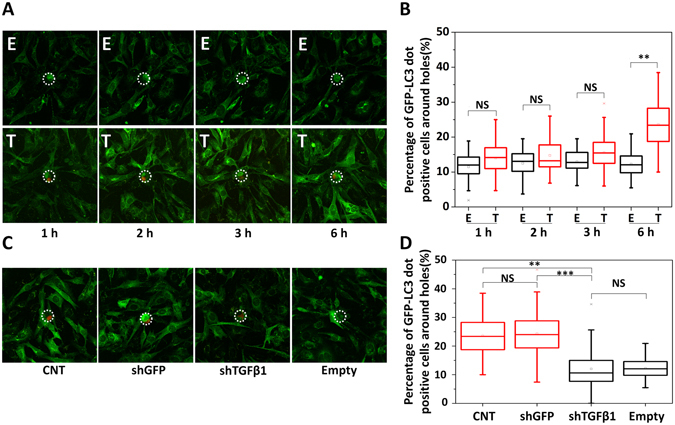
Autophagy is a cellular homeostatic mechanism where proteins and organelles are digested and recycled to provide an alternative source of building blocks and energy to cells. The role of autophagy in cancer microenvironment is still poorly understood. Here, we present a microfluidic system allowing monitoring of the crosstalk between single cells. We used this system to study how tumor cells induced autophagy in the stromal niche. Firstly, we could confirm that transforming growth factor β1 (TGFβ1) secreted from breast tumor cells is a paracrine mediator of tumor-stroma interaction leading to the activation of autophagy in the stroma component fibroblasts. Through proof of concept experiments using TGFβ1 as a model factor, we could demonstrate real time monitoring of autophagy induction in fibroblasts by single tumor cells. Retrieval of individual tumor cells from the microfluidic system and their subsequent genomic analysis was possible, allowing us to determine the nature of the factor mediating tumor-stroma interactions. Therefore, our microfluidic platform might be used as a promising tool for quantitative investigation of tumor-stroma interactions, especially for and high-throughput screening of paracrine factors that are secreted from heterogeneous tumor cell populations.
自噬是一种细胞内稳态机制,其中蛋白质和细胞器被消化和回收,为细胞提供替代的构建块和能量来源。自噬在癌症微环境中的作用仍知之甚少。在这里,我们提出了一种微流控系统,允许监测单细胞之间的串扰。我们使用该系统研究了肿瘤细胞如何在基质龛中诱导自噬。首先,我们可以证实,转化生长因子β 1(TGFβ1)从乳腺癌细胞分泌是肿瘤-基质相互作用的旁分泌介质,导致基质成分成纤维细胞中自噬的激活。通过使用 TGFβ1 作为模型因子的概念验证实验,我们可以证明单个肿瘤细胞实时监测成纤维细胞中自噬的诱导。从微流控系统中取回单个肿瘤细胞,并对其进行后续的基因组分析是可能的,这使我们能够确定介导肿瘤-基质相互作用的因子的性质。因此,我们的微流控平台可能被用作定量研究肿瘤-基质相互作用的有前途的工具,特别是用于高通量筛选从异质肿瘤细胞群体分泌的旁分泌因子。