Swiergosz Andrew M, Kasdan Morton L, Wilhelmi Bradon J
University of Louisville School of Medicine, Louisville, Ky.
Eplasty. 2017 May 5;17:e16. eCollection 2017.
Physicians should be aware of patients trying to obtain a diagnosis for secondary gain. Malingering is a diagnosis that should be suspected when objective findings do not support the subjective symptoms and there is secondary gain.
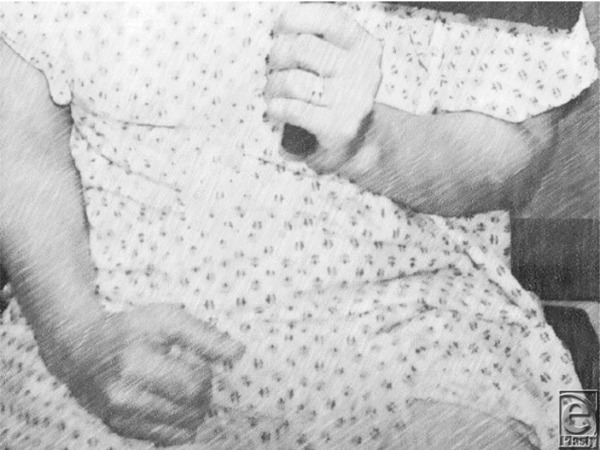
A series of 21 cases are presented that support this position. The charts of 21 patients with a diagnosis of reflex sympathetic dystrophy (chronic regional pain syndrome) and nonanatomic findings were evaluated.
The patients in this series were found to be malingering based on discrepancies between subjective symptoms and objective findings.
The diagnosis of malingering should be based on thorough history, physical examination, electrodiagnostic studies, imaging studies, and evaluation of all medical records.
医生应警惕患者为继发获益而寻求诊断。当客观检查结果不支持主观症状且存在继发获益时,应怀疑诈病。
呈现了一系列21例支持这一观点的病例。对21例诊断为反射性交感神经营养不良(慢性区域疼痛综合征)且无解剖学异常发现的患者病历进行了评估。
基于主观症状与客观检查结果之间的差异,发现该系列患者存在诈病行为。
诈病的诊断应基于详尽的病史、体格检查、电诊断检查、影像学检查以及对所有病历的评估。