Blázquez-Sánchez María Teresa, de Matos Ana M, Rauter Amélia P
Centro de Química e Bioquímica, Faculdade de Ciências, Universidade de Lisboa, Ed C8, Piso 5, Campo Grande, 1749-016 Lisboa, Portugal.
Molecules. 2017 May 24;22(6):864. doi: 10.3390/molecules22060864.
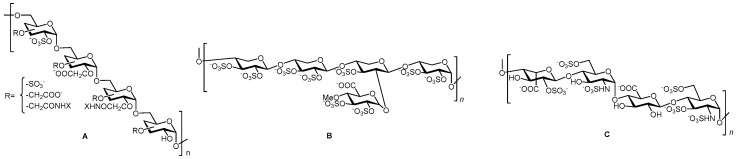
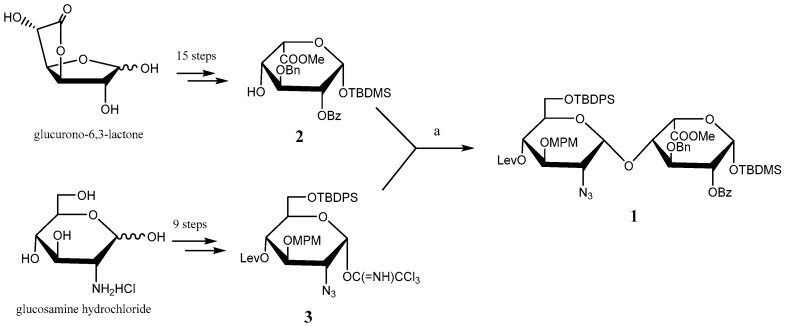
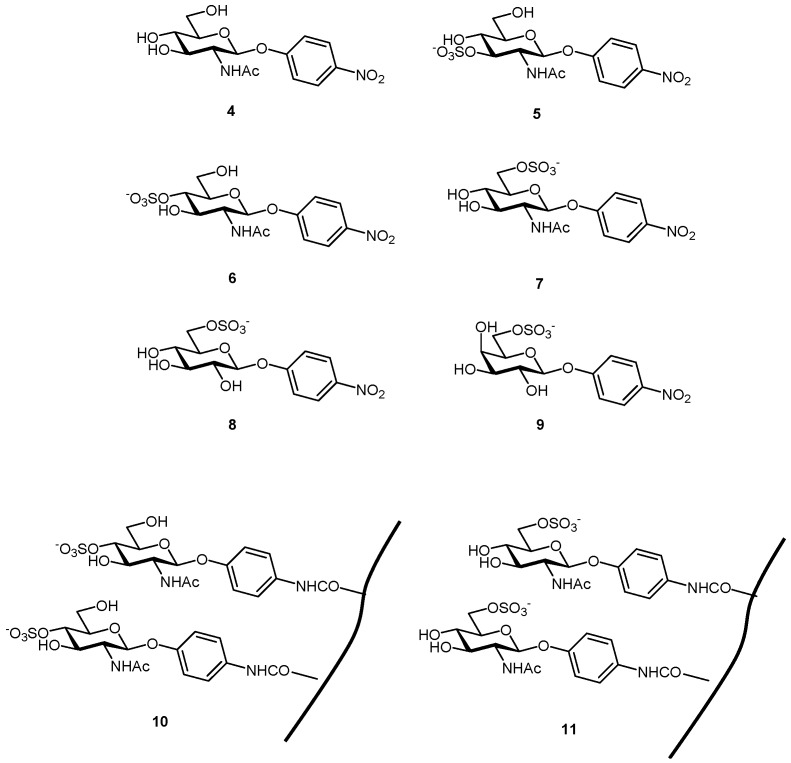
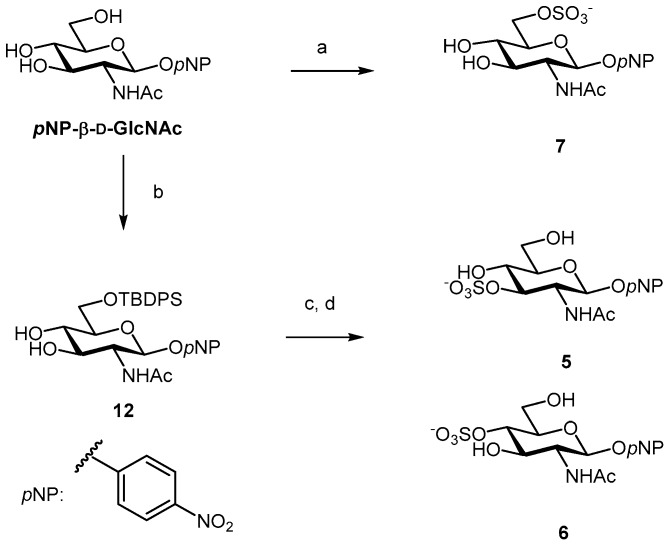
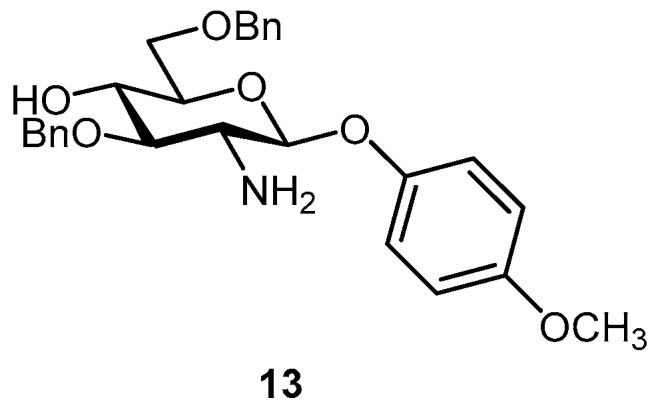
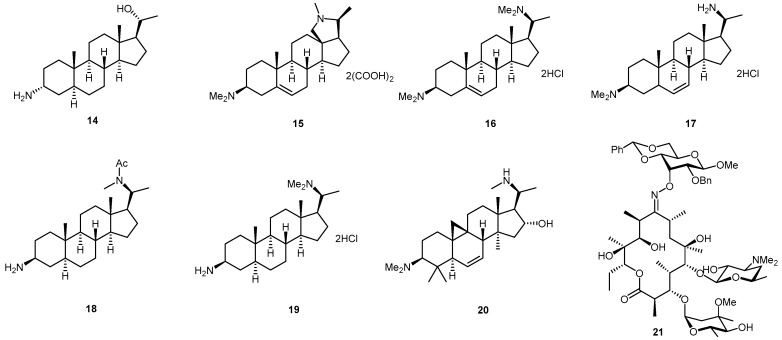
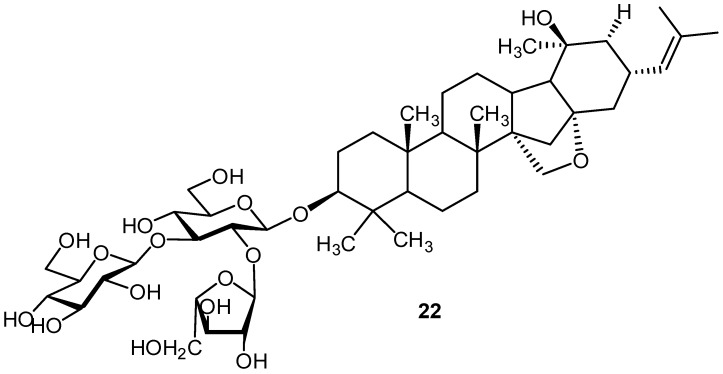
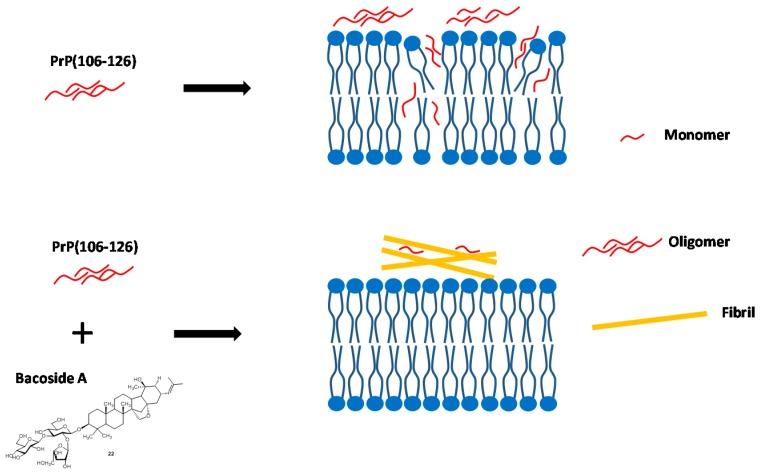
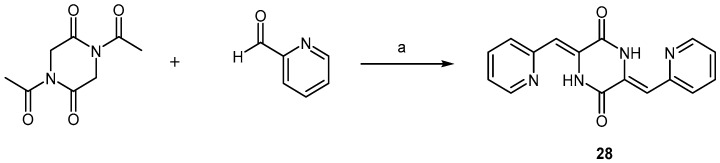
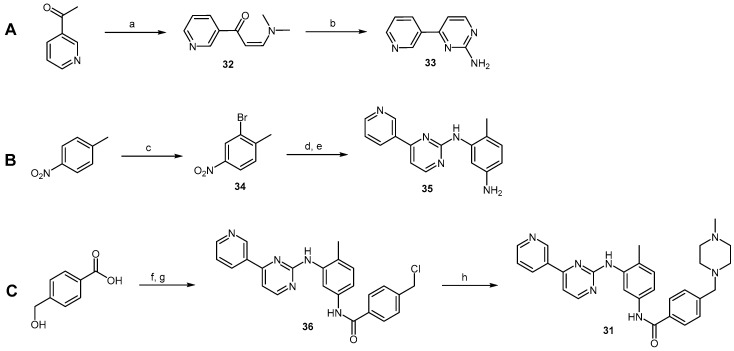
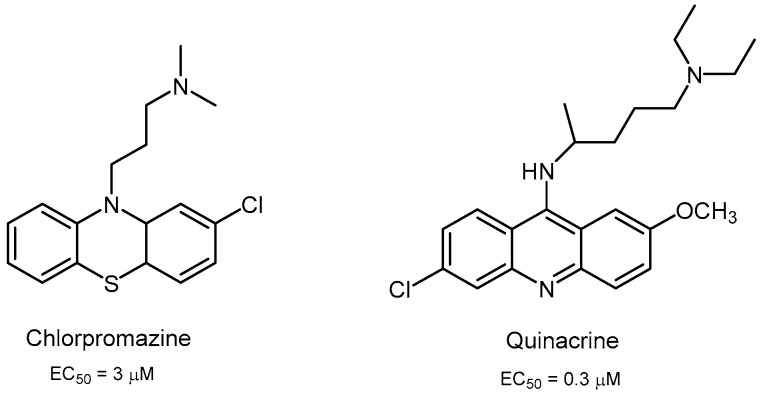
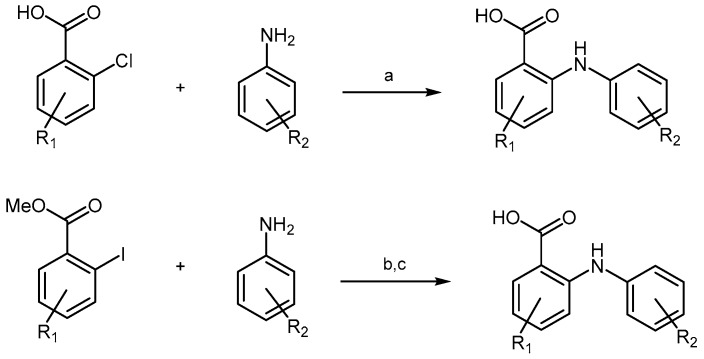
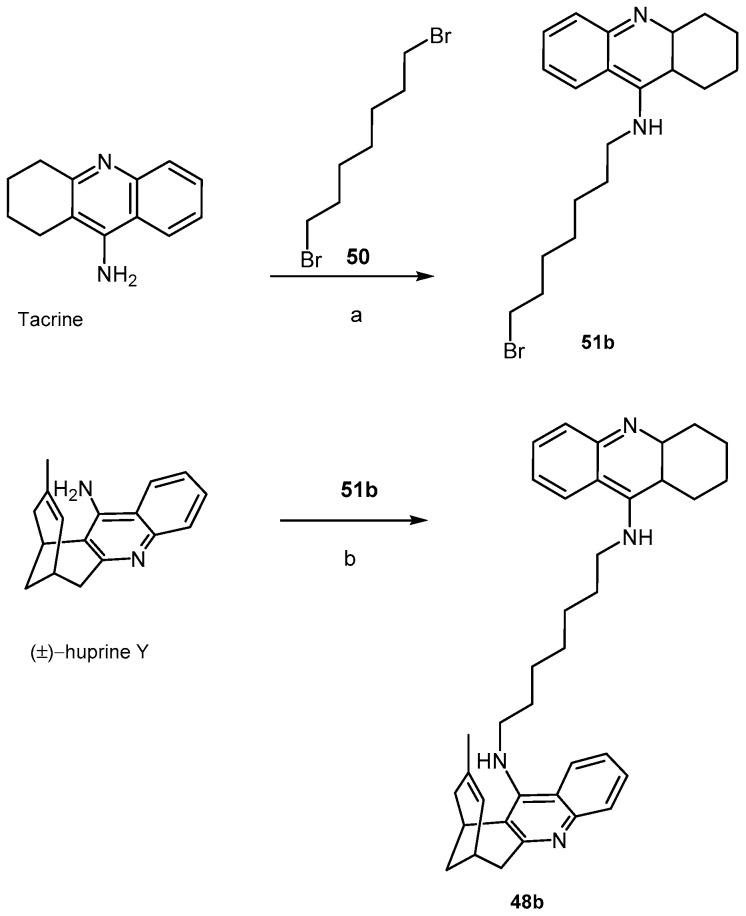
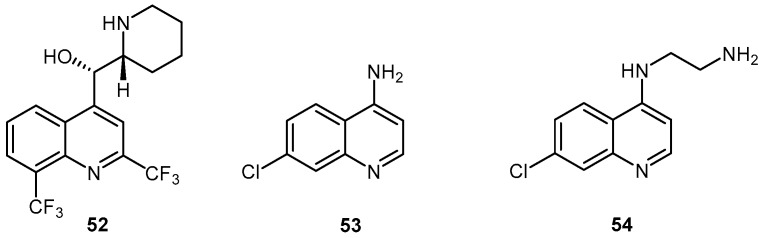
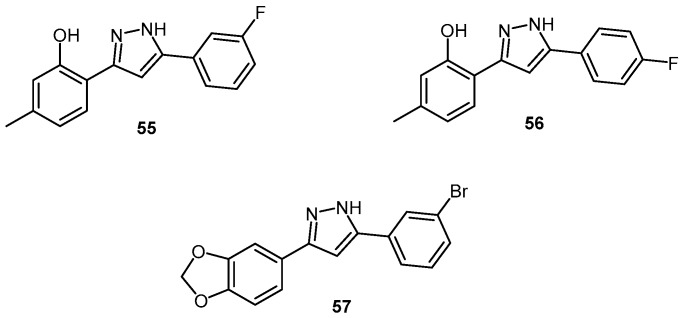
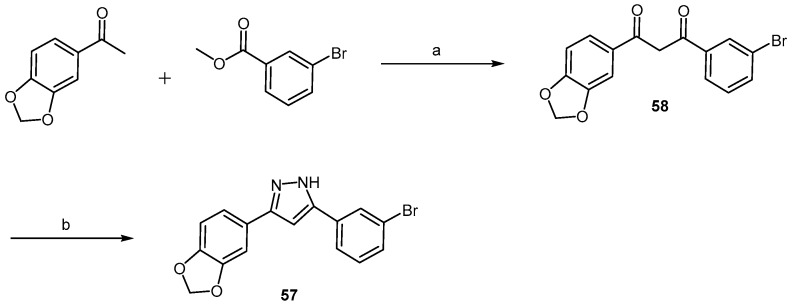
Prion diseases are fatal neurodegenerative disorders caused by protein misfolding and aggregation, affecting the brain progressively and consequently the quality of life. Alzheimer's is also a protein misfolding disease, causing dementia in over 40 million people worldwide. There are no therapeutics able to cure these diseases. Cellular prion protein is a high-affinity binding partner of amyloid β (Aβ) oligomers, the most toxic species in Alzheimer's pathology. These findings motivate the development of new chemicals for a better understanding of the events involved. Disease control is far from being reached by the presently known therapeutics. In this review we describe the synthesis and mode of action of molecular entities with intervention in prion diseases' biological processes and, if known, their role in Alzheimer's. A diversity of structures is covered, based on glycans, steroids and terpenes, heterocycles, polyphenols, most of them embodying aromatics and a structural complexity. These molecules may be regarded as chemical tools to foster the understanding of the complex mechanisms involved, and to encourage the scientific community towards further developments for the cure of these devastating diseases.
朊病毒疾病是由蛋白质错误折叠和聚集引起的致命性神经退行性疾病,会逐渐影响大脑,进而影响生活质量。阿尔茨海默病也是一种蛋白质错误折叠疾病,全球有超过4000万人受其导致的痴呆症影响。目前尚无能够治愈这些疾病的疗法。细胞朊蛋白是淀粉样β(Aβ)寡聚体的高亲和力结合伴侣,而Aβ寡聚体是阿尔茨海默病病理学中最具毒性的物质。这些发现促使人们开发新的化学物质,以更好地了解其中涉及的事件。目前已知的疗法远未实现疾病控制。在本综述中,我们描述了干预朊病毒疾病生物学过程的分子实体的合成和作用方式,以及如果已知的话,它们在阿尔茨海默病中的作用。涵盖了多种结构,包括基于聚糖、类固醇和萜类、杂环、多酚的结构,其中大多数都含有芳香族结构且具有结构复杂性。这些分子可被视为促进对所涉及的复杂机制的理解,并鼓励科学界为治愈这些毁灭性疾病进行进一步研究的化学工具。