Schaefer Susanne, Svenstrup Tina H, Guerra Barbara
Department of Biochemistry and Molecular Biology, University of Southern Denmark, Odense, Denmark.
PLoS One. 2017 May 18;12(5):e0177706. doi: 10.1371/journal.pone.0177706. eCollection 2017.
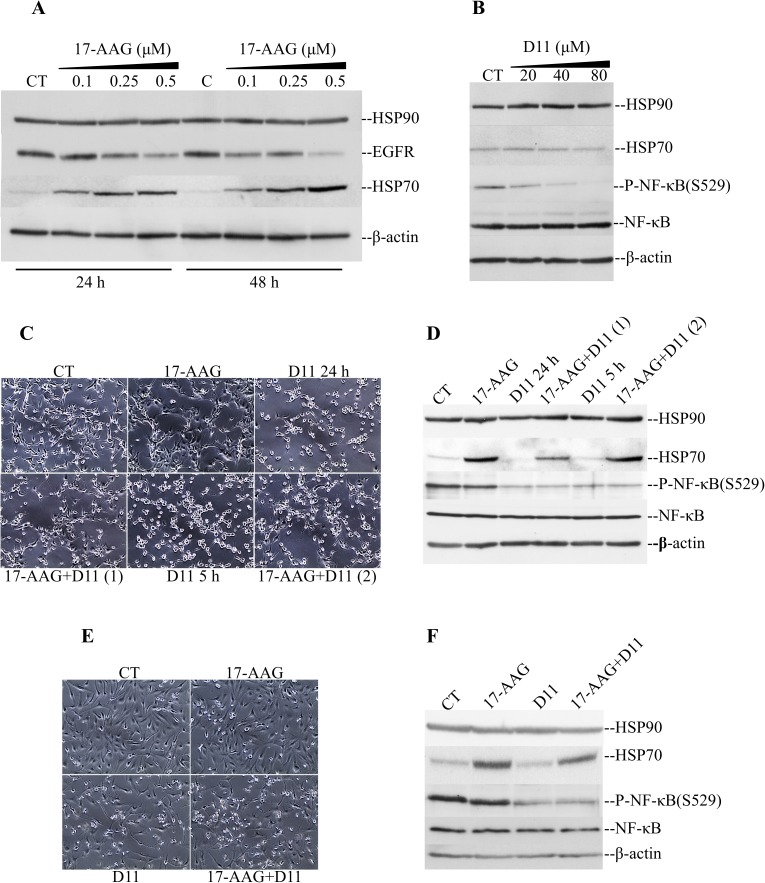
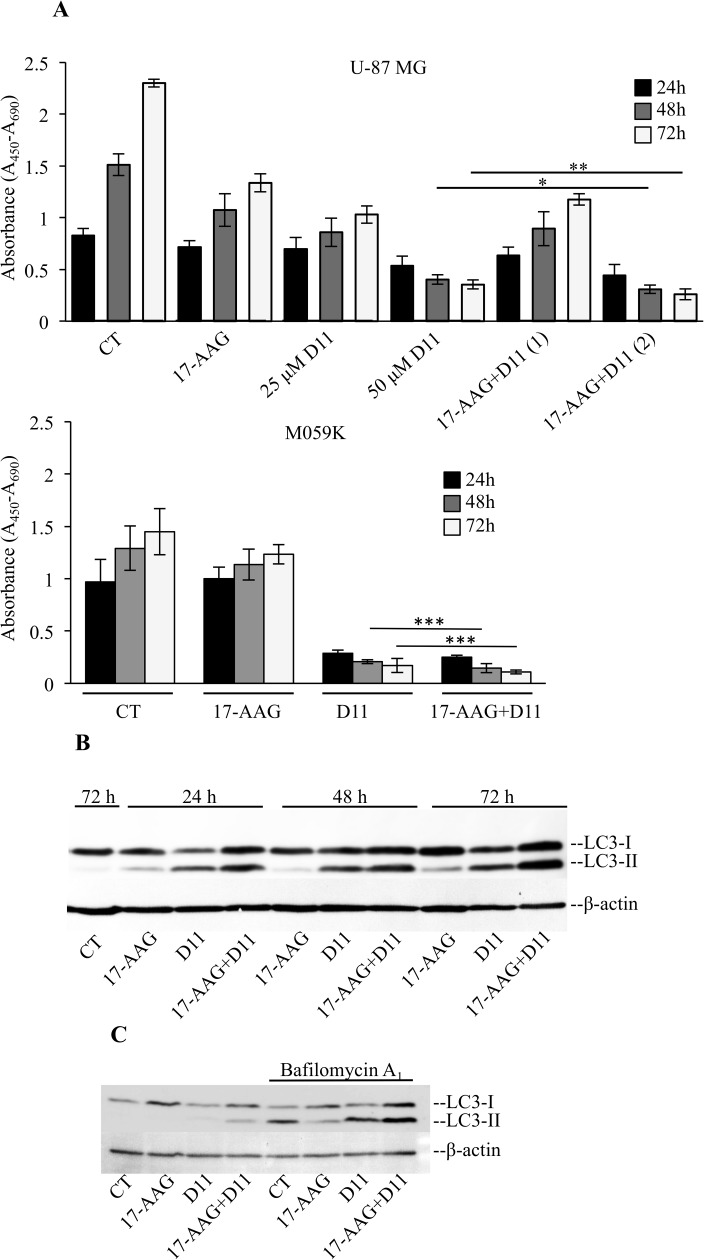
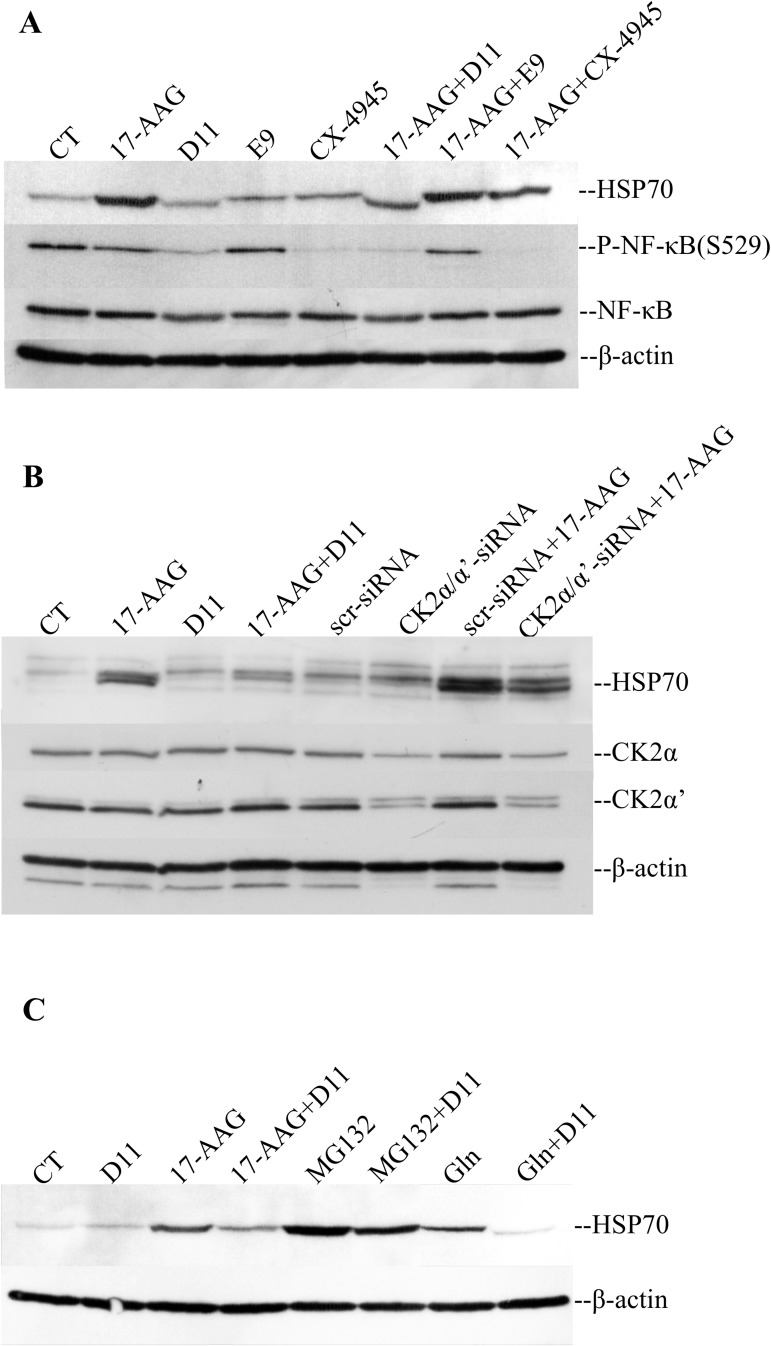
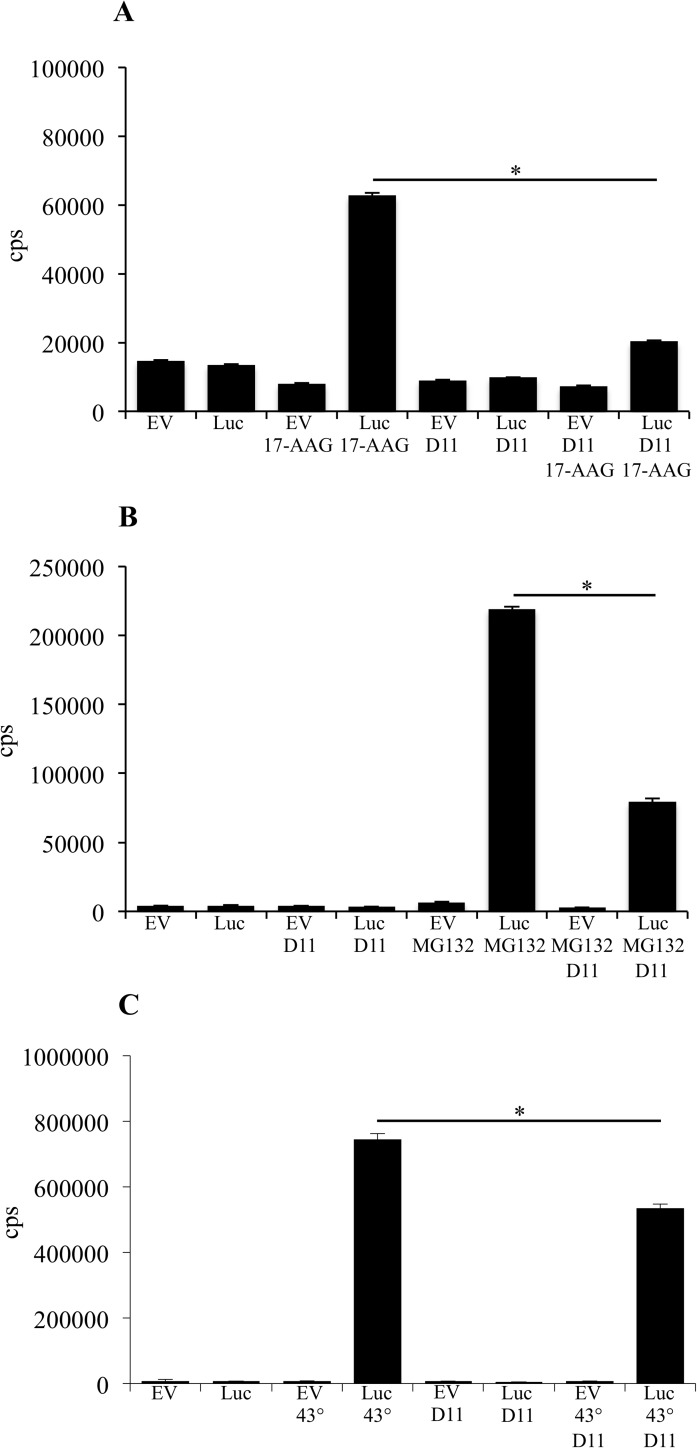
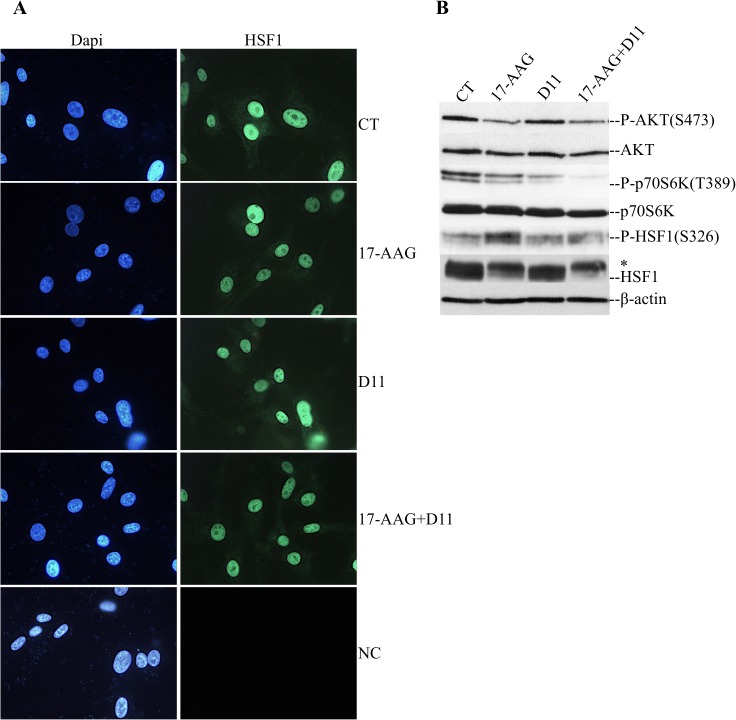
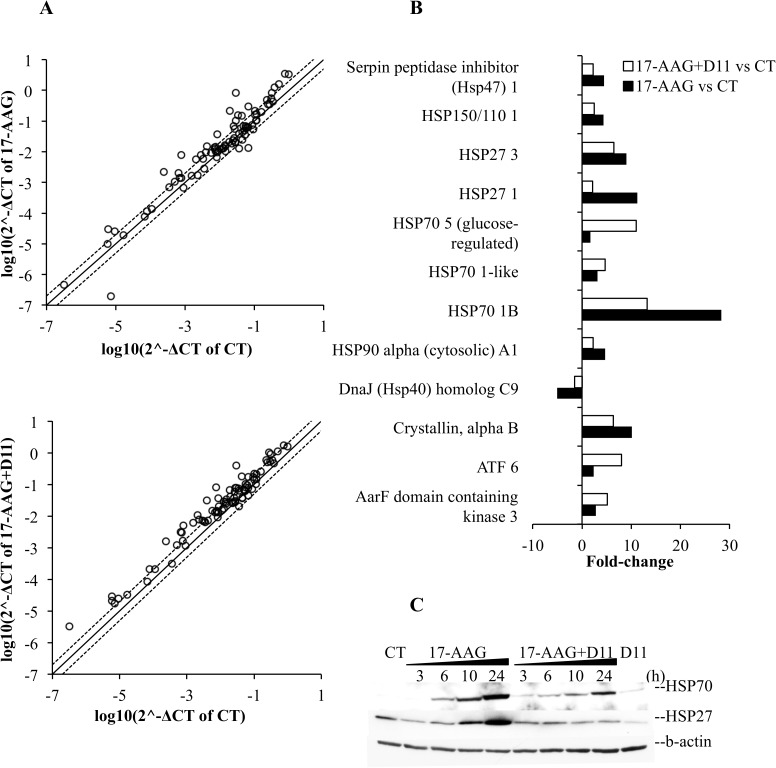
Many types of cancer express high levels of heat shock proteins (HSPs) that are molecular chaperones regulating protein folding and stability ensuring protection of cells from potentially lethal stress. HSPs in cancer cells promote survival, growth and spreading even in situations of growth factors deprivation by associating with oncogenic proteins responsible for cell transformation. Hence, it is not surprising that the identification of potent inhibitors of HSPs, notably HSP90, has been the primary research focus, in recent years. Exposure of cancer cells to HSP90 inhibitors, including 17-AAG, has been shown to cause resistance to chemotherapeutic treatment mostly attributable to induction of the heat shock response and increased cellular levels of pro-survival chaperones. In this study, we show that treatment of glioblastoma cells with 17-AAG leads to HSP90 inhibition indicated by loss of stability of the EGFR client protein, and significant increase in HSP70 expression. Conversely, co-treatment with the small-molecule kinase inhibitor D11 leads to suppression of the heat shock response and inhibition of HSF1 transcriptional activity. Beside HSP70, Western blot and differential mRNA expression analysis reveal that combination treatment causes strong down-regulation of the small chaperone protein HSP27. Finally, we demonstrate that incubation of cells with both agents leads to enhanced cytotoxicity and significantly high levels of LC3-II suggesting autophagy induction. Taken together, results reported here support the notion that including D11 in future treatment regimens based on HSP90 inhibition can potentially overcome acquired resistance induced by the heat shock response in brain cancer cells.
许多类型的癌症都高表达热休克蛋白(HSPs),这些蛋白作为分子伴侣调节蛋白质折叠和稳定性,确保细胞免受潜在致命应激的影响。癌细胞中的热休克蛋白即使在生长因子缺乏的情况下,也能通过与负责细胞转化的致癌蛋白结合来促进细胞存活、生长和扩散。因此,近年来,鉴定热休克蛋白的有效抑制剂,尤其是HSP90的有效抑制剂,一直是主要的研究重点。已表明,将癌细胞暴露于包括17-AAG在内的HSP90抑制剂中,会导致对化疗产生耐药性,这主要归因于热休克反应的诱导和细胞内促存活伴侣蛋白水平的升高。在本研究中,我们发现用17-AAG处理胶质母细胞瘤细胞会导致HSP90受到抑制,这表现为表皮生长因子受体(EGFR)客户蛋白稳定性丧失,以及HSP70表达显著增加。相反,与小分子激酶抑制剂D11联合处理会导致热休克反应受到抑制,并抑制热休克因子1(HSF1)的转录活性。除HSP70外,蛋白质免疫印迹和差异mRNA表达分析表明,联合处理会导致小分子伴侣蛋白HSP27强烈下调。最后,我们证明,将细胞与这两种药物一起孵育会增强细胞毒性,并显著提高LC3-II水平,提示自噬被诱导。综上所述,本文报道的结果支持这样一种观点,即在基于HSP90抑制的未来治疗方案中加入D11,可能会克服脑癌细胞中由热休克反应诱导产生的获得性耐药。