Tumor Biology and Experimental Therapeutics Program, Institute of Oncology Research (IOR), and Oncology Institute of Southern Switzerland (IOSI), Bellinzona 6500, Switzerland.
IRCCS Multimedica, Milan 20099, Italy.
Nat Commun. 2017 May 30;8:15622. doi: 10.1038/ncomms15622.
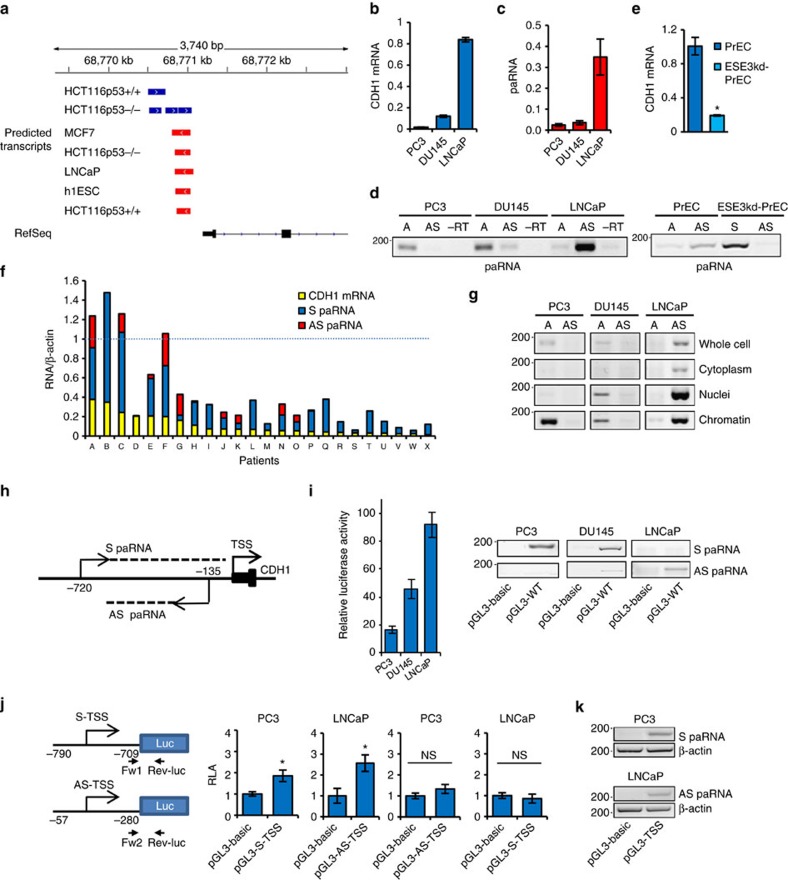
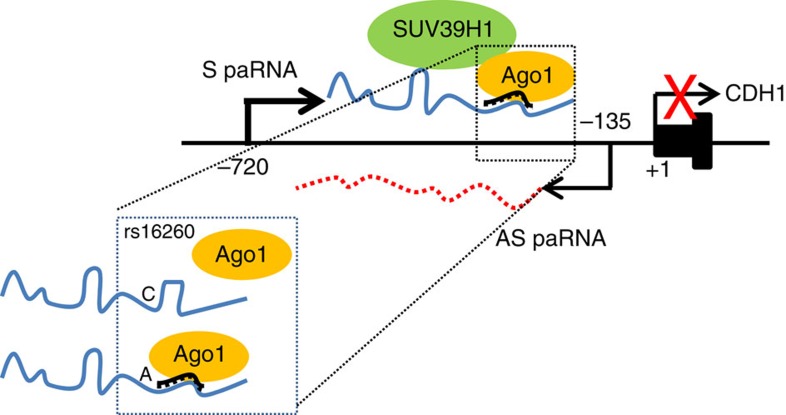
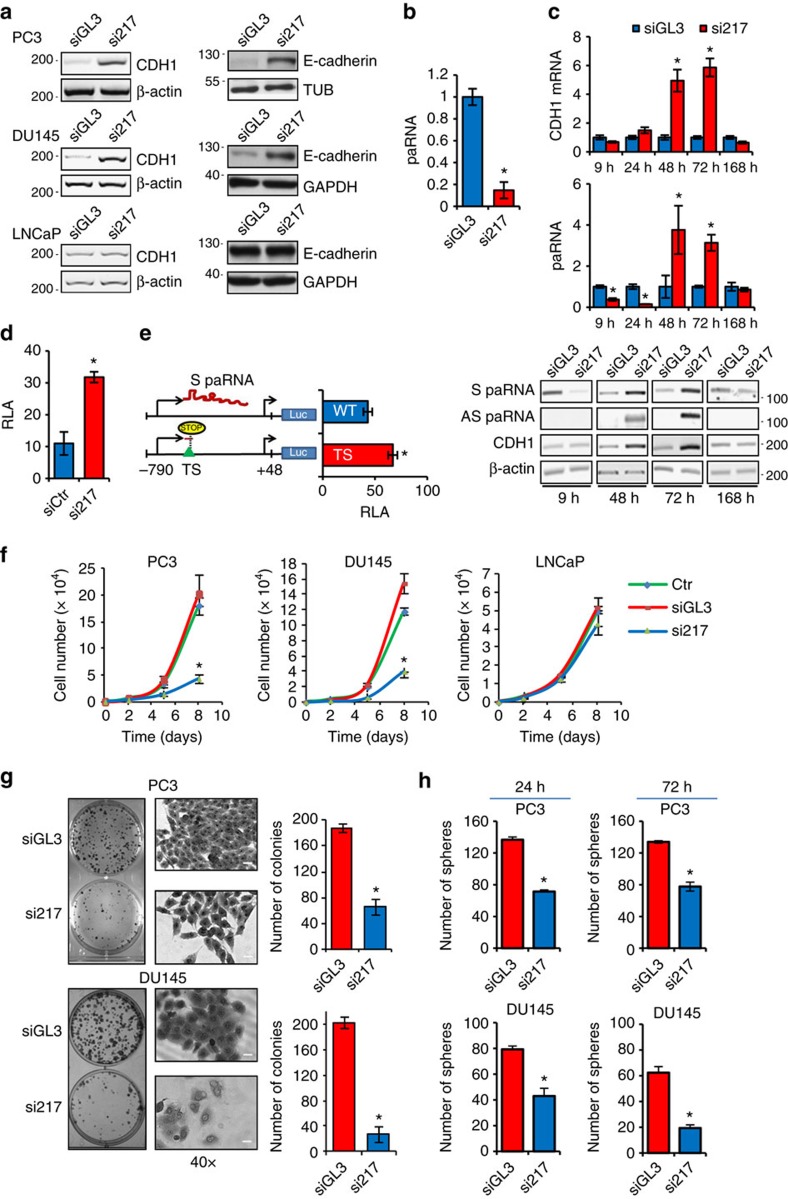
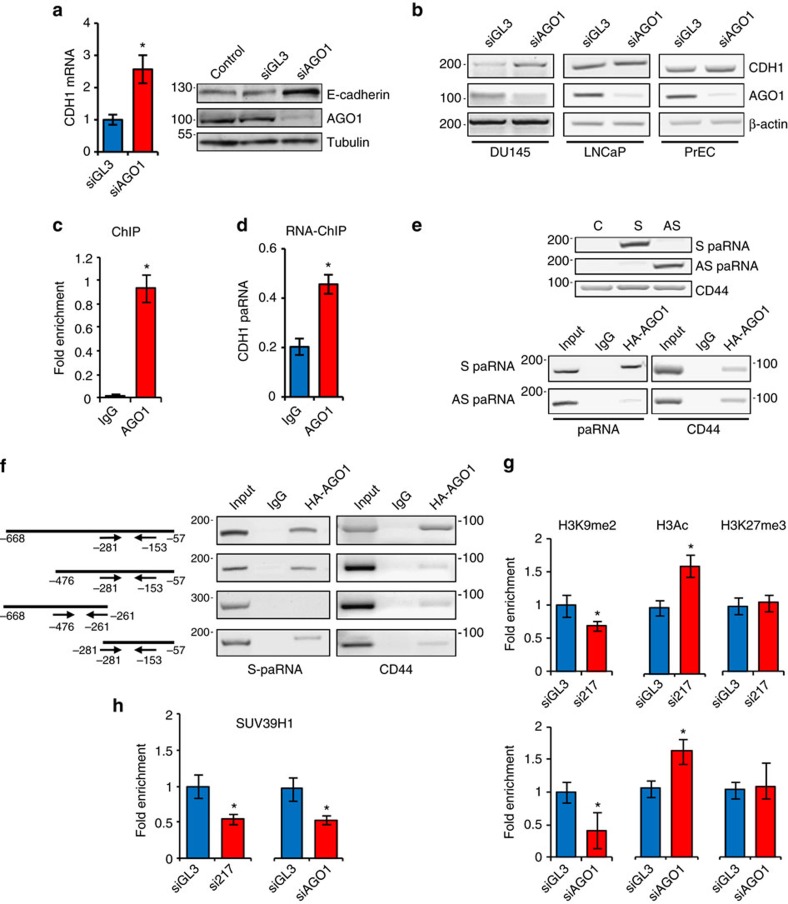
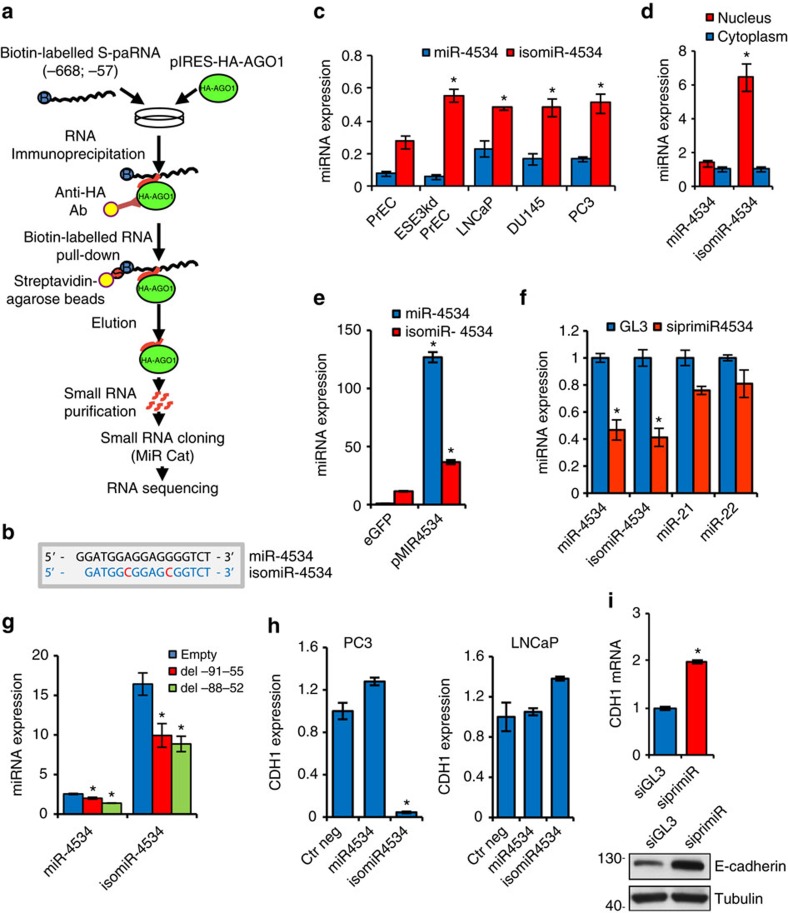
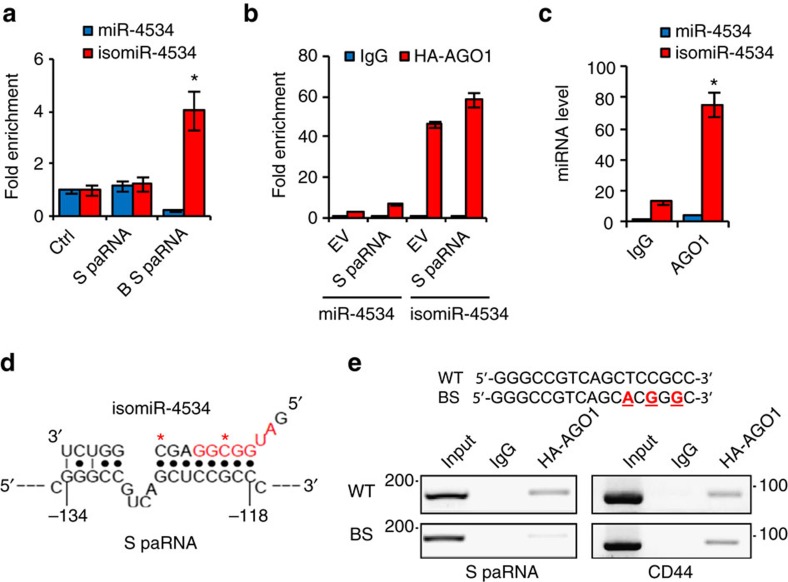
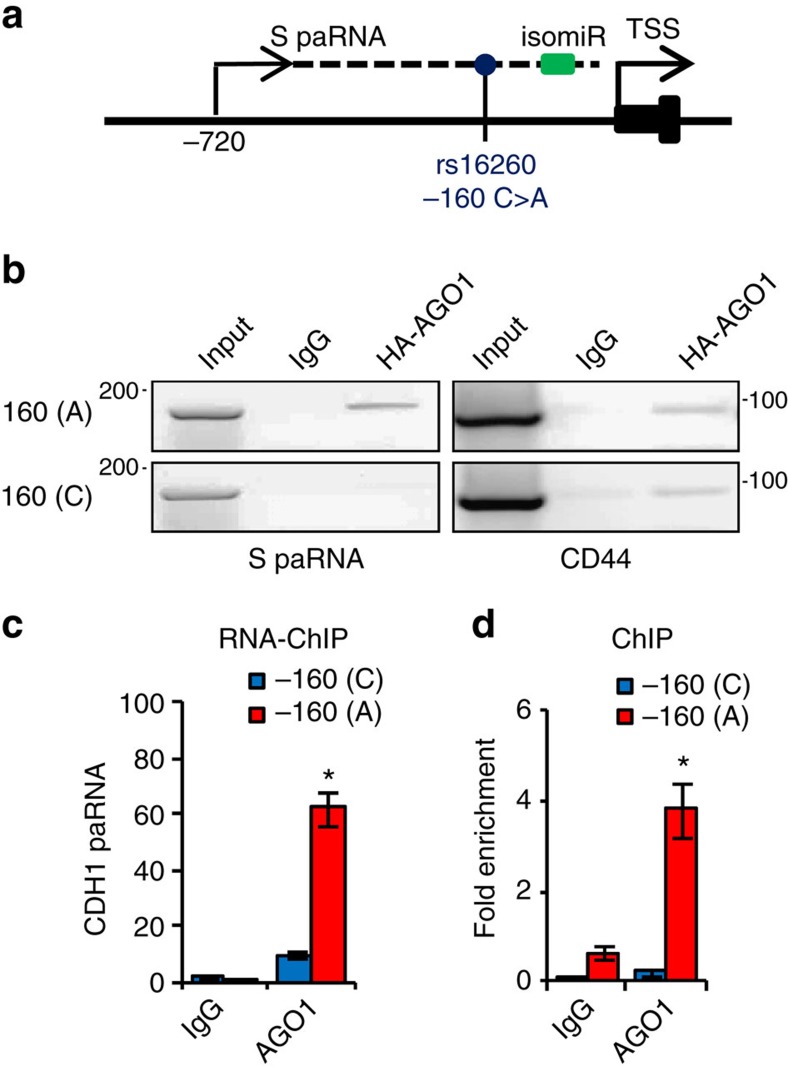
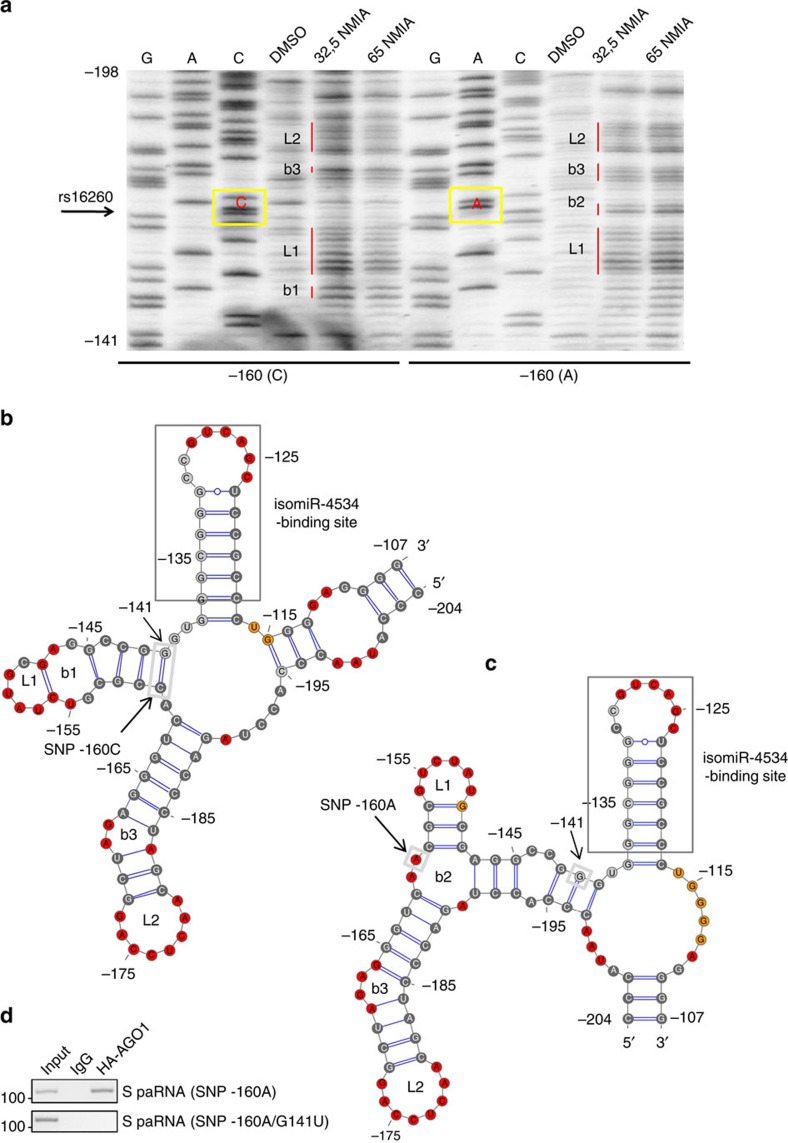
Long noncoding RNAs are emerging players in the epigenetic machinery with key roles in development and diseases. Here we uncover a complex network comprising a promoter-associated noncoding RNA (paRNA), microRNA and epigenetic regulators that controls transcription of the tumour suppressor E-cadherin in epithelial cancers. E-cadherin silencing relies on the formation of a complex between the paRNA and microRNA-guided Argonaute 1 that, together, recruit SUV39H1 and induce repressive chromatin modifications in the gene promoter. A single nucleotide polymorphism (rs16260) linked to increased cancer risk alters the secondary structure of the paRNA, with the risk allele facilitating the assembly of the microRNA-guided Argonaute 1 complex and gene silencing. Collectively, these data demonstrate the role of a paRNA in E-cadherin regulation and the impact of a noncoding genetic variant on its function. Deregulation of paRNA-based epigenetic networks may contribute to cancer and other diseases making them promising targets for drug discovery.
长非编码 RNA 是表观遗传机制中的新兴参与者,在发育和疾病中发挥关键作用。在这里,我们揭示了一个复杂的网络,其中包括一个启动子相关的非编码 RNA(paRNA)、microRNA 和表观遗传调节剂,它们控制上皮性癌症中肿瘤抑制因子 E-钙黏蛋白的转录。E-钙黏蛋白的沉默依赖于 paRNA 和 microRNA 引导的 Argonaute 1 之间形成的复合物,该复合物共同募集 SUV39H1,并在基因启动子中诱导抑制性染色质修饰。与癌症风险增加相关的单核苷酸多态性(rs16260)改变了 paRNA 的二级结构,风险等位基因有利于 microRNA 引导的 Argonaute 1 复合物的组装和基因沉默。总的来说,这些数据表明 paRNA 在 E-钙黏蛋白调节中的作用以及非编码遗传变异对其功能的影响。paRNA 为基础的表观遗传网络的失调可能导致癌症和其他疾病,使它们成为药物发现的有前途的靶点。