Lam Angela M, Ren Suping, Espiritu Christine, Kelly Mollie, Lau Vincent, Zheng Lingjie, Hartman George D, Flores Osvaldo A, Klumpp Klaus
Novira Therapeutics Inc., part of the Janssen Pharmaceutical Companies, Spring House, Pennsylvania, USA
Novira Therapeutics Inc., part of the Janssen Pharmaceutical Companies, Spring House, Pennsylvania, USA.
Antimicrob Agents Chemother. 2017 Jul 25;61(8). doi: 10.1128/AAC.00680-17. Print 2017 Aug.
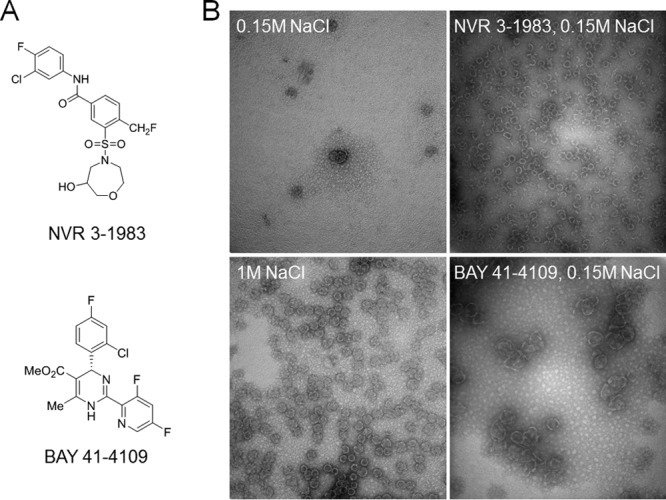
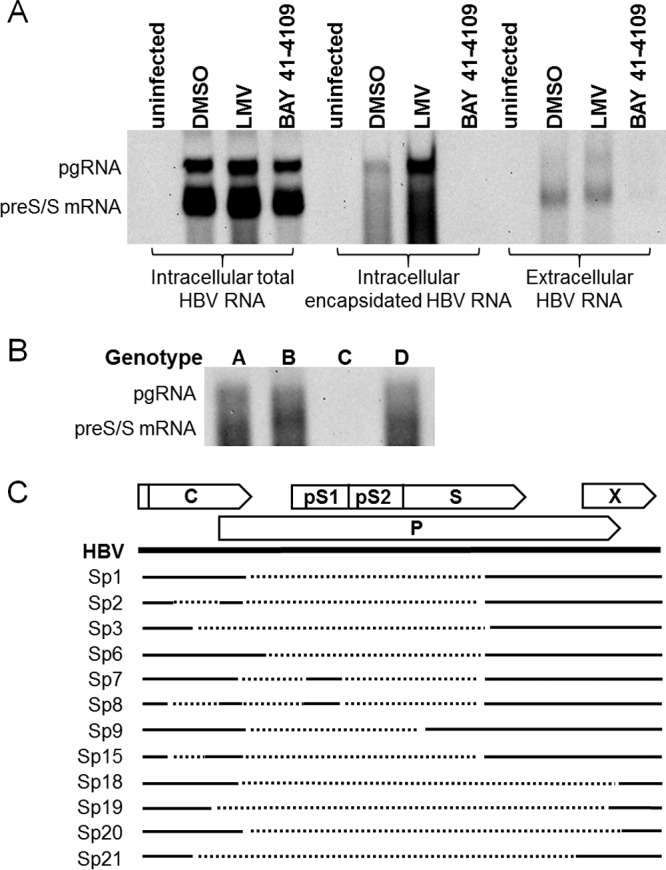
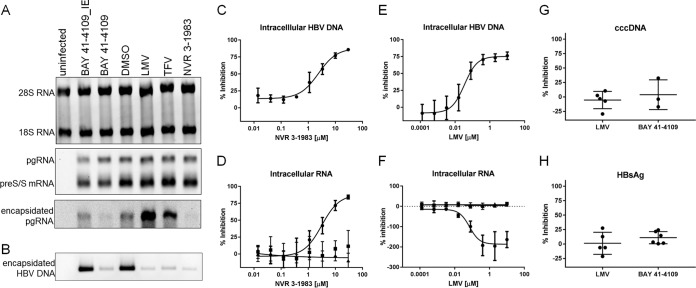
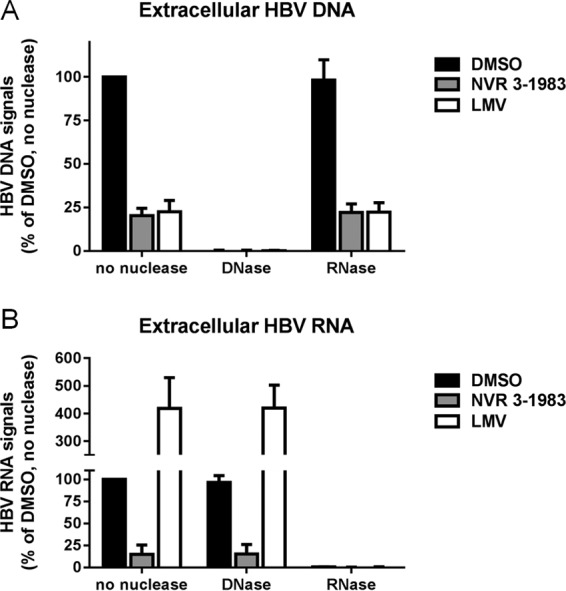
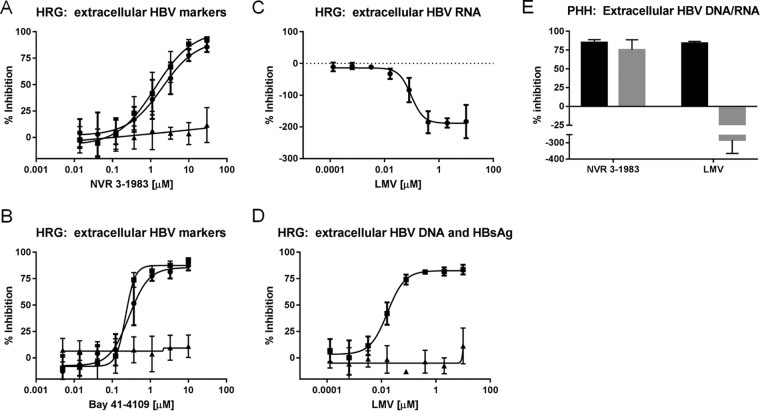
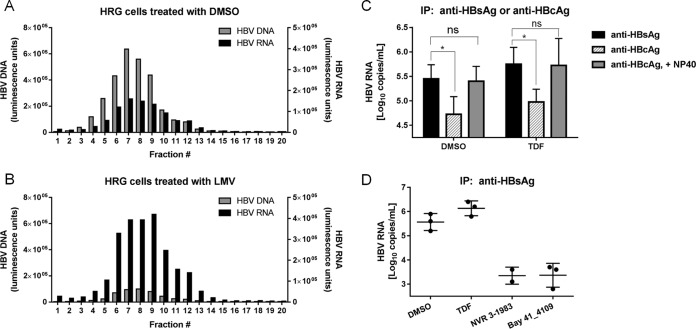
The hepatitis B virus (HBV) core protein serves multiple essential functions in the viral life cycle, and antiviral agents that target the core protein are being developed. Capsid assembly modulators (CAMs) are compounds that target core and misdirect capsid assembly, resulting in the suppression of HBV replication and virion production. Besides HBV DNA, circulating HBV RNA has been detected in patient serum and can be associated with the treatment response. Here we studied the effect of HBV CAMs on the production of extracellular HBV RNA using infected HepaRG cells and primary human hepatocytes. Representative compounds from the sulfonamide carboxamide and heteroaryldihydropyrimidine series of CAMs were evaluated and compared to nucleos(t)ide analogs as inhibitors of the viral polymerase. The results showed that CAMs blocked extracellular HBV RNA with efficiencies similar to those with which they blocked pregenomic RNA (pgRNA) encapsidation, HBV DNA replication, and Dane particle production. Nucleos(t)ide analogs inhibited viral replication and virion production but not encapsidation or production of extracellular HBV RNA. Profiling of HBV RNA from both culture supernatants and patient serum showed that extracellular viral RNA consisted of pgRNA and spliced pgRNA variants with an internal deletion(s) but still retained the sequences at both the 5' and 3' ends. Similar variants were detected in the supernatants of infected cells with and without nucleos(t)ide analog treatment. Overall, our data demonstrate that HBV CAMs represent direct antiviral agents with a profile differentiated from that of nucleos(t)ide analogs, including the inhibition of extracellular pgRNA and spliced pgRNA.
乙肝病毒(HBV)核心蛋白在病毒生命周期中发挥多种重要功能,针对核心蛋白的抗病毒药物正在研发中。衣壳组装调节剂(CAMs)是一类靶向核心蛋白并误导衣壳组装的化合物,可抑制HBV复制和病毒粒子产生。除了HBV DNA,患者血清中已检测到循环HBV RNA,其可能与治疗反应相关。在此,我们使用感染的HepaRG细胞和原代人肝细胞研究了HBV CAMs对细胞外HBV RNA产生的影响。评估了CAMs中磺酰胺羧酰胺和杂芳基二氢嘧啶系列的代表性化合物,并将其与核苷(酸)类似物作为病毒聚合酶抑制剂进行比较。结果表明,CAMs阻断细胞外HBV RNA的效率与其阻断前基因组RNA(pgRNA)包装、HBV DNA复制和 Dane 颗粒产生的效率相似。核苷(酸)类似物抑制病毒复制和病毒粒子产生,但不抑制衣壳化或细胞外HBV RNA的产生。对培养上清液和患者血清中的HBV RNA进行分析表明,细胞外病毒RNA由pgRNA和具有内部缺失的剪接pgRNA变体组成,但在5'和3'末端仍保留序列。在有无核苷(酸)类似物治疗的感染细胞上清液中均检测到类似变体。总体而言,我们的数据表明,HBV CAMs是一类直接抗病毒药物,其作用谱与核苷(酸)类似物不同,包括对细胞外pgRNA和剪接pgRNA的抑制作用。