Julliard Walker, Fechner John H, Owens Leah, O'Driscoll Chelsea A, Zhou Ling, Sullivan Jeremy A, Frydrych Lynn, Mueller Amanda, Mezrich Joshua D
Division of Transplant Surgery, Department of Surgery, University of Wisconsin School of Medicine and Public Health, Madison, WI.
Transplant Direct. 2017 Apr 25;3(5):e157. doi: 10.1097/TXD.0000000000000666. eCollection 2017 May.
Exposure to pollutants through inhalation is a risk factor for lung diseases including cancer, asthma, and lung transplant rejection, but knowledge of the effects of inhaled pollutants on pathologies outside of the lung is limited.
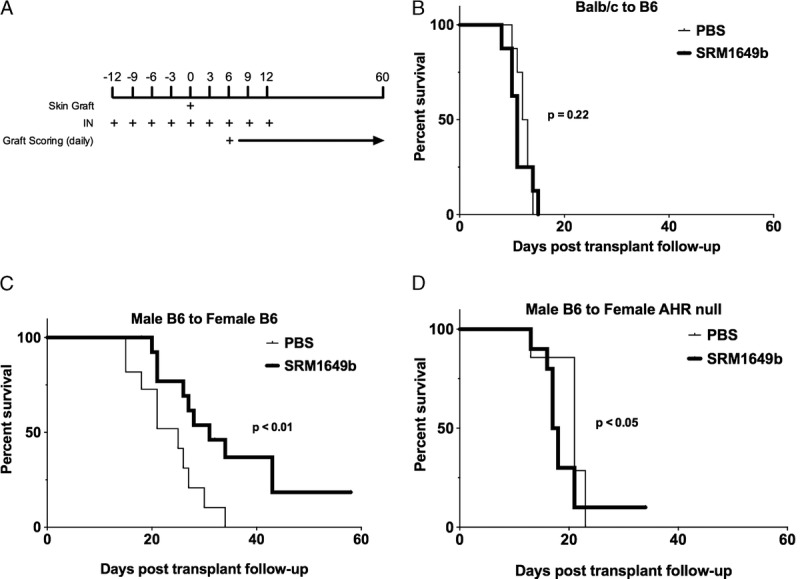
Using the minor-mismatched model of male C57BL/6J (B6) to female B6 skin grafts, recipient mice were treated with an inhaled urban dust particle sample every 3 days before and after grafting. Graft survival time was determined, and analysis of the resulting immune response was performed at time before rejection.
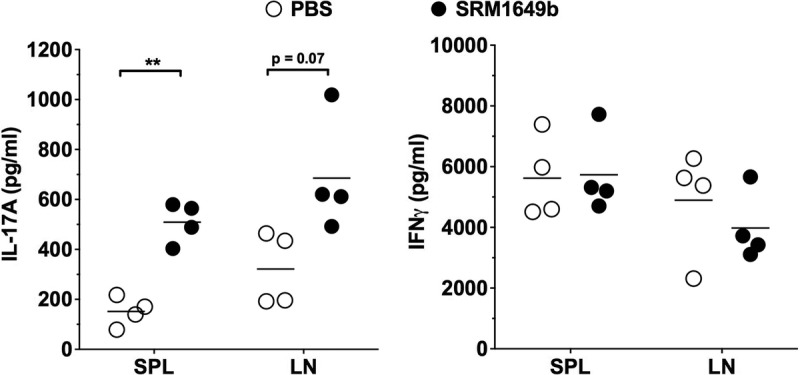
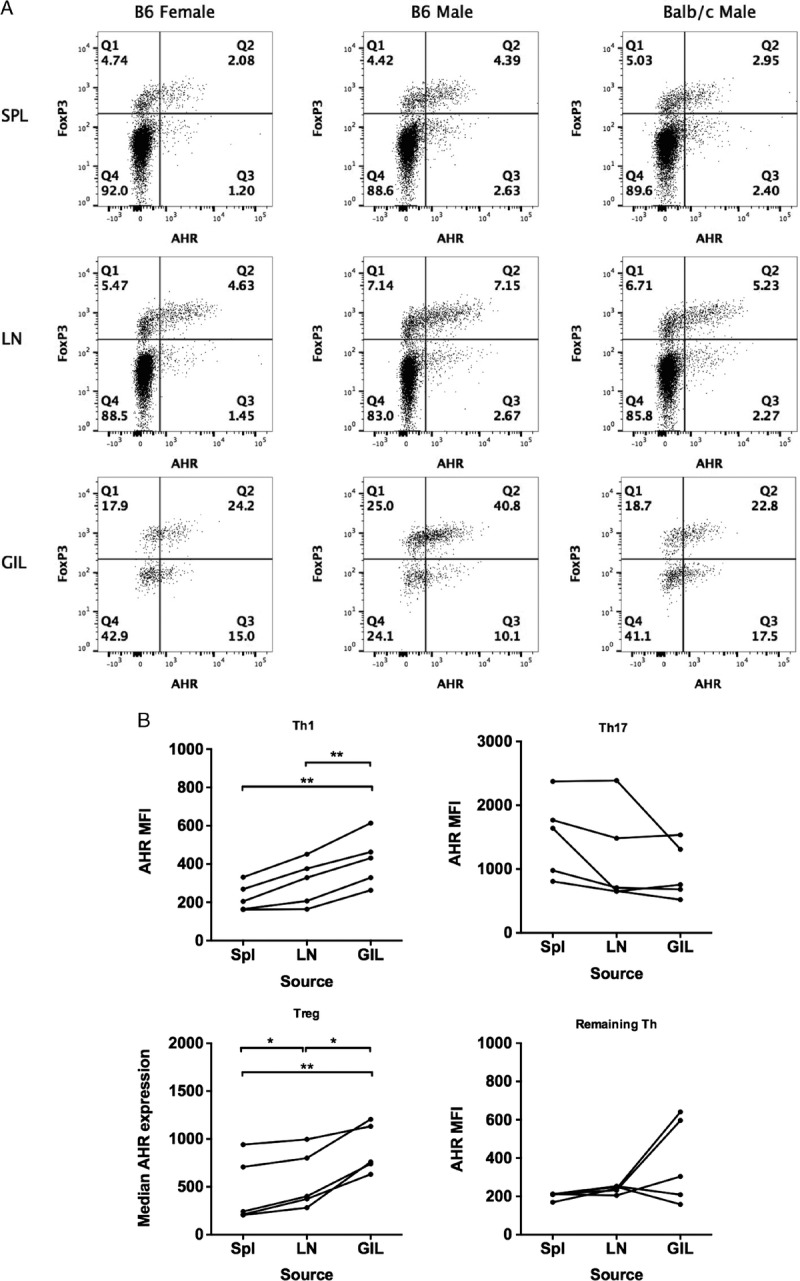
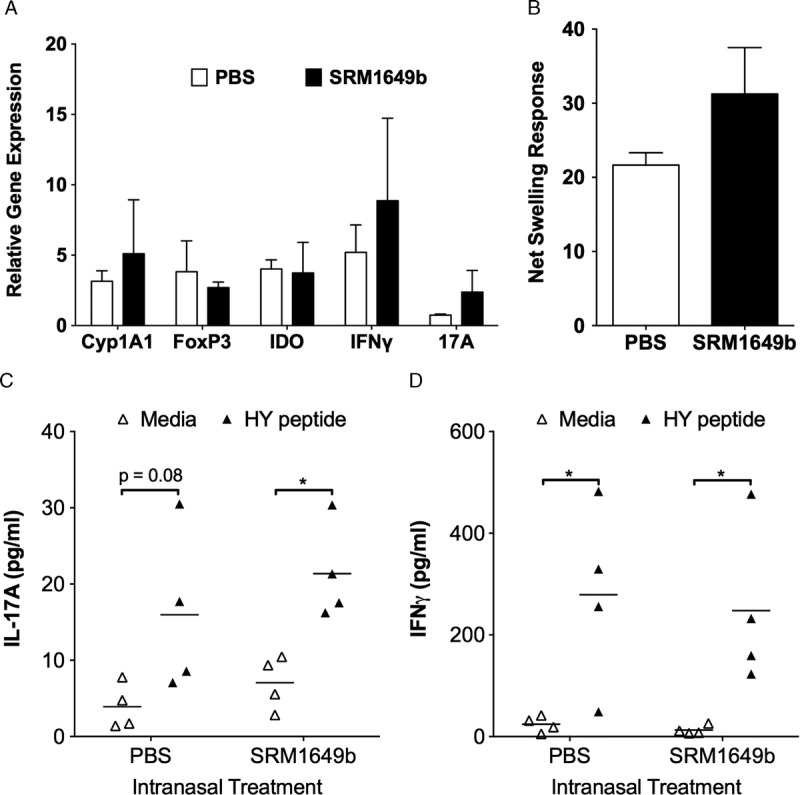
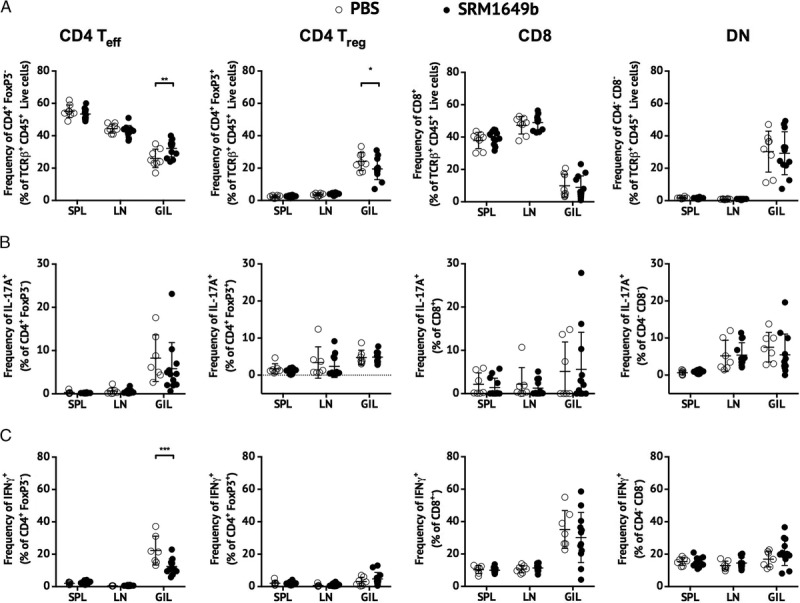
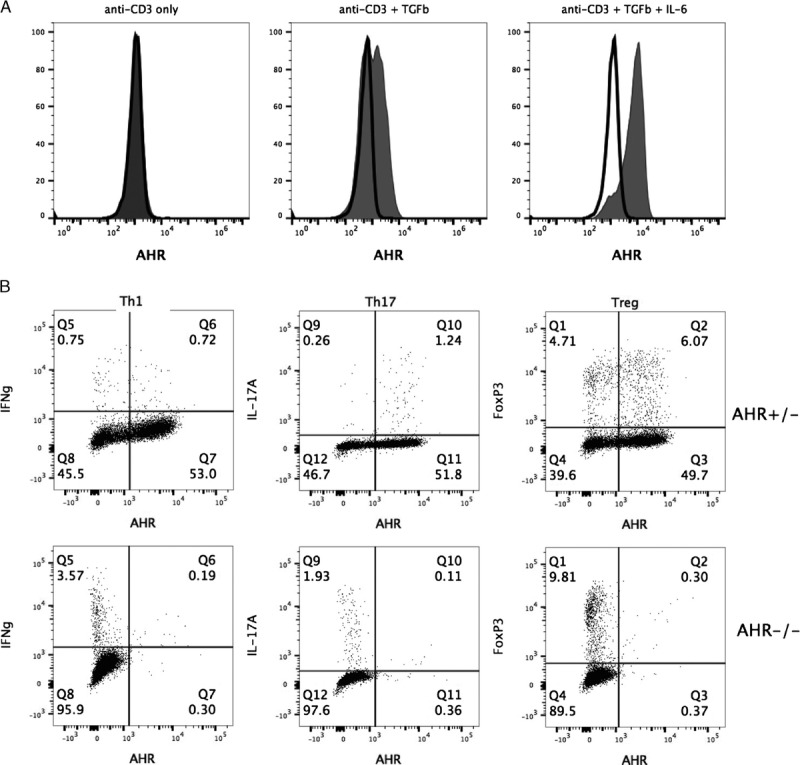
Significant prolongation of male skin grafts occurred in recipient female mice treated with urban dust particles compared with controls and was found to be dependent on aryl hydrocarbon receptor (AHR) expression in the recipient mouse. T cell responses to the male histocompatibility antigen (H-Y) Dby were not altered by exposure to pollutants. A reduction in the frequency of IFNγ-producing CD4 T cells infiltrating the graft on day 7 posttransplant was observed. Flow cytometry analysis revealed that AHR expression is upregulated in IFNγ-producing CD4 T cells during immune responses in vitro and in vivo.
Surprisingly, inhalation of a pollutant standard was found to prolong graft survival in a minor-mismatched skin graft model in an AHR-dependent manner. One possible mechanism may be an effect on IFNγ-producing CD4 T cells responding to donor antigen. The increased expression of AHR in this CD4 T cell subset suggests that AHR ligands within the particulate matter may be directly affecting the type 1 T helper cell response in this model.
通过吸入接触污染物是包括癌症、哮喘和肺移植排斥反应在内的肺部疾病的一个风险因素,但关于吸入污染物对肺部以外病理状况影响的认识有限。
利用雄性C57BL/6J(B6)到雌性B6皮肤移植的轻微错配模型,在移植前后每隔3天对受体小鼠进行吸入城市灰尘颗粒样本处理。确定移植存活时间,并在排斥反应前的时间点对产生的免疫反应进行分析。
与对照组相比,用城市灰尘颗粒处理的受体雌性小鼠中雄性皮肤移植的存活时间显著延长,并且发现这依赖于受体小鼠中的芳烃受体(AHR)表达。暴露于污染物并未改变T细胞对雄性组织相容性抗原(H-Y)Dby的反应。在移植后第7天观察到浸润移植组织的产生IFNγ的CD4 T细胞频率降低。流式细胞术分析显示,在体外和体内免疫反应期间,产生IFNγ的CD4 T细胞中AHR表达上调。
令人惊讶的是,发现在轻微错配的皮肤移植模型中,吸入污染物标准物以AHR依赖的方式延长了移植存活时间。一种可能的机制可能是对响应供体抗原的产生IFNγ的CD4 T细胞有影响。该CD4 T细胞亚群中AHR表达的增加表明颗粒物中的AHR配体可能直接影响该模型中的1型辅助性T细胞反应。