Babinsky Valerie N, Hannan Fadil M, Ramracheya Reshma D, Zhang Quan, Nesbit M Andrew, Hugill Alison, Bentley Liz, Hough Tertius A, Joynson Elizabeth, Stewart Michelle, Aggarwal Abhishek, Prinz-Wohlgenannt Maximilian, Gorvin Caroline M, Kallay Enikö, Wells Sara, Cox Roger D, Richards Duncan, Rorsman Patrik, Thakker Rajesh V
Radcliffe Department of Medicine, Oxford Centre for Diabetes, Endocrinology and Metabolism, University of Oxford, Oxford OX3 7LE, United Kingdom.
Department of Musculoskeletal Biology, Institute of Ageing and Chronic Disease, University of Liverpool, Liverpool L7 8TX, United Kingdom.
Endocrinology. 2017 Aug 1;158(8):2486-2502. doi: 10.1210/en.2017-00111.
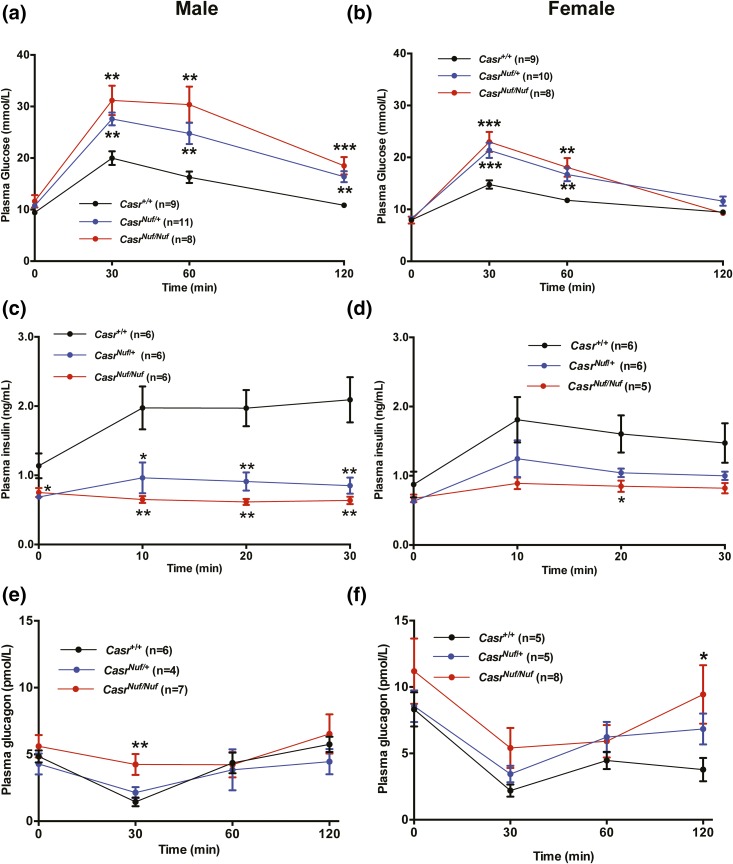
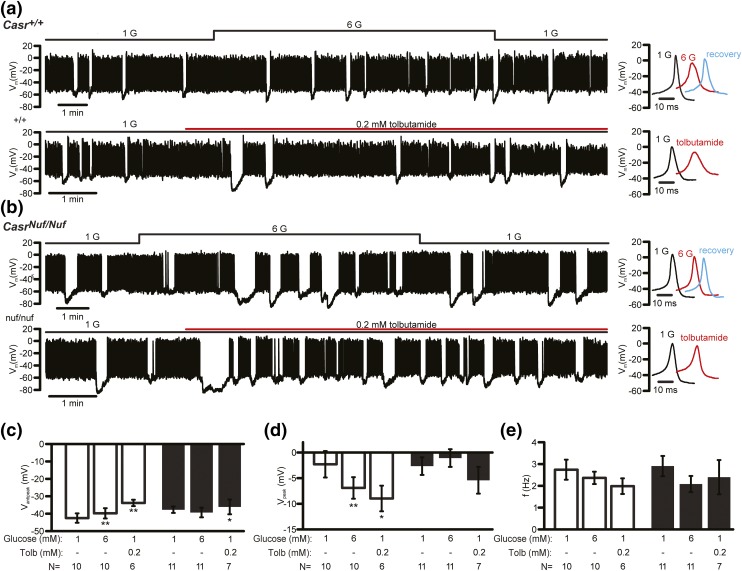
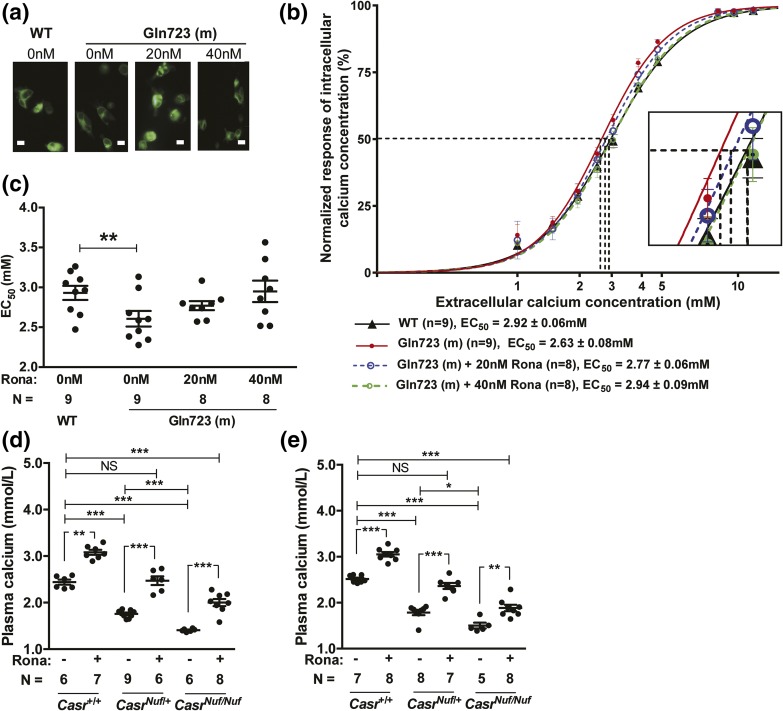
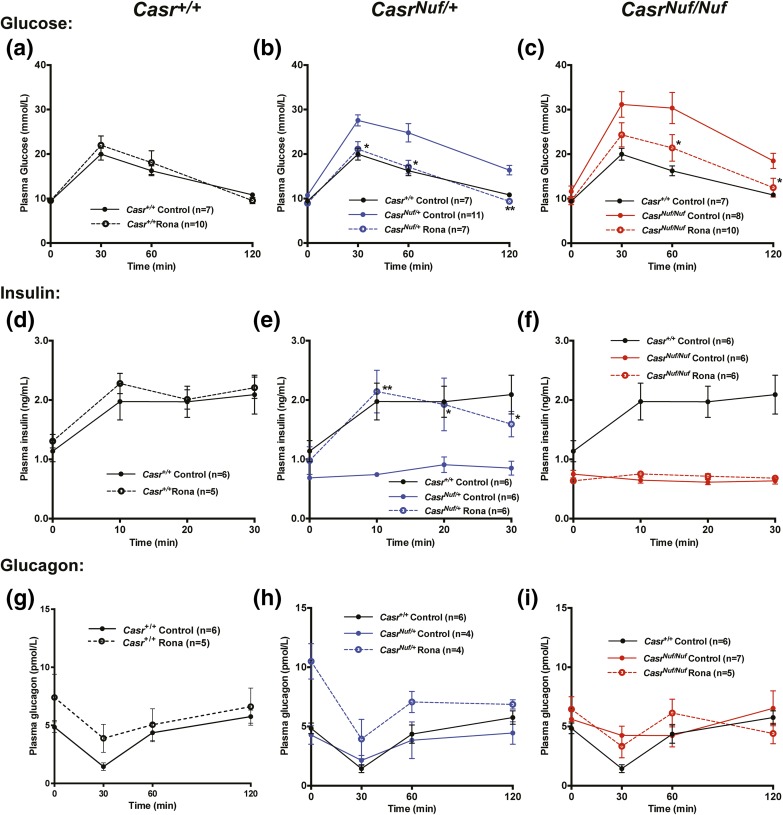
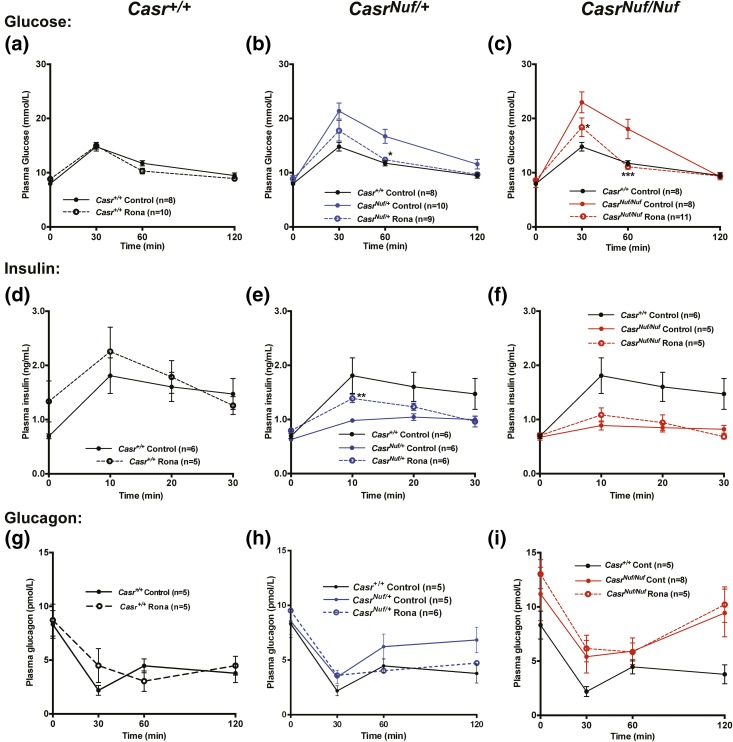
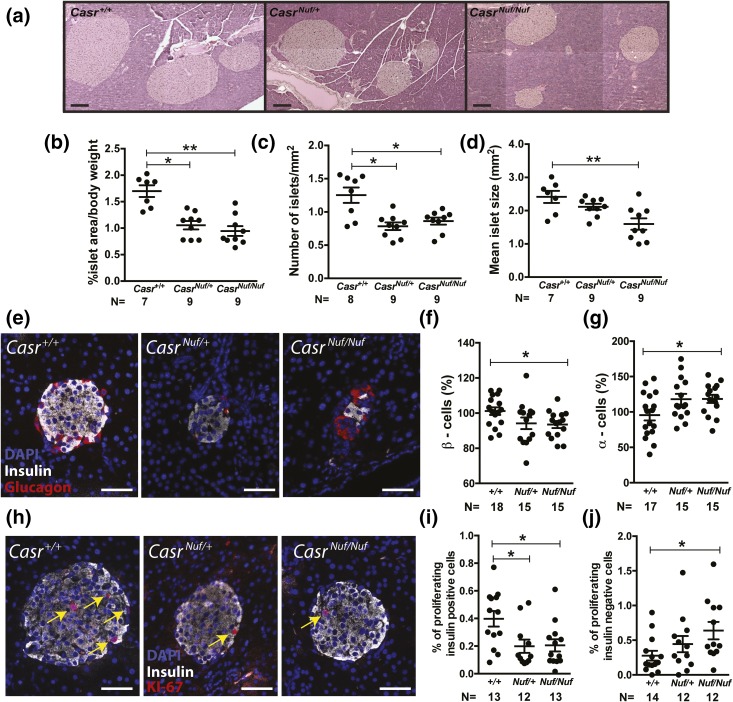
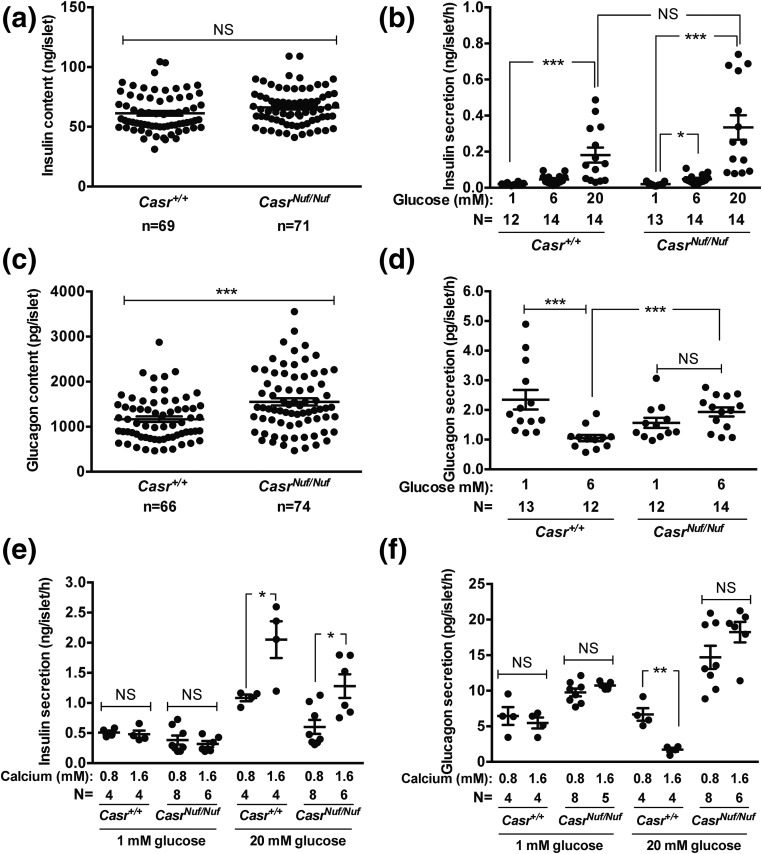
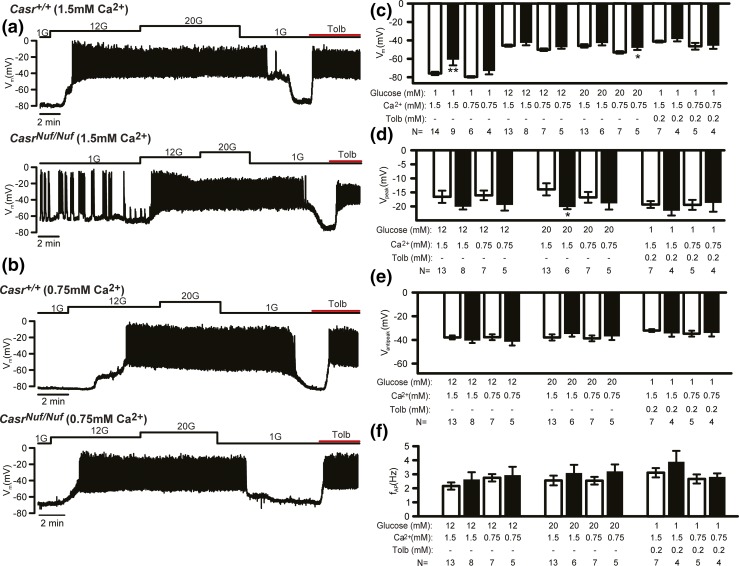
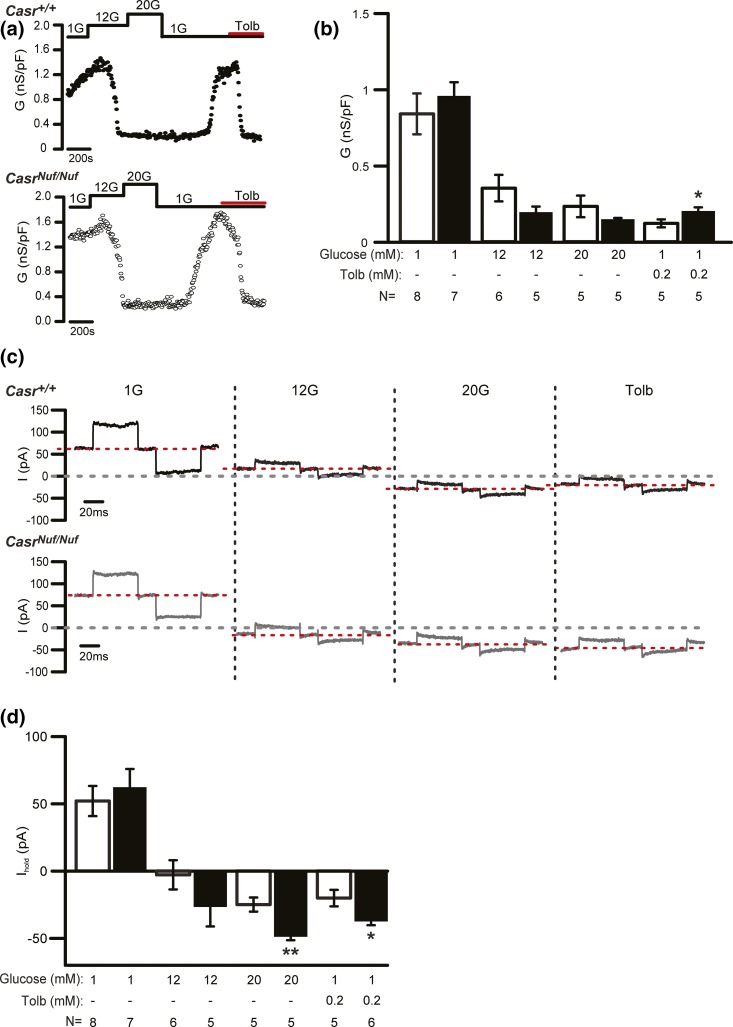
The calcium-sensing receptor (CaSR) is a family C G-protein-coupled receptor that plays a pivotal role in extracellular calcium homeostasis. The CaSR is also highly expressed in pancreatic islet α- and β-cells that secrete glucagon and insulin, respectively. To determine whether the CaSR may influence systemic glucose homeostasis, we characterized a mouse model with a germline gain-of-function CaSR mutation, Leu723Gln, referred to as Nuclear flecks (Nuf). Heterozygous- (CasrNuf/+) and homozygous-affected (CasrNuf/Nuf) mice were shown to have hypocalcemia in association with impaired glucose tolerance and insulin secretion. Oral administration of a CaSR antagonist compound, known as a calcilytic, rectified the glucose intolerance and hypoinsulinemia of CasrNuf/+ mice and ameliorated glucose intolerance in CasrNuf/Nuf mice. Ex vivo studies showed CasrNuf/+ and CasrNuf/Nuf mice to have reduced pancreatic islet mass and β-cell proliferation. Electrophysiological analysis of isolated CasrNuf/Nuf islets showed CaSR activation to increase the basal electrical activity of β-cells independently of effects on the activity of the adenosine triphosphate (ATP)-sensitive K+ (KATP) channel. CasrNuf/Nuf mice also had impaired glucose-mediated suppression of glucagon secretion, which was associated with increased numbers of α-cells and a higher α-cell proliferation rate. Moreover, CasrNuf/Nuf islet electrophysiology demonstrated an impairment of α-cell membrane depolarization in association with attenuated α-cell basal KATP channel activity. These studies indicate that the CaSR activation impairs glucose tolerance by a combination of α- and β-cell defects and also influences pancreatic islet mass. Moreover, our findings highlight a potential application of targeted CaSR compounds for modulating glucose metabolism.
钙敏感受体(CaSR)是一种C家族G蛋白偶联受体,在细胞外钙稳态中起关键作用。CaSR在分别分泌胰高血糖素和胰岛素的胰岛α细胞和β细胞中也高度表达。为了确定CaSR是否可能影响全身葡萄糖稳态,我们对一种具有种系功能获得性CaSR突变(Leu723Gln)的小鼠模型进行了表征,该模型称为核斑点(Nuf)。杂合子(CasrNuf/+)和纯合子受影响(CasrNuf/Nuf)小鼠表现出低钙血症,并伴有葡萄糖耐量受损和胰岛素分泌受损。口服一种称为钙解素的CaSR拮抗剂化合物可纠正CasrNuf/+小鼠的葡萄糖不耐受和低胰岛素血症,并改善CasrNuf/Nuf小鼠的葡萄糖不耐受。体外研究表明,CasrNuf/+和CasrNuf/Nuf小鼠的胰岛质量和β细胞增殖减少。对分离的CasrNuf/Nuf胰岛的电生理分析表明,CaSR激活可增加β细胞的基础电活动,而与对三磷酸腺苷(ATP)敏感性钾(KATP)通道活性的影响无关。CasrNuf/Nuf小鼠的葡萄糖介导的胰高血糖素分泌抑制也受损,这与α细胞数量增加和更高的α细胞增殖率有关。此外,CasrNuf/Nuf胰岛电生理学表明,α细胞膜去极化受损,同时α细胞基础KATP通道活性减弱。这些研究表明,CaSR激活通过α细胞和β细胞缺陷的组合损害葡萄糖耐量,并且还影响胰岛质量。此外,我们的研究结果突出了靶向CaSR化合物在调节葡萄糖代谢方面的潜在应用。