Research Institute of Subtropical Forestry, Chinese Academy of Forestry, Fuyang, Zhejiang, 311400, China.
Key Laboratory of Forest genetics and breeding, Chinese Academy of Forestry, Fuyang, Zhejiang, 311400, China.
Sci Rep. 2017 Jun 9;7(1):3197. doi: 10.1038/s41598-017-03575-2.
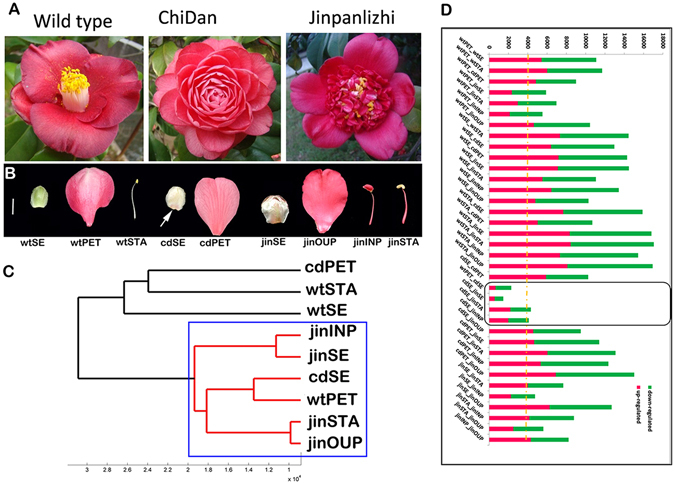
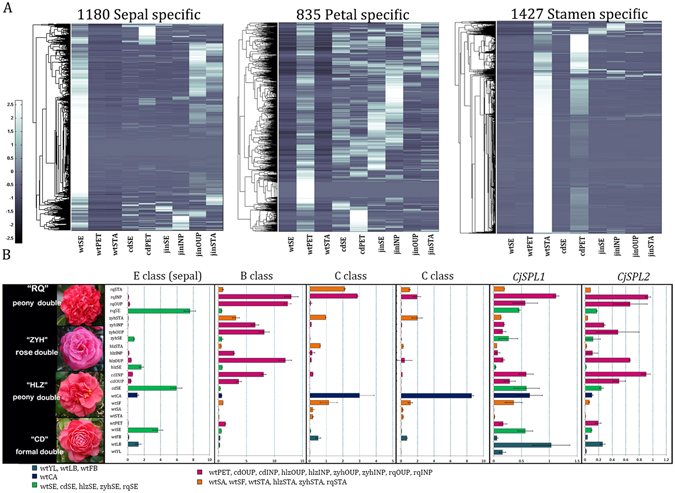
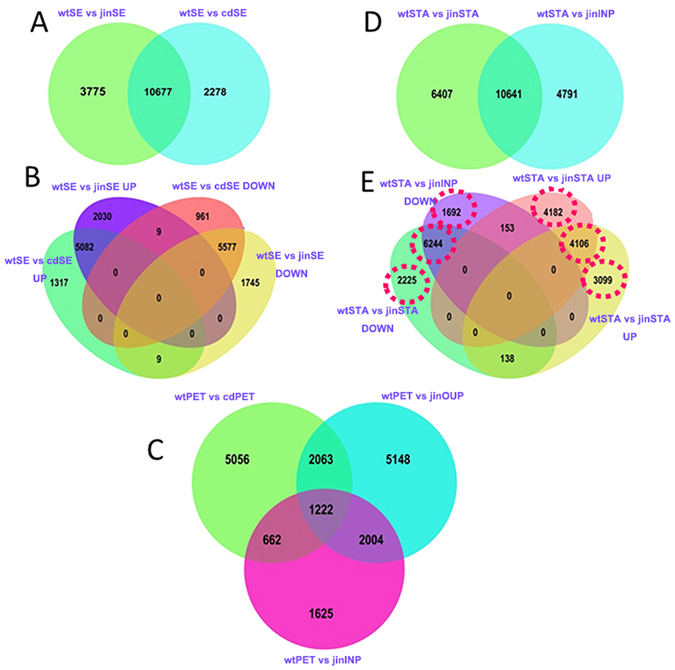
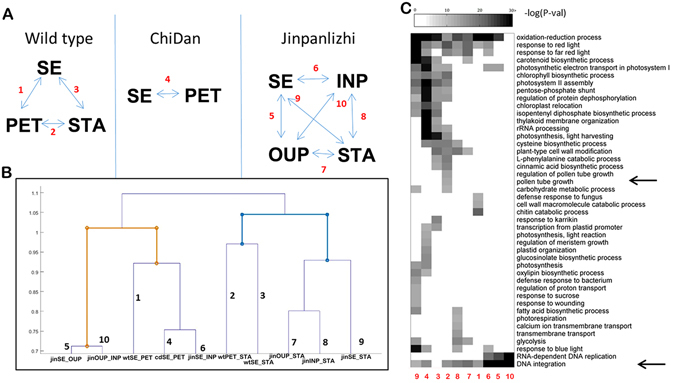
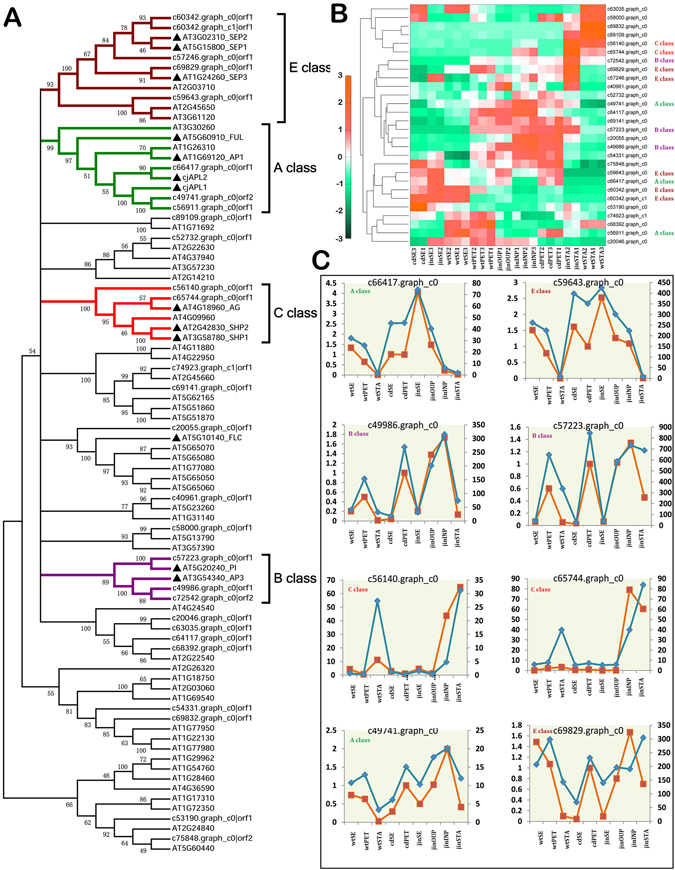
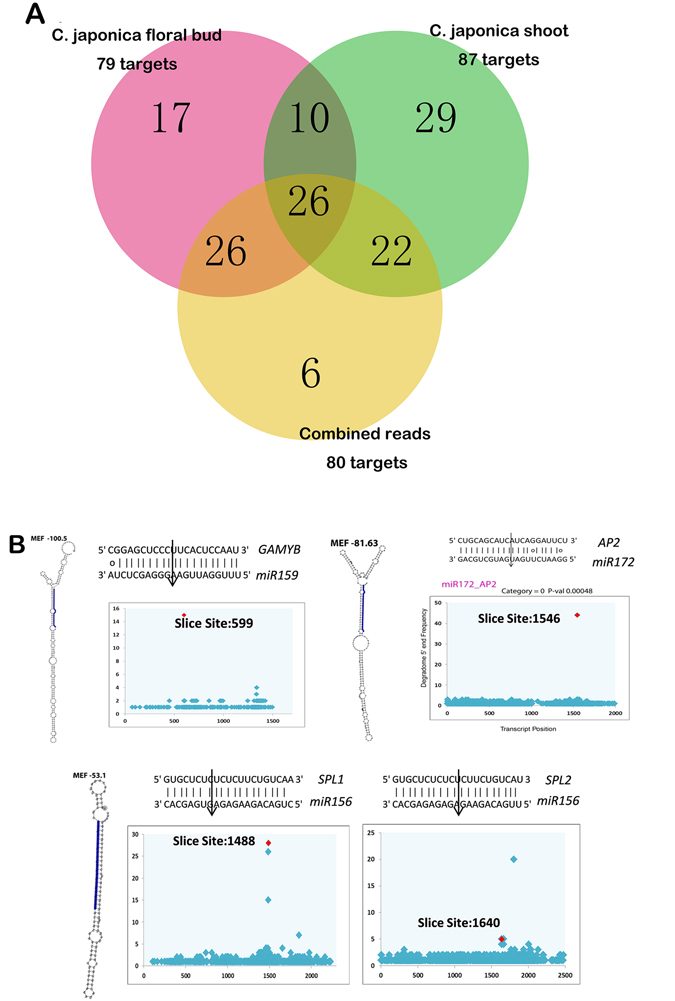
Double flowers in cultivated camellias are divergent in floral patterns which present a rich resource for demonstrating molecular modifications influenced by the human demands. Despite the key principle of ABCE model in whorl specification, the underlying mechanism of fine-tuning double flower formation remains largely unclear. Here a comprehensive comparative transcriptomics interrogation of gene expression among floral organs of wild type and "formal double" and "anemone double" is presented. Through a combination of transcriptome, small RNA and "degradome" sequencing, we studied the regulatory gene expression network underlying the double flower formation. We obtained the differentially expressed genes between whorls in wild and cultivated Camellia. We showed that the formation of double flowers tends to demolish gene expression canalization of key functions; the faded whorl specification mechanism was fundamental under the diverse patterns of double flowers. Furthermore, we identified conserved miRNA-targets regulations in the control of double flowers, and we found that miR172-AP2, miR156-SPLs were critical regulatory nodes contributing to the diversity of double flower forms. This work highlights the hierarchical patterning of global gene expression in floral development, and supports the roles of "faded ABC model" mechanism and miRNA-targets regulations underlying the double flower domestication.
栽培茶花中的重瓣花在花型上存在差异,为展示受人类需求影响的分子修饰提供了丰富的资源。尽管轮生模式的 ABCE 模型是轮生特化的关键原则,但精细调控重瓣花形成的潜在机制在很大程度上仍不清楚。本研究通过对野生型和“正式重瓣”及“芍药型重瓣”花器官之间的基因表达进行全面的比较转录组学分析,研究了重瓣花形成的调控基因表达网络。我们获得了野生和栽培茶花中轮生之间差异表达的基因。结果表明,重瓣花的形成往往会破坏关键功能的基因表达趋同;在不同的重瓣花模式下,褪色的轮生特化机制是基础。此外,我们还鉴定了 miRNA 靶标调控在重瓣花控制中的保守性,发现 miR172-AP2、miR156-SPLs 是导致重瓣花形态多样性的关键调控节点。本研究强调了花发育过程中全局基因表达的层次模式,并支持“褪色 ABC 模型”机制和 miRNA 靶标调控在重瓣花驯化中的作用。