Wang Ping, Yang Jie, Tong Fang, Duan Zhaoyang, Liu Xingyin, Xia Linlin, Li Ke, Xia Yumin
Core Research Laboratory, The Second Affiliated Hospital, School of Medicine, Xi'an Jiaotong University, Xi'an, China.
Department of Nephrology, Tangdu Hospital, Fourth Military Medical University, Xi'an, China.
Front Immunol. 2017 May 31;8:610. doi: 10.3389/fimmu.2017.00610. eCollection 2017.
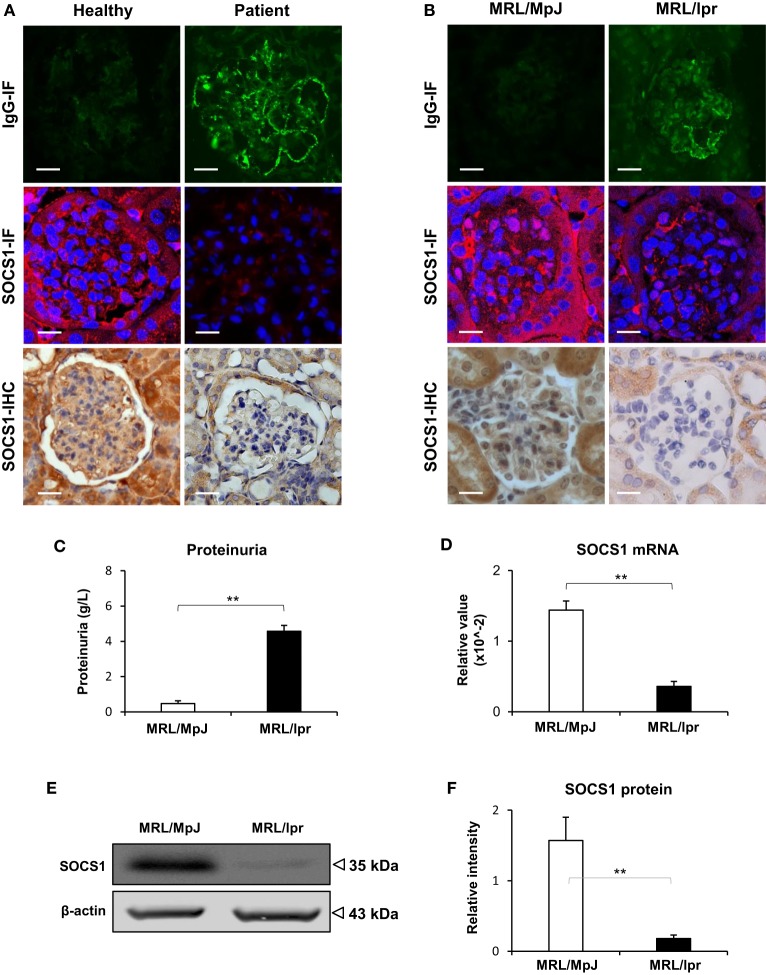
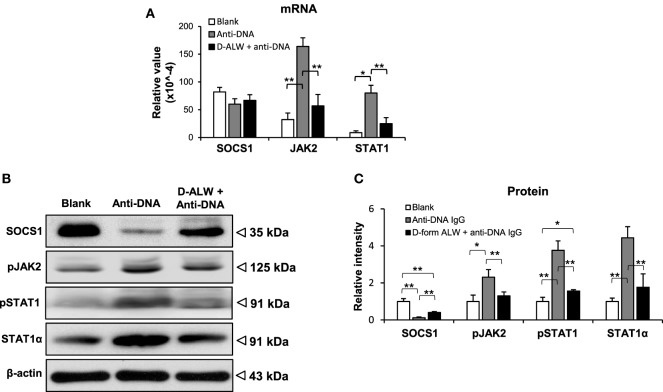
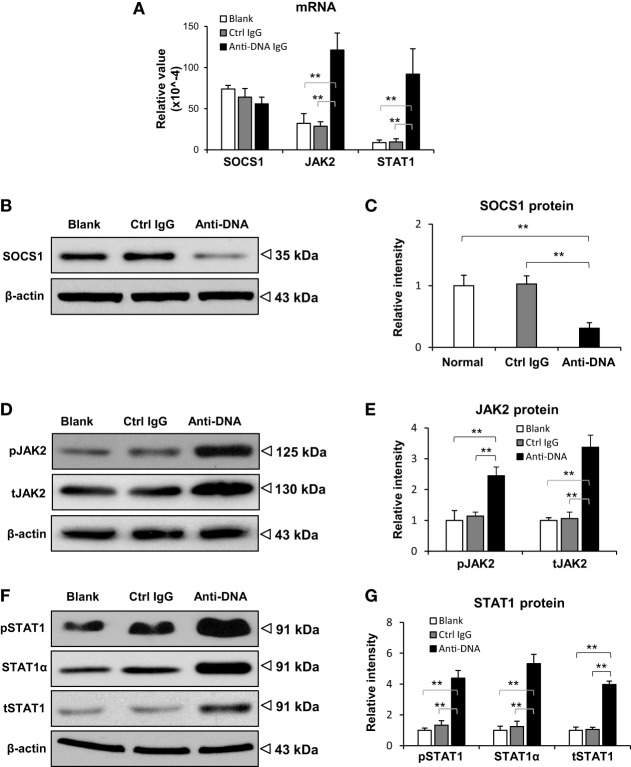
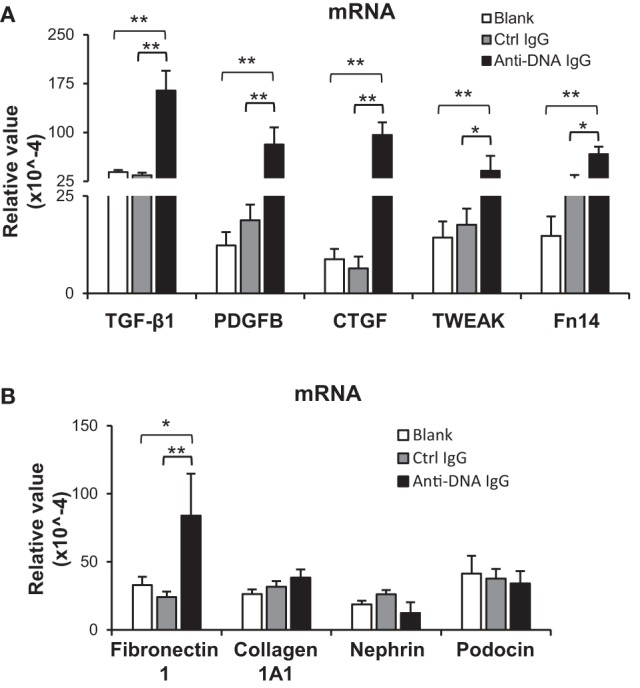
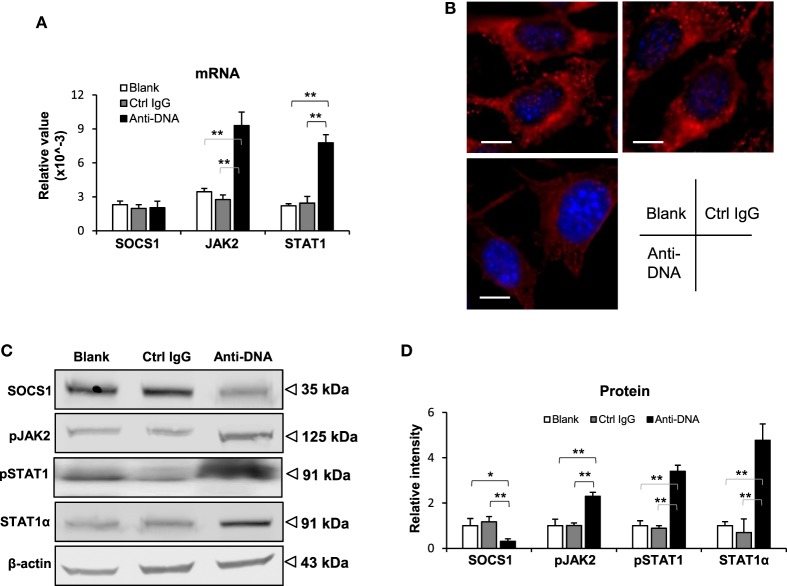
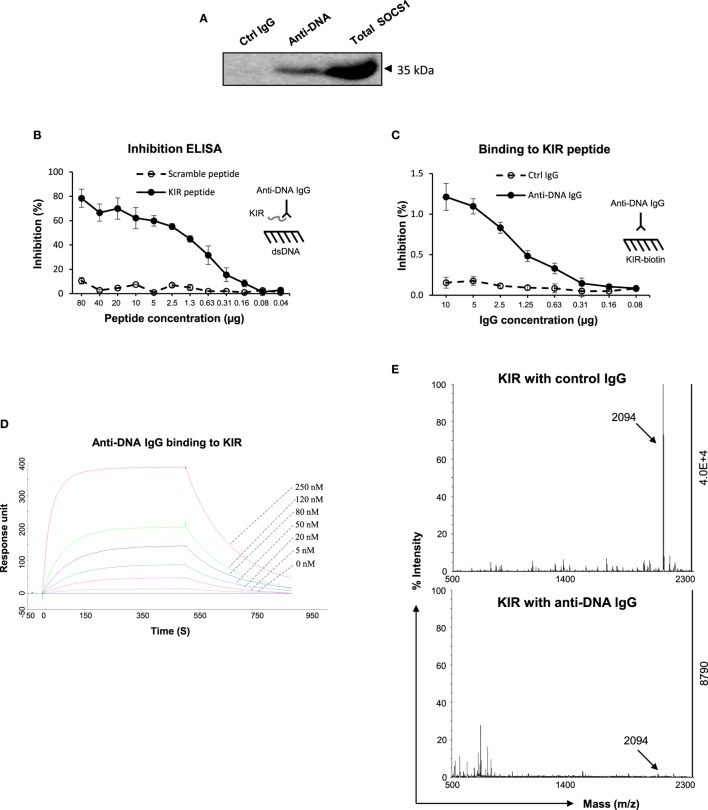
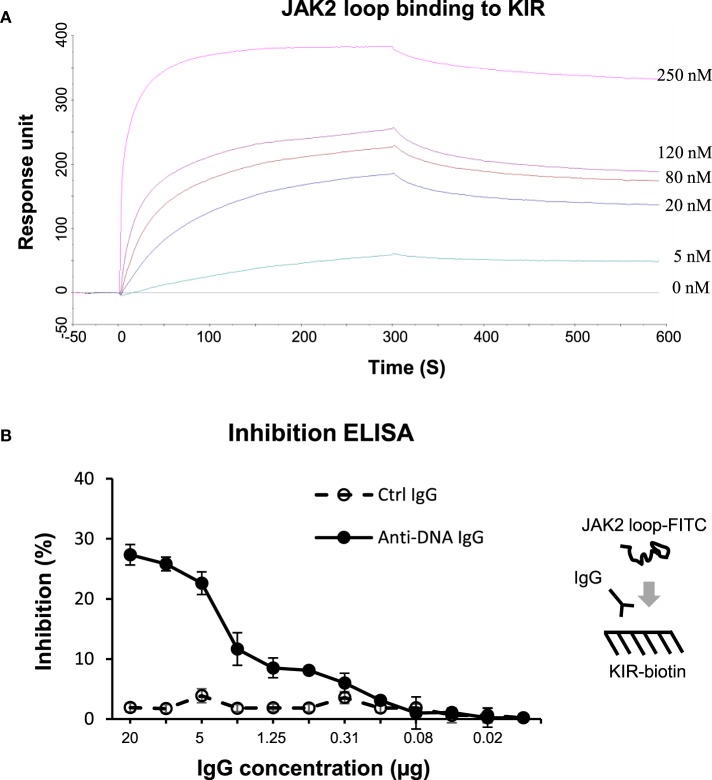
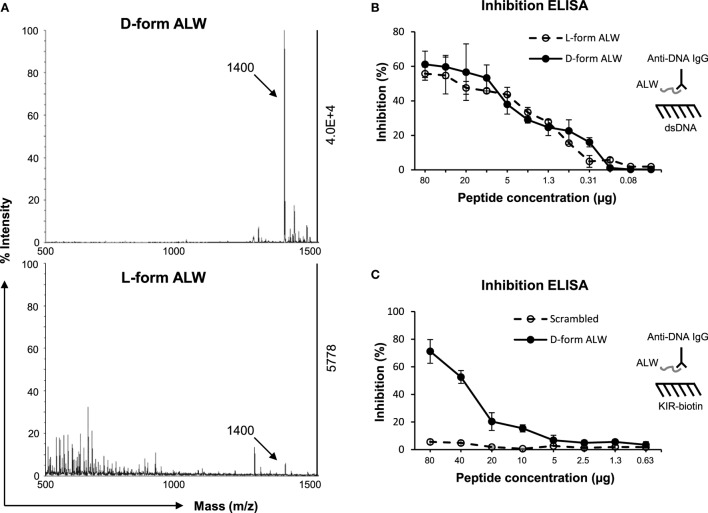
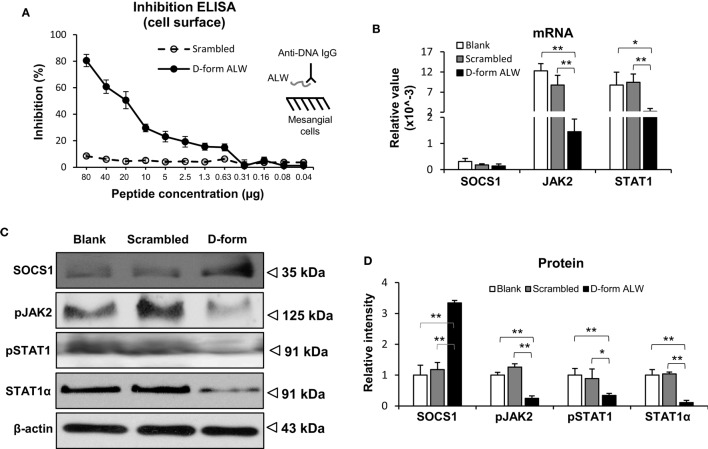
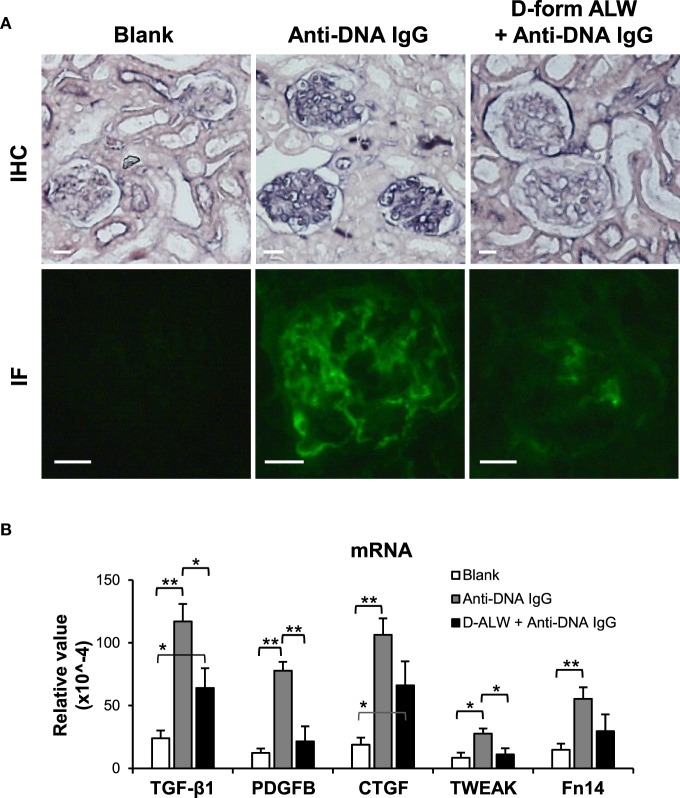
Suppressor of cytokine signaling 1 (SOCS1) participates in renal fibrosis by downregulating Janus kinase 2 (JAK2)/signal transducer and activator of transcription 1 (STAT1)-mediated cytokine signaling. Recently, it was found that anti-double-stranded DNA (dsDNA) IgG induces the synthesis of profibrotic cytokines by renal cells. To explore the potential effect of anti-dsDNA IgG on SOCS1-mediated renal fibrosis, kidney tissues were collected from patients with lupus nephritis (LN) as well as MRL/lpr lupus-prone mice. The SOCS1 expression was evaluated in tissue samples. In addition, SCID mice were injected with anti-dsDNA IgG, followed by evaluation of SOCS1 levels. Renal resident cells were cultured , receiving the stimulation of anti-dsDNA IgG and then the measurement of SOCS1, JAK2, STAT1α, and profibrotic cytokines. Moreover, the binding of anti-dsDNA IgG to SOCS1 kinase inhibitory region (KIR) peptide was analyzed by surface plasmon resonance. We found that SOCS1 expression was inhibited, but JAK2/STAT1 activation was prominent in the kidney tissues of patients with LN, MRL/lpr mice, or anti-dsDNA IgG-injected SCID mice. The cultured renal cells also showed SOCS1 downregulation, JAK2/STAT1 activation, and profibrotic cytokine promotion upon anti-dsDNA IgG stimulation. Surprisingly, anti-dsDNA IgG showed high affinity to KIR peptide and competed with JAK2 loop for KIR. Additionally, a DNA-mimicking peptide (ALW) blocked the binding of anti-dsDNA IgG to KIR, and even partially abrogated the activation of JAK2/STAT1α signals and the expression of profibrotic cytokines in SCID mice. In conclusion, anti-dsDNA IgG downregulates SOCS1 expression, activates JAK2/STAT1 signals, and contributes to renal fibrosis; its peptide blockade may restore the SOCS1 inhibitory effect on the production of profibrotic cytokine, and finally ameliorate renal fibrosis in LN.
细胞因子信号转导抑制因子1(SOCS1)通过下调Janus激酶2(JAK2)/信号转导及转录激活因子1(STAT1)介导的细胞因子信号传导参与肾纤维化过程。最近发现,抗双链DNA(dsDNA)IgG可诱导肾细胞合成促纤维化细胞因子。为探究抗dsDNA IgG对SOCS1介导的肾纤维化的潜在影响,我们收集了狼疮性肾炎(LN)患者以及MRL/lpr狼疮易感小鼠的肾组织,评估组织样本中SOCS1的表达。此外,给SCID小鼠注射抗dsDNA IgG,随后评估SOCS1水平。培养肾固有细胞,给予抗dsDNA IgG刺激,然后检测SOCS1、JAK2、STAT1α和促纤维化细胞因子。此外,通过表面等离子体共振分析抗dsDNA IgG与SOCS1激酶抑制区域(KIR)肽的结合情况。我们发现,在LN患者、MRL/lpr小鼠或注射抗dsDNA IgG的SCID小鼠的肾组织中,SOCS1表达受到抑制,但JAK2/STAT1激活显著。培养的肾细胞在抗dsDNA IgG刺激下也表现出SOCS1下调、JAK2/STAT1激活和促纤维化细胞因子增加。令人惊讶的是,抗dsDNA IgG对KIR肽具有高亲和力,并与JAK2环竞争KIR。此外,一种模拟DNA的肽(ALW)可阻断抗dsDNA IgG与KIR的结合,甚至部分消除SCID小鼠中JAK2/STAT1α信号的激活和促纤维化细胞因子的表达。总之,抗dsDNA IgG下调SOCS1表达,激活JAK2/STAT1信号,促进肾纤维化;其肽阻断可能恢复SOCS1对促纤维化细胞因子产生的抑制作用,最终改善LN中的肾纤维化。