Liu Yale, Xu Meifeng, Min Xiaoyun, Wu Kunyi, Zhang Ting, Li Ke, Xiao Shengxiang, Xia Yumin
Department of Dermatology, The Second Affiliated Hospital, School of Medicine, Xi'an Jiaotong University, Xi'an, China.
Core Research Laboratory, The Second Affiliated Hospital, School of Medicine, Xi'an Jiaotong University, Xi'an, China.
Front Immunol. 2017 May 31;8:651. doi: 10.3389/fimmu.2017.00651. eCollection 2017.
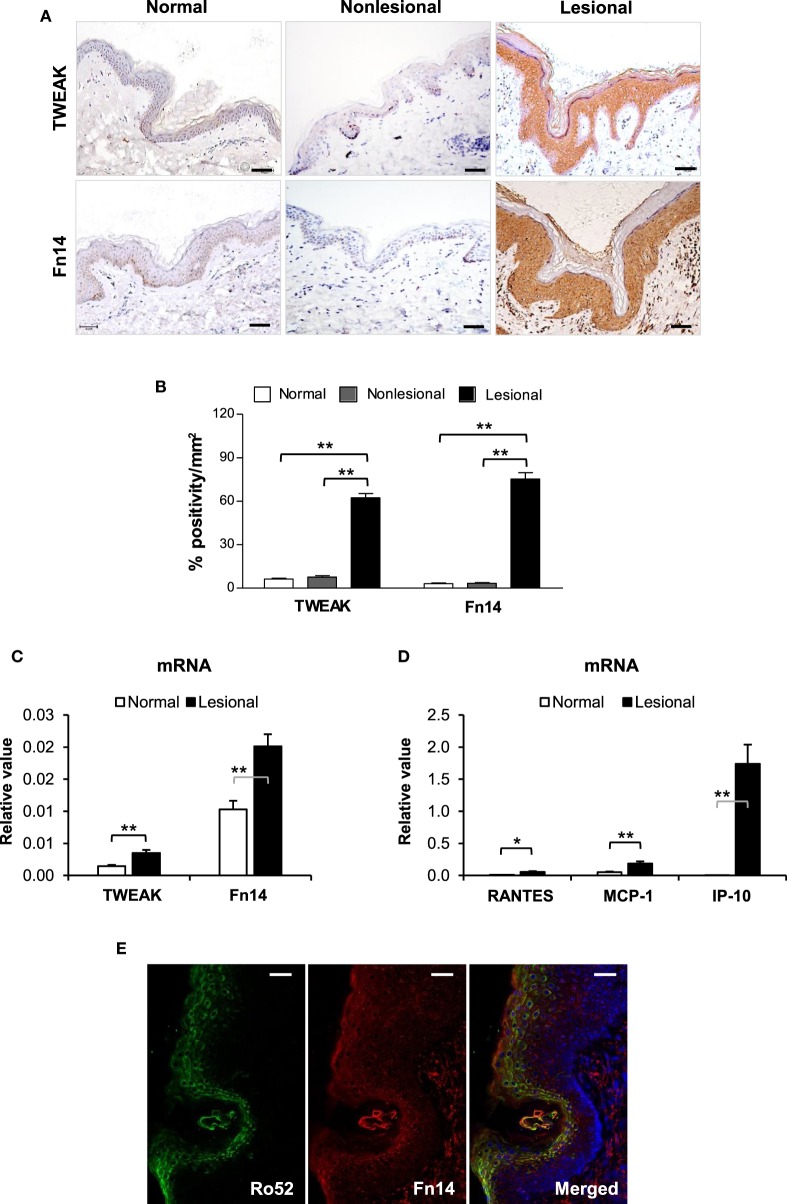
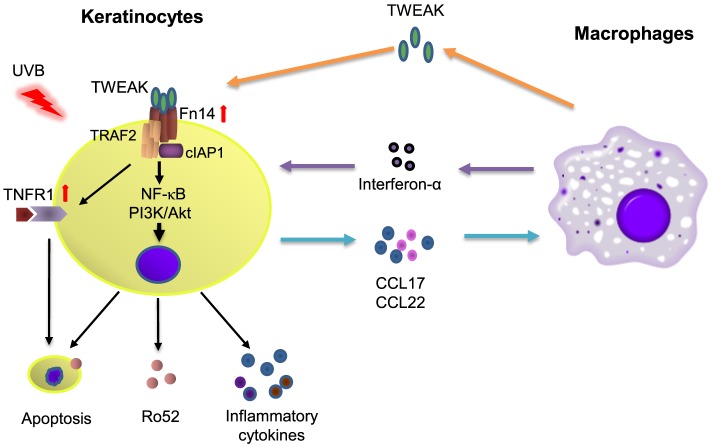
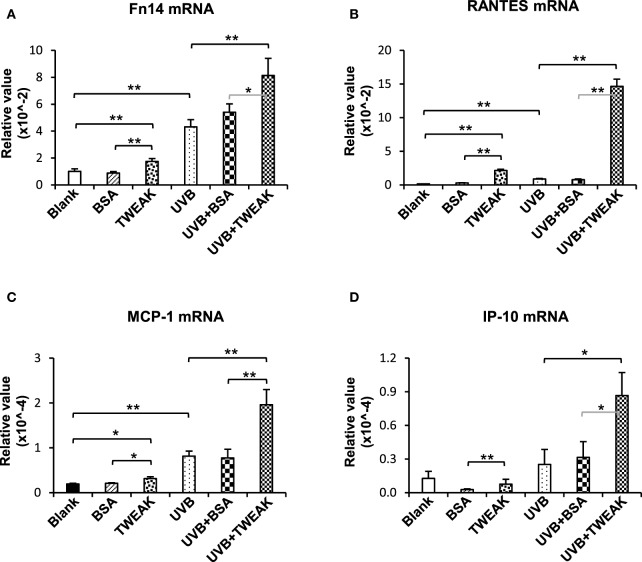
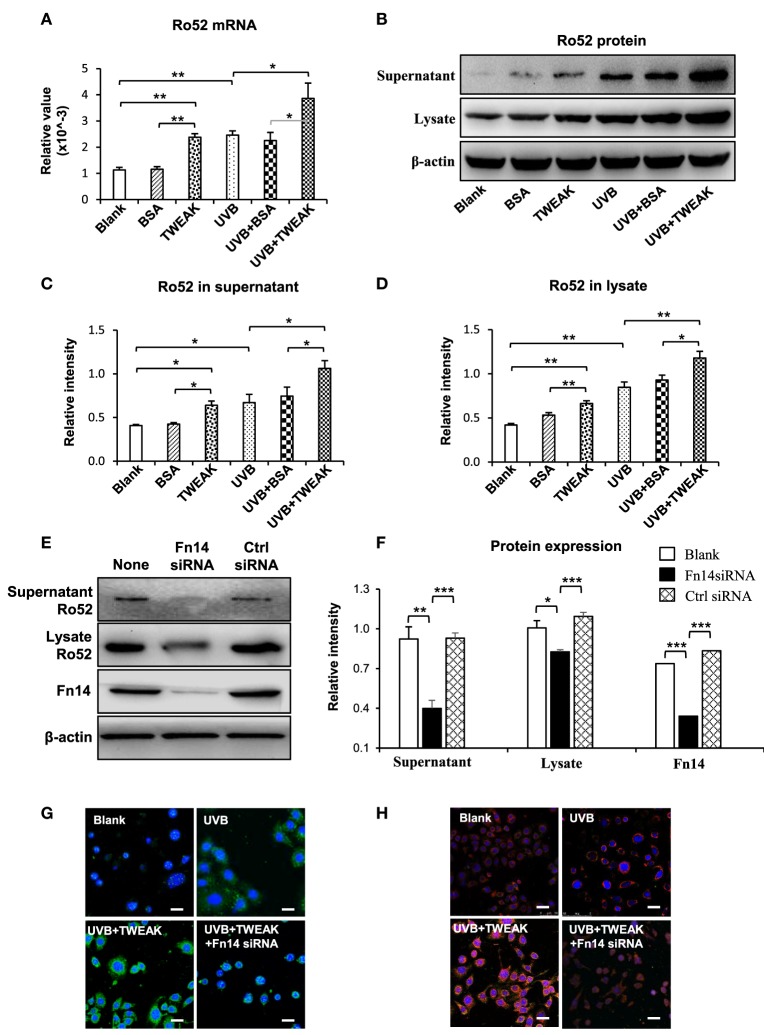
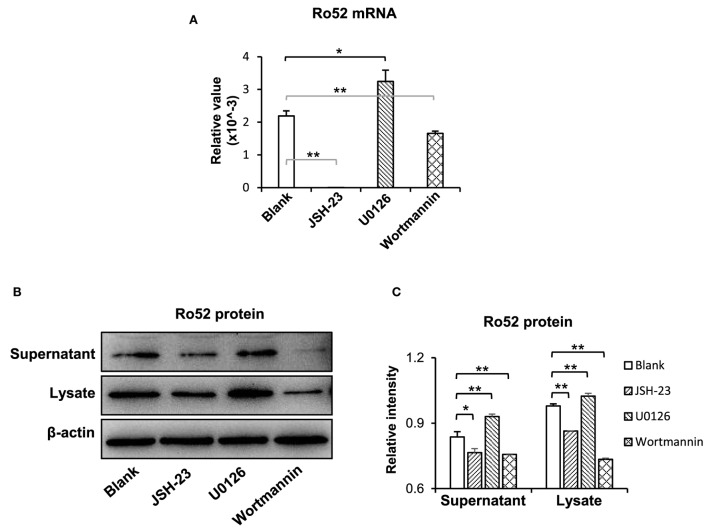
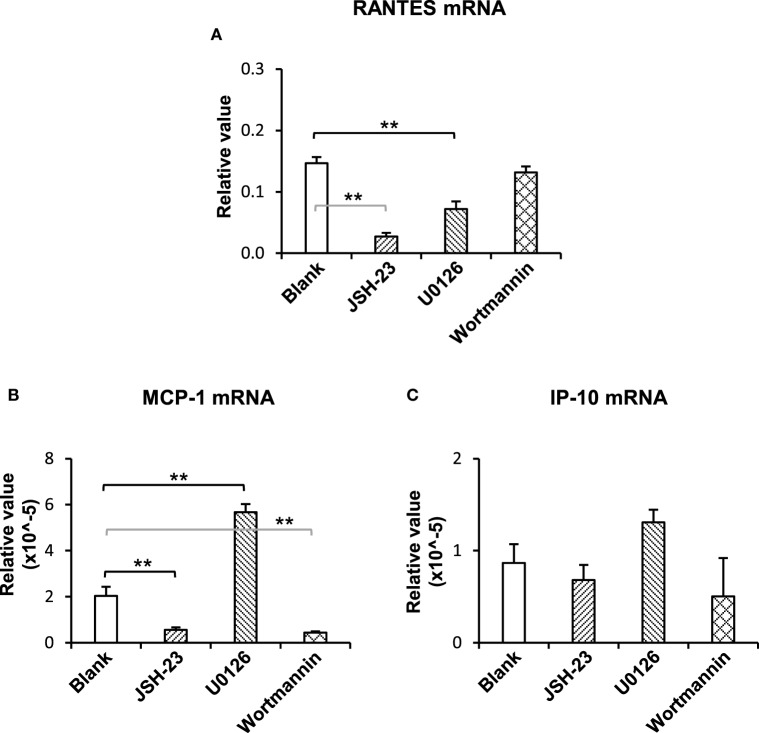
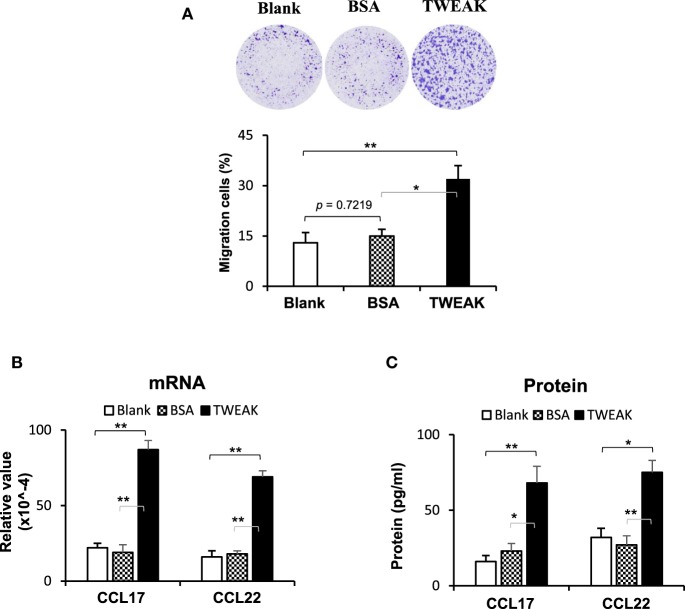
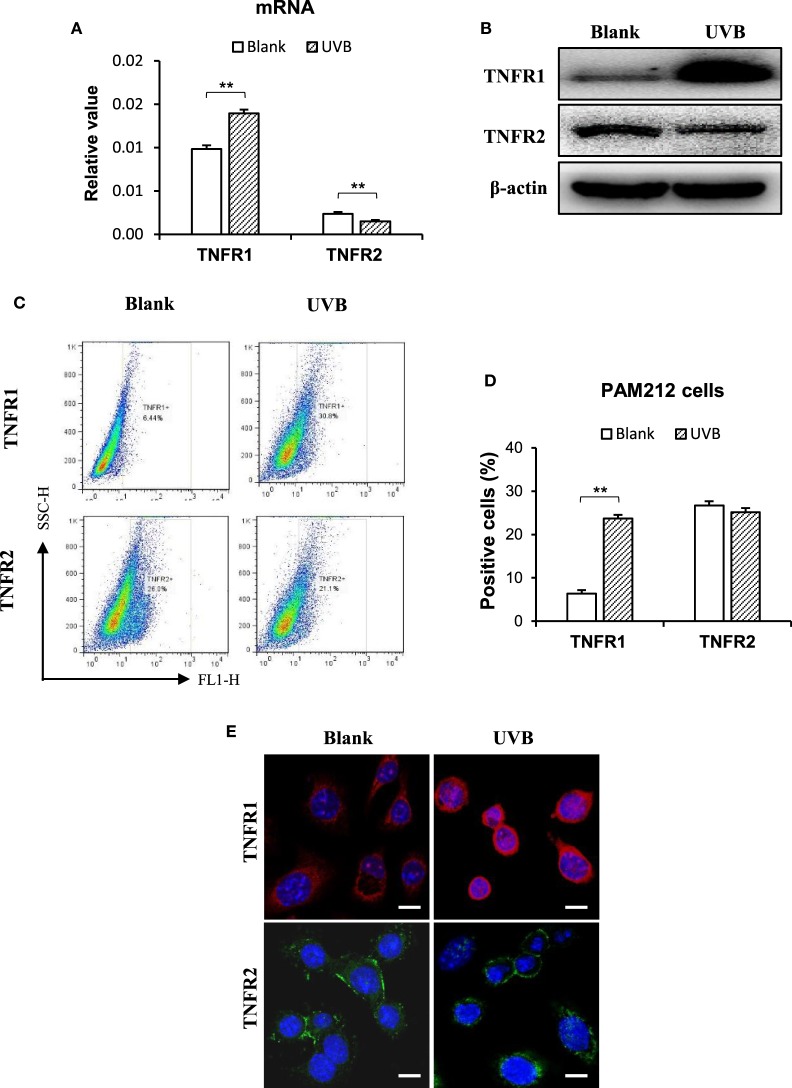
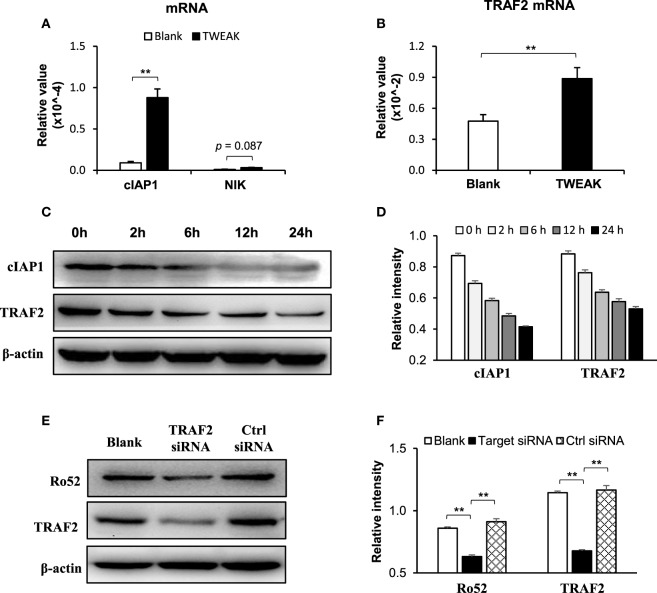
Tumor necrosis factor (TNF)-like weak inducer of apoptosis (TWEAK) binds to its sole receptor fibroblast growth factor-inducible 14 (Fn14), participating in various inflammatory responses. Recently, TWEAK/Fn14 activation was found prominent in the lesions of cutaneous lupus erythematosus (CLE). This study was designed to further reveal the potential role of this pathway in Ro52-mediated photosensitization. TWEAK, Fn14, and Ro52 were determined in the skin lesions of patients with CLE. Murine keratinocytes received ultraviolet B (UVB) irradiation or plus TWEAK stimulation and underwent detection for Ro52 and proinflammatory cytokines. The chemotaxis of J774.2 macrophages was evaluated on TWEAK stimulation of cocultured keratinocytes. We found that TWEAK, Fn14, and downstream cytokines were highly expressed in CLE lesions that overexpressed Ro52. Moreover, TWEAK enhanced the UVB-induced Ro52 upregulation in murine keratinocytes. Meanwhile, TWEAK stimulation of keratinocytes favored the migration of macrophages through promoting the production of chemokine C-C motif ligands 17 and 22. Furthermore, Fn14 siRNA transfection or nuclear factor-kappa B (NF-κB) inhibitor abrogated the TWEAK enhancement of Ro52 expression in keratinocytes. Similarly, TNF receptor associated factor 2 (TRAF2) siRNA reduced the protein level of Ro52 in these cells upon TWEAK stimulation. Interestingly, UVB irradiation increased the expression of TNF receptor type 1 (TNFR1) but not affecting TNFR2 expression in keratinocytes. In conclusion, the TWEAK/Fn14 signaling participates in Ro52-mediated photosensitization and involves the activation of NF-κB pathway as well as the function of the TRAF2/TNFR partners.
肿瘤坏死因子(TNF)样凋亡弱诱导剂(TWEAK)与其唯一受体成纤维细胞生长因子诱导14(Fn14)结合,参与各种炎症反应。最近,TWEAK/Fn14激活在皮肤红斑狼疮(CLE)病变中很突出。本研究旨在进一步揭示该通路在Ro52介导的光致敏中的潜在作用。检测了CLE患者皮肤病变中的TWEAK、Fn14和Ro52。对小鼠角质形成细胞进行紫外线B(UVB)照射或加TWEAK刺激,并检测Ro52和促炎细胞因子。在TWEAK刺激共培养的角质形成细胞后,评估J774.2巨噬细胞的趋化性。我们发现,在过表达Ro52的CLE病变中,TWEAK、Fn14和下游细胞因子高表达。此外,TWEAK增强了UVB诱导的小鼠角质形成细胞中Ro52的上调。同时,TWEAK刺激角质形成细胞通过促进趋化因子C-C基序配体17和22的产生有利于巨噬细胞的迁移。此外,Fn14小干扰RNA(siRNA)转染或核因子κB(NF-κB)抑制剂消除了TWEAK对角质形成细胞中Ro52表达的增强作用。同样,TNF受体相关因子2(TRAF2)siRNA降低了TWEAK刺激后这些细胞中Ro52的蛋白水平。有趣的是,UVB照射增加了角质形成细胞中1型TNF受体(TNFR1)的表达,但不影响TNFR2的表达。总之,TWEAK/Fn14信号通路参与Ro52介导的光致敏,涉及NF-κB通路的激活以及TRAF2/TNFR伙伴的功能。