Ingemarsdotter Carin K, Poddar Sushmita, Mercier Sarah, Patzel Volker, Lever Andrew M L
Department of Medicine, Addenbrooke's Hospital, University of Cambridge, Cambridge CB2 0QQ, UK.
Department of Microbiology & Immunology, Yong Loo Lin School of Medicine, National University of Singapore, 5 Science Drive 2, Singapore 117545, Singapore.
Mol Ther Nucleic Acids. 2017 Jun 16;7:140-154. doi: 10.1016/j.omtn.2017.03.004. Epub 2017 Mar 14.
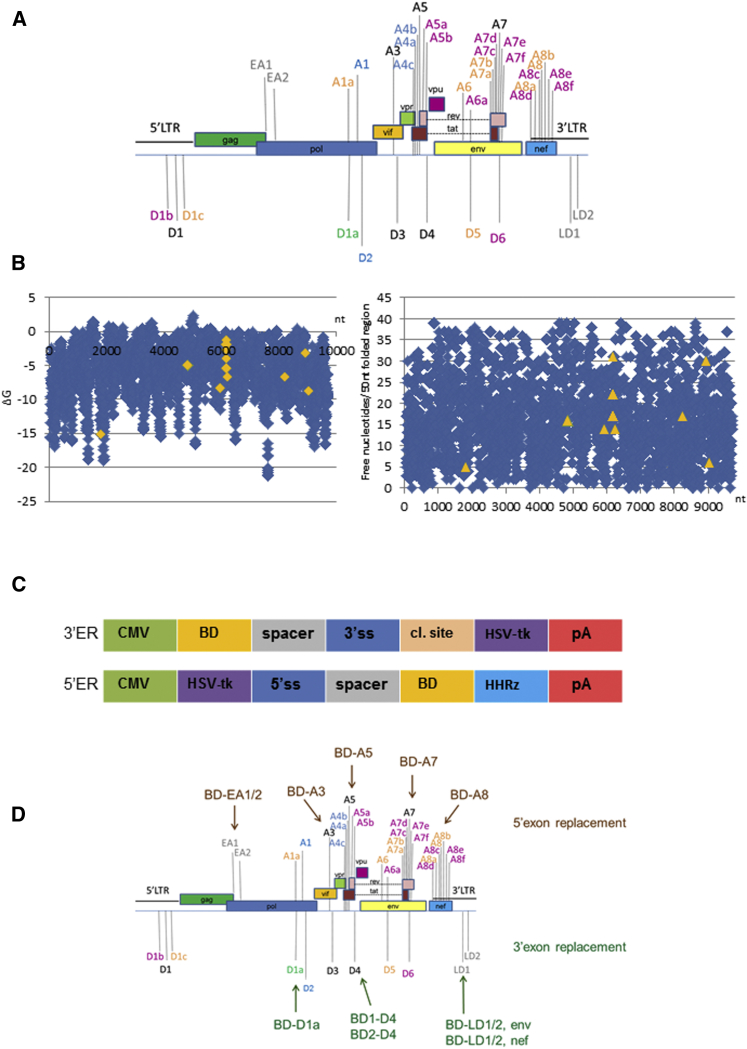
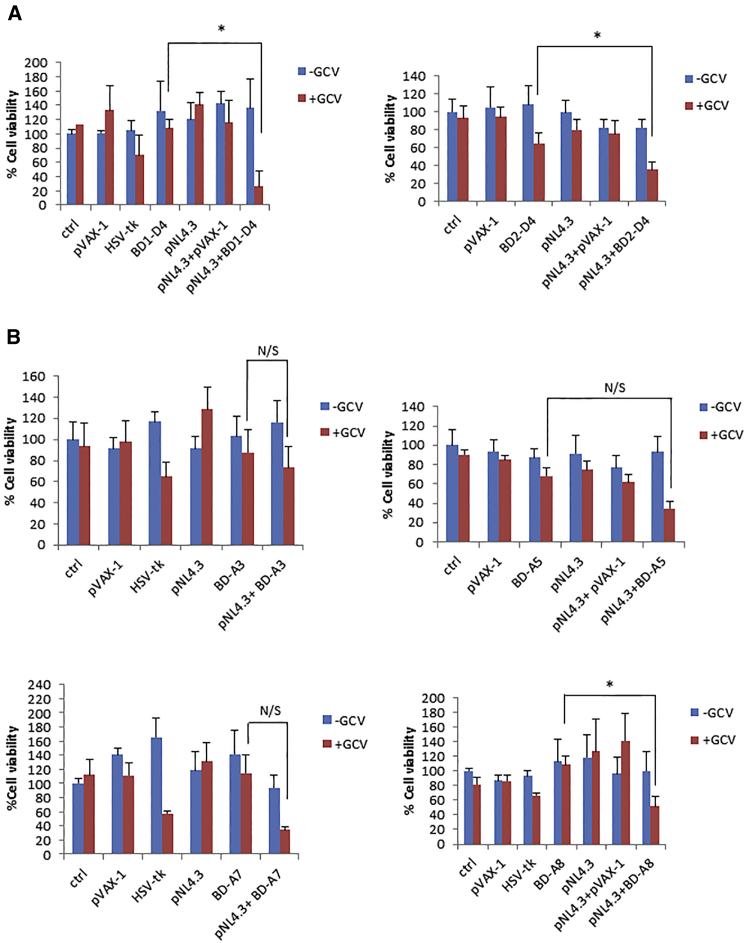
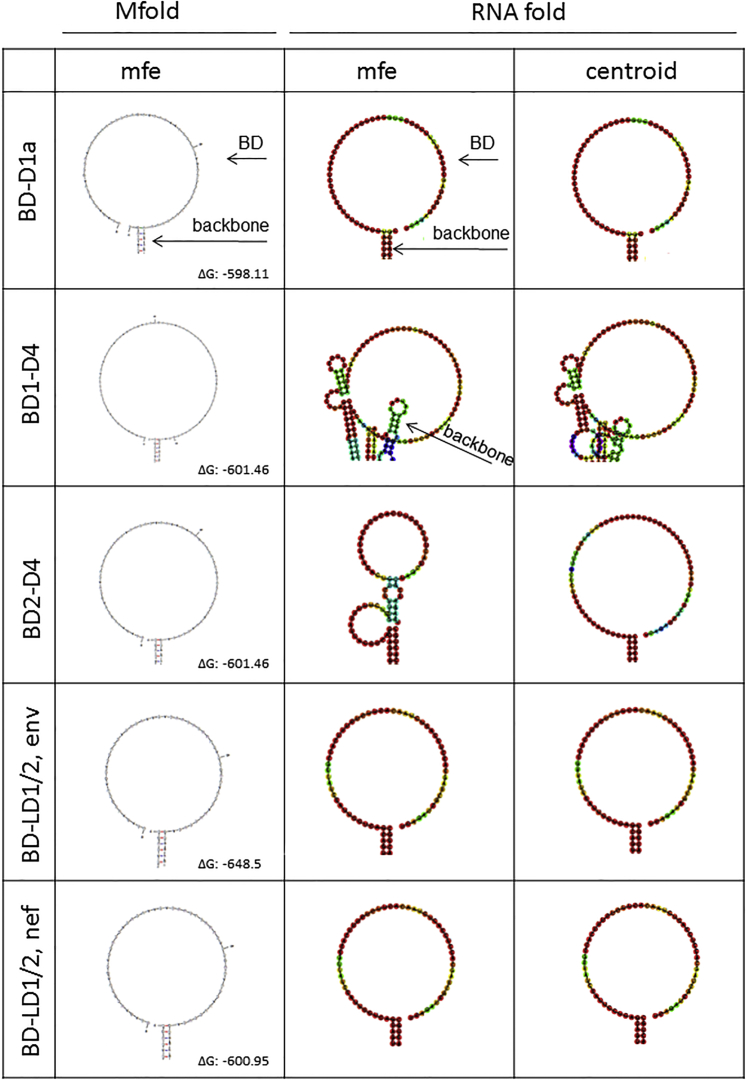
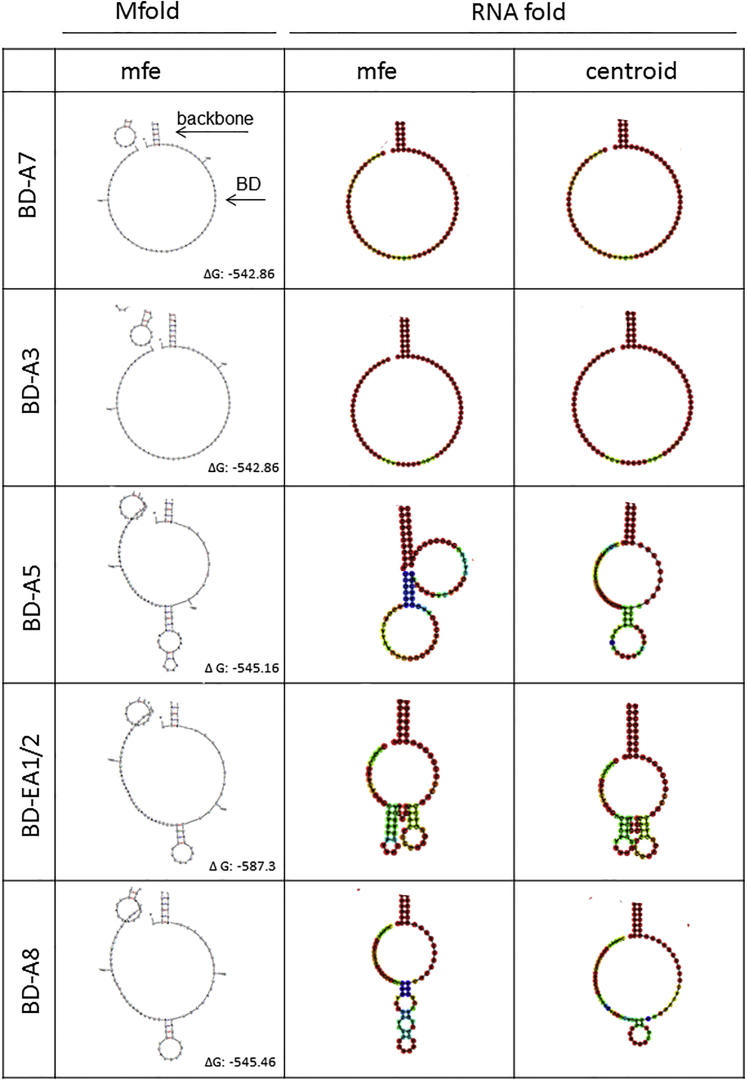
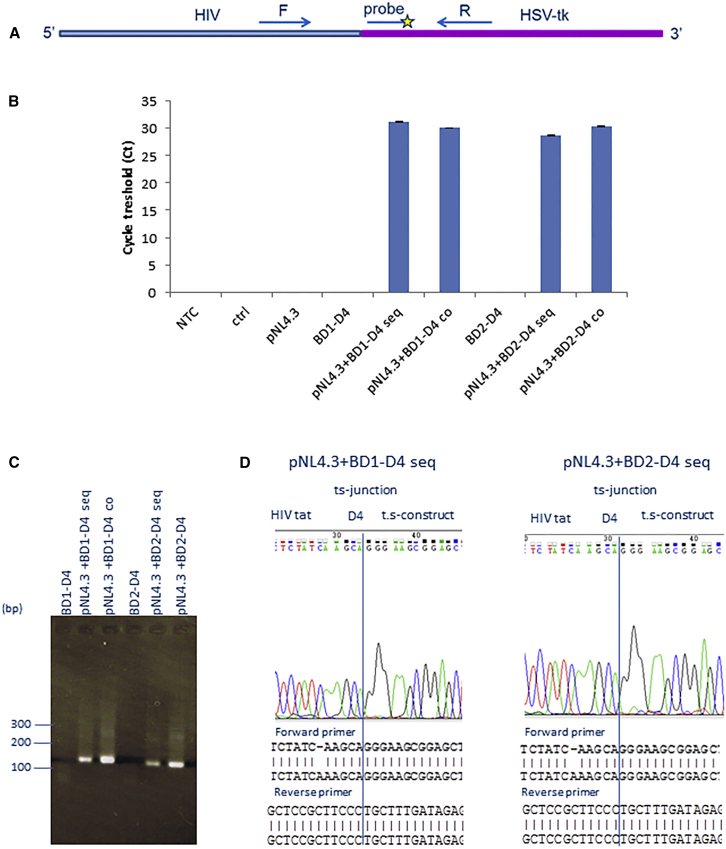
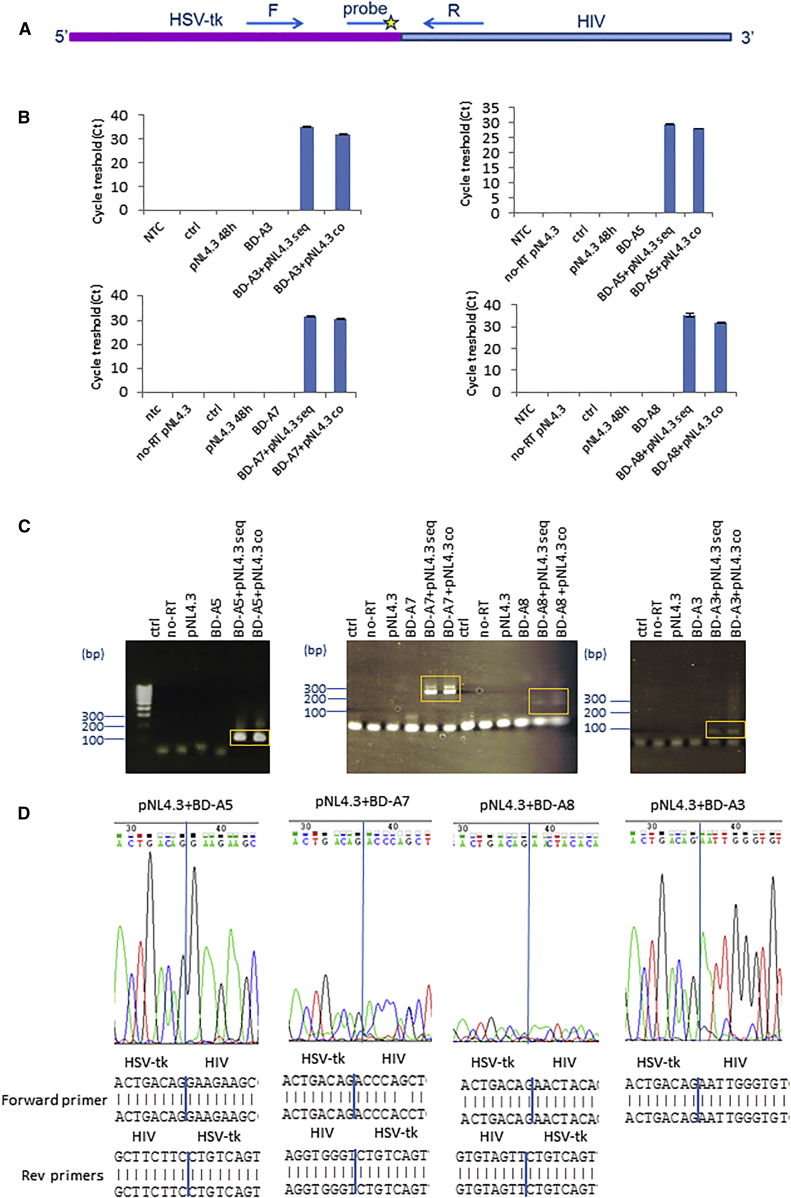
Antiviral strategies targeting hijacked cellular processes are less easily evaded by the virus than viral targets. If selective for viral functions, they can have a high therapeutic index. We used RNA trans-splicing to deliver the herpes simplex virus thymidine kinase-ganciclovir (HSV-tk/GCV) cell suicide system into HIV-producing cells. Using an extensive in silico bioinformatics and RNA structural analysis approach, ten HIV RNA trans-splicing constructs were designed targeting eight different HIV splice donor or acceptor sites and were tested in cells expressing HIV. Trans-spliced mRNAs were identified in HIV-expressing cells using qRT-PCR with successful detection of fusion RNA transcripts between HIV RNA and the HSV-tk RNA transcripts from six of ten candidate RNA trans-splicing constructs. Conventional PCR and Sanger sequencing confirmed RNA trans-splicing junctions. Measuring cell viability in the presence or absence of GCV expression of HSV-tk by RNA trans-splicing led to selective killing of HIV-producing cells using either 3' exon replacement or 5' exon replacement in the presence of GCV. Five constructs targeting four HIV splice donor and acceptor sites, D4, A5, A7, and A8, involved in regulating the generation of multiple HIV RNA transcripts proved to be effective for trans-splicing mediated selective killing of HIV-infected cells, within which individual constructs targeting D4 and A8 were the most efficient.
与针对病毒靶点的策略相比,靶向被劫持细胞过程的抗病毒策略更不易被病毒规避。如果对病毒功能具有选择性,它们可以具有较高的治疗指数。我们利用RNA反式剪接将单纯疱疹病毒胸苷激酶-更昔洛韦(HSV-tk/GCV)细胞自杀系统导入产生HIV的细胞中。使用广泛的计算机生物信息学和RNA结构分析方法,设计了十个针对八个不同HIV剪接供体或受体位点的HIV RNA反式剪接构建体,并在表达HIV的细胞中进行了测试。使用qRT-PCR在表达HIV的细胞中鉴定出反式剪接的mRNA,成功检测到十个候选RNA反式剪接构建体中的六个构建体的HIV RNA与HSV-tk RNA转录本之间的融合RNA转录本。常规PCR和桑格测序证实了RNA反式剪接连接。通过RNA反式剪接在有无GCV的情况下测量HSV-tk的细胞活力,导致在有GCV的情况下使用3'外显子替换或5'外显子替换选择性杀死产生HIV的细胞。五个针对四个HIV剪接供体和受体位点D4、A5、A7和A8的构建体,参与调节多种HIV RNA转录本的产生,被证明对反式剪接介导的HIV感染细胞的选择性杀伤有效,其中针对D4和A8的单个构建体效率最高。