Central Research Laboratory, Shandong University, Second Hospital, Jinan, PR China; Department of Medicine, Division of Hematology, and Center for Molecular Medicine, Karolinska Institutet and Karolinska University Hospital Solna, Stockholm, Sweden.
Department of Medicine, Division of Hematology, and Center for Molecular Medicine, Karolinska Institutet and Karolinska University Hospital Solna, Stockholm, Sweden.
EBioMedicine. 2017 Jul;21:104-116. doi: 10.1016/j.ebiom.2017.06.007. Epub 2017 Jun 8.
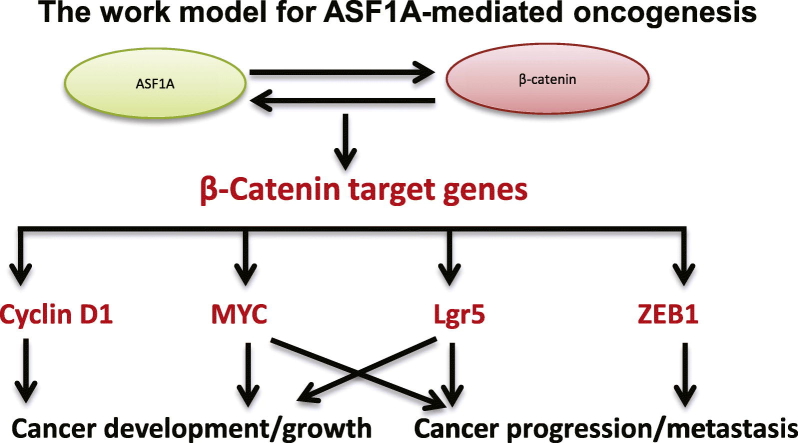
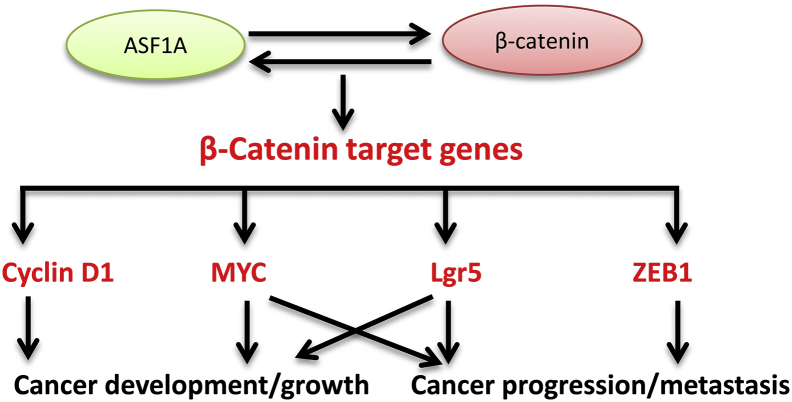
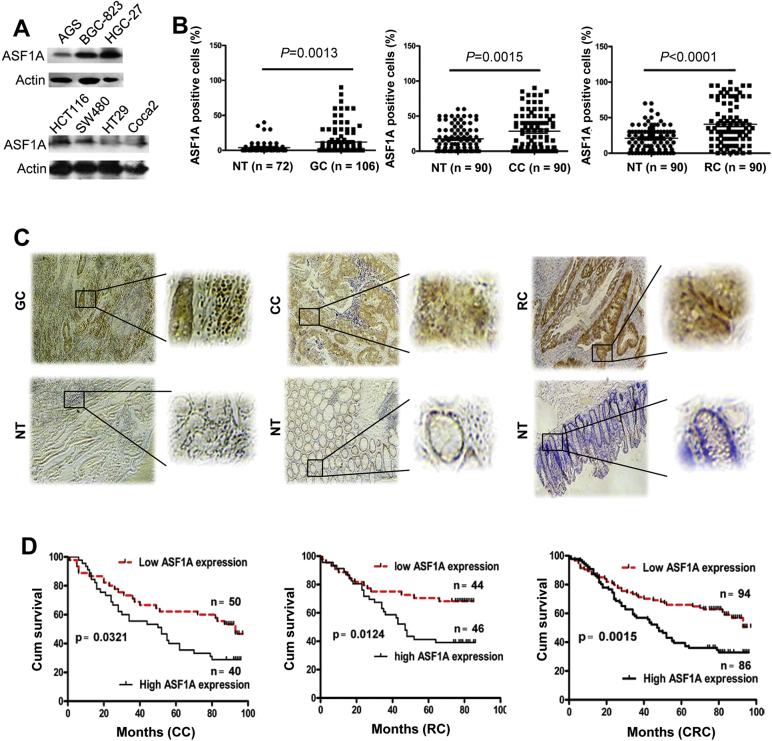
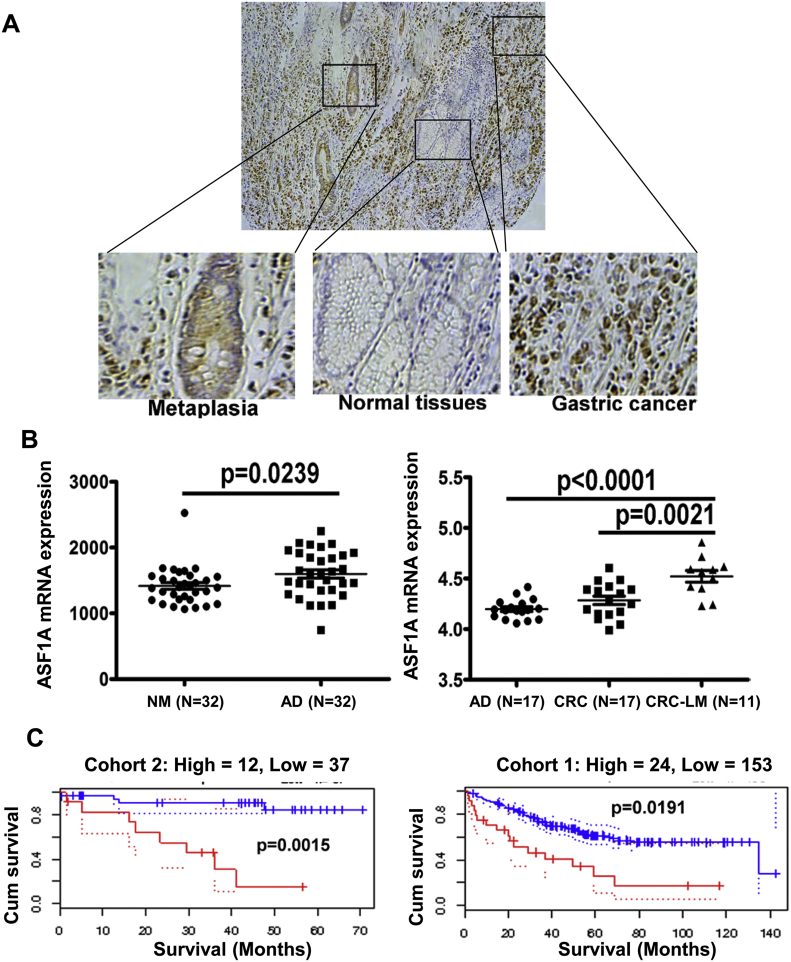
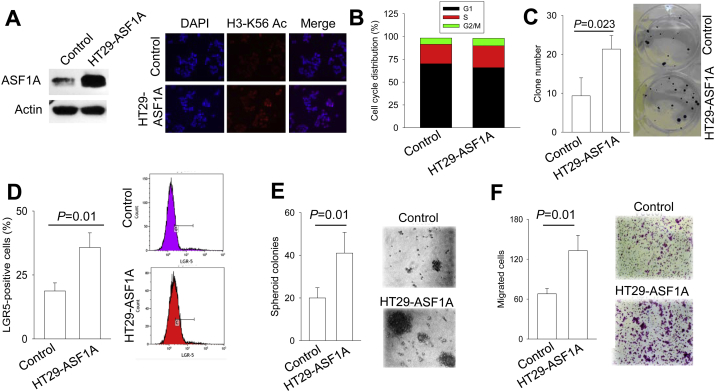
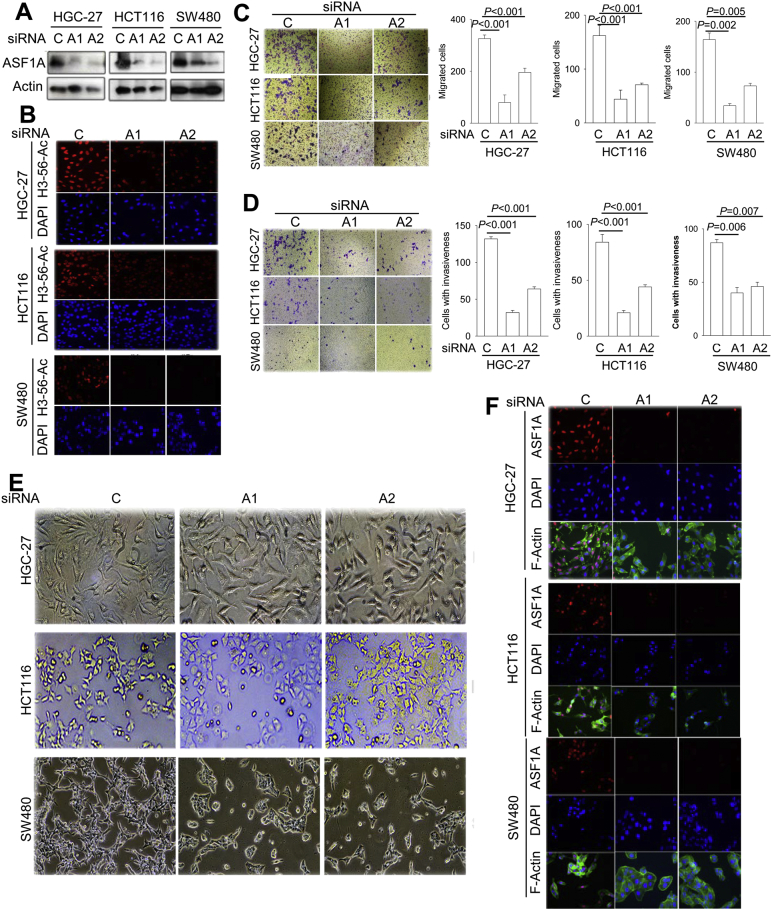
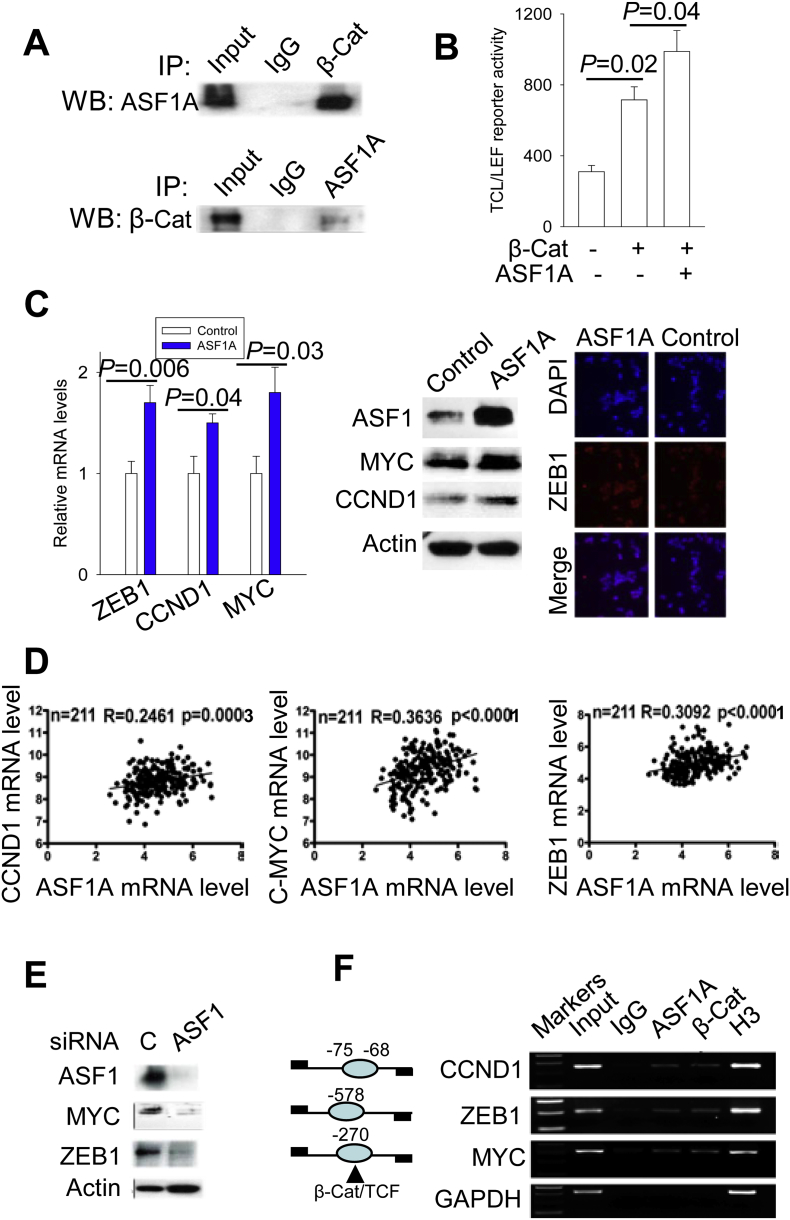
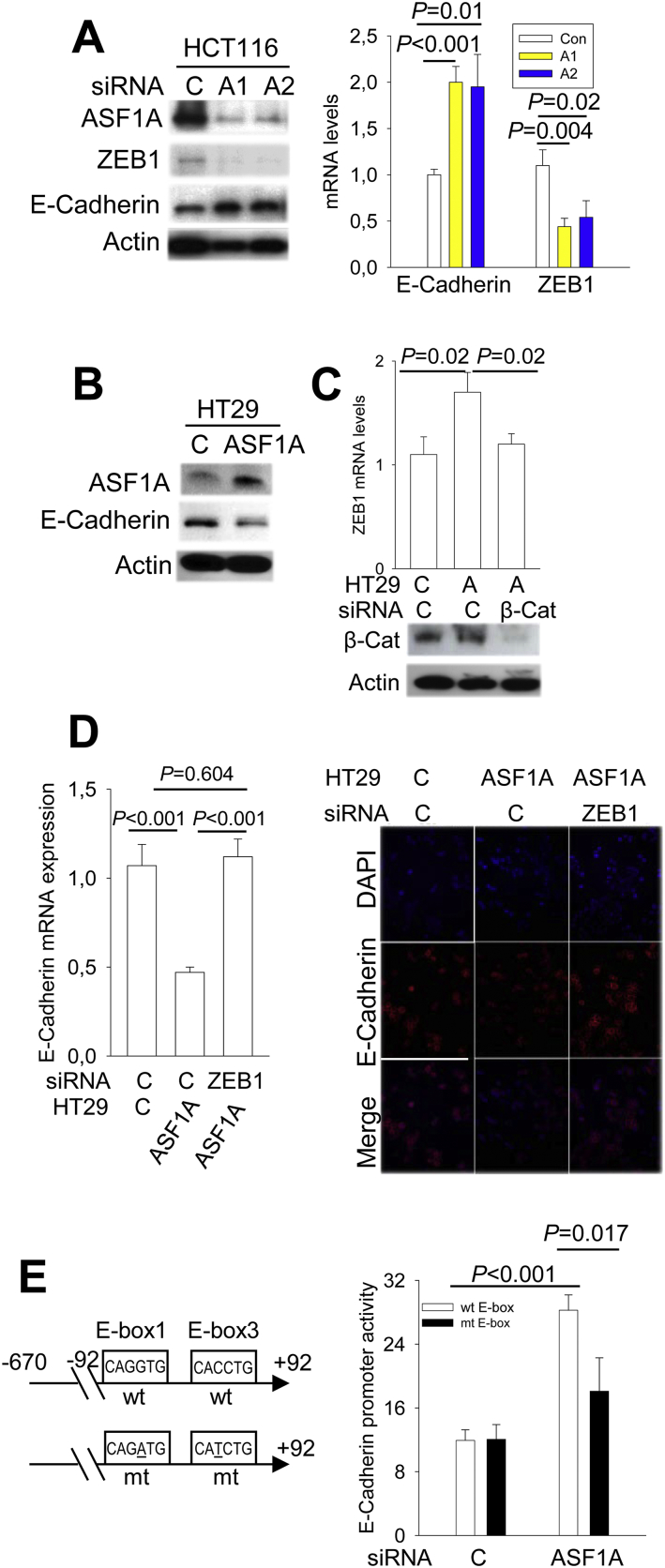
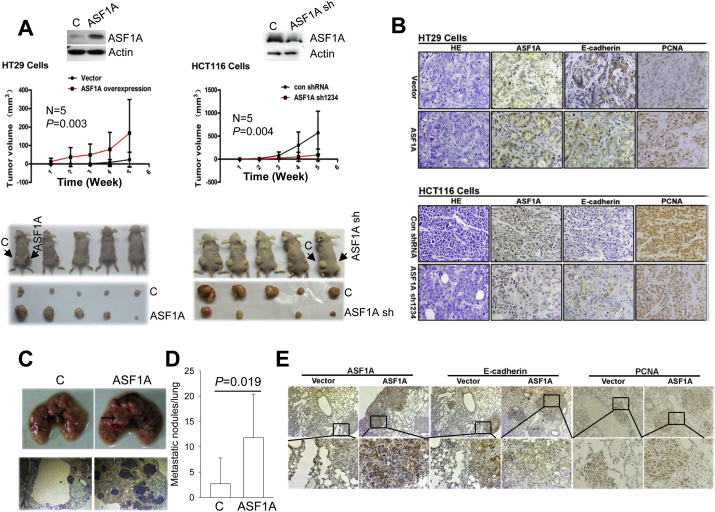
Epigenetic mechanisms play a key role in gastrointestinal cancer (GIC) development and progression, and most studies have been focused on aberrant DNA methylation and histone modifying enzymes. However, the histone H3-H4 chaperone ASF1A is an important factor regulating chromatin assembling and gene transcription, while it is currently unclear whether ASF1A is involved in cancer pathogenesis. The present study is thus designed to address this issue. Here we showed that ASF1A expression was widespread in GIC-derived cell lines and up-regulated in primary GIC. Higher levels of ASF1A expression predicted significantly shorter patient overall survival in colorectal cancer (P=0.0012). The further analyses of the GEO dataset validate higher ASF1A expression as a prognostic factor for CRC patients. Mechanistically, ASF1A interacted with β-catenin and promoted the transcription of β-catenin target genes including c-MYC, cyclin D1, ZEB1 and LGR5, thereby stimulating proliferation, stemness and migration/invasion of GIC cells. β-Catenin inhibition abolished these effects of ASF1A. Moreover, the ASF1A-β-catenin-ZEB1 axis down-regulated E-Cadherin expression, thereby contributing to enhanced migration/invasion of GIC cells. ASF1A over-expression and depletion facilitated and inhibited in vivo tumor growth and/or metastasis in mouse xenograft models, respectively. Taken together, ASF1A is aberrantly over-expressed in GIC tumors and plays key roles in GIC development and progression by stimulating the transcription of β-catenin target genes. ASF1A may thus be a novel target for GIC therapy and a potential prognostic marker.
表观遗传机制在胃肠道癌症(GIC)的发生和发展中起着关键作用,大多数研究都集中在异常的 DNA 甲基化和组蛋白修饰酶上。然而,组蛋白 H3-H4 伴侣 ASF1A 是调节染色质组装和基因转录的重要因素,而目前尚不清楚 ASF1A 是否参与癌症发病机制。因此,本研究旨在解决这一问题。本研究表明,ASF1A 表达广泛存在于 GIC 来源的细胞系中,并在上皮性胃肠道肿瘤中上调。ASF1A 表达水平较高的患者结直肠癌总生存期明显缩短(P=0.0012)。对 GEO 数据集的进一步分析验证了 ASF1A 高表达是 CRC 患者的预后因素。机制上,ASF1A 与 β-catenin 相互作用,并促进包括 c-MYC、cyclin D1、ZEB1 和 LGR5 在内的 β-catenin 靶基因的转录,从而刺激 GIC 细胞的增殖、干性和迁移/侵袭。β-catenin 抑制消除了 ASF1A 的这些作用。此外,ASF1A-β-catenin-ZEB1 轴下调 E-Cadherin 表达,从而促进 GIC 细胞的迁移/侵袭。ASF1A 的过表达和耗竭分别促进和抑制了小鼠异种移植模型中的体内肿瘤生长和/或转移。总之,ASF1A 在 GIC 肿瘤中异常高表达,并通过刺激β-catenin 靶基因的转录在 GIC 的发生和发展中发挥关键作用。因此,ASF1A 可能是 GIC 治疗的新靶点和潜在的预后标志物。