Stokman Geurt, Kors Lotte, Bakker Pieter J, Rampanelli Elena, Claessen Nike, Teske Gwendoline J D, Butter Loes, van Andel Harmen, van den Bergh Weerman Marius A, Larsen Per W B, Dessing Mark C, Zuurbier Coert J, Girardin Stephen E, Florquin Sandrine, Leemans Jaklien C
Department of Pathology, Academic Medical Center, Amsterdam, Netherlands
Department of Pathology, Academic Medical Center, Amsterdam, Netherlands.
J Exp Med. 2017 Aug 7;214(8):2405-2420. doi: 10.1084/jem.20161031. Epub 2017 Jun 16.
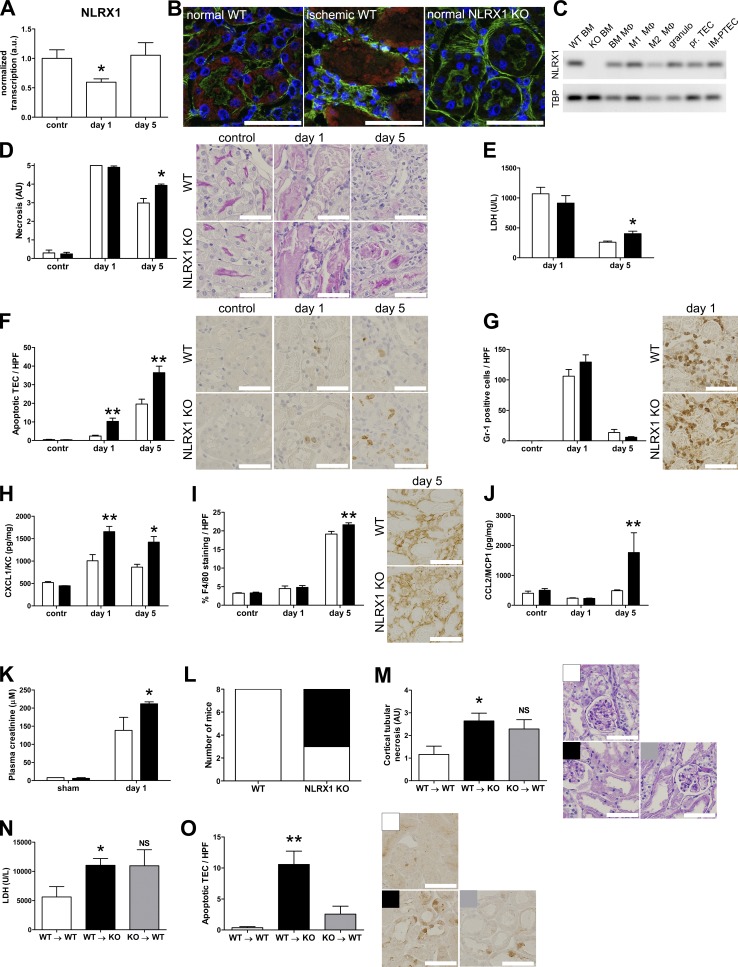
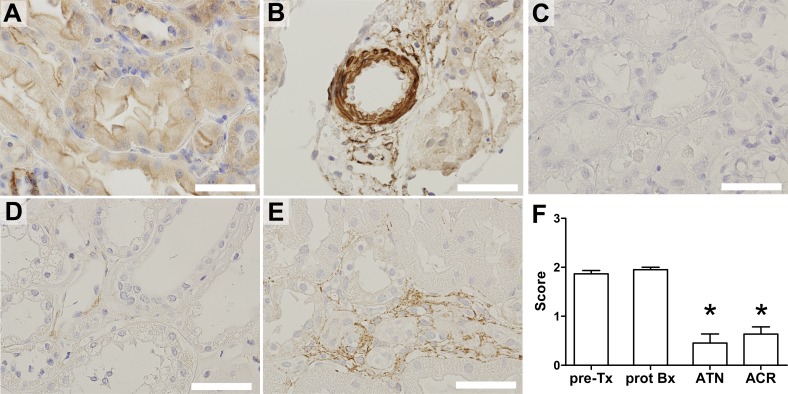
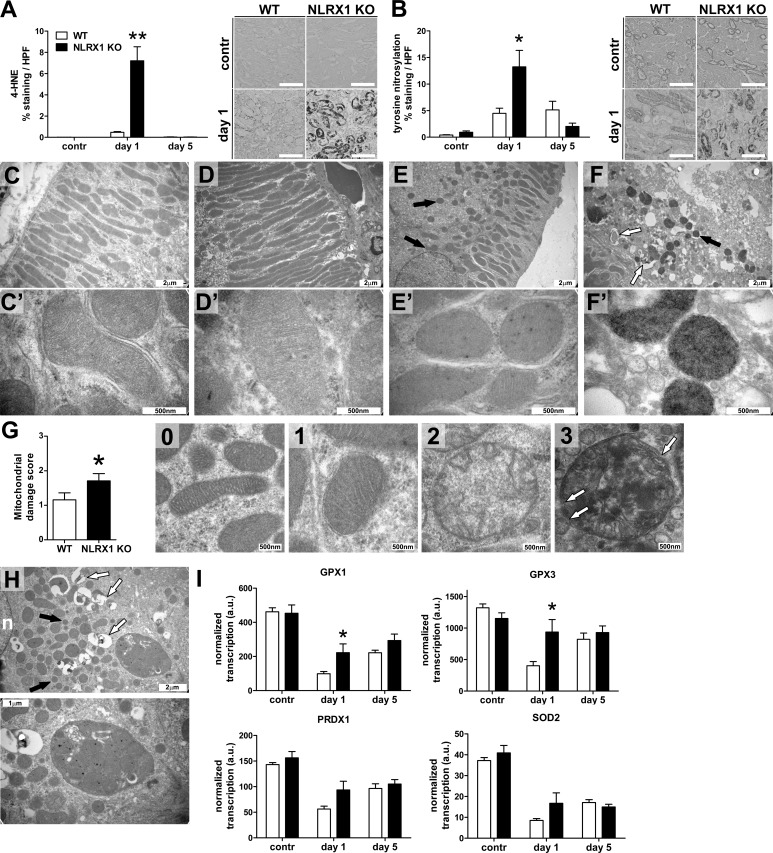
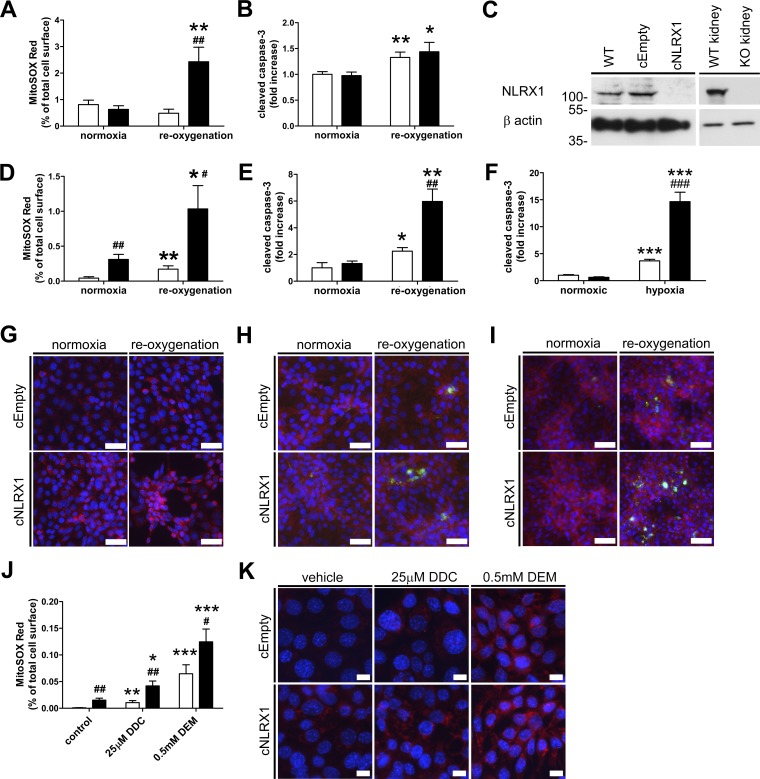
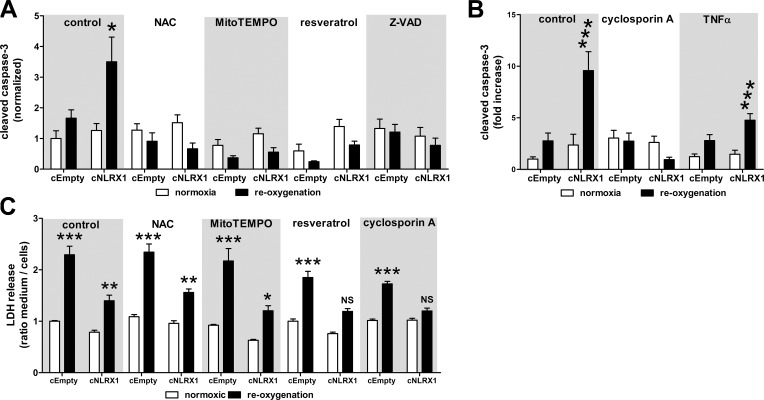
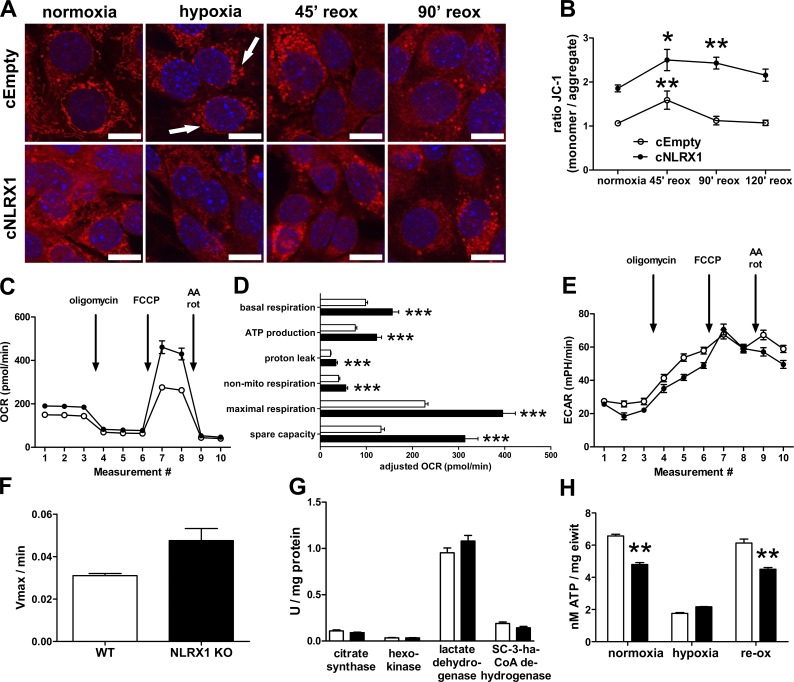
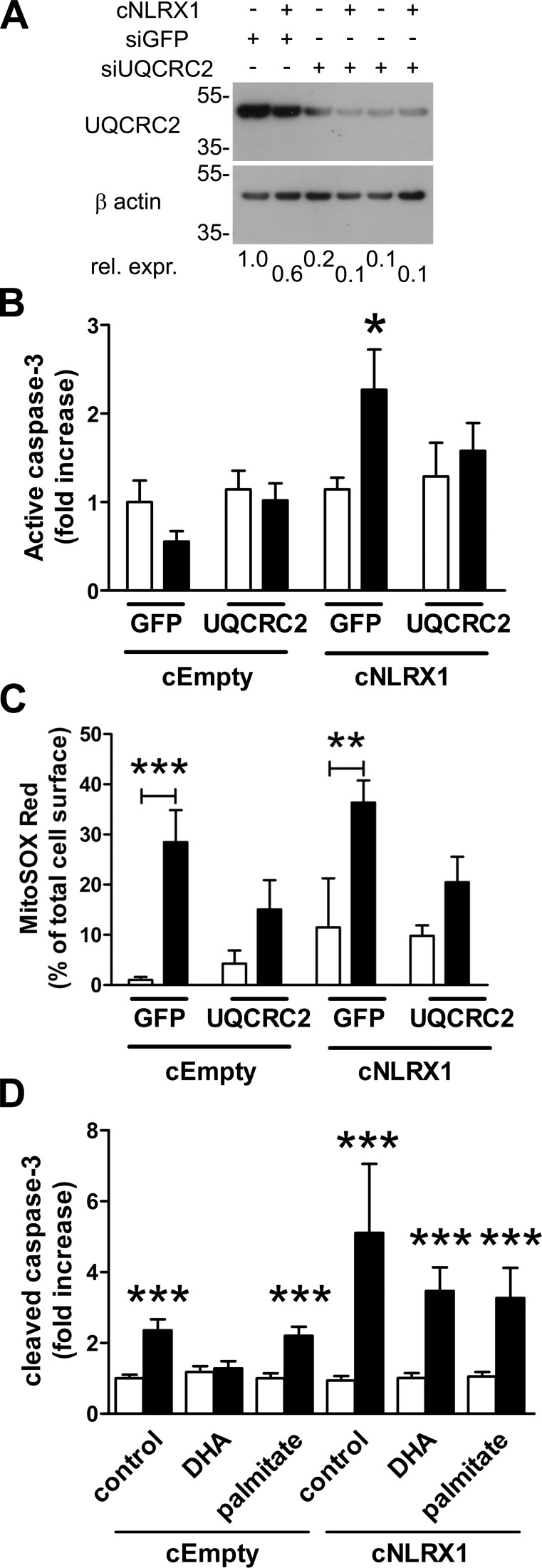
Mitochondrial dysfunction is the most prominent source of oxidative stress in acute and chronic kidney disease. NLRX1 is a receptor of the innate immune system that is ubiquitously expressed and localized in mitochondria. We investigated whether NLRX1 may act at the interface of metabolism and innate immunity in a model of oxidative stress. Using a chimeric mouse model for renal ischemia-reperfusion injury, we found that NLRX1 protects against mortality, mitochondrial damage, and epithelial cell apoptosis in an oxidative stress-dependent fashion. We found that NLRX1 regulates oxidative phosphorylation and cell integrity, whereas loss of NLRX1 results in increased oxygen consumption, oxidative stress, and subsequently apoptosis in epithelial cells during ischemia-reperfusion injury. In line, we found that NLRX1 expression in human kidneys decreased during acute renal ischemic injury and acute cellular rejection. Although first implicated in immune regulation, we propose that NLRX1 function extends to the control of mitochondrial activity and prevention of oxidative stress and apoptosis in tissue injury.
线粒体功能障碍是急性和慢性肾脏疾病中氧化应激最主要的来源。NLRX1是一种先天性免疫系统受体,广泛表达并定位于线粒体。我们研究了在氧化应激模型中,NLRX1是否可能在代谢与先天性免疫的界面发挥作用。使用肾缺血再灌注损伤的嵌合小鼠模型,我们发现NLRX1以氧化应激依赖的方式预防死亡、线粒体损伤和上皮细胞凋亡。我们发现NLRX1调节氧化磷酸化和细胞完整性,而NLRX1的缺失会导致缺血再灌注损伤期间上皮细胞耗氧量增加、氧化应激增加,随后发生凋亡。同样,我们发现急性肾缺血损伤和急性细胞排斥反应期间,人肾脏中NLRX1的表达降低。尽管最初认为NLRX1与免疫调节有关,但我们提出NLRX1的功能扩展到对线粒体活性的控制以及预防组织损伤中的氧化应激和凋亡。