Grímsson Friðgeir, Grimm Guido W, Zetter Reinhard
Department of Palaeontology, University of Vienna, Vienna, Austria.
Unaffiliated, Orléans, France.
PeerJ. 2017 Jun 13;5:e3434. doi: 10.7717/peerj.3434. eCollection 2017.
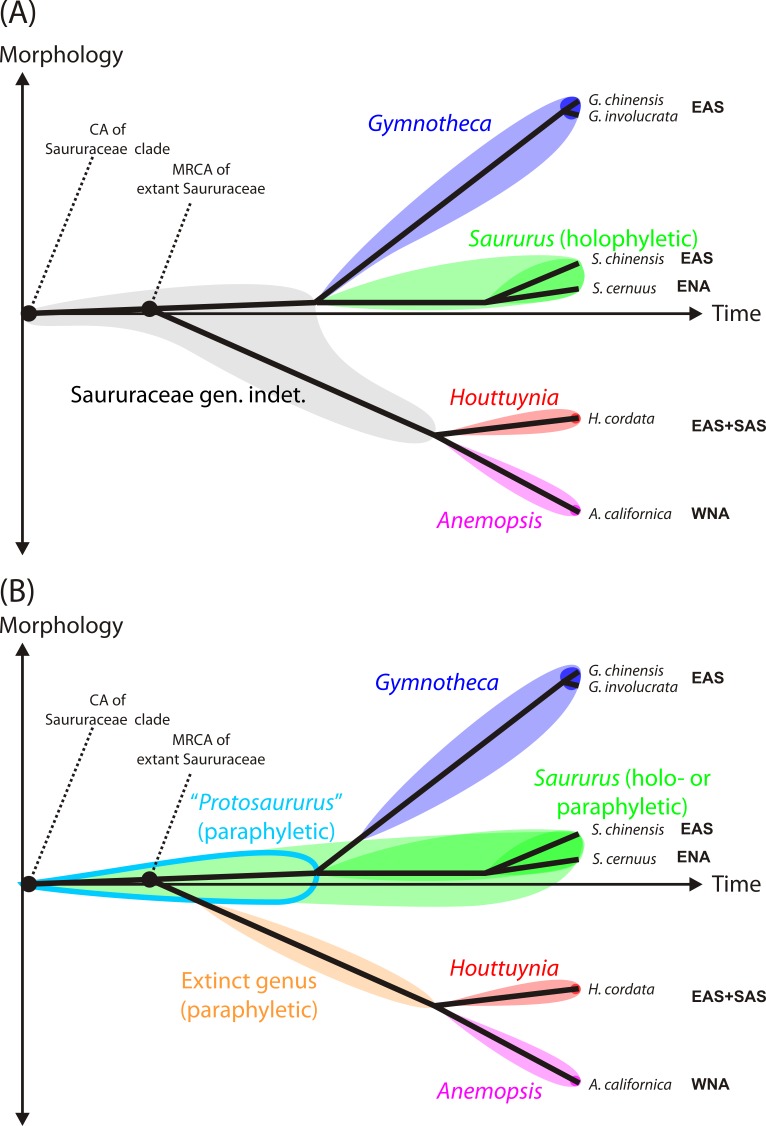
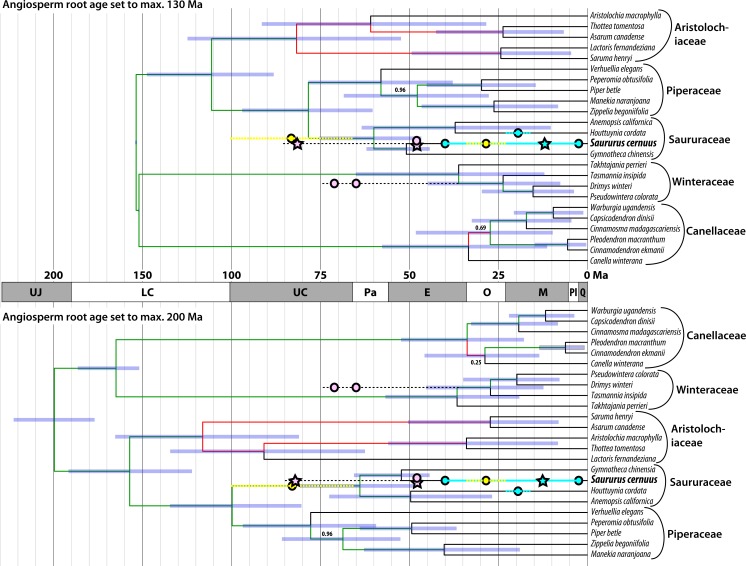
The Saururaceae, a very small family of Piperales comprising only six species in four genera, have a relatively scanty fossil record outside of Europe. The phylogenetic relationships of the four genera to each other are resolved, with the type genus occurring in both eastern North America and East Asia. No extant species occurs in western Eurasia. The most exceptional find so far has been an inflorescence with pollen, S.Y.Sm. & Stockey from Eocene of North America with strong affinities to extant species of Recent dated trees suggest, however, an Eocene or younger crown age for the family.
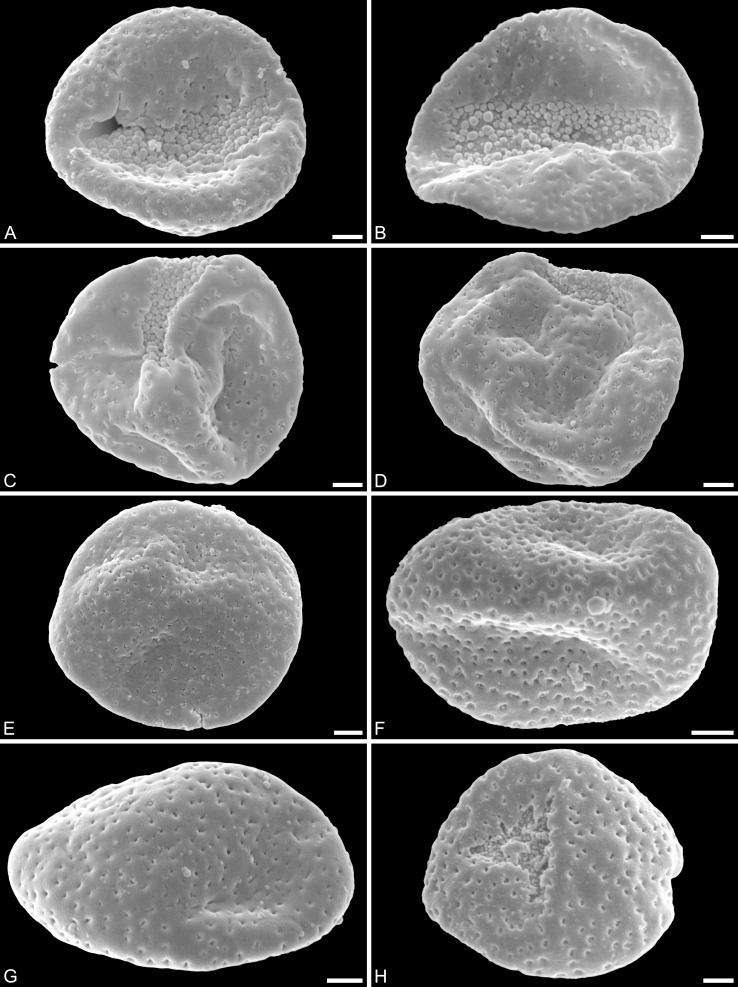
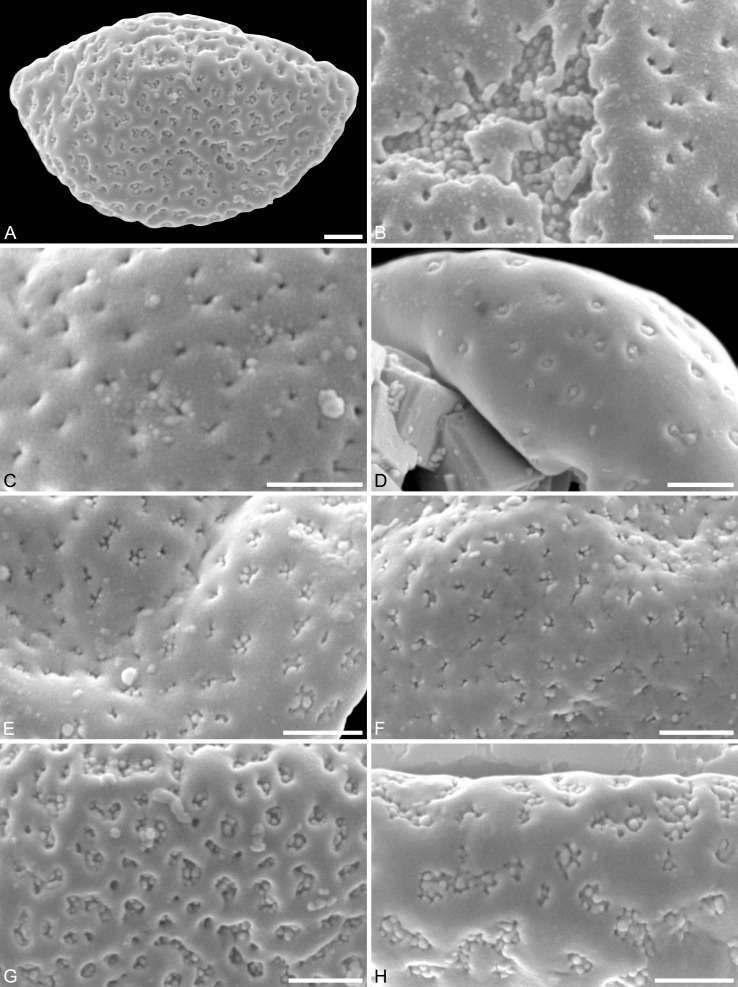
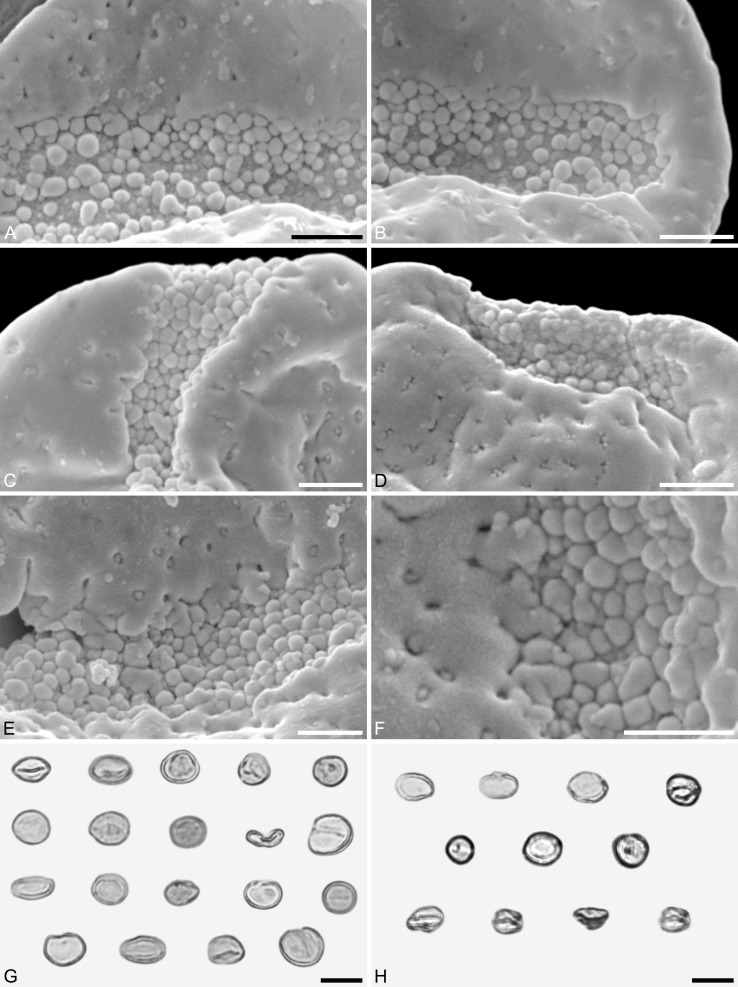
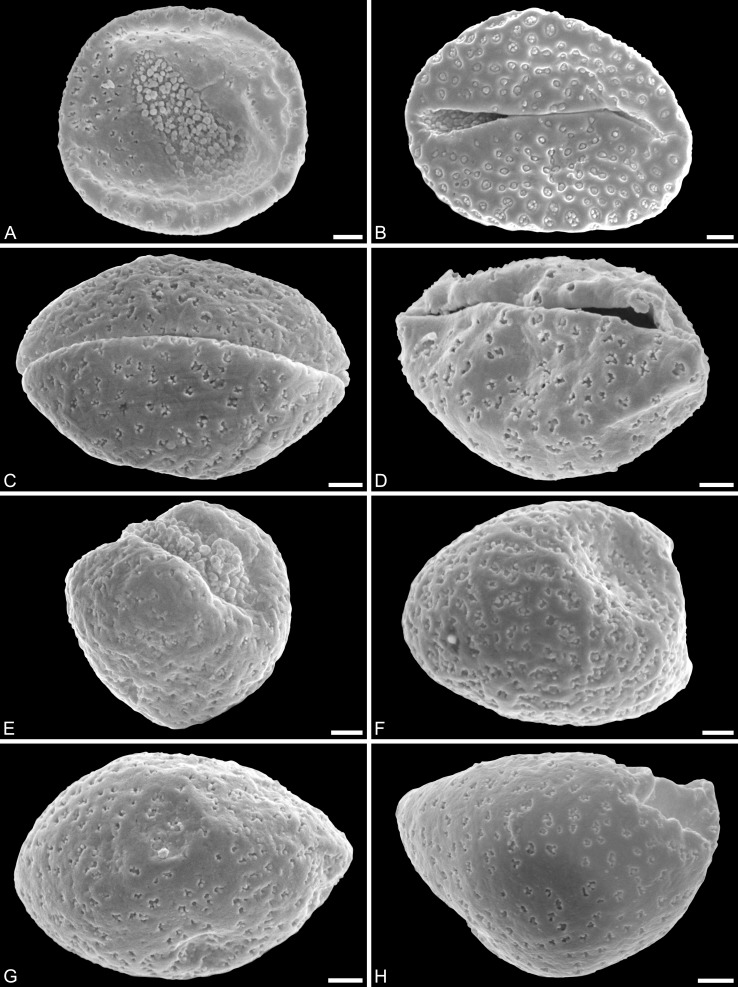
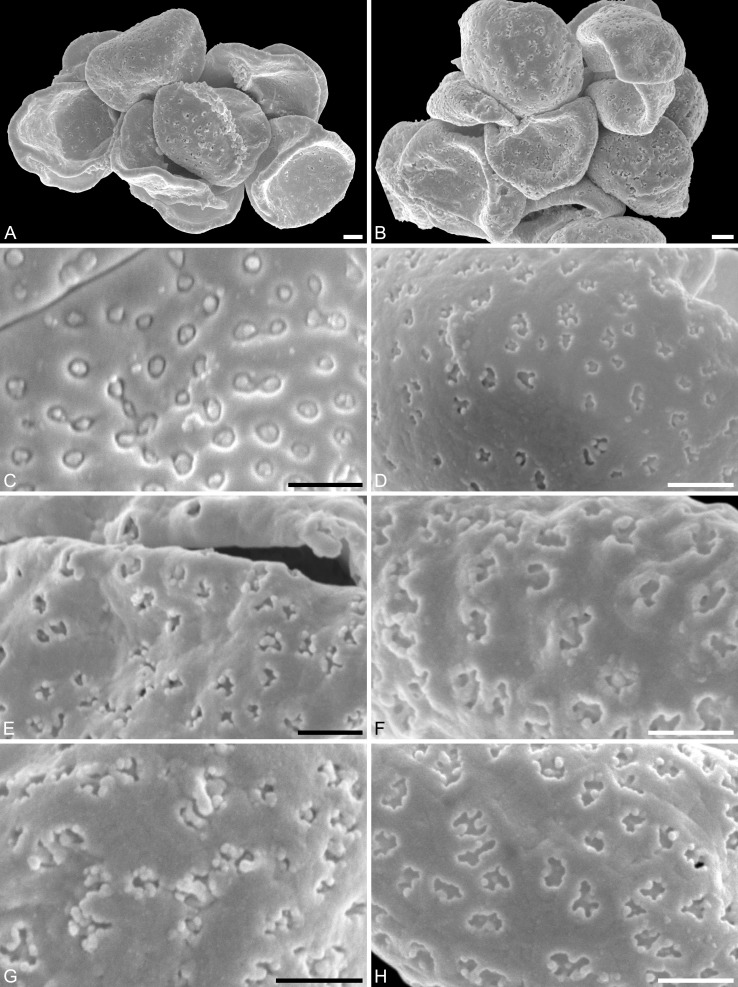
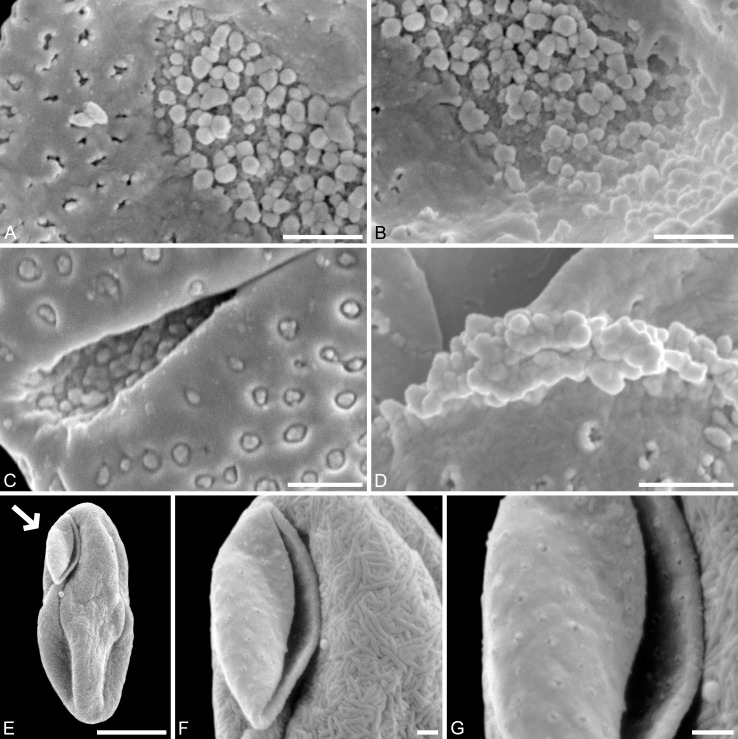
Dispersed fossil pollen grains from the Campanian (82-81 Ma) of North America are compared to dispersed pollen grains from the Eocene strata containing the Miocene of Europe, and extant members of the family using combined LM and SEM imaging.
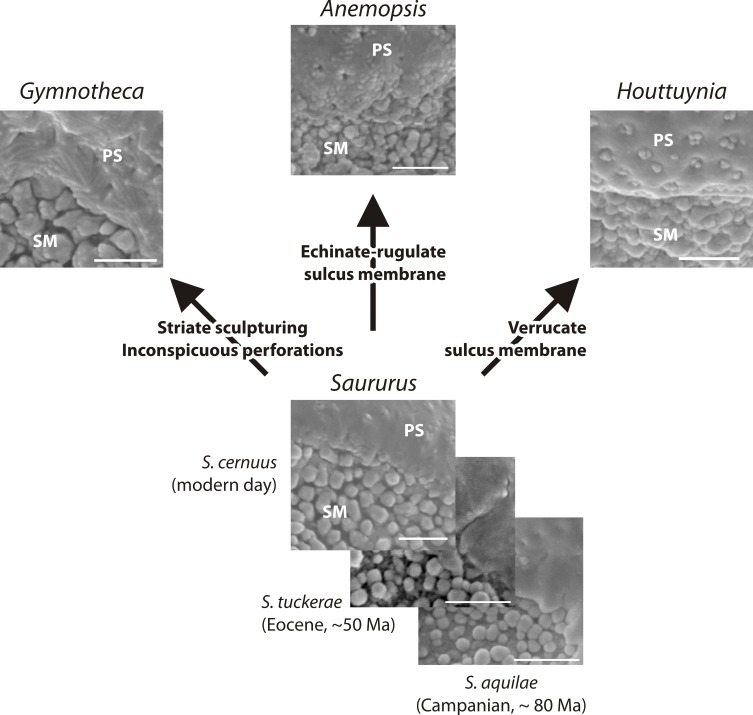
The unambiguous fossil record of the Saururaceae is pushed back into the Campanian (82-81 Ma). Comparison with re-investigated pollen from the Eocene of North America, the Miocene of Europe, and modern species of the family shows that pollen morphology in Saururaceae is highly conservative, and remained largely unchanged for the last 80 million years.
Campanian pollen of Saururaceae precludes young (Eocene or younger) estimates for the Saururaceae root and crown age, but is in-line with maximum age scenarios. type pollen appear to represent the primitive pollen morphology of the family. Often overlooked because of its small size, dispersed Saururaceae pollen may provide a unique opportunity to map the geographic history of a small but old group of Piperales, and should be searched for in Paleogene and Cretaceous sediment samples.
三白草科是胡椒目一个非常小的科,仅包含4个属的6个物种,在欧洲以外地区的化石记录相对较少。四个属之间的系统发育关系已得到解决,模式属同时出现在北美东部和东亚。在欧亚大陆西部没有现存物种。迄今为止最特别的发现是一个带有花粉的花序,由S.Y.史密斯和斯托基于北美始新世发现,与现存的[属名缺失]物种有很强的亲缘关系。然而,近期测定年代的树木表明,该科的冠龄为始新世或更年轻。
使用光学显微镜(LM)和扫描电子显微镜(SEM)成像相结合的方法,将来自北美坎帕阶(8200 - 8100万年前)的分散化石花粉粒与含有[属名缺失]的欧洲中新世始新世地层中的分散花粉粒以及该科现存成员进行比较。
三白草科明确无误的化石记录被追溯到坎帕阶(8200 - 8100万年前)。与重新研究的北美始新世、欧洲中新世以及该科现代物种的花粉进行比较表明,三白草科的花粉形态高度保守,在过去8000万年中基本保持不变。
三白草科的坎帕阶花粉排除了对三白草科根部和冠龄的年轻(始新世或更年轻)估计,但与最大年龄推测相符。[属名缺失]型花粉似乎代表了该科的原始花粉形态。由于其体积小,分散的三白草科花粉常常被忽视,但它可能为描绘胡椒目一个小而古老的类群的地理历史提供独特机会,应在古近纪和白垩纪沉积物样本中寻找。