Qu Yongshui, Luo Hao, Li Hongqiang, Xu Jian
National Key Laboratory of Biochemical Engineering, Institute of Process Engineering, Chinese Academy of Sciences, Beijing 100190, China.
Biotechnol Rep (Amst). 2015 Jan 5;6:1-7. doi: 10.1016/j.btre.2014.12.011. eCollection 2015 Jun.
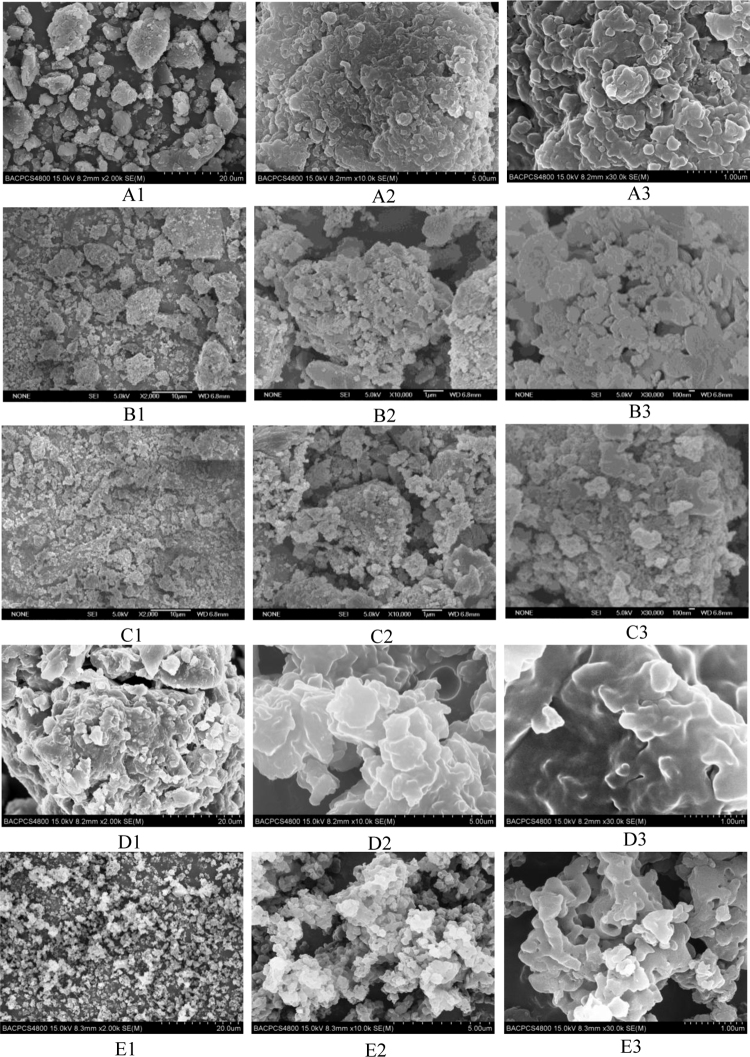
As the most abundant aromatic compounds, lignin is still underutilized due to its relatively low quality. In order to improve its quality, two pretreatment technologies, wet ball milling (WBM) and ionic liquid pretreatment (ILP) were tested on the industrial lignin and evaluated on the average molecular weight and polydispersity, surface morphology, and functional groups changes. The results showed that the lignin pretreated by the WBM with phosphoric acid presented dramatic decrease of polydipersity (23%) and increase of phenolic hydroxyl content (9%). While, the ILP treated samples exhibited the significant reduction of the average molecular weight and polydispersity. The decrease on the particle size and the emergence of the porous structure were found when treated with [Emim][OAc]. In addition, the remarkable reduction of the methoxy groups were observed to be 50% and 45% after treated with [Bmim]Cl and [Emim][OAc], respectively.
作为含量最为丰富的芳香族化合物,木质素因其质量相对较低仍未得到充分利用。为了提高其质量,对工业木质素测试了湿球磨(WBM)和离子液体预处理(ILP)这两种预处理技术,并从平均分子量和多分散性、表面形态以及官能团变化方面进行了评估。结果表明,用磷酸进行湿球磨预处理的木质素多分散性显著降低(23%),酚羟基含量增加(9%)。同时,离子液体预处理的样品平均分子量和多分散性显著降低。用[Emim][OAc]处理时发现粒径减小且出现了多孔结构。此外,用[Bmim]Cl和[Emim][OAc]处理后,分别观察到甲氧基显著减少了50%和45%。