van der Knaap Marjo S, Bugiani Marianna
Department of Pediatrics/Child Neurology, VU University Medical Centre, Amsterdam Neuroscience, Amsterdam, The Netherlands.
Department of Functional Genomics, Centre for Neurogenomics and Cognitive Research, Amsterdam Neuroscience, VU University, Amsterdam, The Netherlands.
Acta Neuropathol. 2017 Sep;134(3):351-382. doi: 10.1007/s00401-017-1739-1. Epub 2017 Jun 21.
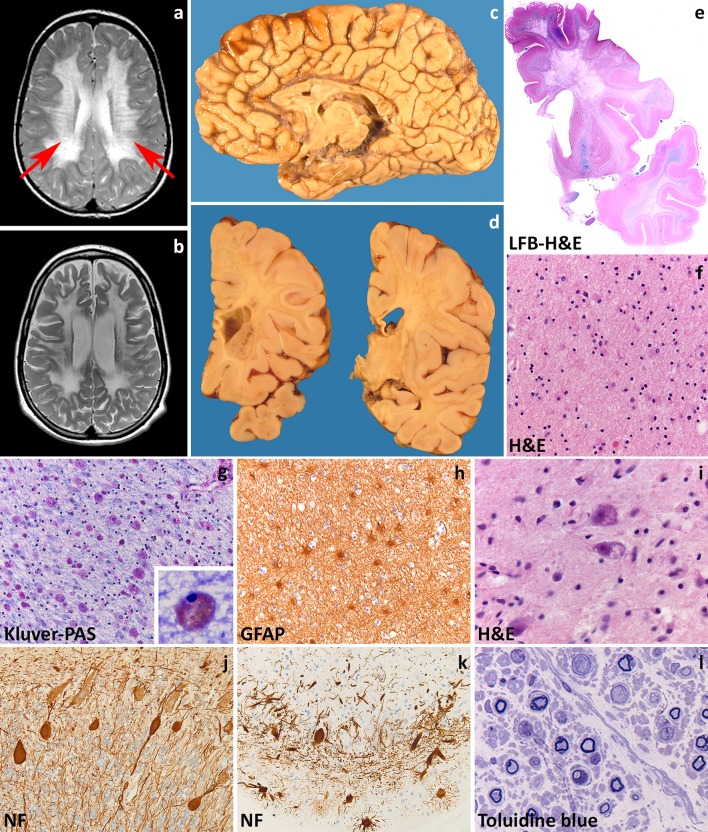
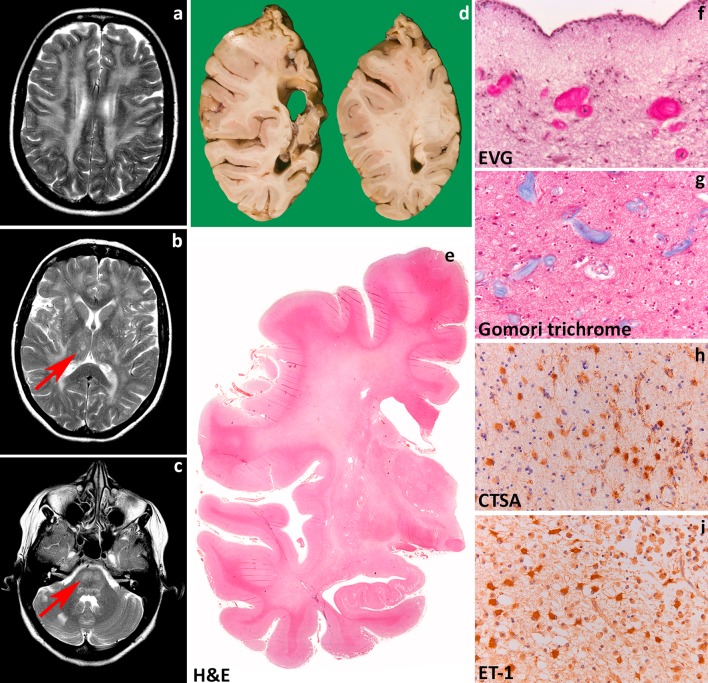
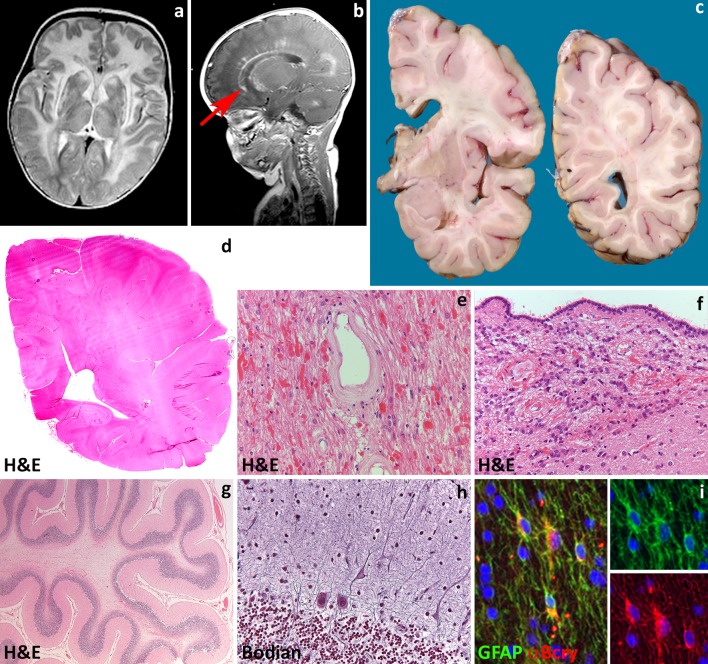
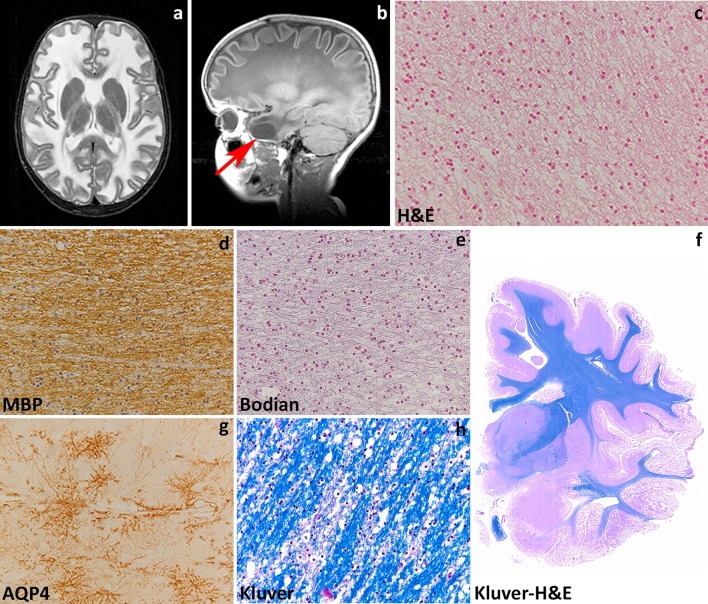
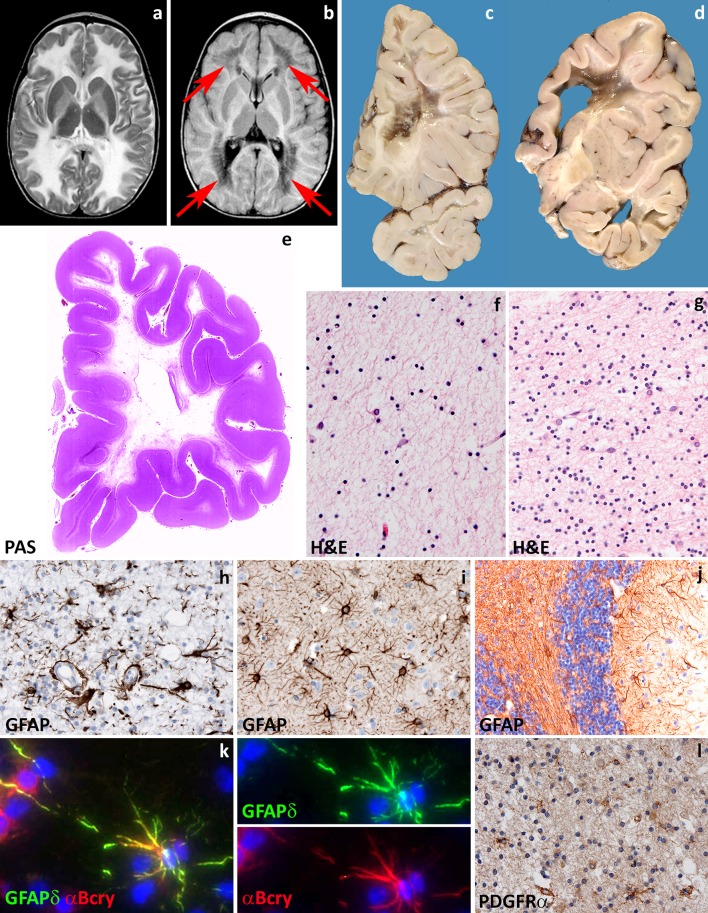
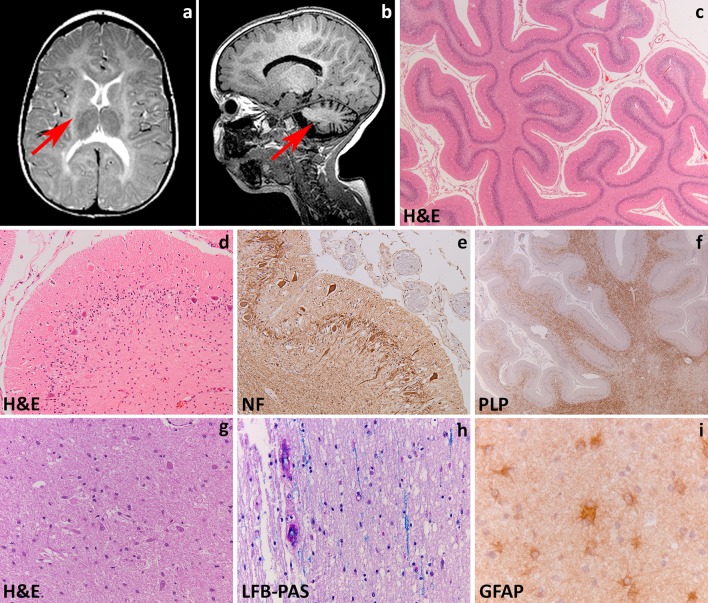
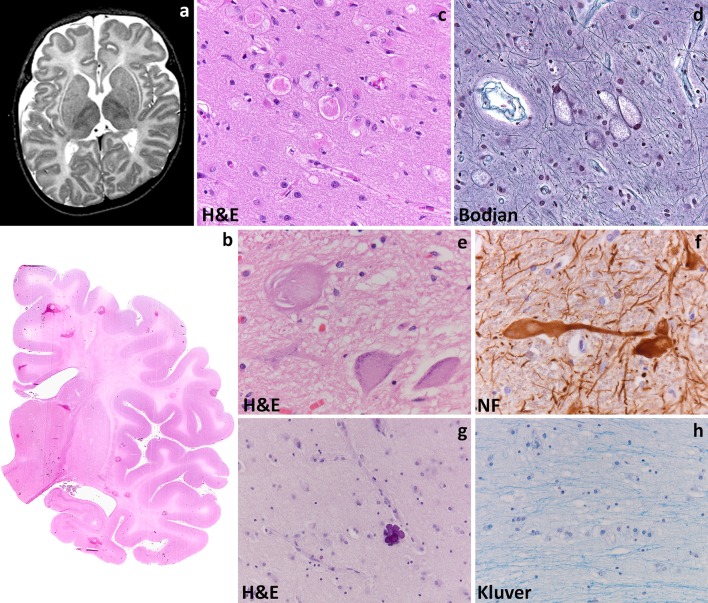
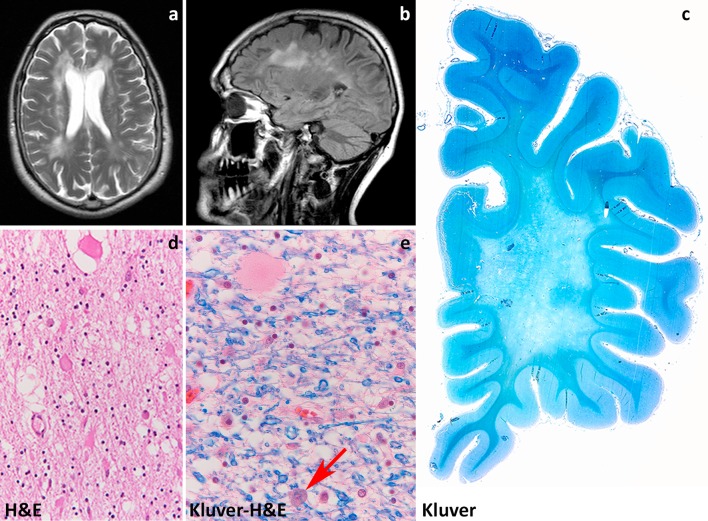
Leukodystrophies are genetically determined disorders characterized by the selective involvement of the central nervous system white matter. Onset may be at any age, from prenatal life to senescence. Many leukodystrophies are degenerative in nature, but some only impair white matter function. The clinical course is mostly progressive, but may also be static or even improving with time. Progressive leukodystrophies are often fatal, and no curative treatment is known. The last decade has witnessed a tremendous increase in the number of defined leukodystrophies also owing to a diagnostic approach combining magnetic resonance imaging pattern recognition and next generation sequencing. Knowledge on white matter physiology and pathology has also dramatically built up. This led to the recognition that only few leukodystrophies are due to mutations in myelin- or oligodendrocyte-specific genes, and many are rather caused by defects in other white matter structural components, including astrocytes, microglia, axons and blood vessels. We here propose a novel classification of leukodystrophies that takes into account the primary involvement of any white matter component. Categories in this classification are the myelin disorders due to a primary defect in oligodendrocytes or myelin (hypomyelinating and demyelinating leukodystrophies, leukodystrophies with myelin vacuolization); astrocytopathies; leuko-axonopathies; microgliopathies; and leuko-vasculopathies. Following this classification, we illustrate the neuropathology and disease mechanisms of some leukodystrophies taken as example for each category. Some leukodystrophies fall into more than one category. Given the complex molecular and cellular interplay underlying white matter pathology, recognition of the cellular pathology behind a disease becomes crucial in addressing possible treatment strategies.
脑白质营养不良是一类由基因决定的疾病,其特征为中枢神经系统白质选择性受累。发病年龄可从产前至老年的任何阶段。许多脑白质营养不良本质上是退行性疾病,但有些仅损害白质功能。临床病程大多呈进行性,但也可能静止不变,甚至随时间改善。进行性脑白质营养不良往往是致命的,且尚无已知的治愈性治疗方法。在过去十年中,由于将磁共振成像模式识别与新一代测序相结合的诊断方法,已明确的脑白质营养不良的数量大幅增加。关于白质生理和病理的知识也显著积累。这使得人们认识到,只有少数脑白质营养不良是由髓鞘或少突胶质细胞特异性基因的突变引起的,而许多是由其他白质结构成分的缺陷导致的,包括星形胶质细胞、小胶质细胞、轴突和血管。我们在此提出一种脑白质营养不良的新分类方法,该方法考虑了任何白质成分的原发性受累情况。此分类中的类别包括由于少突胶质细胞或髓鞘原发性缺陷导致的髓鞘疾病(低髓鞘形成性和脱髓鞘性脑白质营养不良、伴有髓鞘空泡化的脑白质营养不良);星形胶质细胞病;白质 - 轴索性疾病;小胶质细胞病;以及白质 - 血管性疾病。按照这种分类方法,我们举例说明每一类别的一些脑白质营养不良的神经病理学和疾病机制。有些脑白质营养不良可归入不止一类。鉴于白质病理背后复杂的分子和细胞相互作用,认识疾病背后的细胞病理对于确定可能的治疗策略至关重要。