Droz Brian A, Sneed Bria L, Jackson Charles V, Zimmerman Karen M, Michael M Dodson, Emmerson Paul J, Coskun Tamer, Peterson Richard G
Eli Lilly and Company, Indianapolis, Indiana, United States of America.
Ball State University, Muncie, Indiana, United States of America.
PLoS One. 2017 Jun 22;12(6):e0179808. doi: 10.1371/journal.pone.0179808. eCollection 2017.
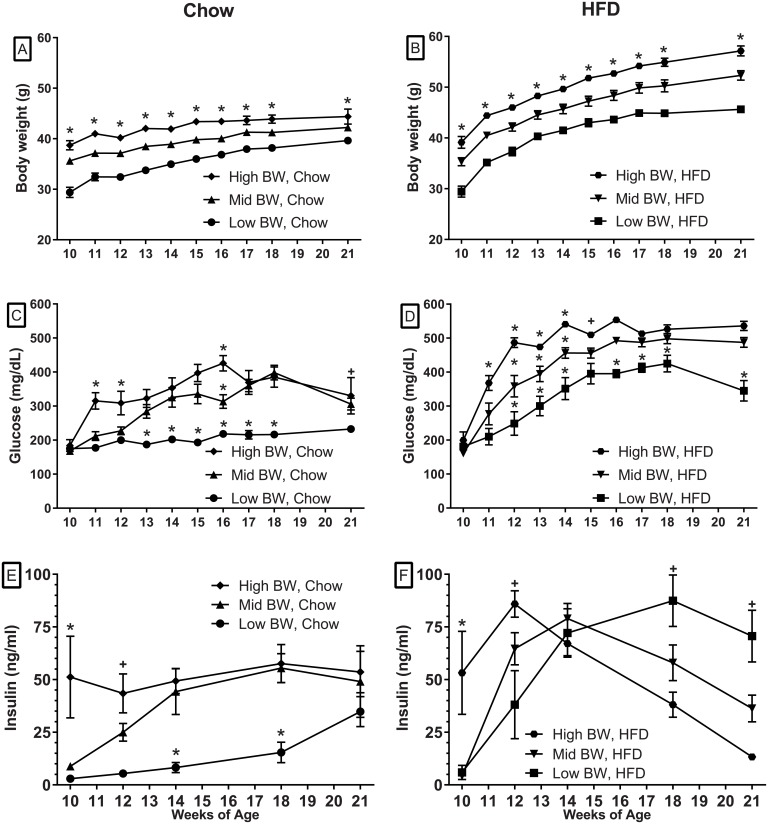
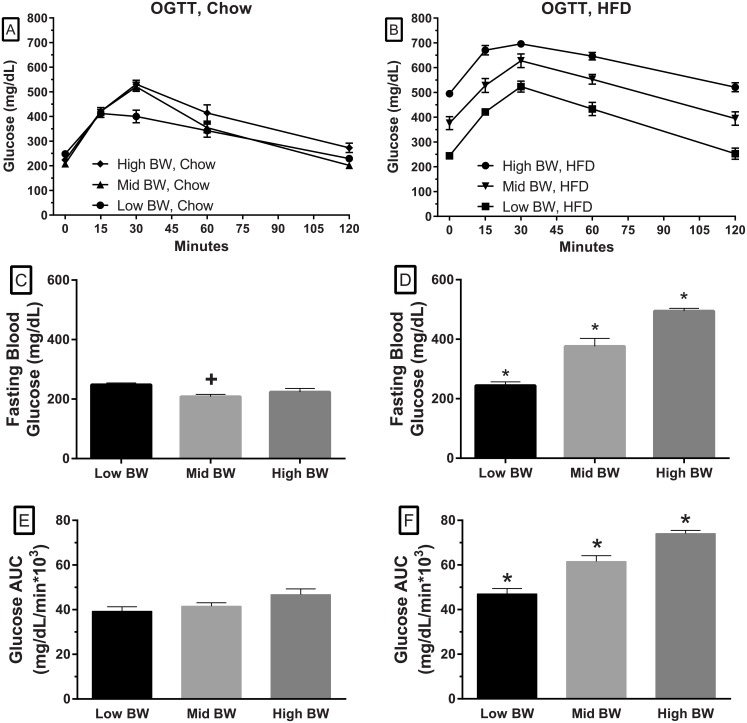
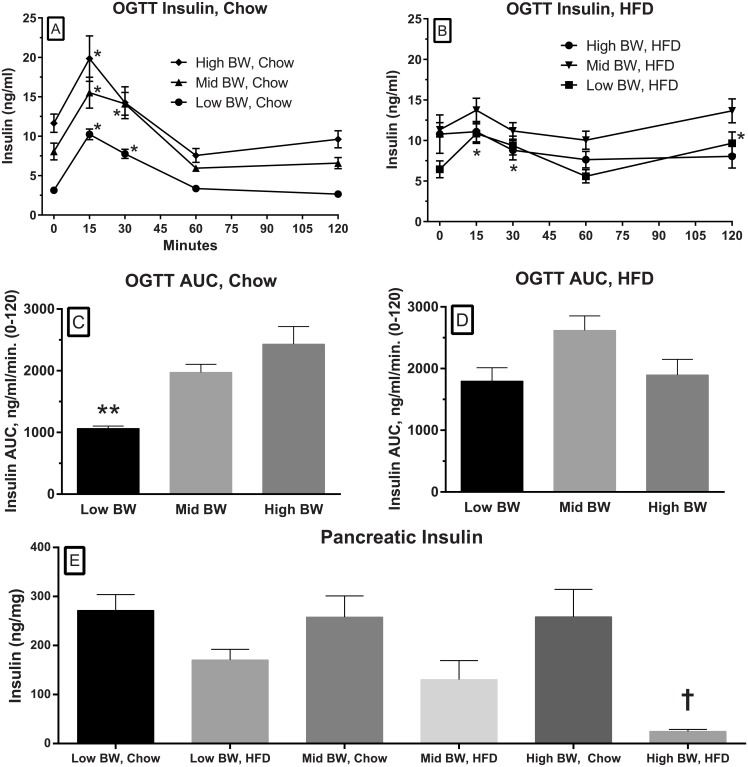
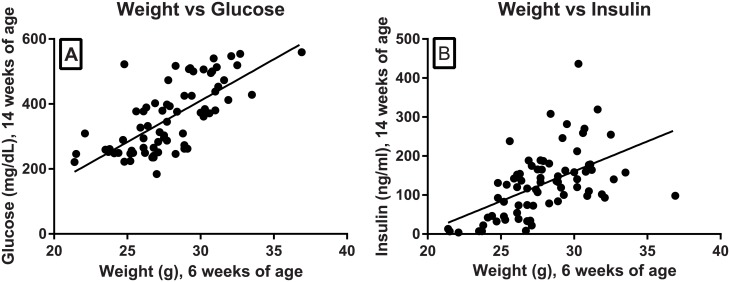
Obesity in many current pre-clinical animal models of obesity and diabetes is mediated by monogenic mutations; these are rarely associated with the development of human obesity. A new mouse model, the FATZO mouse, has been developed to provide polygenic obesity and a metabolic pattern of hyperglycemia and hyperinsulinemia, that support the presence of insulin resistance similar to metabolic disease in patients with insulin resistance/type 2 diabetes. The FATZO mouse resulted from a cross of C57BL/6J and AKR/J mice followed by selective inbreeding for obesity, increased insulin and hyperglycemia. Since many clinical studies have established a close link between higher body weight and the development of type 2 diabetes, we investigated whether time to progression to type 2 diabetes or disease severity in FATZO mice was dependent on weight gain in young animals. Our results indicate that lighter animals developed metabolic disturbances much slower and to a lesser magnitude than their heavier counterparts. Consumption of a diet containing high fat, accelerated weight gain in parallel with disease progression. A naturally occurring and significant variation in the body weight of FATZO offspring enables these mice to be identified as low, mid and high body weight groups at a young age. These weight groups remain into adulthood and correspond to slow, medium and accelerated development of type 2 diabetes. Thus, body weight inclusion criteria can optimize the FATZO model for studies of prevention, stabilization or treatment of type 2 diabetes.
在许多当前肥胖和糖尿病的临床前动物模型中,肥胖是由单基因突引起的;这些情况很少与人类肥胖的发生相关。一种新的小鼠模型——FATZO小鼠已经被培育出来,它呈现多基因肥胖以及高血糖和高胰岛素血症的代谢模式,这表明其存在与胰岛素抵抗/2型糖尿病患者的代谢疾病相似的胰岛素抵抗。FATZO小鼠是由C57BL/6J小鼠和AKR/J小鼠杂交,然后对肥胖、胰岛素升高和高血糖进行选择性近亲繁殖培育而成。由于许多临床研究已经证实较高体重与2型糖尿病的发生之间存在密切联系,我们研究了FATZO小鼠发展为2型糖尿病的时间或疾病严重程度是否取决于幼龄动物的体重增加。我们的结果表明,体重较轻的动物发生代谢紊乱的速度比体重较重的动物慢得多,程度也小得多。食用高脂肪饮食会加速体重增加,同时疾病也会进展。FATZO后代的体重存在自然且显著的差异,这使得这些小鼠在幼龄时就能被分为低体重、中等体重和高体重组。这些体重组会一直持续到成年,并分别对应2型糖尿病的缓慢、中等和加速发展情况。因此,体重纳入标准可以优化FATZO模型,用于2型糖尿病预防、稳定或治疗的研究。