Huang Hsin-Chun, Yu Hong-Ren, Hsu Te-Yao, Chen I-Lun, Huang Hui-Chen, Chang Jen-Chieh, Yang Kuender D
Department of Pediatrics, Kaohsiung Chang Gung Memorial Hospital and Chang Gung University College of Medicine, Kaohsiung 833, Kaohsiung, Taiwan.
School of Traditional Chinese Medicine, College of Medicine, Chang Gung University, Linkou, Taiwan.
Int J Biol Sci. 2017 May 16;13(6):690-700. doi: 10.7150/ijbs.17030. eCollection 2017.
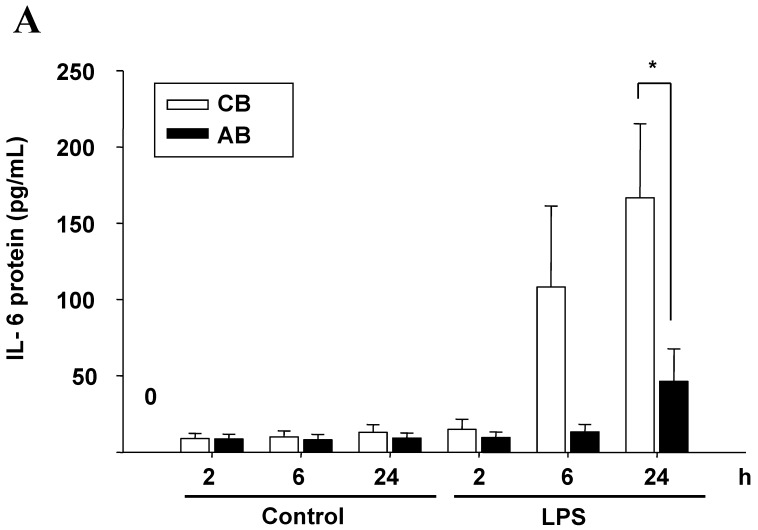
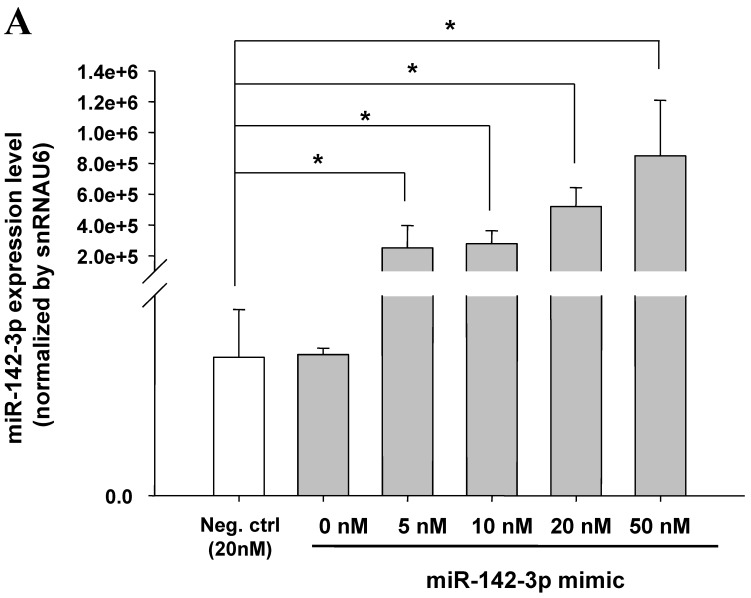
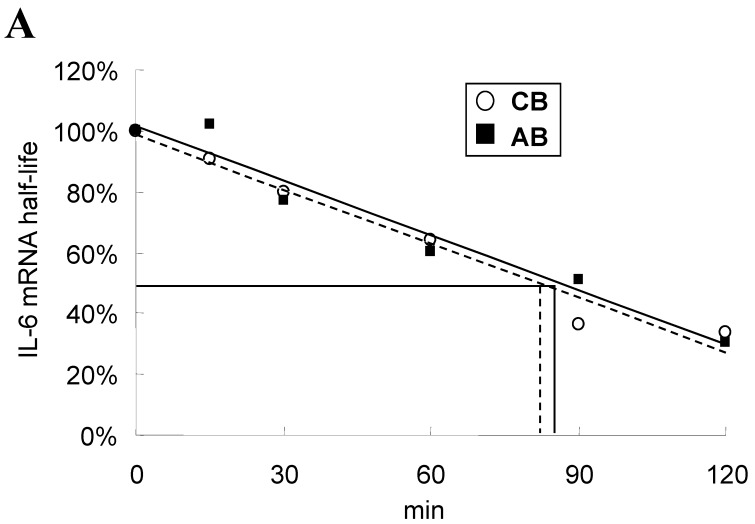
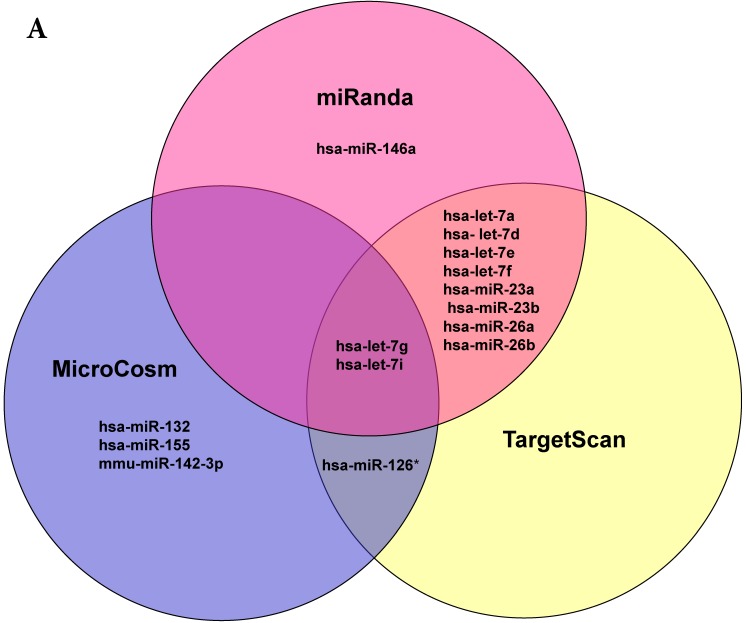
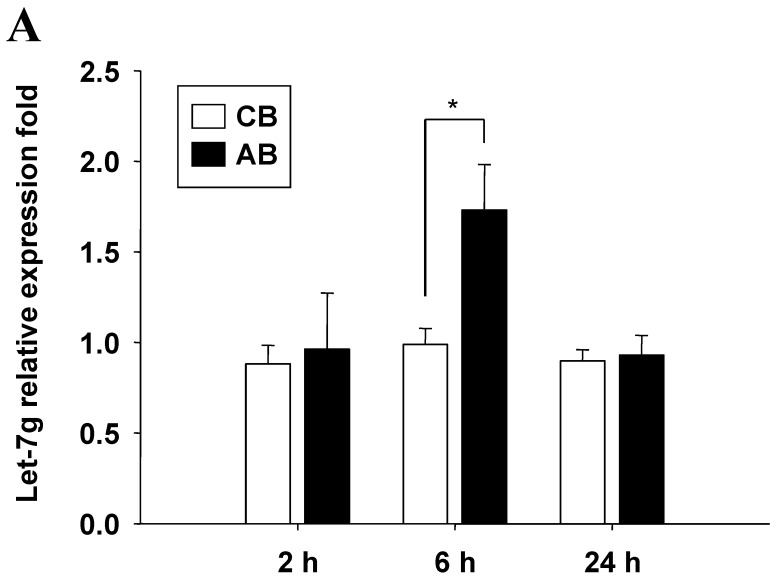
Neonatal PMN are qualitatively impaired in functions, yet they frequently reveal augmented inflammatory reactions during sepsis. Here, we hypothesized that PMN from newborns produce more IL-6 than those from adults under LPS stimulation, in which transcriptional or posttranscriptional regulation is involved in the altered expression. We found that neonatal PMN produced significantly higher IL-6 mRNA and protein than adult PMN. The higher IL-6 expression was not related to transcriptional but posttranscriptional regulation as the IL-6 expression was affected by the addition of cycloheximide but not actinomycin. To examine whether miRNA was involved in the IL-6 regulation of neonatal PMN, we surveyed differential displays of miRNAs that could potentially regulate IL-6 expression before and after LPS stimulation. Four miRNAs: hsa-miR-26a, hsa-miR-26b, hsa-miR-142-3p and hsa-let 7g decreased or increased after LPS treatment for 4 h. Further validation by qRT-PCR identified miR-26b, miR-142-3p and let-7g significantly changed in neonatal PMN after LPS stimulation. The functional verification by transfection of miR-142-3p and let-7g precursors into neonatal PMN significantly repressed the IL-6 mRNA and protein expression, suggesting that miR-142-3p and let-7g negatively regulate IL-6 expression in neonatal PMN. Modulation of miRNA expression may be used to regulate IL-6 production in newborns with altered inflammatory reactions.
新生儿中性粒细胞在功能上存在质性缺陷,但在脓毒症期间它们常常表现出增强的炎症反应。在此,我们推测在脂多糖(LPS)刺激下,新生儿的中性粒细胞比成年人的中性粒细胞产生更多的白细胞介素-6(IL-6),其中转录或转录后调控参与了这种表达变化。我们发现,新生儿中性粒细胞产生的IL-6 mRNA和蛋白显著高于成年人中性粒细胞。较高的IL-6表达与转录无关,而是与转录后调控有关,因为IL-6的表达受放线菌酮的添加影响,而不受放线菌素的影响。为了检查微小RNA(miRNA)是否参与新生儿中性粒细胞的IL-6调控,我们调查了LPS刺激前后可能调控IL-6表达的miRNA的差异显示。四种miRNA:hsa-miR-26a、hsa-miR-26b、hsa-miR-142-3p和hsa-let 7g在LPS处理4小时后减少或增加。通过定量逆转录聚合酶链反应(qRT-PCR)进一步验证发现,LPS刺激后新生儿中性粒细胞中的miR-26b、miR-142-3p和let-7g发生了显著变化。将miR-142-3p和let-7g前体转染到新生儿中性粒细胞中进行功能验证,显著抑制了IL-6 mRNA和蛋白表达,表明miR-142-3p和let-7g在新生儿中性粒细胞中负调控IL-6表达。调节miRNA表达可用于调控炎症反应改变的新生儿的IL-6产生。