Gastroenterology and Hepatology, Mayo Clinic, 200 First Street SW, Rochester, MN, 55905, USA.
Gastroenterology and Hepatology, University of New Mexico School of Medicine, Albuquerque, NM, USA.
Surg Endosc. 2018 Jan;32(1):252-259. doi: 10.1007/s00464-017-5671-1. Epub 2017 Jun 29.
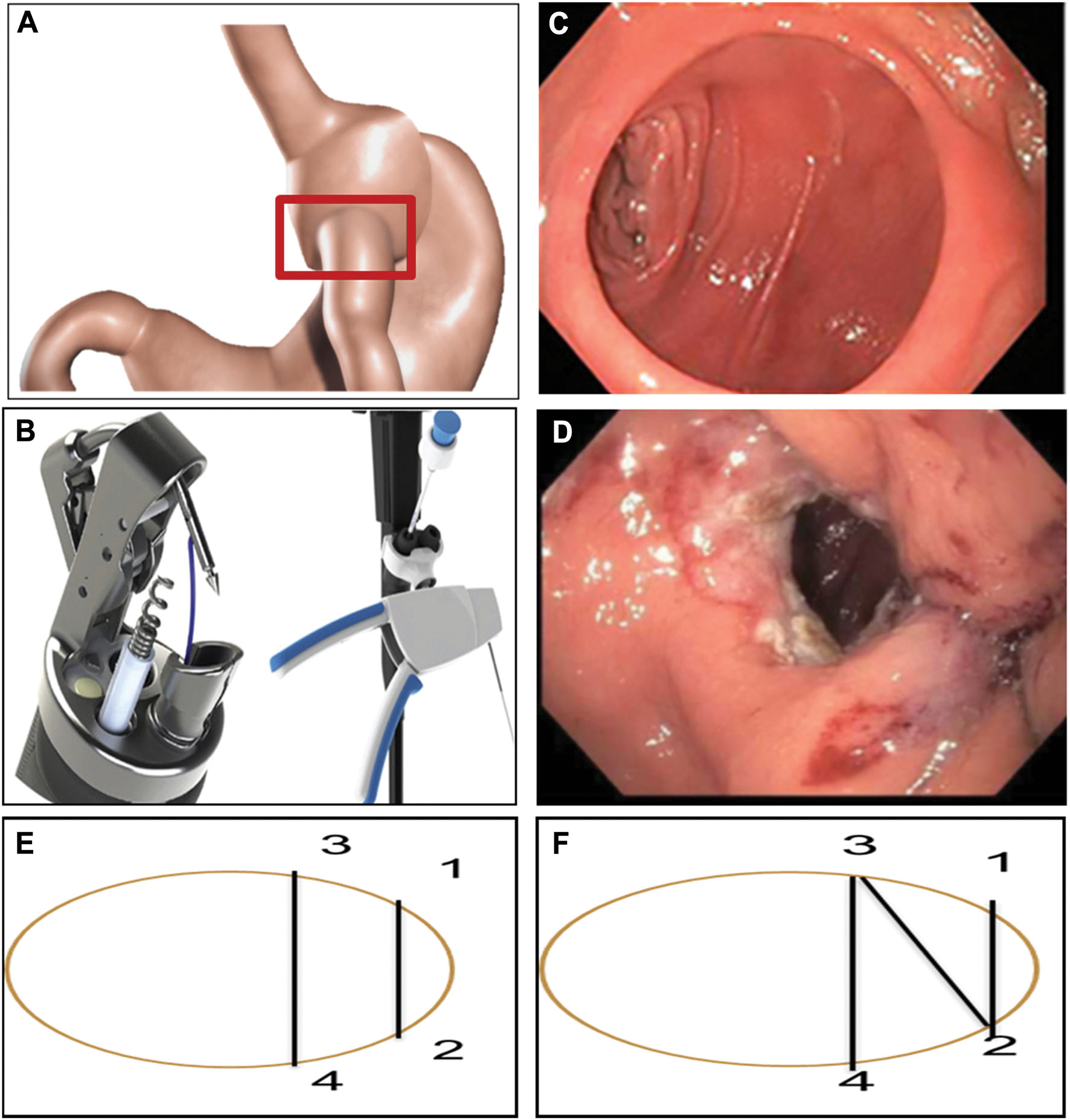
Many patients who undergo bariatric surgery will experience weight regain and effective strategies are needed to help these patients. A dilated gastrojejunal anastomosis (GJA) has been associated with weight recidivism after Roux-en-Y gastric bypass surgery (RYGB). Endoscopic transoral outlet reduction (TORe) with a full thickness endoscopic suturing device (Overstitch, Apollo Endosurgery, Austin, TX) is a minimally invasive therapeutic option. The primary aim of this project was to examine the safety and long-term efficacy data from three bariatric surgery centers and to conduct a systematic review and meta-analysis of the existing literature.
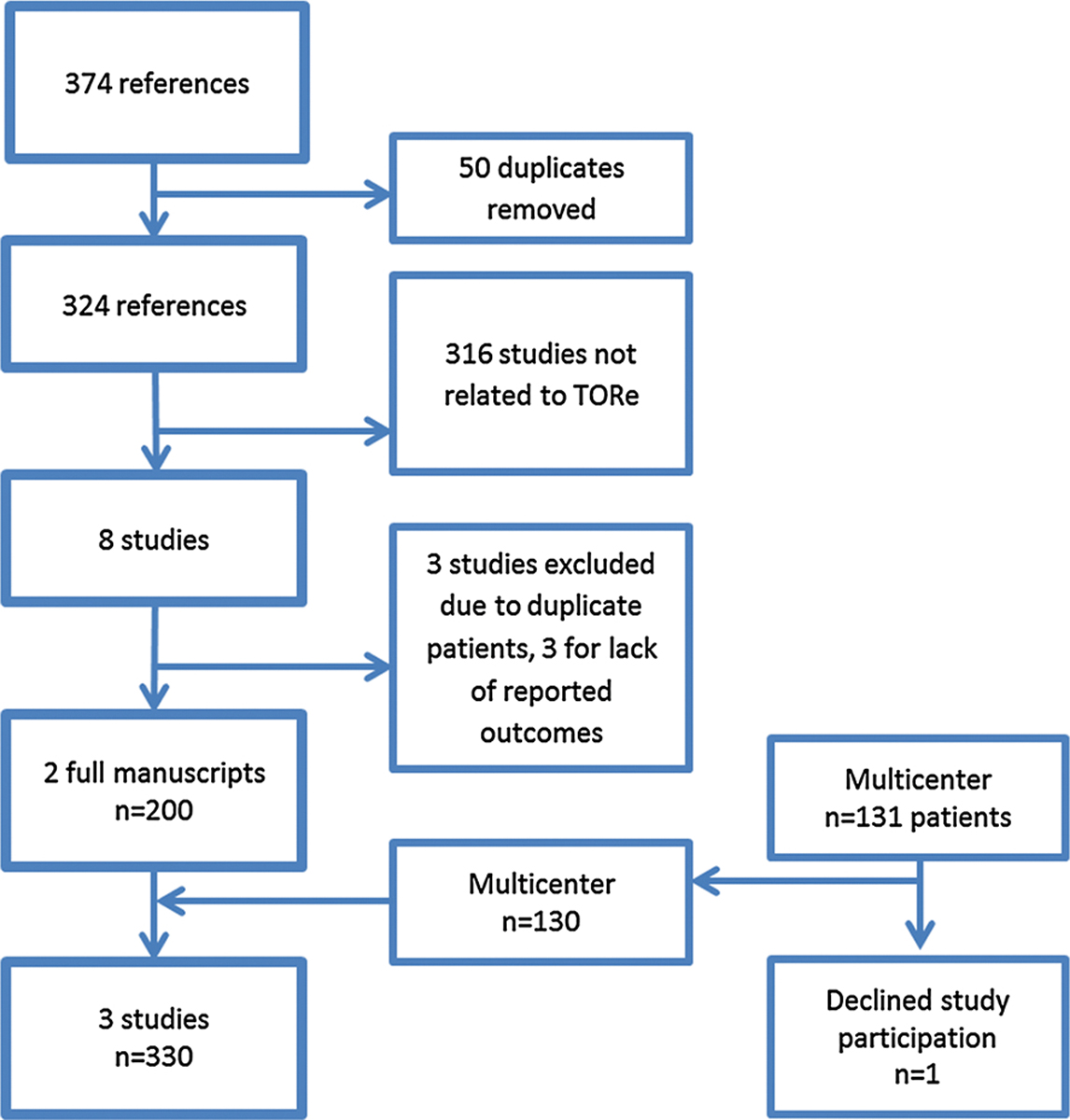
Patients who underwent TORe with the Overstitch device from Jan 2013 to Nov 2016 at 3 participating bariatric surgery centers were included in the multicenter analysis. For the systematic review and meta-analysis, a comprehensive search of multiple English databases was conducted. Random effects model was used.
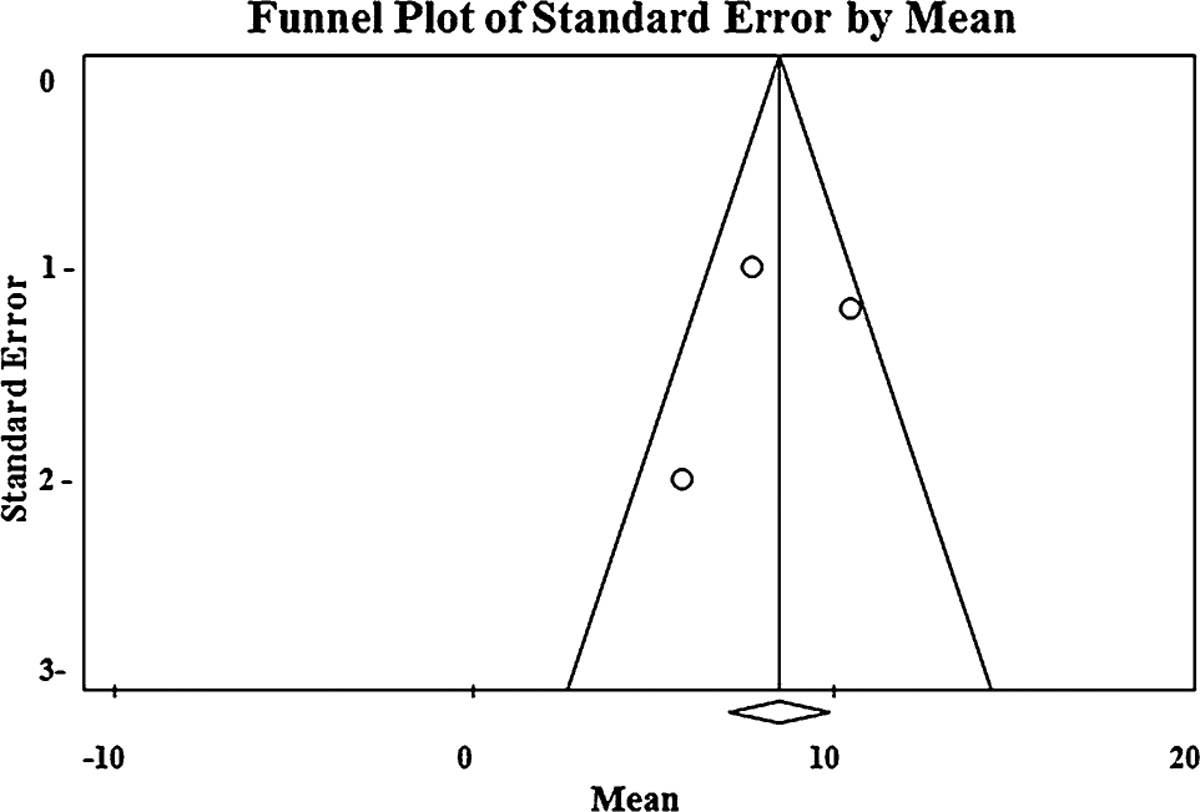
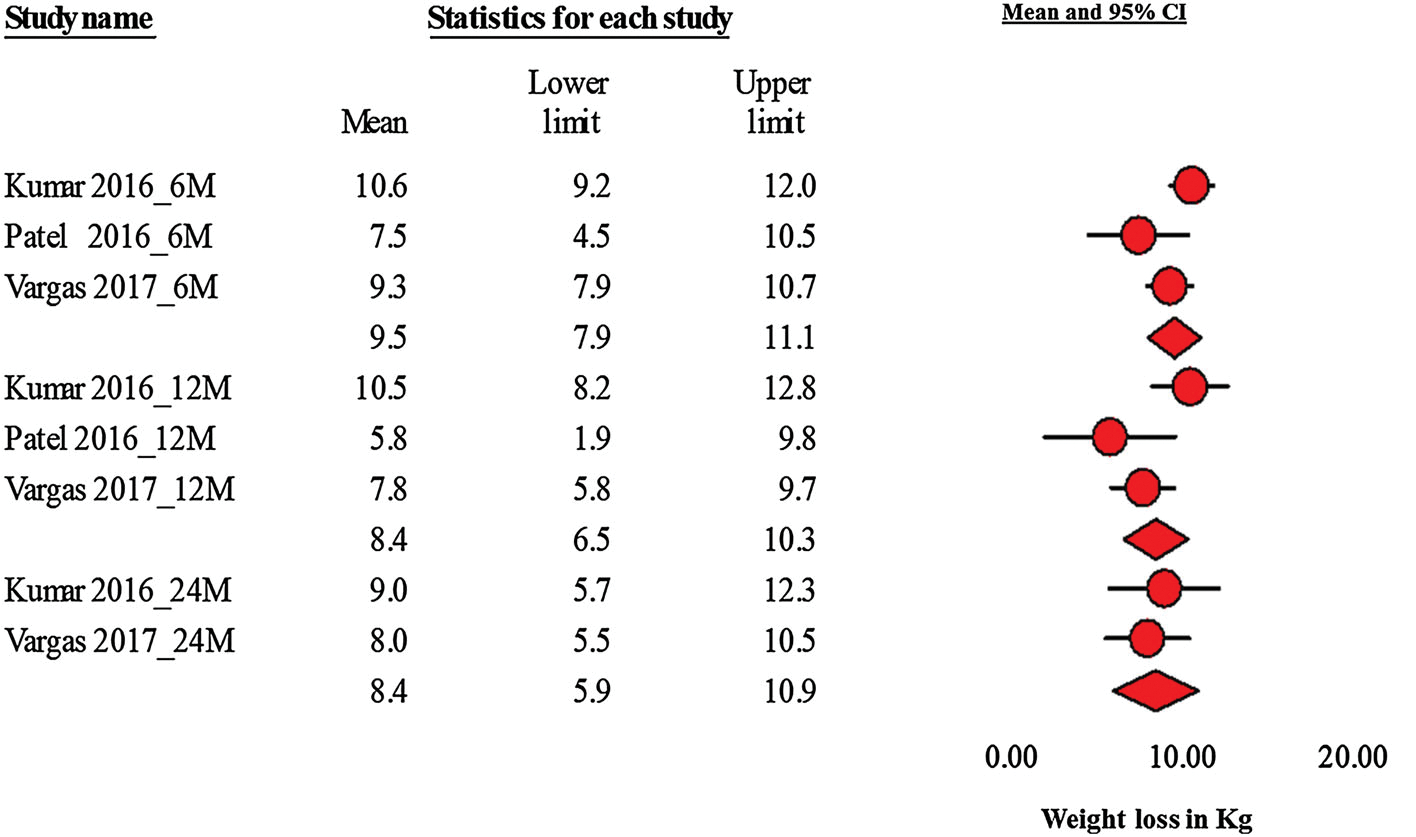
130 consecutive patients across three centers underwent TORe with an endolumenal suturing device. These patients (mean age 47; mean BMI 36.8) had experienced 24.6% weight regain from nadir weight after RYGB. Average weight lost at 6, 12, and 18 months after TORe was 9.31 ± 6.7 kg (N = 84), 7.75 ± 8.4 kg (N = 70), 8 ± 8.8 kg (N = 46) (p < 0.01 for all three time points), respectively. The meta-analysis included 330 patients. The pooled weight lost at 12 months was 8.4 kg (95% CI 6.5-10.3) with no significant heterogeneity across included studies (p = 0.07). Overall, 14% of patients experienced nausea, 18% had pain and 8% required a repeat EGD. No serious adverse events reported.
When implemented as part of a multidisciplinary intervention, TORe using endolumenal suturing is safe, reproducible, and effective approach to manage weight recidivism after RYGB and should be utilized early in the management algorithm of these patients.
许多接受减重手术的患者会经历体重反弹,因此需要有效的策略来帮助这些患者。Roux-en-Y 胃旁路手术后扩张的胃空肠吻合口(GJA)与体重复发有关。经口内镜下输出口缩小术(TORe)联合全层内镜缝合装置(Overstitch,Apollo Endosurgery,Austin,TX)是一种微创治疗选择。本项目的主要目的是检查来自三个减重手术中心的安全性和长期疗效数据,并对现有文献进行系统回顾和荟萃分析。
纳入 2013 年 1 月至 2016 年 11 月期间在三个参与的减重手术中心接受 Overstitch 装置行 TORe 的患者进行多中心分析。对于系统回顾和荟萃分析,对多个英文数据库进行了全面搜索。采用随机效应模型。
三个中心共有 130 例连续患者接受了经内腔缝合装置的 TORe。这些患者(平均年龄 47 岁;平均 BMI 36.8)在 RYGB 术后的最低体重基础上体重增加了 24.6%。TORe 后 6、12 和 18 个月的平均体重减轻量分别为 9.31±6.7kg(N=84)、7.75±8.4kg(N=70)、8±8.8kg(N=46)(所有三个时间点均为 p<0.01)。荟萃分析纳入了 330 例患者。12 个月时的总体体重减轻量为 8.4kg(95%CI 6.5-10.3),纳入研究之间无显著异质性(p=0.07)。总体而言,14%的患者出现恶心,18%的患者出现疼痛,8%的患者需要再次行内镜检查。无严重不良事件报告。
当作为多学科干预的一部分实施时,经内腔缝合的 TORe 是一种安全、可重复且有效的方法,可用于治疗 RYGB 后体重反弹,应在这些患者的管理算法中尽早使用。