Arslan A D, Sassano A, Saleiro D, Lisowski P, Kosciuczuk E M, Fischietti M, Eckerdt F, Fish E N, Platanias L C
Robert H. Lurie Comprehensive Cancer Center, Northwestern University, Chicago, IL, USA.
Division of Hematology-Oncology, Department of Medicine, Feinberg School of Medicine, Northwestern University, Chicago, IL, USA.
Oncogene. 2017 Oct 26;36(43):6006-6019. doi: 10.1038/onc.2017.205. Epub 2017 Jul 3.
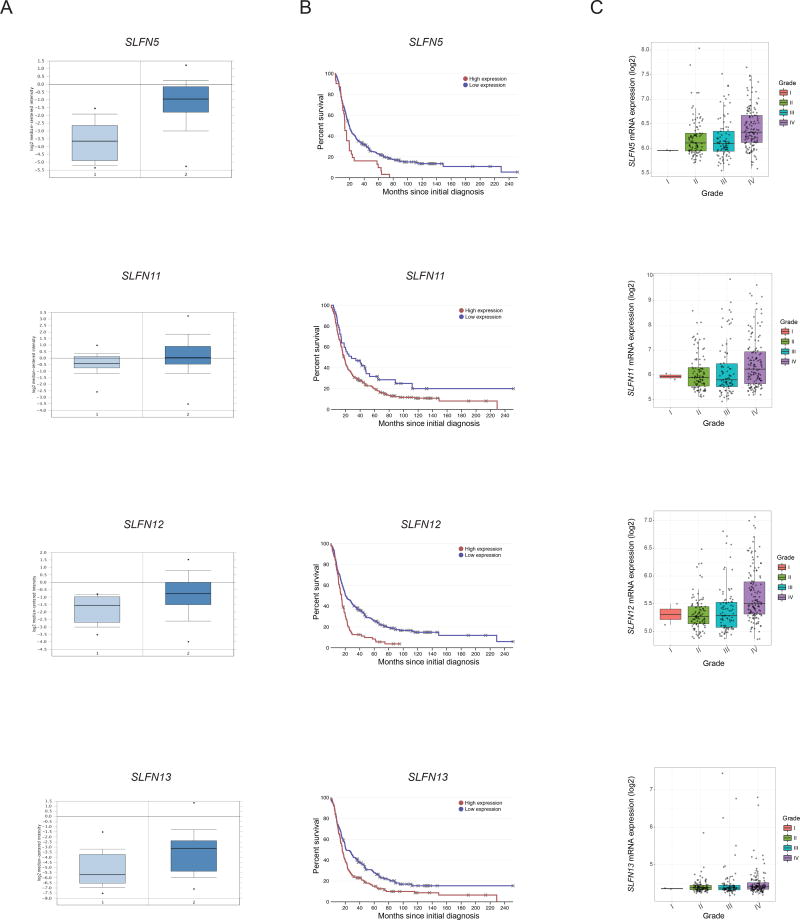
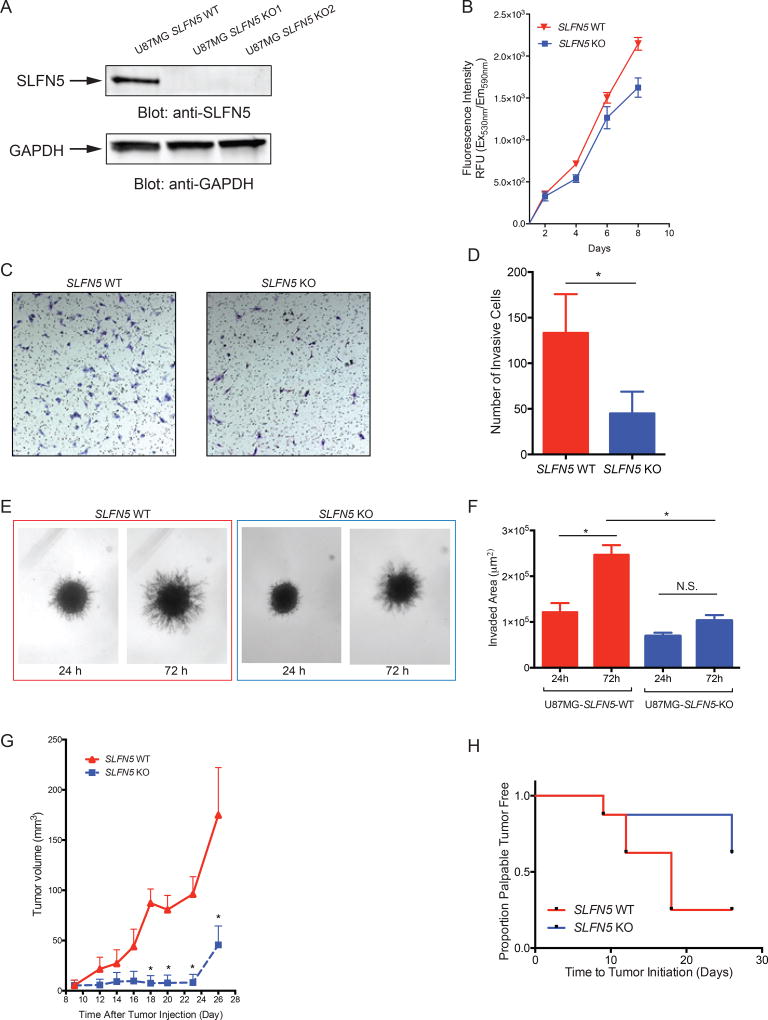
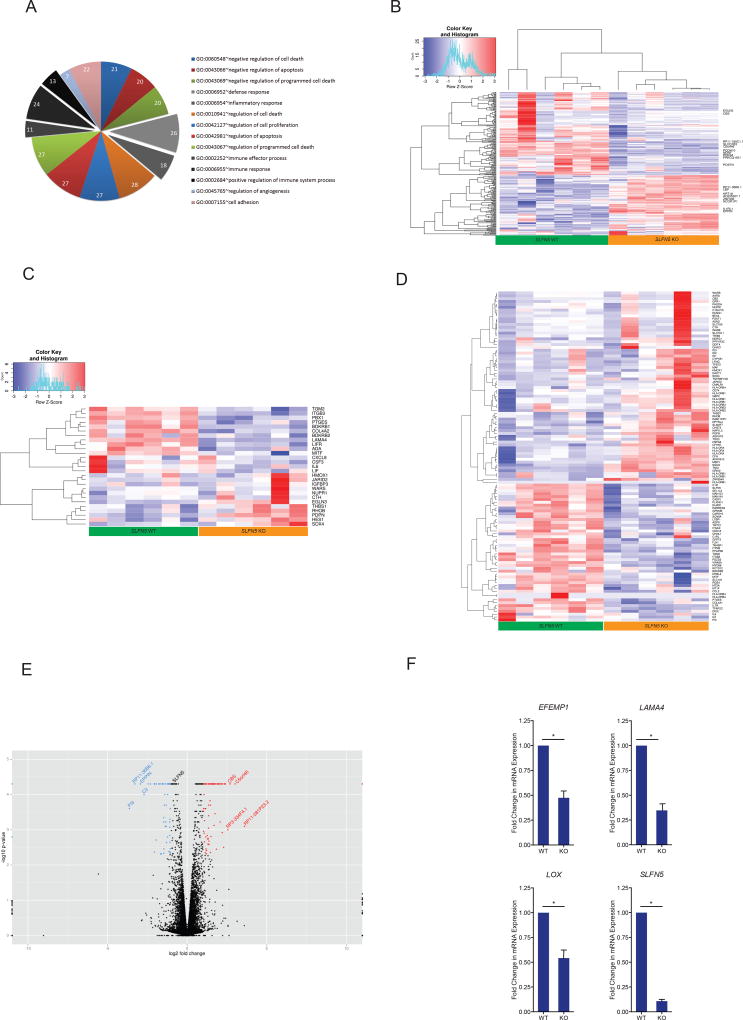
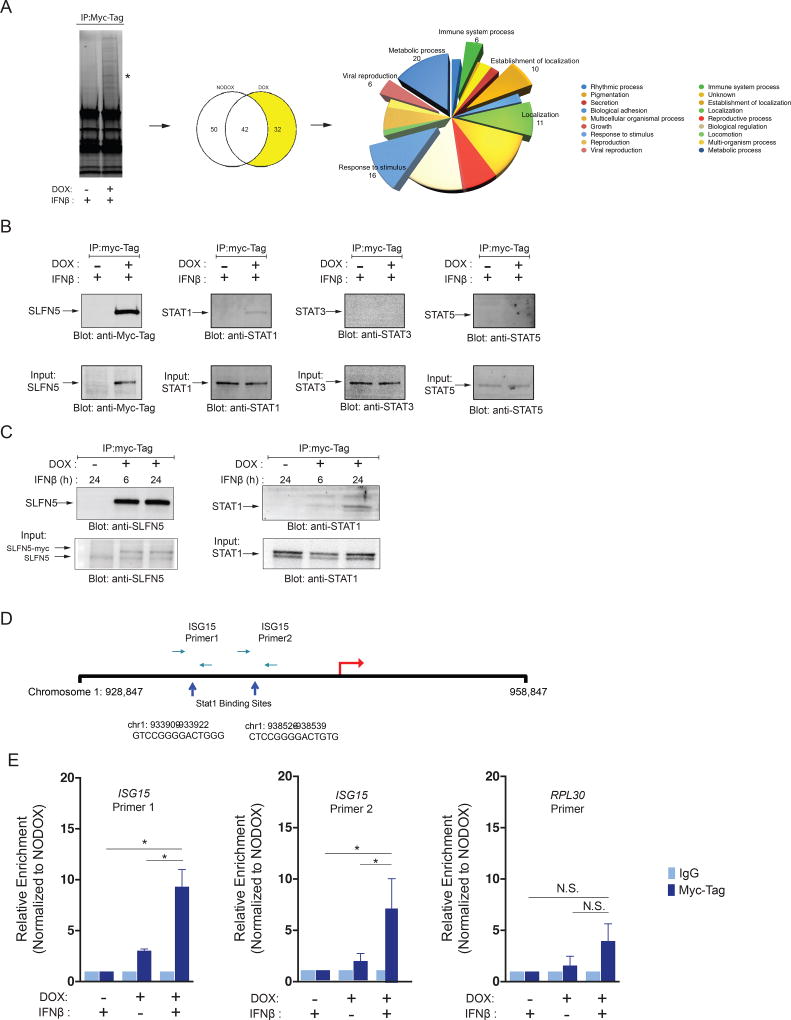
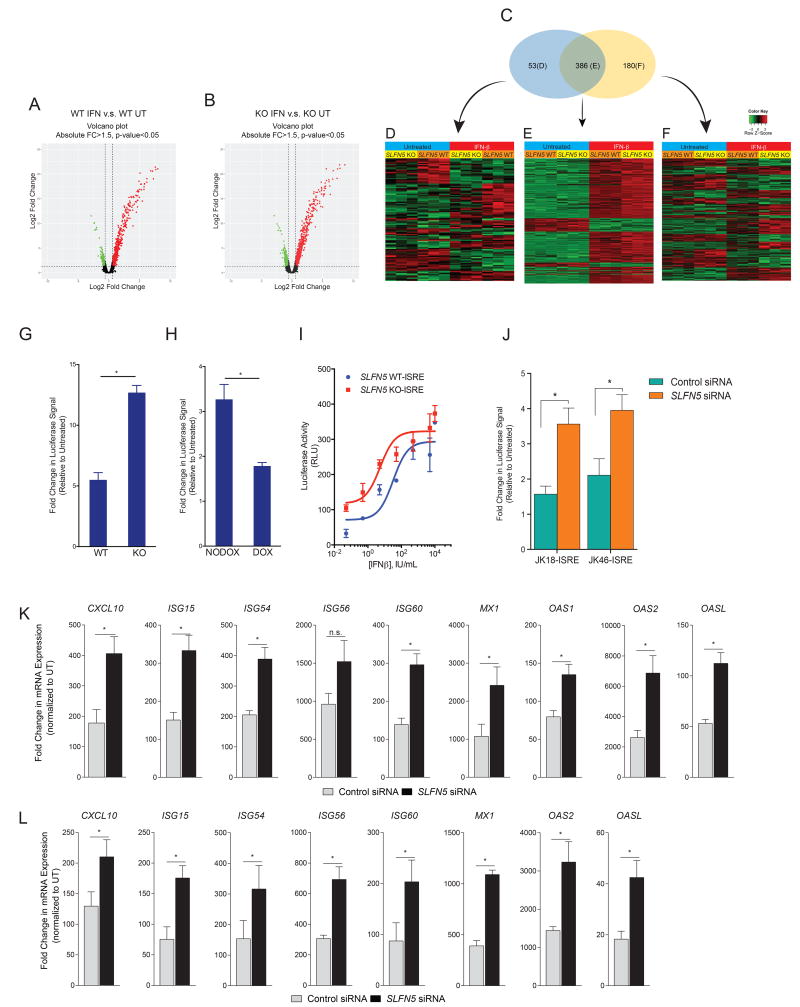
We provide evidence that the IFN-regulated member of the Schlafen (SLFN) family of proteins, SLFN5, promotes the malignant phenotype in glioblastoma multiforme (GBM). Our studies indicate that SLFN5 expression promotes motility and invasiveness of GBM cells, and that high levels of SLFN5 expression correlate with high-grade gliomas and shorter overall survival in patients suffering from GBM. In efforts to uncover the mechanism by which SLFN5 promotes GBM tumorigenesis, we found that this protein is a transcriptional co-repressor of STAT1. Type-I IFN treatment triggers the interaction of STAT1 with SLFN5, and the resulting complex negatively controls STAT1-mediated gene transcription via interferon stimulated response elements. Thus, SLFN5 is both an IFN-stimulated response gene and a repressor of IFN-gene transcription, suggesting the existence of a negative-feedback regulatory loop that may account for suppression of antitumor immune responses in glioblastoma.
我们提供的证据表明,施拉芬(SLFN)蛋白家族中受干扰素调节的成员SLFN5可促进多形性胶质母细胞瘤(GBM)的恶性表型。我们的研究表明,SLFN5的表达促进GBM细胞的运动性和侵袭性,并且SLFN5的高表达水平与高级别胶质瘤以及GBM患者较短的总生存期相关。为了揭示SLFN5促进GBM肿瘤发生的机制,我们发现该蛋白是STAT1的转录共抑制因子。I型干扰素治疗会触发STAT1与SLFN5的相互作用,并且形成的复合物通过干扰素刺激反应元件对STAT1介导的基因转录产生负调控。因此,SLFN5既是干扰素刺激反应基因,也是干扰素基因转录的抑制因子,这表明存在一个负反馈调节环,这可能是胶质母细胞瘤中抗肿瘤免疫反应受到抑制的原因。