Du Xueke, Jiang Chunling, Lv Yang, Dull Randal O, Zhao You-Yang, Schwartz David E, Hu Guochang
Department of Anesthesiology, University of Illinois College of Medicine, Chicago, Illinois, United States of America.
Affiliated Tumor Hospital of Guangxi Medical University, Nanning, Guangxi, China.
PLoS One. 2017 Jul 3;12(7):e0180213. doi: 10.1371/journal.pone.0180213. eCollection 2017.
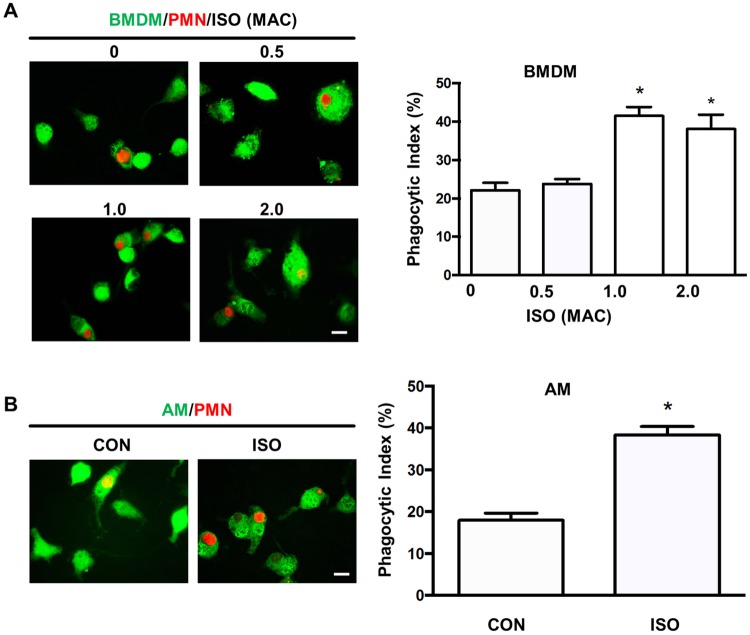
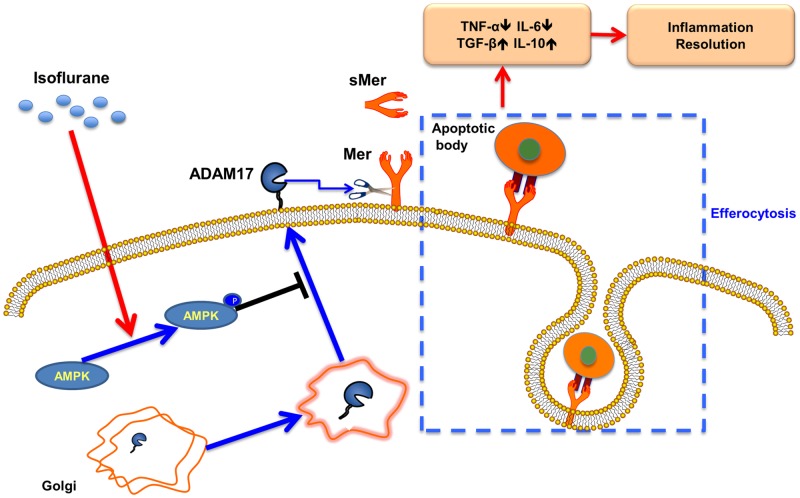
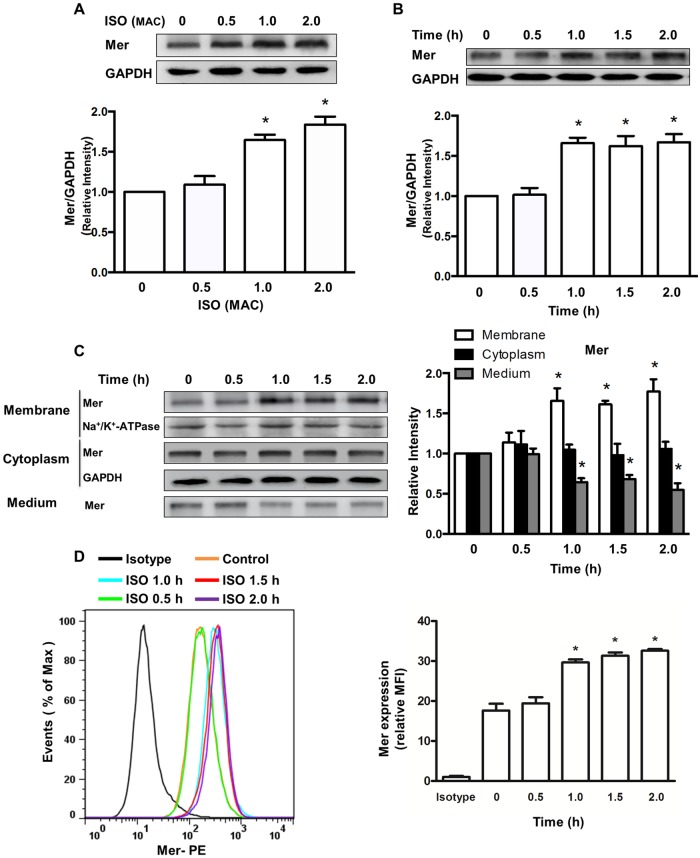
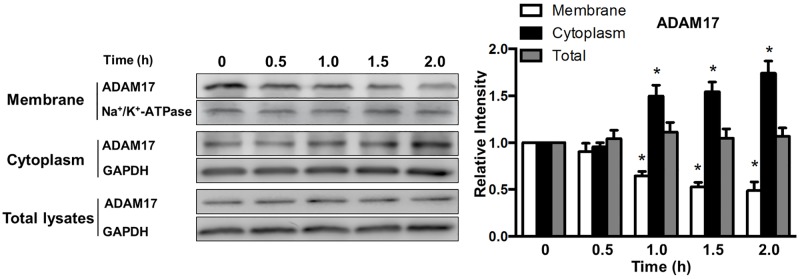
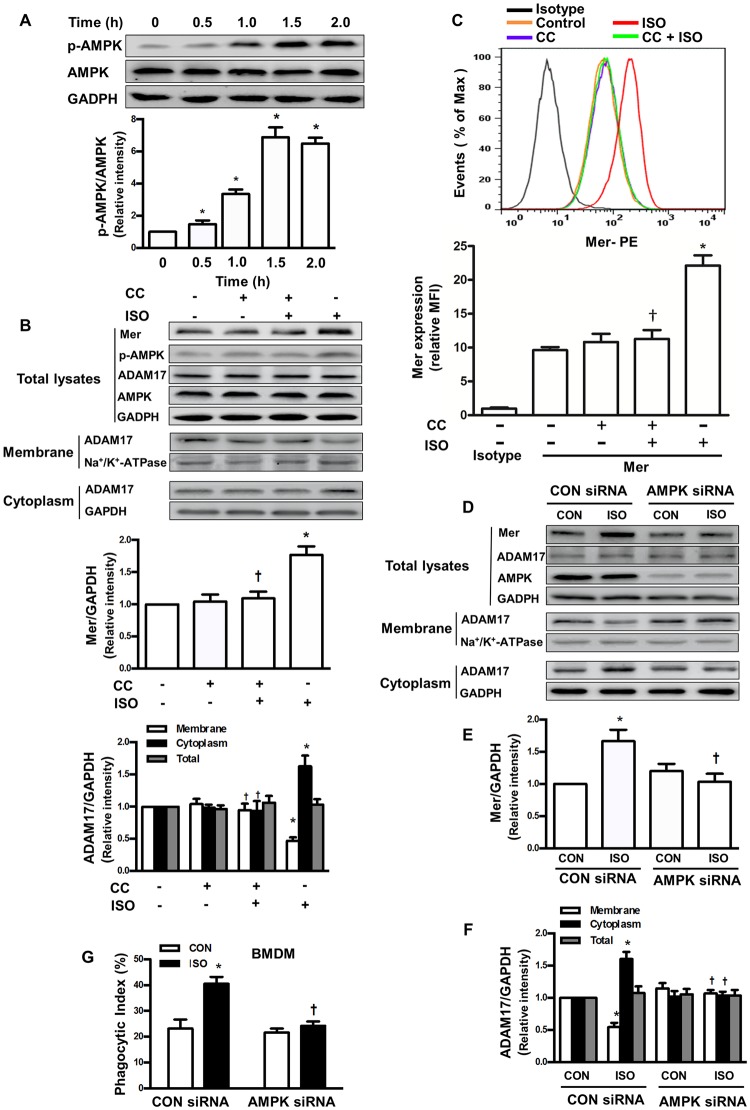
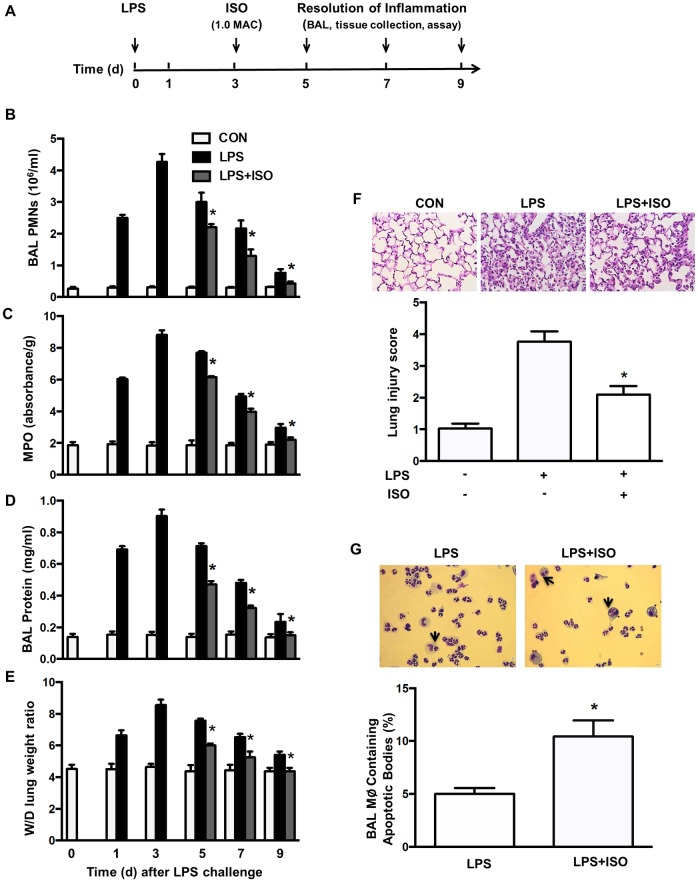
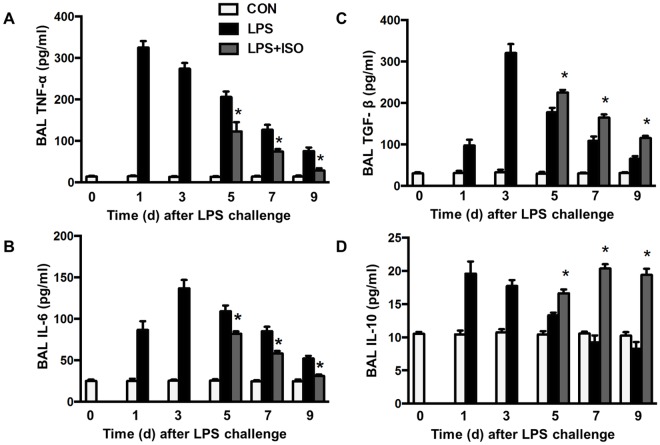
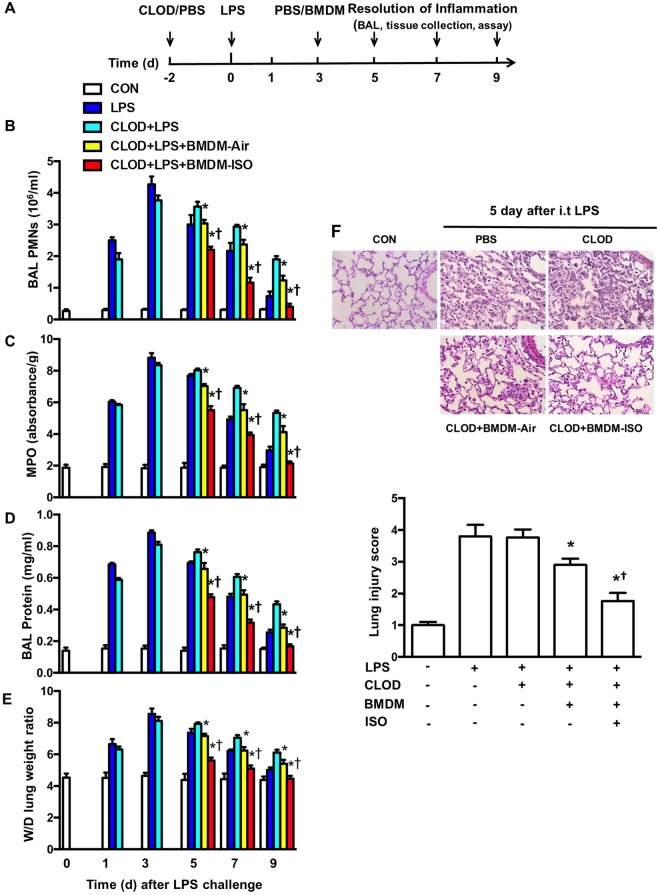
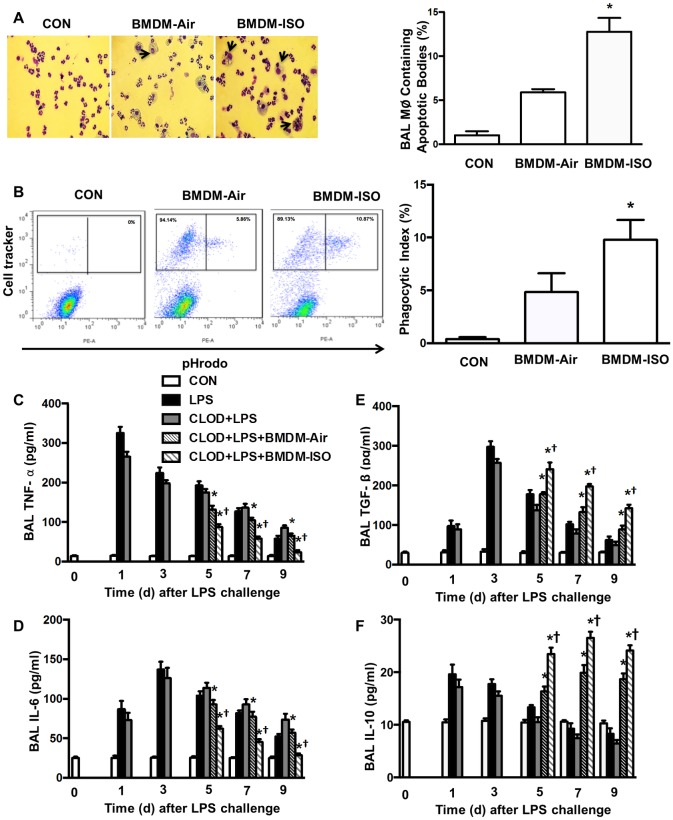
A patient's recovery from lung inflammatory injury or development of multi-system organ failure is determined by the host's ability to resolve inflammation and repair tissue damage, both of which require the clearance of apoptotic neutrophils by macrophages (efferocytosis). Here, we investigated the effects of isoflurane on macrophage efferocytosis and resolution of lung inflammatory injury. Treatment of murine bone marrow-derived macrophages (BMDMs) or alveolar macrophages with isoflurane dramatically enhanced phagocytosis of apoptotic neutrophils. Isoflurane significantly increased the surface expression of the receptor tyrosine kinase Mer in macrophages, but markedly decreased the levels of a soluble form of Mer protein in the medium. Isoflurane treatment also caused a decrease in a disintegrin and metalloproteinase 17 (ADAM17) on the cell surface and a concomitant increase in its cytoplasmic fraction. These responses induced by isoflurane were completely reversed by a pharmacological inhibitor or genetic deletion of AMP-activated protein kinase (AMPK). In a mouse model of lipopolysaccharide-induced lung injury, isoflurane accelerated the recovery of lung inflammation and injury that was coupled with an increase in the number of alveolar macrophages containing apoptotic bodies. In alveolar macrophage-depleted mice, administration of isoflurane-pretreated BMDMs facilitated resolution of lung inflammation following lipopolysaccharide challenge. Thus, isoflurane promoted resolution of lipopolysaccharide-induced lung inflammatory injury via enhancement of macrophage efferocytosis. Increased macrophage efferocytosis following isoflurane treatment correlates with upregulation of Mer surface expression through AMPK-mediated blockade of ADAM17 trafficking to the cell membrane.
患者从肺部炎症损伤中恢复或多系统器官衰竭的发展取决于宿主消除炎症和修复组织损伤的能力,而这两者都需要巨噬细胞清除凋亡的中性粒细胞(胞葬作用)。在此,我们研究了异氟烷对巨噬细胞胞葬作用和肺部炎症损伤消退的影响。用异氟烷处理小鼠骨髓来源的巨噬细胞(BMDM)或肺泡巨噬细胞可显著增强对凋亡中性粒细胞的吞噬作用。异氟烷显著增加巨噬细胞中受体酪氨酸激酶Mer的表面表达,但显著降低培养基中可溶性Mer蛋白的水平。异氟烷处理还导致细胞表面的解整合素和金属蛋白酶17(ADAM17)减少,同时其细胞质部分增加。异氟烷诱导的这些反应可被AMP激活蛋白激酶(AMPK)的药理抑制剂或基因缺失完全逆转。在脂多糖诱导的肺损伤小鼠模型中,异氟烷加速了肺部炎症和损伤的恢复,同时含有凋亡小体的肺泡巨噬细胞数量增加。在肺泡巨噬细胞耗竭的小鼠中,给予异氟烷预处理的BMDM有助于脂多糖攻击后肺部炎症的消退。因此,异氟烷通过增强巨噬细胞胞葬作用促进脂多糖诱导的肺部炎症损伤的消退。异氟烷处理后巨噬细胞胞葬作用增加与通过AMPK介导的ADAM17向细胞膜转运的阻断导致Mer表面表达上调有关。