Grellet Sophie, Tzelepi Konstantina, Roskamp Meike, Williams Phil, Sharif Aquila, Slade-Carter Richard, Goldie Peter, Whilde Nicky, Śmiałek Małgorzata A, Mason Nigel J, Golding Jon P
School of Life, Health & Chemical Sciences, The Open University, Walton Hall, Milton Keynes, United Kingdom.
Midatech Pharma, Milton Park, Abingdon, United Kingdom.
PLoS One. 2017 Jul 10;12(7):e0181103. doi: 10.1371/journal.pone.0181103. eCollection 2017.
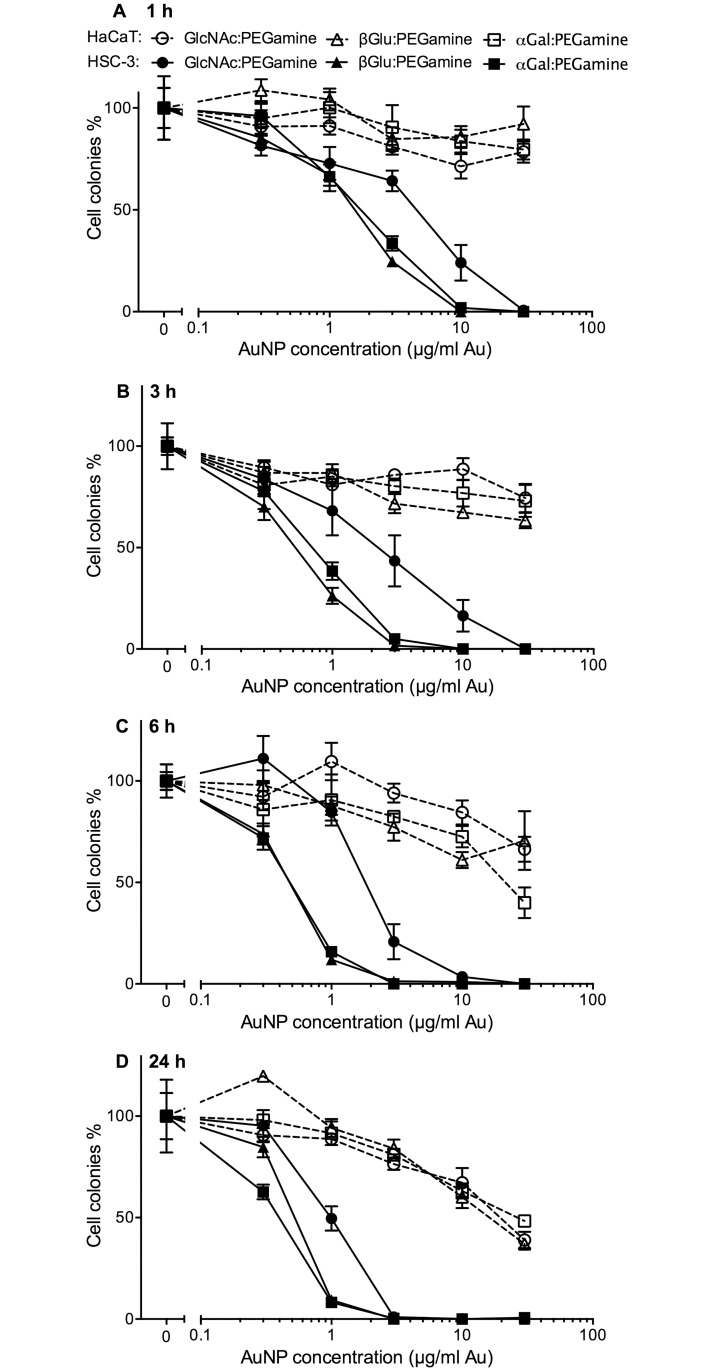
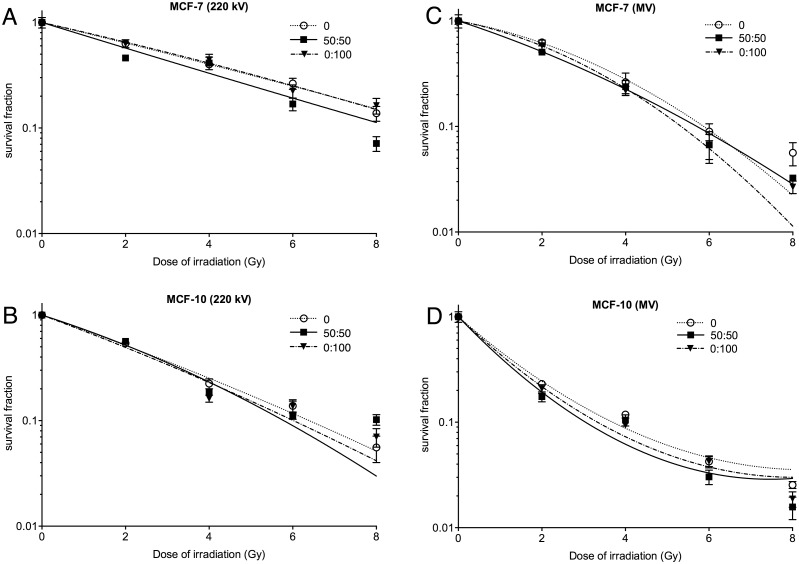
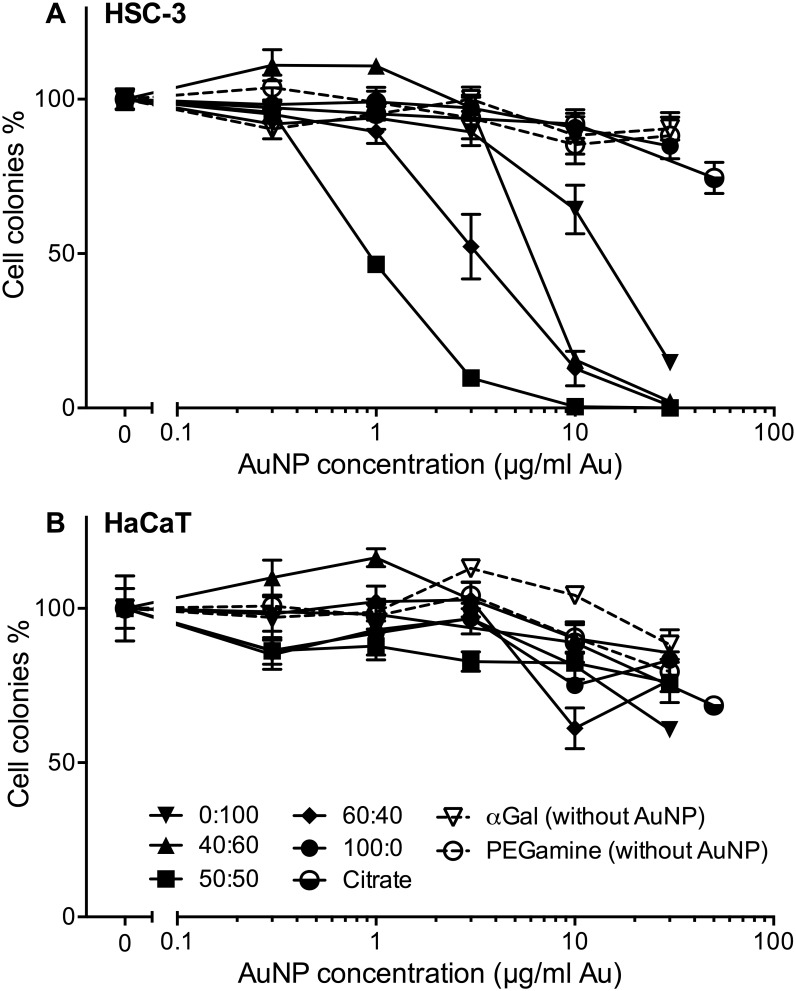
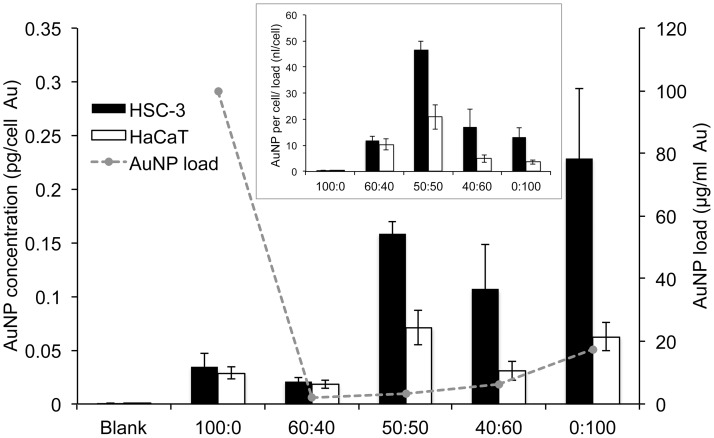
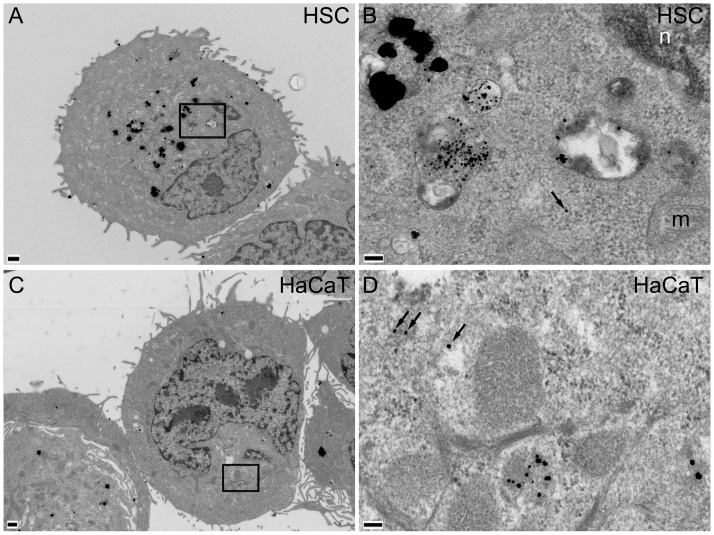
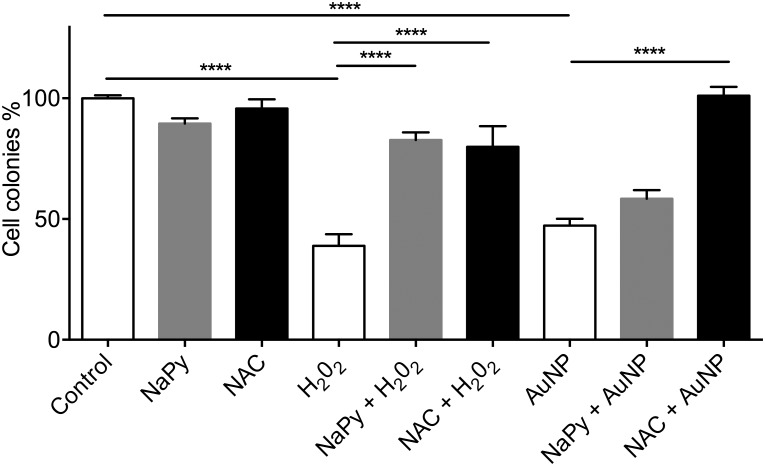
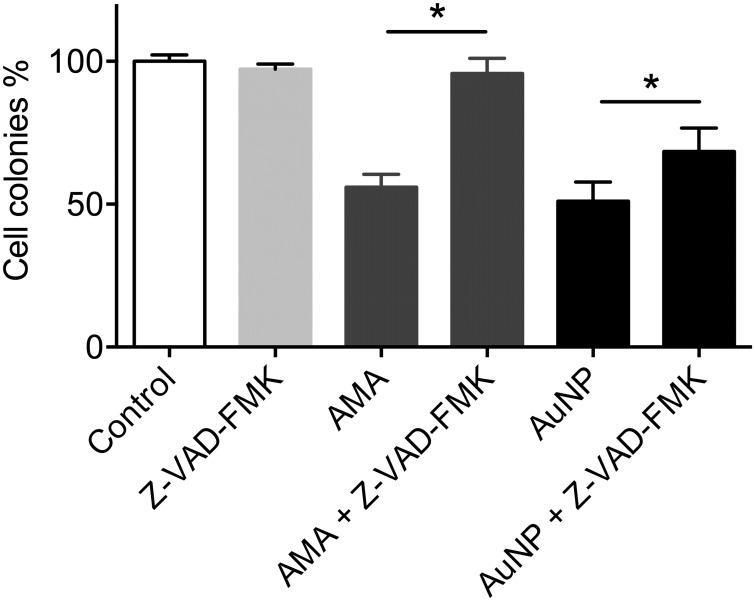
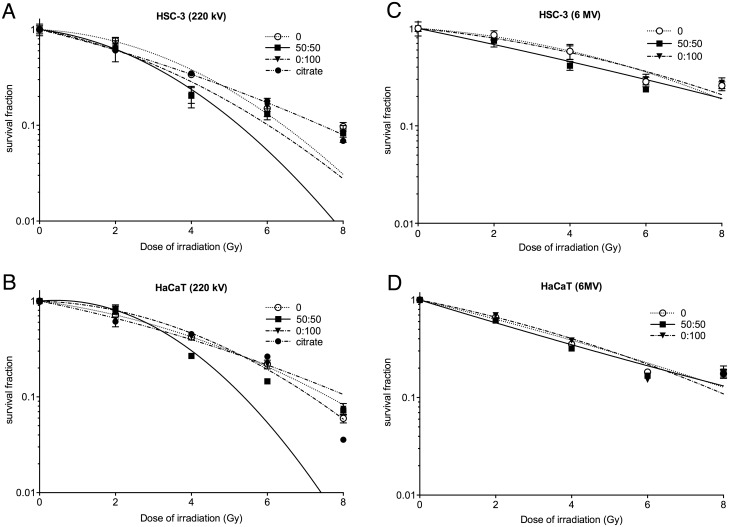
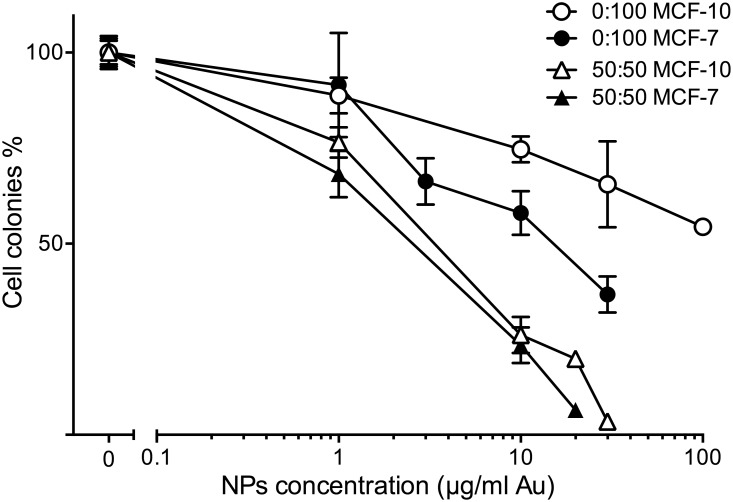
Two nanometre gold nanoparticles (AuNPs), bearing sugar moieties and/or thiol-polyethylene glycol-amine (PEG-amine), were synthesised and evaluated for their in vitro toxicity and ability to radiosensitise cells with 220 kV and 6 MV X-rays, using four cell lines representing normal and cancerous skin and breast tissues. Acute 3 h exposure of cells to AuNPs, bearing PEG-amine only or a 50:50 ratio of alpha-galactose derivative and PEG-amine resulted in selective uptake and toxicity towards cancer cells at unprecedentedly low nanomolar concentrations. Chemotoxicity was prevented by co-administration of N-acetyl cysteine antioxidant, or partially prevented by the caspase inhibitor Z-VAD-FMK. In addition to their intrinsic cancer-selective chemotoxicity, these AuNPs acted as radiosensitisers in combination with 220 kV or 6 MV X-rays. The ability of AuNPs bearing simple ligands to act as cancer-selective chemoradiosensitisers at low concentrations is a novel discovery that holds great promise in developing low-cost cancer nanotherapeutics.
合成了带有糖部分和/或硫醇-聚乙二醇-胺(PEG-胺)的两纳米金纳米颗粒(AuNP),并使用代表正常和癌性皮肤及乳腺组织的四种细胞系,评估了它们的体外毒性以及用220 kV和6 MV X射线使细胞放射增敏的能力。细胞急性暴露于仅带有PEG-胺或α-半乳糖衍生物与PEG-胺比例为50:50的AuNP 3小时,导致在前所未有的低纳摩尔浓度下对癌细胞有选择性摄取和毒性。通过共同给予N-乙酰半胱氨酸抗氧化剂可防止化学毒性,或通过半胱天冬酶抑制剂Z-VAD-FMK部分防止化学毒性。除了其固有的癌症选择性化学毒性外,这些AuNP与220 kV或6 MV X射线联合使用时还可作为放射增敏剂。带有简单配体的AuNP在低浓度下作为癌症选择性化学放射增敏剂的能力是一项新发现,在开发低成本癌症纳米疗法方面具有巨大潜力。