Chen Jessica J, Boehning Darren
Department of Biochemistry and Molecular Biology, McGovern Medical School, UTHealth, Houston, TX, United States.
Front Oncol. 2017 Jun 29;7:138. doi: 10.3389/fonc.2017.00138. eCollection 2017.
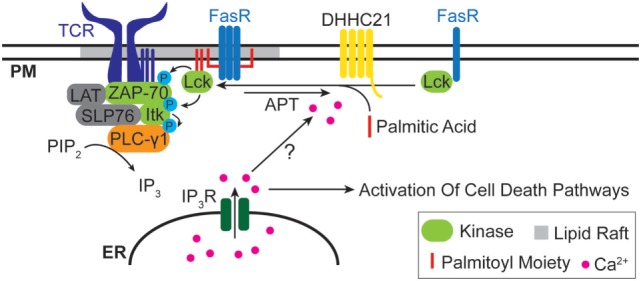
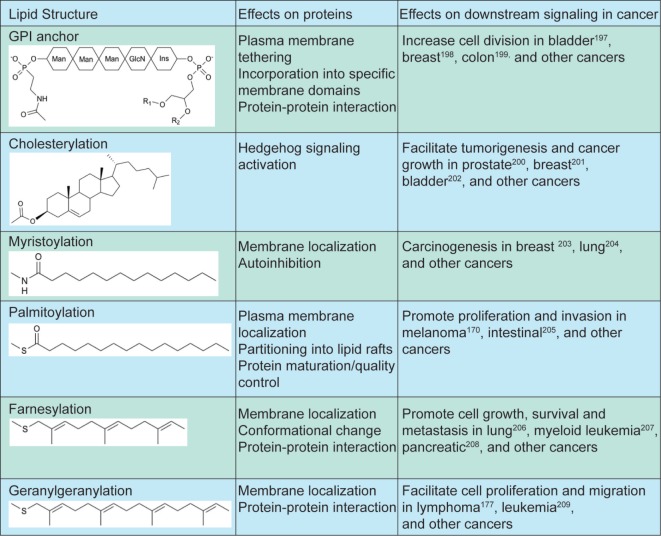
Calcium is a critical regulator of cell death pathways. One of the most proximal events leading to cell death is activation of plasma membrane and endoplasmic reticulum-resident calcium channels. A large body of evidence indicates that defects in this pathway contribute to cancer development. Although we have a thorough understanding of how downstream elevations in cytosolic and mitochondrial calcium contribute to cell death, it is much less clear how calcium channels are activated upstream of the apoptotic stimulus. Recently, it has been shown that protein lipidation is a potent regulator of apoptotic signaling. Although classically thought of as a static modification, rapid and reversible protein acylation has emerged as a new signaling paradigm relevant to many pathways, including calcium release and cell death. In this review, we will discuss the role of protein lipidation in regulating apoptotic calcium signaling with direct therapeutic relevance to cancer.
钙是细胞死亡途径的关键调节因子。导致细胞死亡的最早期事件之一是质膜和内质网驻留钙通道的激活。大量证据表明,该途径中的缺陷会促进癌症发展。尽管我们已经深入了解了胞质和线粒体钙的下游升高如何导致细胞死亡,但钙通道在凋亡刺激上游是如何被激活的却不太清楚。最近,研究表明蛋白质脂化是凋亡信号传导的有效调节因子。尽管传统上认为蛋白质脂化是一种静态修饰,但快速且可逆的蛋白质酰化已成为一种与许多途径相关的新信号模式,包括钙释放和细胞死亡。在这篇综述中,我们将讨论蛋白质脂化在调节凋亡钙信号传导中的作用,这与癌症具有直接的治疗相关性。