Rodriguez-Blanco J, Pednekar L, Penas C, Li B, Martin V, Long J, Lee E, Weiss W A, Rodriguez C, Mehrdad N, Nguyen D M, Ayad N G, Rai P, Capobianco A J, Robbins D J
Molecular Oncology Program, The DeWitt Daughtry Family Department of Surgery, University of Miami, Miller School of Medicine, Miami, FL, USA.
Center for Therapeutic Innovation, Department of Psychiatry and Behavioral Sciences, University of Miami, Miller School of Medicine, Miami, FL, USA.
Oncogene. 2017 Nov 9;36(45):6306-6314. doi: 10.1038/onc.2017.232. Epub 2017 Jul 17.
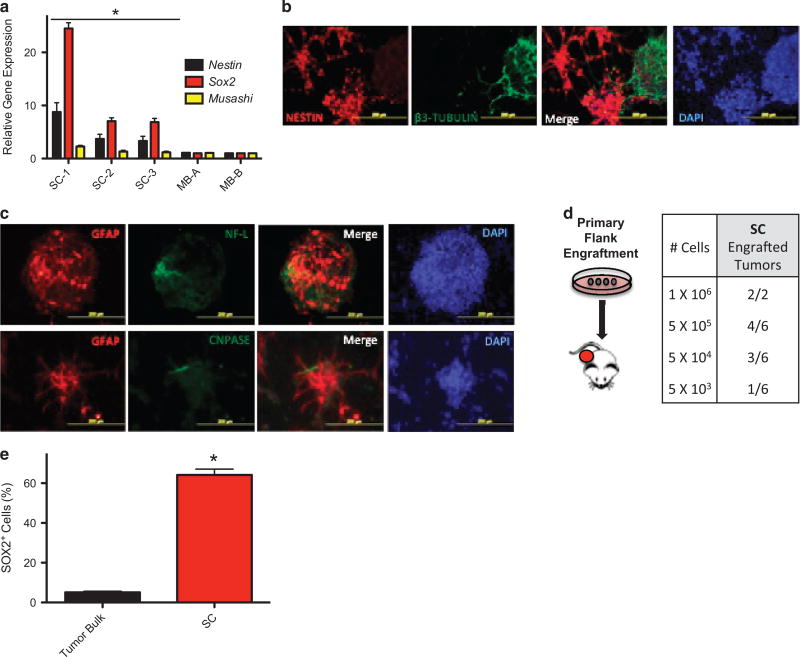
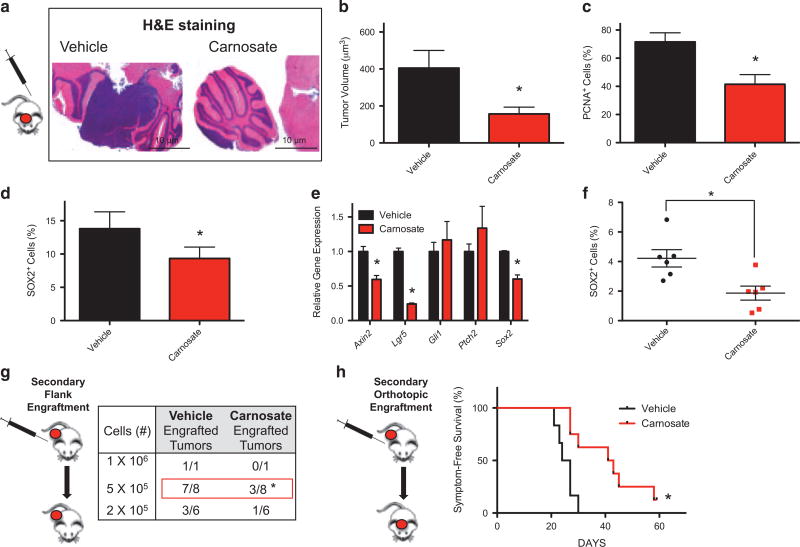
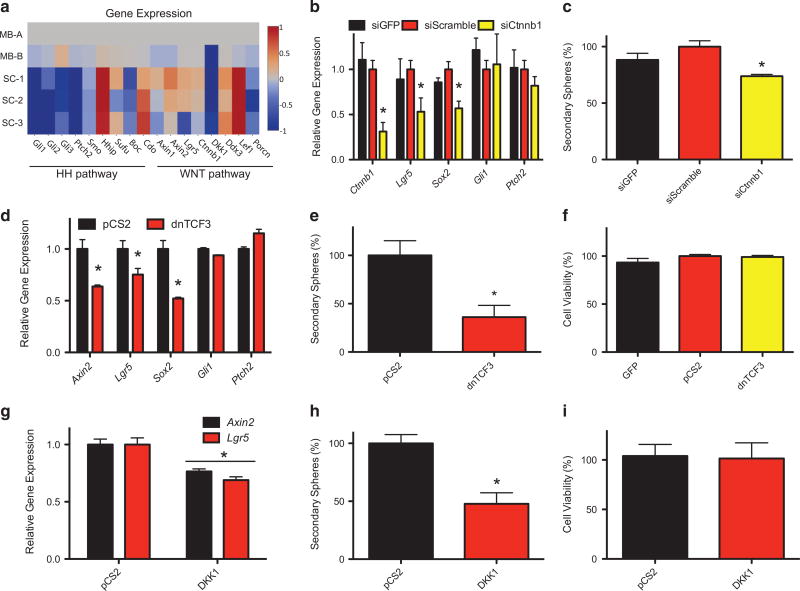
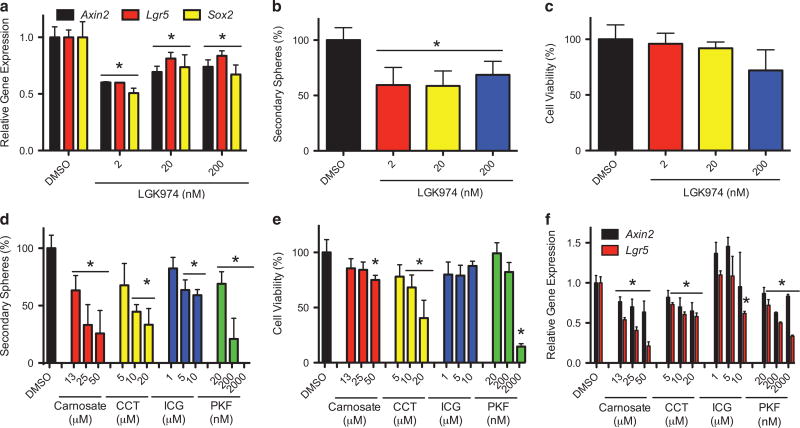
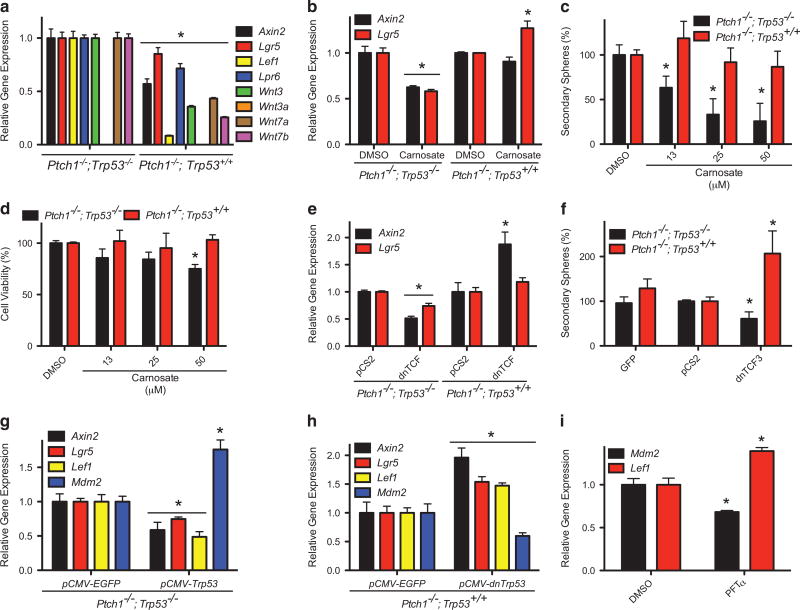
The SMOOTHENED inhibitor vismodegib is FDA approved for advanced basal cell carcinoma (BCC), and shows promise in clinical trials for SONIC HEDGEHOG (SHH)-subgroup medulloblastoma (MB) patients. Clinical experience with BCC patients shows that continuous exposure to vismodegib is necessary to prevent tumor recurrence, suggesting the existence of a vismodegib-resistant reservoir of tumor-propagating cells. We isolated such tumor-propagating cells from a mouse model of SHH-subgroup MB and grew them as sphere cultures. These cultures were enriched for the MB progenitor marker SOX2 and formed tumors in vivo. Moreover, while their ability to self-renew was resistant to SHH inhibitors, as has been previously suggested, this self-renewal was instead WNT-dependent. We show here that loss of Trp53 activates canonical WNT signaling in these SOX2-enriched cultures. Importantly, a small molecule WNT inhibitor was able to reduce the propagation and growth of SHH-subgroup MB in vivo, in an on-target manner, leading to increased survival. Our results imply that the tumor-propagating cells driving the growth of bulk SHH-dependent MB are themselves WNT dependent. Further, our data suggest combination therapy with WNT and SHH inhibitors as a therapeutic strategy in patients with SHH-subgroup MB, in order to decrease the tumor recurrence commonly observed in patients treated with vismodegib.
SMOOTHENED抑制剂维莫德吉已获美国食品药品监督管理局(FDA)批准用于治疗晚期基底细胞癌(BCC),并且在针对音猬因子(SHH)亚组髓母细胞瘤(MB)患者的临床试验中显示出前景。BCC患者的临床经验表明,持续使用维莫德吉对于预防肿瘤复发是必要的,这表明存在对维莫德吉耐药的肿瘤增殖细胞库。我们从小鼠SHH亚组MB模型中分离出此类肿瘤增殖细胞,并将它们培养成球状体。这些培养物富含MB祖细胞标志物SOX2,并在体内形成肿瘤。此外,正如之前所表明的,虽然它们的自我更新能力对SHH抑制剂具有抗性,但这种自我更新反而依赖于WNT信号通路。我们在此表明,Trp53的缺失会激活这些富含SOX2的培养物中的经典WNT信号通路。重要的是,一种小分子WNT抑制剂能够以靶向方式减少体内SHH亚组MB的增殖和生长,从而提高生存率。我们的结果表明,驱动大量SHH依赖性MB生长的肿瘤增殖细胞本身依赖于WNT信号通路。此外,我们的数据表明,将WNT和SHH抑制剂联合使用作为SHH亚组MB患者的治疗策略,以减少在接受维莫德吉治疗的患者中常见的肿瘤复发。