Department of Craniofacial Development & Stem Cell Biology, King's College London, London, SE1 9RT, UK.
Imperial College London, Institute of Clinical Sciences, Faculty of Medicine, South Kensington Campus, London, SW7 2AZ, UK.
Sci Rep. 2017 Jul 21;7(1):6162. doi: 10.1038/s41598-017-05472-0.
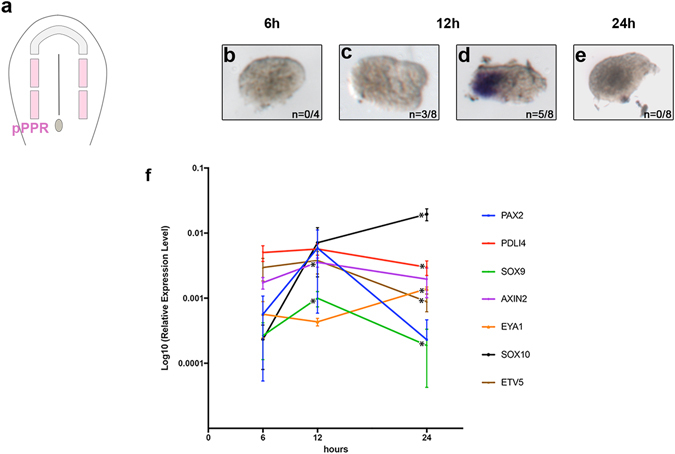
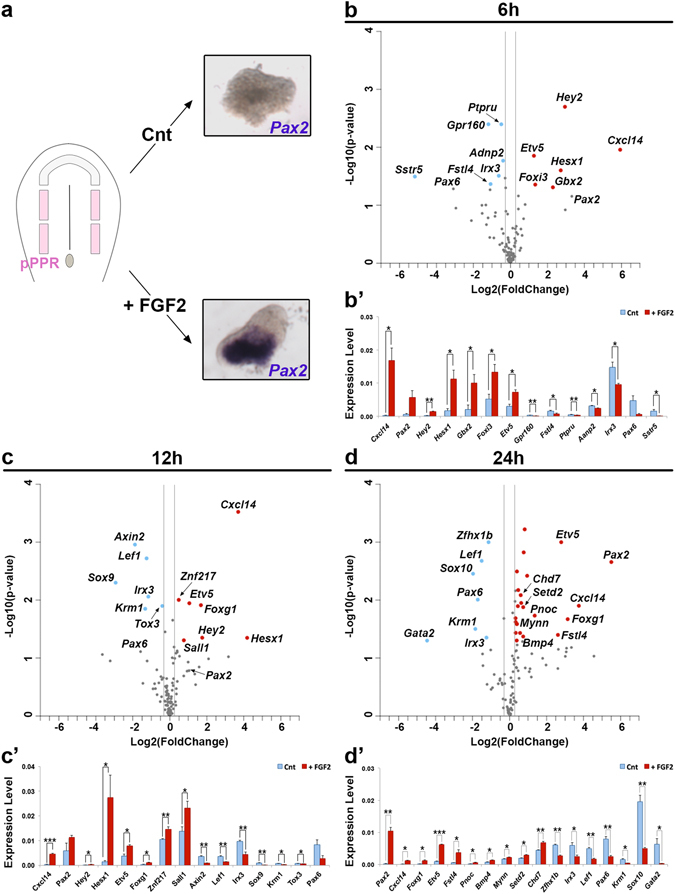
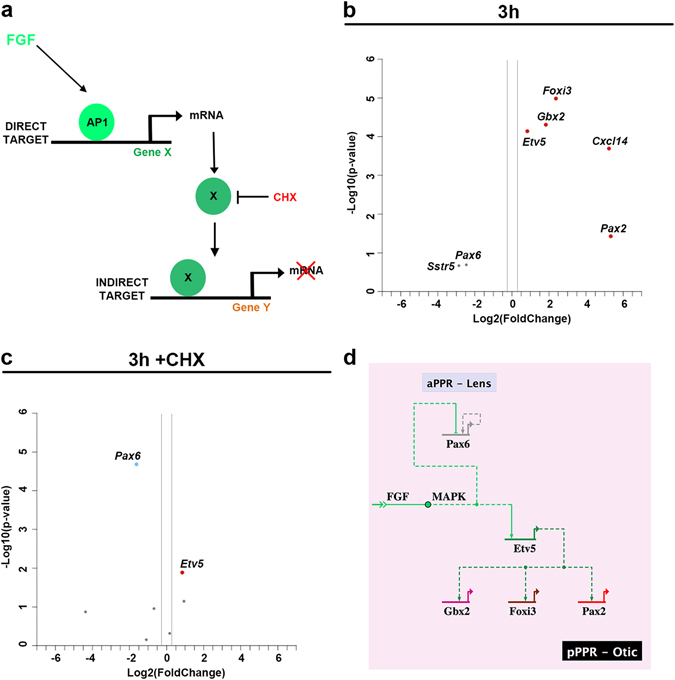
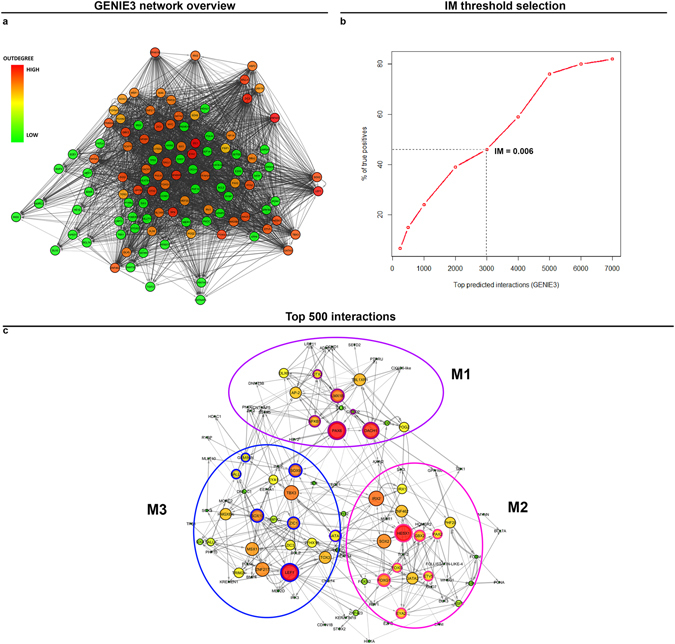
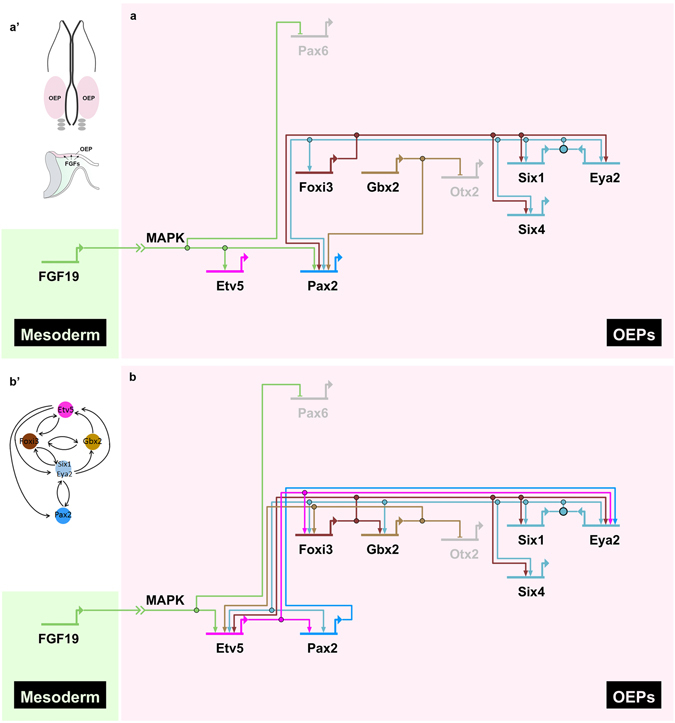
During development cell commitment is regulated by inductive signals that are tightly controlled in time and space. In response, cells activate specific programmes, but the transcriptional circuits that maintain cell identity in a changing signalling environment are often poorly understood. Specification of inner ear progenitors is initiated by FGF signalling. Here, we establish the genetic hierarchy downstream of FGF by systematic analysis of many ear factors combined with a network inference approach. We show that FGF rapidly activates a small circuit of transcription factors forming positive feedback loops to stabilise otic progenitor identity. Our predictive network suggests that subsequently, transcriptional repressors ensure the transition of progenitors to mature otic cells, while simultaneously repressing alternative fates. Thus, we reveal the regulatory logic that initiates ear formation and highlight the hierarchical organisation of the otic gene network.
在发育过程中,细胞的定向分化受诱导信号的调控,这些信号在时间和空间上受到严格的控制。作为响应,细胞会激活特定的程序,但在不断变化的信号环境中维持细胞身份的转录调控回路往往知之甚少。内耳祖细胞的特化是由 FGF 信号启动的。在这里,我们通过系统分析许多耳因子并结合网络推断方法,确定了 FGF 信号下游的遗传层次结构。我们发现,FGF 迅速激活了一个由转录因子组成的小回路,形成正反馈环,以稳定耳前体的身份。我们的预测网络表明,随后,转录抑制因子确保祖细胞向成熟耳细胞的过渡,同时抑制其他命运。因此,我们揭示了启动耳朵形成的调控逻辑,并强调了耳基因网络的层次组织。