Zhao Chunyang, Hou Weizhen, Lei Hui, Huang Longjian, Wang Shan, Cui Dandan, Xing Changhong, Wang Xiaoliang, Peng Ying
State Key Laboratory of Bioactive Substances and Functions of Natural Medicines, Institute of Materia Medica, Chinese Academy of Medical Sciences & Peking Union Medical College, Beijing 100050, China.
Departments of Radiology and Neurology, Massachusetts General Hospital, Harvard Medical School, Charlestown, MA 02129, USA.
Acta Pharm Sin B. 2017 Jul;7(4):470-478. doi: 10.1016/j.apsb.2017.04.007. Epub 2017 May 9.
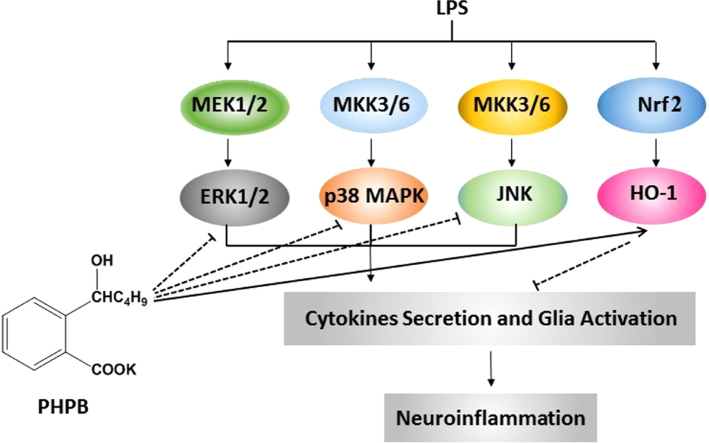
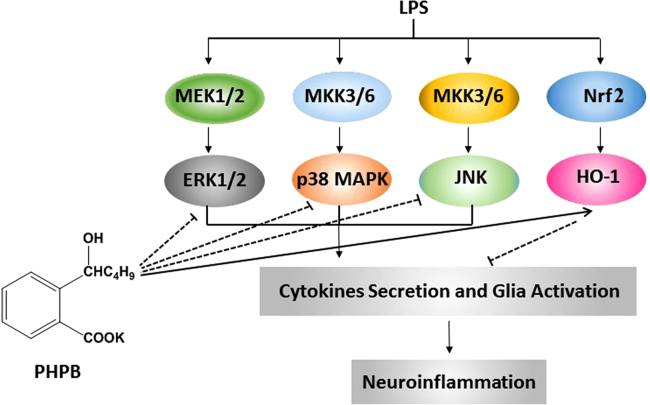
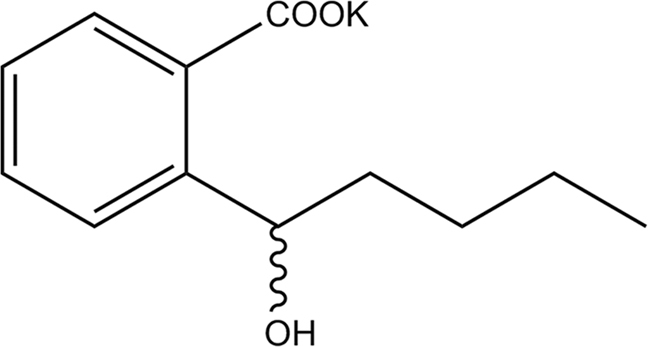
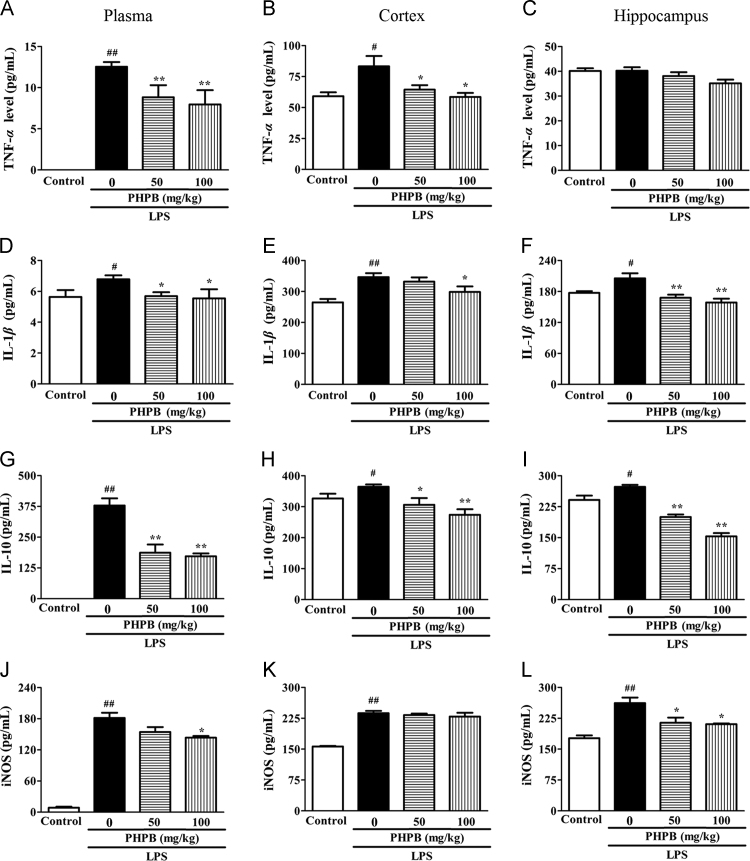
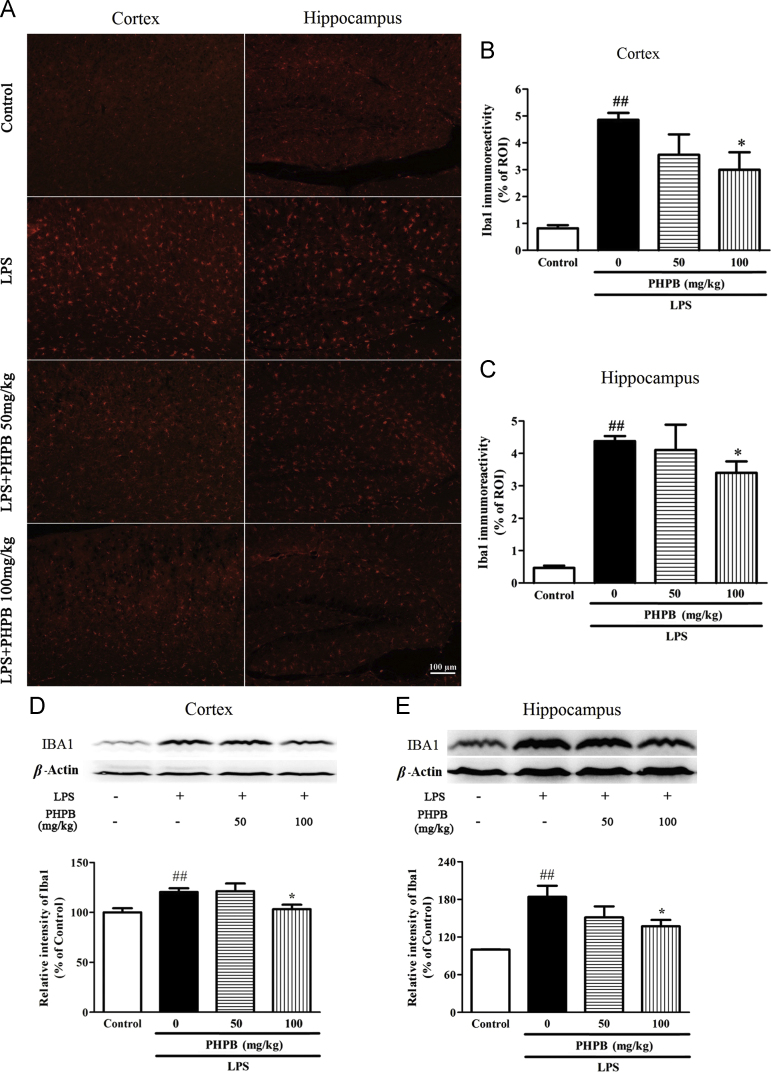
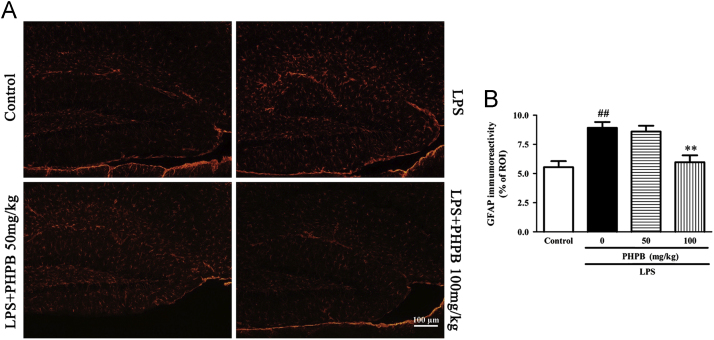
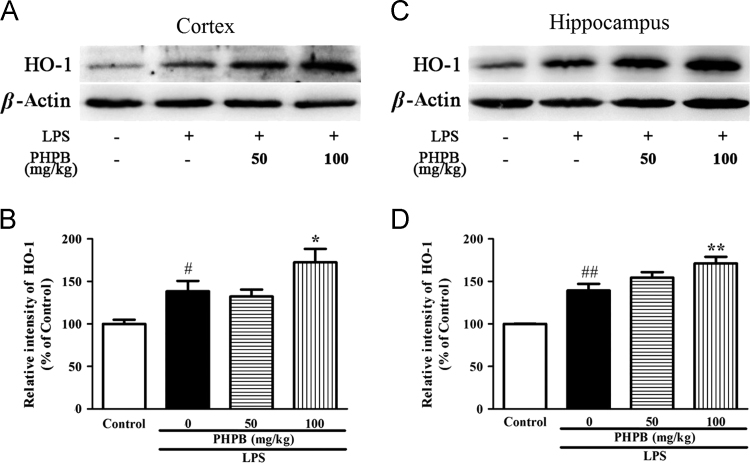
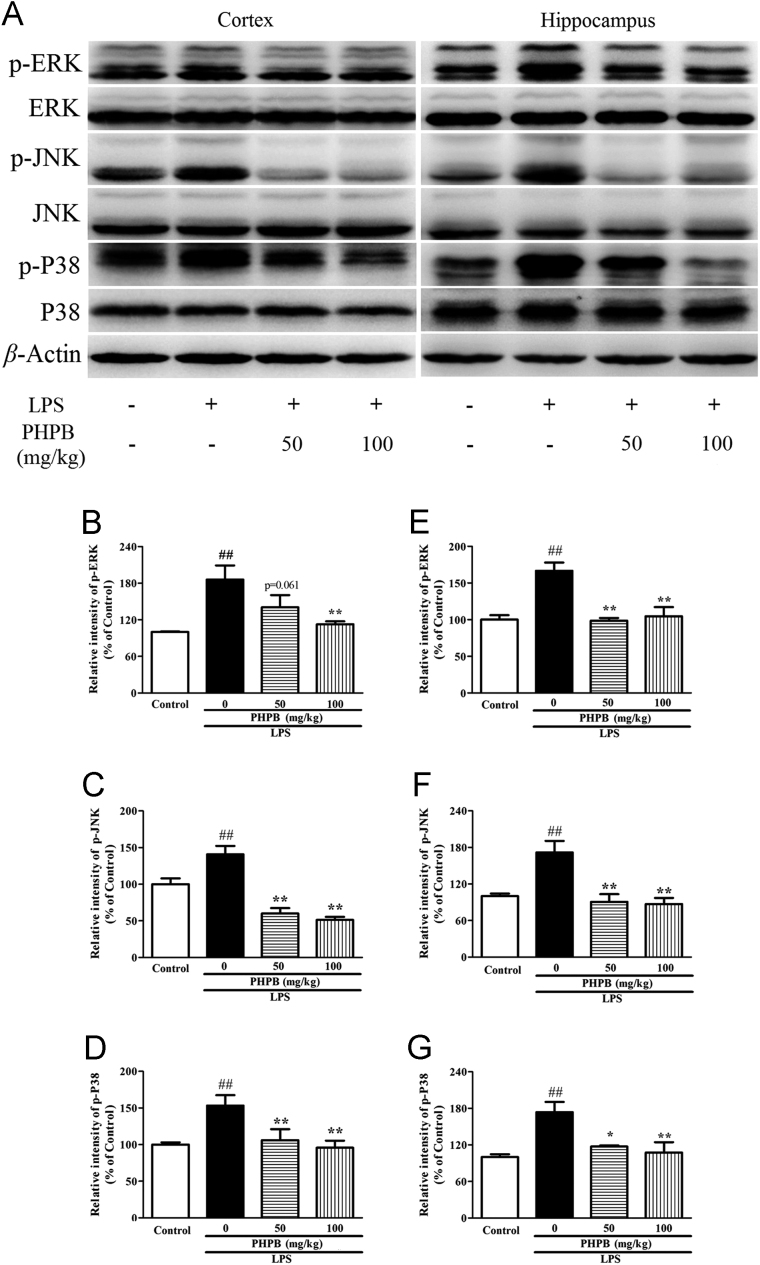
A neuroinflammatory response is commonly involved in the progression of many neurodegenerative diseases. Potassium 2-(1-hydroxypentyl)-benzoate (PHPB), a novel neuroprotective compound, has shown promising effects in the treatment of ischemic stroke and Alzheimer׳s disease (AD). In the present study, the anti-inflammatory effects of PHPB were investigated in the plasma and brain of C57BL/6 mice administered a single intraperitoneal (i.p.) injection of lipopolysaccharide (LPS). Levels of iNOS and the cytokines TNF, IL-1 and IL-10 were elevated in plasma, cerebral cortex and hippocampus after LPS injection and the number of microglia and astrocytes in cortex and hippocampus were increased. LPS also upregulated the expression of heme oxygenase-1 (HO-1) in the cortex and hippocampus. PHPB reduced the levels of iNOS and cytokines in the plasma and brain, decreased the number of microglia and astrocytes and further enhanced the upregulation of HO-1. In addition, PHPB inhibited the LPS-induced phosphorylation of ERK, P38 and JNK. These results suggest that PHPB is a potential candidate in the treatment of neurodegenerative diseases through inhibiting neuroinflammation.
神经炎症反应通常参与多种神经退行性疾病的进展。2-(1-羟基戊基)苯甲酸钾(PHPB)是一种新型神经保护化合物,在缺血性中风和阿尔茨海默病(AD)的治疗中显示出有前景的效果。在本研究中,对单次腹腔注射脂多糖(LPS)的C57BL/6小鼠的血浆和脑内PHPB的抗炎作用进行了研究。LPS注射后,血浆、大脑皮层和海马中的诱导型一氧化氮合酶(iNOS)水平以及细胞因子肿瘤坏死因子(TNF)、白细胞介素-1(IL-1)和白细胞介素-10升高,皮层和海马中的小胶质细胞和星形胶质细胞数量增加。LPS还上调了皮层和海马中血红素加氧酶-1(HO-1)的表达。PHPB降低了血浆和脑内iNOS和细胞因子的水平,减少了小胶质细胞和星形胶质细胞的数量,并进一步增强了HO-1的上调。此外,PHPB抑制了LPS诱导的细胞外信号调节激酶(ERK)、P38和c-Jun氨基末端激酶(JNK)的磷酸化。这些结果表明,PHPB可能是通过抑制神经炎症来治疗神经退行性疾病的潜在候选药物。