Liu Yan, Li Yuyang, Wang Xiaoen, Liu Feiyang, Gao Peng, Quinn Max M, Li Fei, Merlino Ashley A, Benes Cyril, Liu Qingsong, Gray Nathanael S, Wong Kwok-Kin
Department of Medical Oncology, Dana Farber Cancer Institute, Boston, Massachusetts.
Shandong Provincial Hospital affiliated to Shandong University, Jinan, China.
Cancer Res. 2017 Sep 15;77(18):5068-5076. doi: 10.1158/0008-5472.CAN-17-0567. Epub 2017 Jul 28.
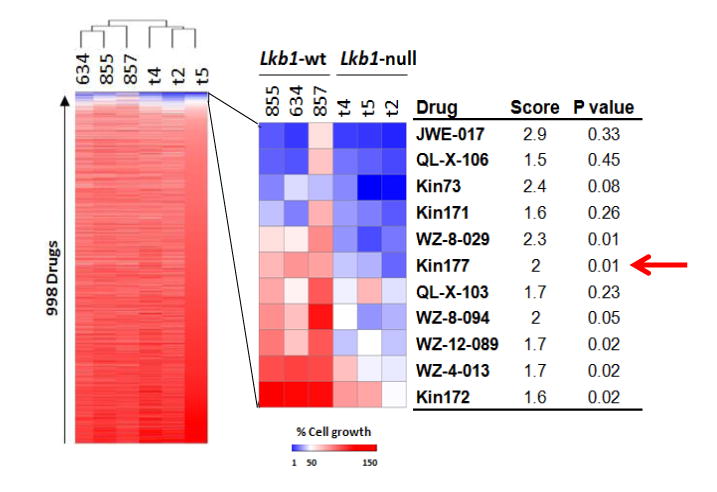
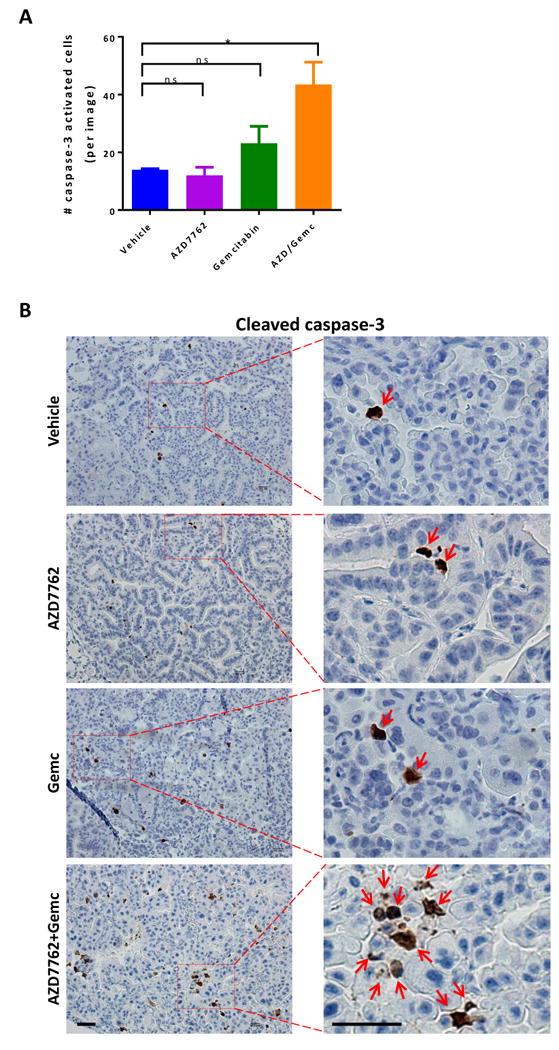
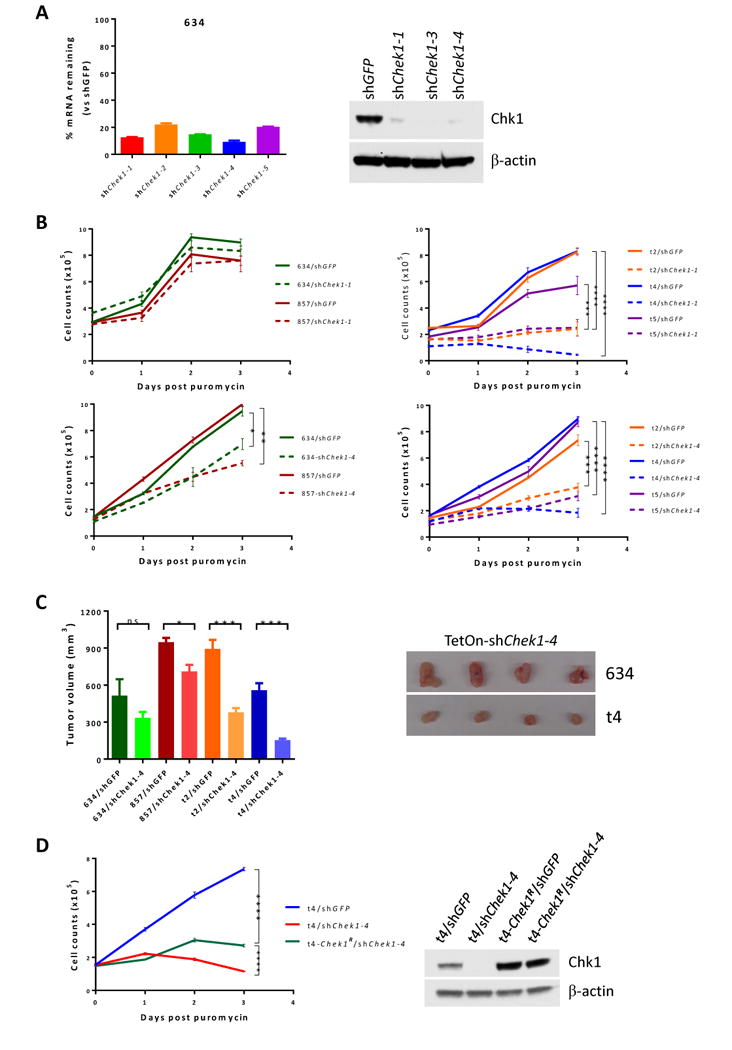
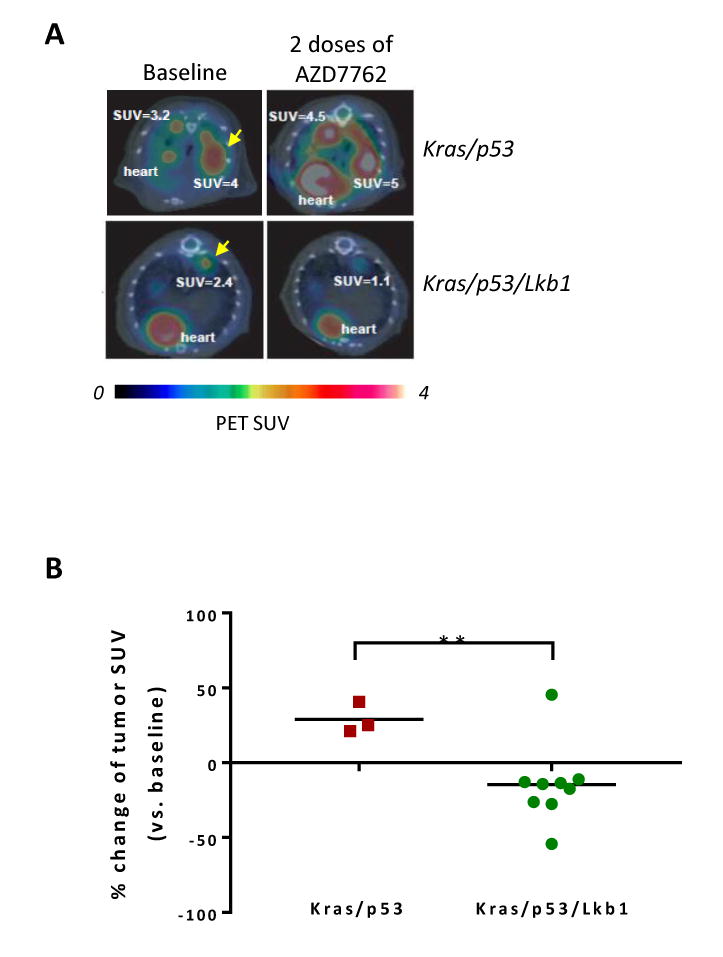
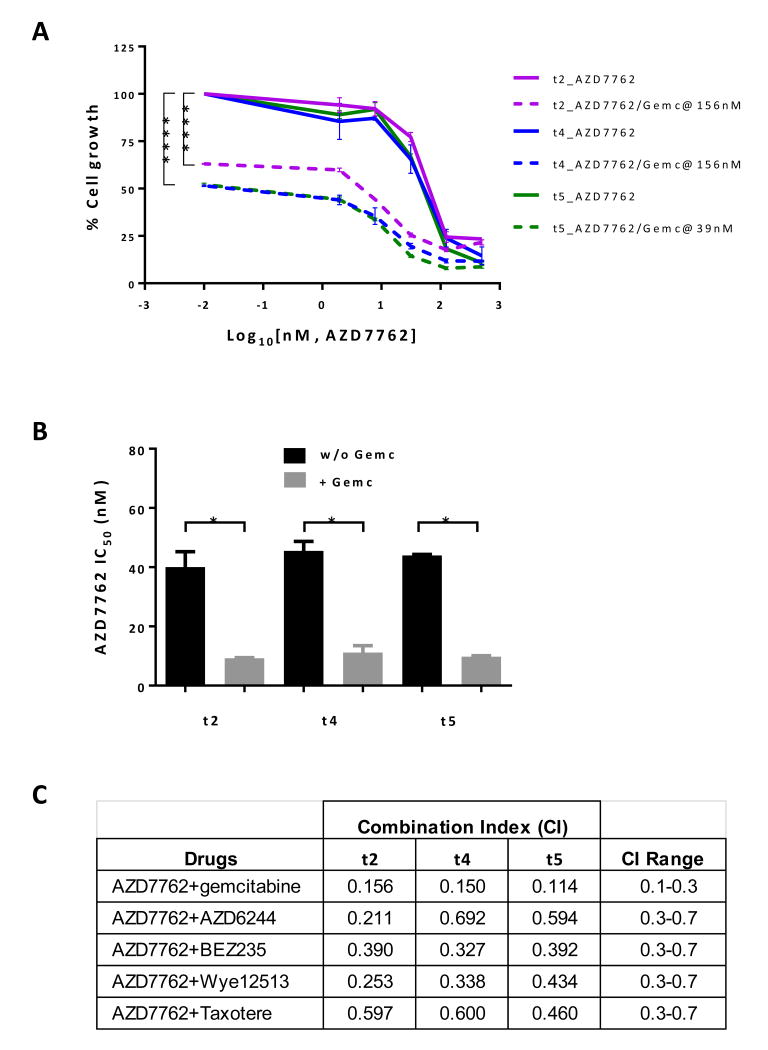
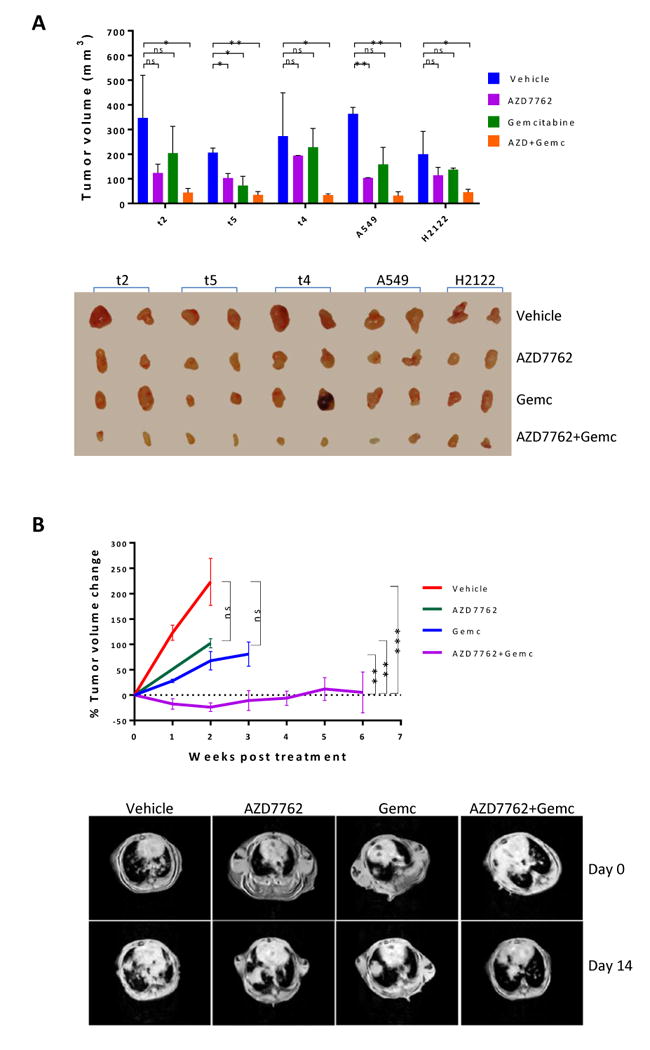
Cells lacking the tumor suppressor gene alter their metabolism to match the demands of accelerated growth, leaving them highly vulnerable to stress. However, targeted therapy for LKB1-deficient cancers has yet to be reported. In both cell lines and a genetically engineered mouse model of -induced lung cancer, much higher rates of DNA damage occur, resulting in increased dependence on Chk1 checkpoint function. Here we demonstrate that short-term treatment with the Chk1 inhibitor AZD7762 reduces metabolism in pembrolizumab tumors, synergizing with the DNA-damaging drug gemcitabine to reduce tumor size in these models. Our results offer preclinical proof of concept for use of a Chk1 inhibitor to safely enhance the efficacy of gemcitabine, particularly in aggressive KRAS-driven LKB1-deficient lung adenocarcinomas. .
缺乏肿瘤抑制基因的细胞会改变其新陈代谢以适应加速生长的需求,从而使其极易受到应激影响。然而,针对LKB1缺陷型癌症的靶向治疗尚未见报道。在细胞系和诱导型肺癌的基因工程小鼠模型中,DNA损伤发生率都要高得多,导致对Chk1检查点功能的依赖性增加。在此,我们证明,用Chk1抑制剂AZD7762进行短期治疗可降低帕博利珠单抗治疗的肿瘤的新陈代谢,与DNA损伤药物吉西他滨协同作用,以减小这些模型中的肿瘤大小。我们的结果为使用Chk1抑制剂安全增强吉西他滨疗效提供了临床前概念验证,特别是在侵袭性KRAS驱动的LKB1缺陷型肺腺癌中。